
InsightsNews204 Articles
Developer News
Buyer's guides, platform breakdowns, and what actually ships — from the Frame Sixty team building Vision Pro, Android XR and AR apps for clients.
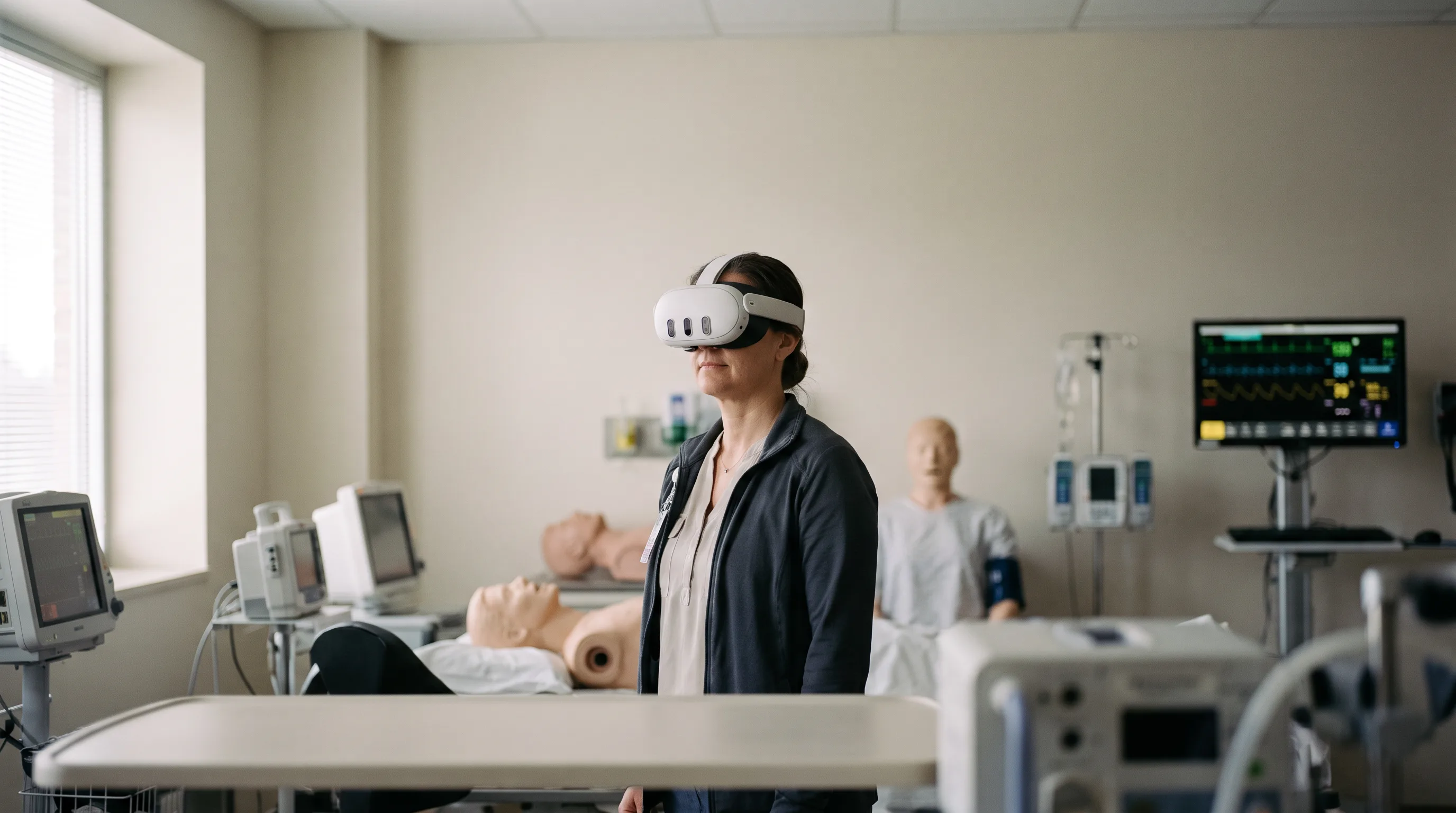 Which Medical VR Companies Are Worth Hiring? A 2026 Buyer's Guide for Healthcare OrganizationsMedical VR companies fall into two groups: purpose-built simulation platforms that license validated scenario libraries, and custom development studios that build proprietary clinical simulations to order. The right fit depends on whether an off-the-shelf library already matches your protocols or you need software tied to your own devices, data, and workflows. According to Coherent Market Insights' 2026 analysis, the VR medical training market reached $1.62 billion in 2026.Continue reading →
 What Is a Virtual Reality Agency? A Buyer's Guide to Choosing OneA virtual reality agency is a software studio that designs, engineers, and ships custom VR applications for a client's end users. It is not an arcade, not a headset manufacturer, and not a directory of vendors. The term collects all three, which is exactly why buying is hard. This guide is for teams that have decided to build VR and now need to choose who builds it.
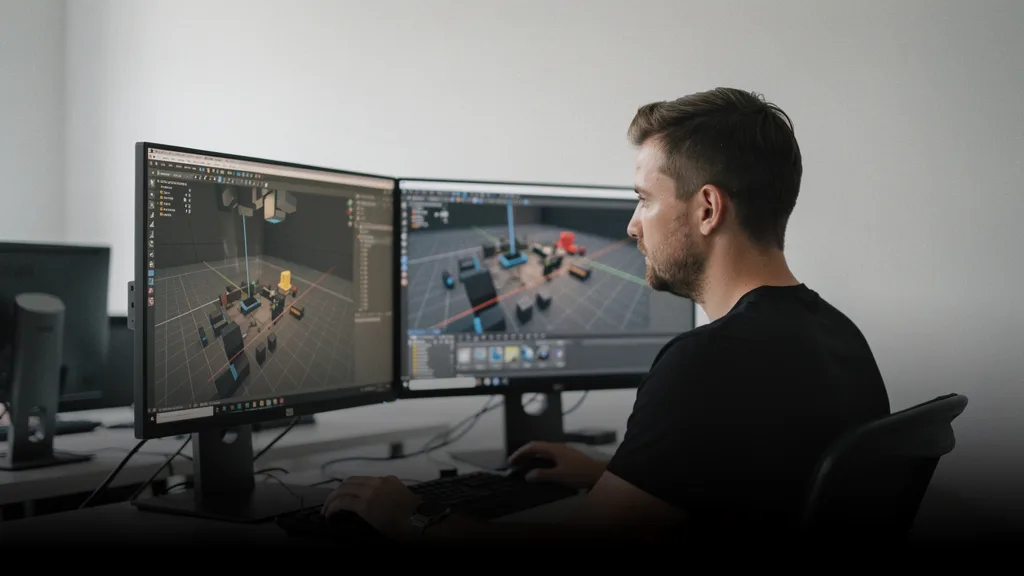 Metaverse Development Tools Compared: Unity, Unreal, WebXR, and No-Code PlatformsMetaverse development tools fall into three groups: game engines like Unity 6 and Unreal Engine 5.8 for custom cross-platform builds, platform-layer editors like Roblox Studio and the Unreal Editor for Fortnite for reach and speed, and the open WebXR stack for zero-install browser delivery. The tool you choose sets your cost floor and your vendor-lock ceiling. Match it to the experience you need to ship, not to the brand name you recognize.
 How Long Does It Take to Build an MVP?Building an MVP takes 4 to 8 weeks for a simple single-platform product, 8 to 16 weeks for a standard cross-platform app, and 16 to 24 weeks or more for a complex AI- or XR-enabled build. Those ranges cover five phases: discovery, design, engineering, QA, and launch. Most estimates quote only the engineering phase. That is why real MVP timelines run longer than founders expect.Read →
 AR for Manufacturing: Use Cases, Proven ROI, and How to Run a PilotAR for manufacturing is the use of augmented reality to overlay digital information — assembly steps, inspection criteria, remote expert annotations — directly onto physical equipment, parts, and workstations, viewed through smart glasses, tablets, or phones. On the shop floor it supports four proven uses: assembly guidance, quality inspection, remote expert assistance, and worker training. Manufacturers adopt it to cut assembly errors, shorten onboarding, and reduce expert travel.Read →
 Unity 3D Game Development Services: What's Included, Pricing, and How to Choose a StudioUnity 3D game development services are the end-to-end work a studio does to design, build, and ship a 3D game or interactive experience in the Unity engine: prototyping, 3D art and engine integration, multiplatform builds, performance optimization, quality assurance, and post-launch support. This guide explains what those services include, what they cost, and how to evaluate a studio before you sign.Read →
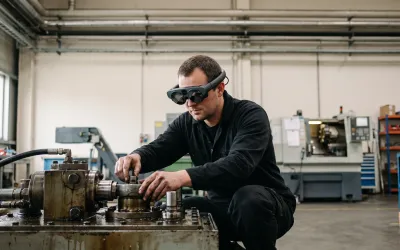 Augmented Reality Training Software: Custom Build vs. Off-the-Shelf Platform (Real Costs, Timelines, and ROI)Augmented reality training software is a class of application that overlays step-by-step digital guidance — 3D annotations, procedural callouts, equipment labels — onto real machinery or a reconstructed workspace, so workers learn by doing instead of reading a manual. Enterprises source it two ways: license an off-the-shelf platform, or commission a custom build. The right path hinges on one question. Is your training about generic skills, or about your specific equipment?Read →
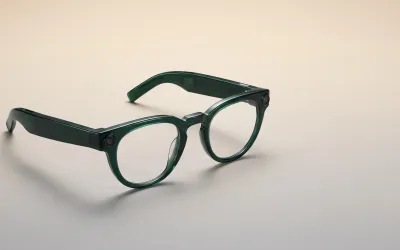 Samsung Smart Glasses: What Launches in NovemberSamsung smart glasses are the first Android XR glasses from Google's hardware partner, and they are expected to launch in November 2026 after previews at Google I/O in May and Galaxy Unpacked in July. They are audio glasses, not display glasses: a camera, microphones, and open-ear speakers in Warby Parker and Gentle Monster frames, paired to a phone, with Google Gemini doing the work. Samsung has confirmed up to 9 hours of battery, a case with seven more charges, iPhone and Android support, and a privacy light that cuts the camera when covered. Price is unannounced.Read →
 PWA vs Native App: Which Should You Build in 2026?The choice between a PWA vs native app comes down to one tradeoff. A progressive web app (PWA) is an installable website that runs from a single codebase, ships in weeks, and costs less; a native app costs more and takes longer but gives full hardware access and App Store discoverability. Choose a PWA when users arrive from links and search and no device API is on the critical path. Choose native when hardware, performance, or app-store growth is load-bearing.Read →
 Mobile App Development Company in Austin: Cost, Timeline & Hiring Guide (2026)Hiring a mobile app development company in Austin costs between $25,000 for a basic single-platform app and $220,000 or more for an enterprise platform, with most funded startups budgeting $50,000 to $150,000. Those figures come from 2026 Texas market data. Price is the easy part. The harder question is how to choose a studio that actually ships on budget, and this guide answers it with real cost tiers, timelines, and a vetting checklist.Read →
 Hire ARCore Developers: Skills, Cost & Engagement ModelsTo hire ARCore developers well, match the SDK skills to your actual feature set: ARCore is Google's augmented reality platform for Android and cross-platform apps, and the developer you need depends on whether your project uses basic plane detection or the advanced Depth, Geospatial, and Cloud Anchors APIs. This guide covers the skills to require, how to vet them, 2026 rates, and the freelance-versus-agency-versus-in-house decision.Read →
 AR Field Service: Build vs. Buy Cost Guide for Industrial TeamsAR field service is the use of augmented reality to overlay digital work instructions, live expert annotations, and equipment data onto a technician's real-world view through smart glasses or a phone camera. It lets a technician follow a guided repair, or get talked through one by a remote expert, without setting down a wrench. The approach has moved from pilot to standard practice. According to Gartner's forecast cited by Brocoders in 2025, nearly half of all field service deployments will include mobile AR tools by 2025, up from under 10% in 2019.Read →