

10M+
Downloads
Our combined experience has resulted in a staggering 10 million+ downloads across the App Store and Google Play.
We build native Android apps in Kotlin and Jetpack Compose, targeting the current Android SDK in Android Studio and designing against Material Design 3. Our team has shipped 100+ apps with more than 10 million downloads across a decade of mobile work.
It doesn’t matter whether your app is an idea, a finished set of designs, a half-built project or an existing release ready for its next version — we can refine the concept, write the code and ship it to Google Play.
Many clients come to us with a successful iOS app and no Android counterpart, missing most of the global handset market. If that is you, see our iOS app development work — we build and maintain both sides from one team.
Wear OS apps are a different design problem: a two-inch screen, a few seconds of attention and a battery that has to last the day. We build Wear OS apps in Kotlin with Compose for Wear OS, Health Services for sensor and workout data, and tiles and complications for the glanceable surfaces people actually use.
Most pair with a phone app and share a codebase, so the watch experience ships as part of the product rather than a separate project. We test across Google and Samsung hardware, where most Wear OS volume sits.
Connected-device apps are one of our strongest areas: the Android app is usually the control surface for hardware someone else is building. We handle BLE and Wi-Fi pairing, firmware update flows, offline state and the messy real-world edge cases that only appear once a device is in a customer’s home.
Our team built the companion experience for iRobot — the client testimonial below is IoT work — and we bring the same approach to industrial sensors, smart-home products and medical devices, turning raw device data into something a person can act on.
A decade of shipped mobile work behind every Android project: apps in production worldwide, downloads in the millions, and patented engineering in augmented reality and machine learning.
Our combined experience has resulted in a staggering 10 million+ downloads across the App Store and Google Play.
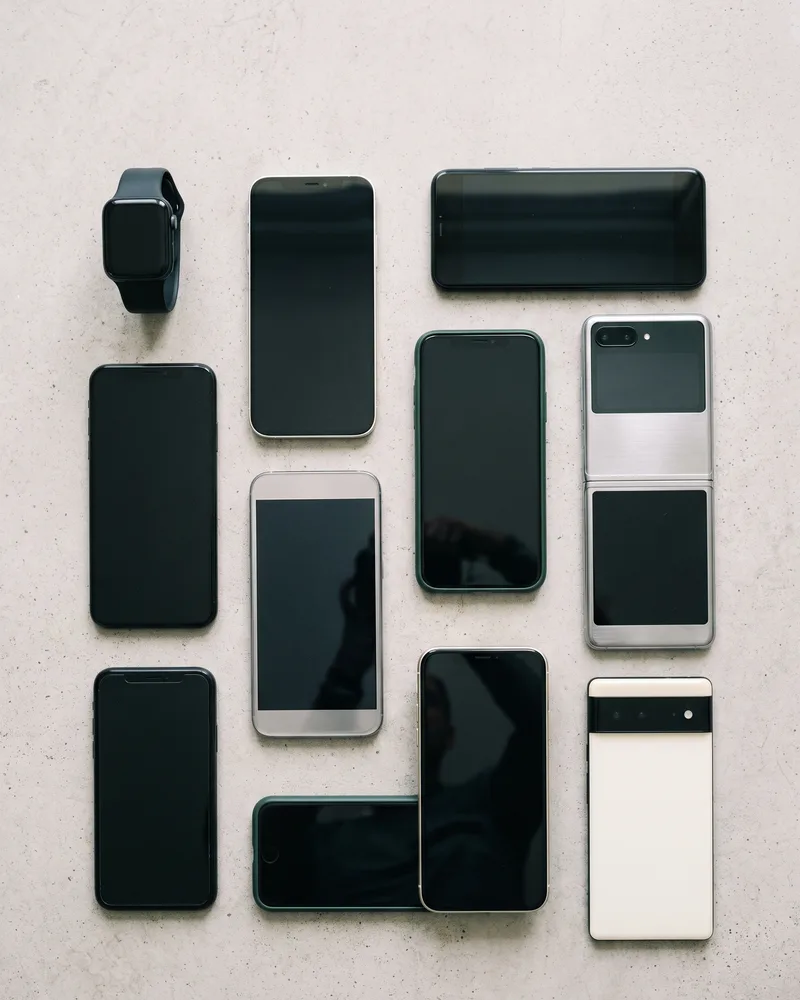
We have successfully developed over 100 Android and iOS apps, distributed across the world and supporting several languages.
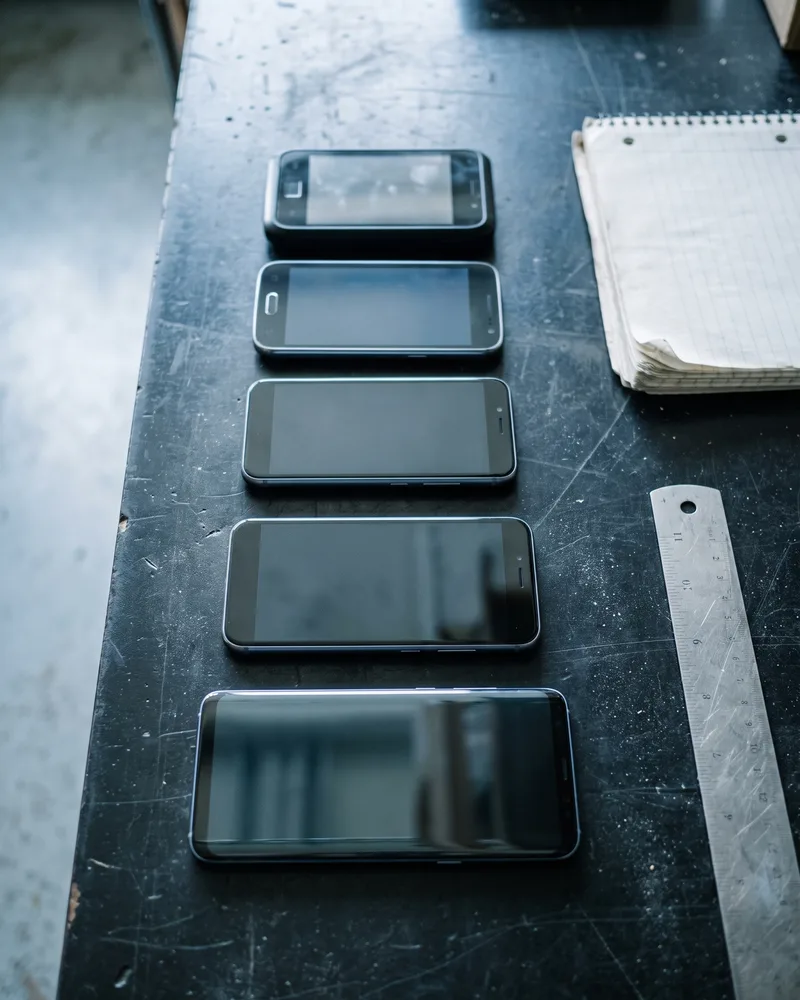
We have been designing and developing mobile apps for over a decade, across the full range of Android hardware.
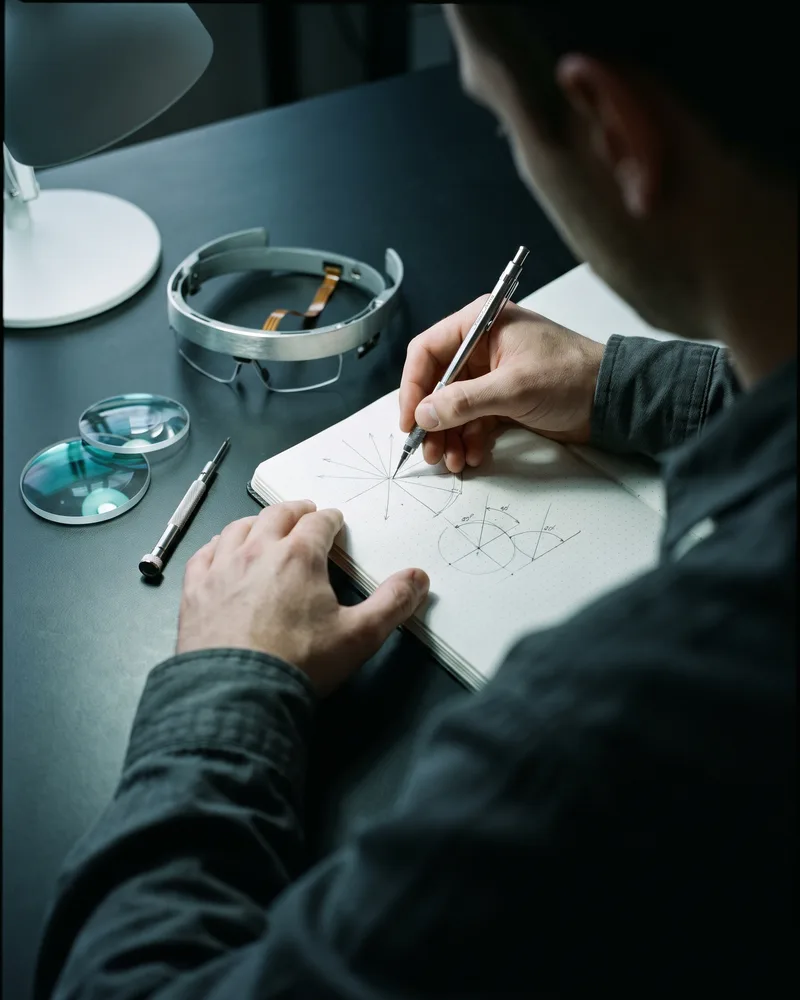
We hold seven published technology patents in augmented reality and machine learning.
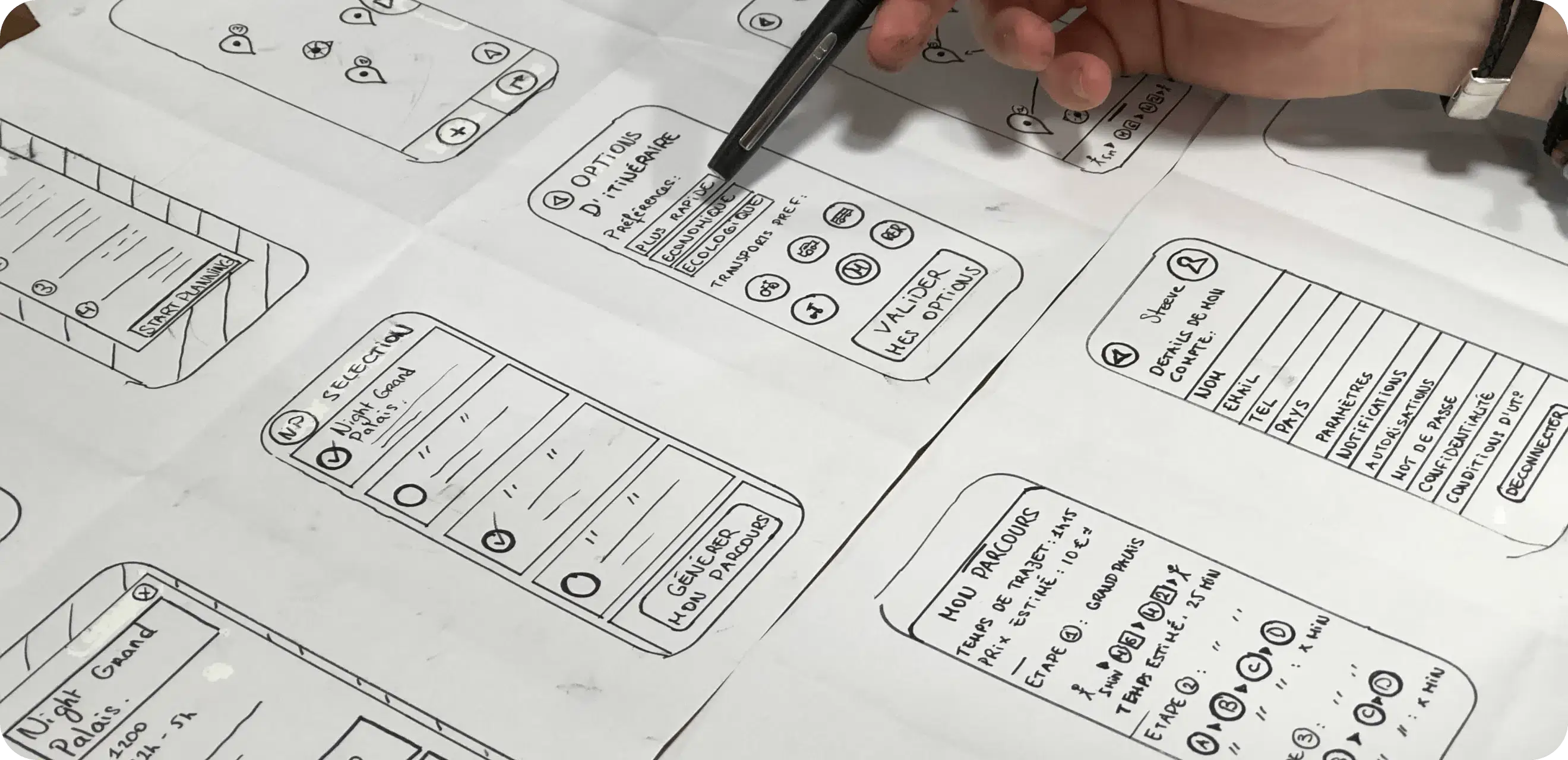
User experience decides whether an Android app gets opened a second time. We start with the business and the audience, then map the paths people will actually take through the product — across the range of screen sizes, densities and OS versions Android ships on.
Every design decision is validated against that journey rather than against a mood board. Android’s device diversity is the hard part: a layout that works on a Pixel has to hold up on a budget handset and a Samsung tablet, so we design with the platform’s own conventions — back navigation, edge-to-edge insets, accessibility scaling — built in from the start rather than bolted on at the end.

Android app design is where a product’s brand identity meets the platform’s own visual language. We work to Material Design 3 so the result feels native to the device instead of like a ported iOS layout, and the interface is resolved in Figma before engineering starts.
Our design team begins with the business objective and the target audience, then works outward: colour, type, motion and navigation all chosen against the brand and the platform. Because Android spans Pixel phones, Samsung tablets and Wear OS watches, layouts are built responsive from the first screen rather than retrofitted. The design system we hand over keeps later features consistent with the ones we shipped.
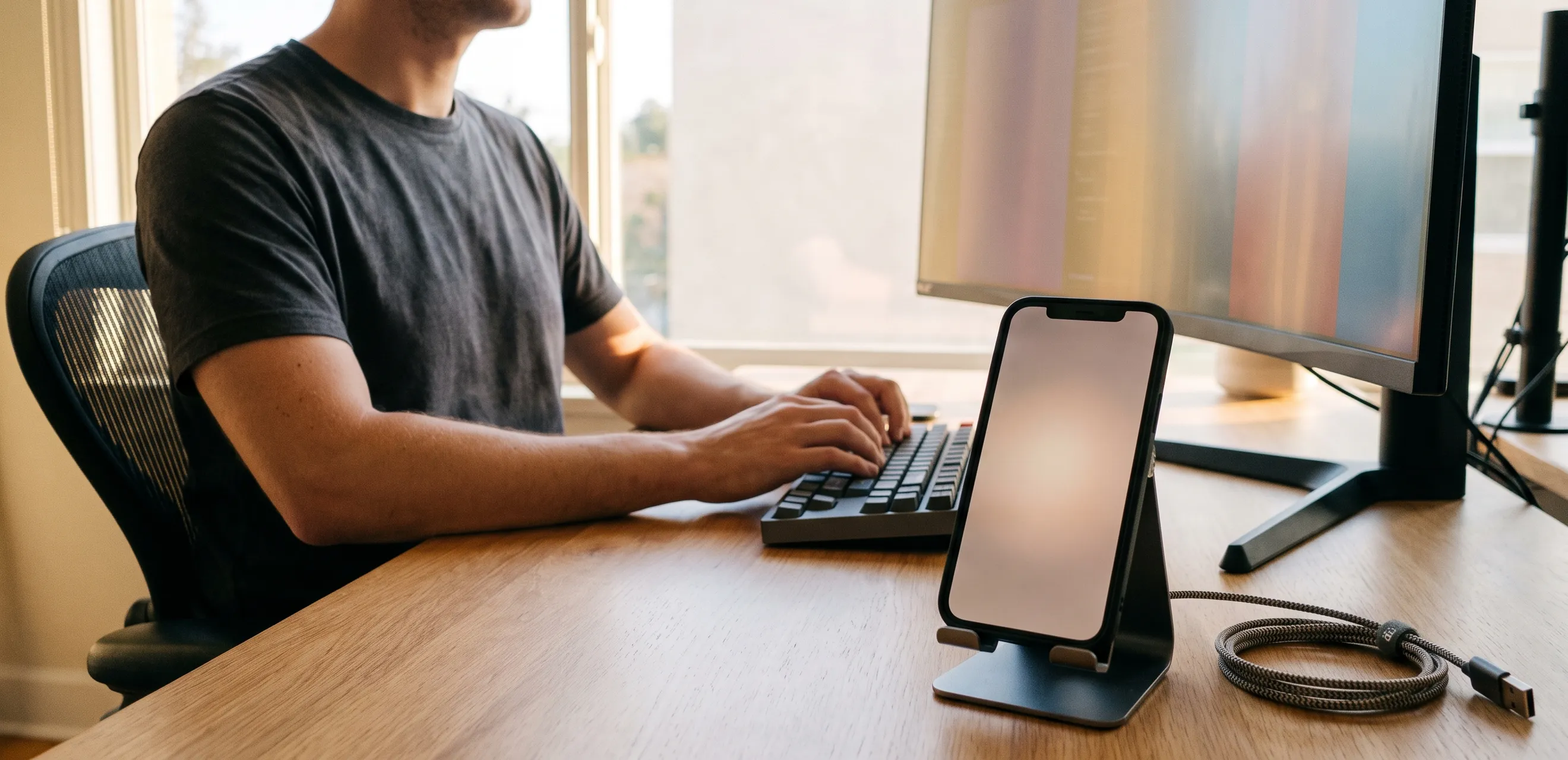
Development runs in Kotlin with Jetpack Compose in Android Studio, on an architecture chosen for the app’s actual lifespan rather than for whatever demos fastest. Work starts from a clear read of the client’s vision, the business model and the audience.
Every step from the first design draft to the Play Store release is reviewed. Recognising the range of devices, from Google smartphones to Samsung tablets, we build against platform-specific behaviour, test on real hardware, and release through the Google Play Console with staged rollouts — so a regression reaches a fraction of users instead of all of them.
Client happiness has been our top priority for over a decade. We listen intently to clients and their customers, assume nothing, and fearlessly create innovative solutions. Relentless dedication ensures the perfect outcome.
 Gabe CostaLogitech
Frame Sixty was a great partner in supporting our Apple Vision Pro initiative. Their mixed reality team brought strong technical expertise and a clear understanding of the Apple ecosystem. They were friendly, committed, and easy to work with throughout the process. Most importantly, they delivered on time and met our expectations, making the collaboration smooth and efficient from start to finish.
 Stephen RuizSMR Consulting
They handled everything incredibly well.
Frame Sixty, LLC helped the client engage influencers and brick-and-mortar retailers. They ensured agile project management and completed the beta version on time and within budget, exceeding the client’s expectations. Frame Sixty, LLC’s flexibility and resourcefulness were hallmarks of their work.
 Nick AlfieriBlitz Media, LLC
They work with an incredible urgency, getting tasks done with a great turnaround and creative problem-solving that saves us time and money.
Frame Sixty, LLC has successfully improved the app with luxury features and enhanced its speed and overall UI/UX. The team ensures a transparent workflow by working efficiently and providing valuable insights and guidance. Their keen understanding of the client’s vision and goals stands out.
 Justin HosekHosek Enterprises
Frame Sixty far exceeded my expectations on design. They also went above and beyond to add some features that were not in our original scope but were discovered as needed during the build.
They always delivered on time or early. They were available night and day for any needs I might have had.
All of the staff are intelligent with great attitudes, which makes the entire process quick, easy and enjoyable.
 Dave M.The Image Resolution
Frame Sixty was instrumental in transforming my vision of an XR 3D movie streaming app into reality, guiding me through every stage of the process. With deep expertise in AR/VR development, they supported everything from initial ideation to design and Unity development, ultimately achieving a successful launch on the Meta Oculus Store. The synergy of their spatial design skills and the technical depth of their senior Unity engineers made for a collaboration that was both professional and personable. Their commitment and industry knowledge were key in bringing my project to life.
 Walter MarquezWalter Marquez Miami
Frame Sixty was instrumental in swiftly developing my responsive WordPress website. Their meticulous approach to detail and support in account creation and configuration ensured a seamless website launch.
This exceptional team, led by experienced senior developers and project managers, not only displayed technical proficiency but also guided me through content creation for each page. Regular communication facilitated timely delivery of the website. I’m excited to collaborate with Frame Sixty in the future.
 JustiniRobot
In the 20 years that I have been developing technical products, this was the very first time that a developer successfully deployed code to an IoT device that worked the very first time without any bugs or prior testing.
Common questions about building an Android app with Frame Sixty — what it costs, how long it takes, how native Kotlin compares to cross-platform, and how Wear OS and connected-device work differ from a standard phone app.
The cost of an Android app depends on scope: a single-flow MVP is a different budget from a multi-role product with a backend, device integrations and a release cadence. Project work is quoted as a fixed bid after a discovery call, so the full cost is clear before development begins. A 30-minute call produces an accurate range for your idea.
A focused Android app typically takes three to four months from kickoff to Google Play; larger products with backends and multiple user roles run six months or more. Design and engineering overlap rather than running end to end, and we ship an installable build every one to two weeks so progress stays visible.
Build native Kotlin when performance, device APIs or long-term maintainability matter — camera work, Bluetooth and BLE, background services, widgets and Wear OS all behave better natively. Cross-platform earns its place when the same straightforward app has to ship on Android and iOS at once. We build both and will tell you which one your project actually needs.
Yes — most of our clients ship both. We run them as one project with shared product design and backend work, then build each front end natively so neither platform feels like a port. See our iOS app development work for the other half; the same team covers it.
Yes — Google Play Console setup, signing, data safety declarations, store listing assets and the review process are part of every build we deliver. We release with staged rollouts so a problem reaches a small percentage of users first, and we monitor the vitals dashboard after launch.
Yes — Wear OS is one of our specialisms. We build watch apps in Kotlin with Compose for Wear OS, using Health Services for sensor and workout data and tiles and complications for the glanceable surfaces people actually use. Most share a codebase with their phone app rather than shipping as a separate project.
Yes, and it is some of our strongest work — the Android app is usually the control surface for hardware someone else is building. We handle BLE and Wi-Fi pairing, firmware update flows, offline state and the real-world edge cases that only appear once a device is in a customer's home. Our team built the companion experience for iRobot.
You own your Android app and its full Kotlin source code once development is complete, and Frame Sixty signs NDAs before you share anything sensitive. The source ships as part of the final deliverable with documentation any future Android developer can pick up, so you are never locked into working with us.
We have shipped 100+ apps with more than 10 million downloads, hold seven published technology patents, and have been building mobile products for over a decade — including connected-device work for iRobot. You work directly with the engineers building your app rather than through an account layer. Web, mobile and AR sit in one team, so a project that also needs a custom web application does not need a second agency.
We’re interested to see how we can help. Send us a message and we will get back to you within 24 hours.
Get the latest tech news and updates for mobile, web and Apple Vision Pro delivered to your Inbox.