
InsightsNews180 Articles
Developer News
Buyer's guides, platform breakdowns, and what actually ships — from the Frame Sixty team building Vision Pro, Android XR and AR apps for clients.
 What Is a Native App vs a Web App? Differences, Costs, and How to ChooseThe difference between a native app and a web app comes down to where the software lives and what it can reach. A native app is built for one platform, iOS or Android, installed from an app store, and granted full access to device hardware. A web app runs inside a browser, works across phones, tablets, and desktops from a single codebase, and needs no app-store install or approval.Continue reading →
 How to Choose an AI Healthcare App Development Company: Cost, Compliance, and Red FlagsAn AI healthcare app development company builds patient-facing and clinical software that runs machine learning under HIPAA, FDA, and EHR constraints, and the right one is defined less by its AI stack than by its compliance architecture. Choosing well comes down to three questions: does the vendor match your build complexity, do they treat regulation as day-one architecture, and will they show real cost and timeline numbers before you sign?
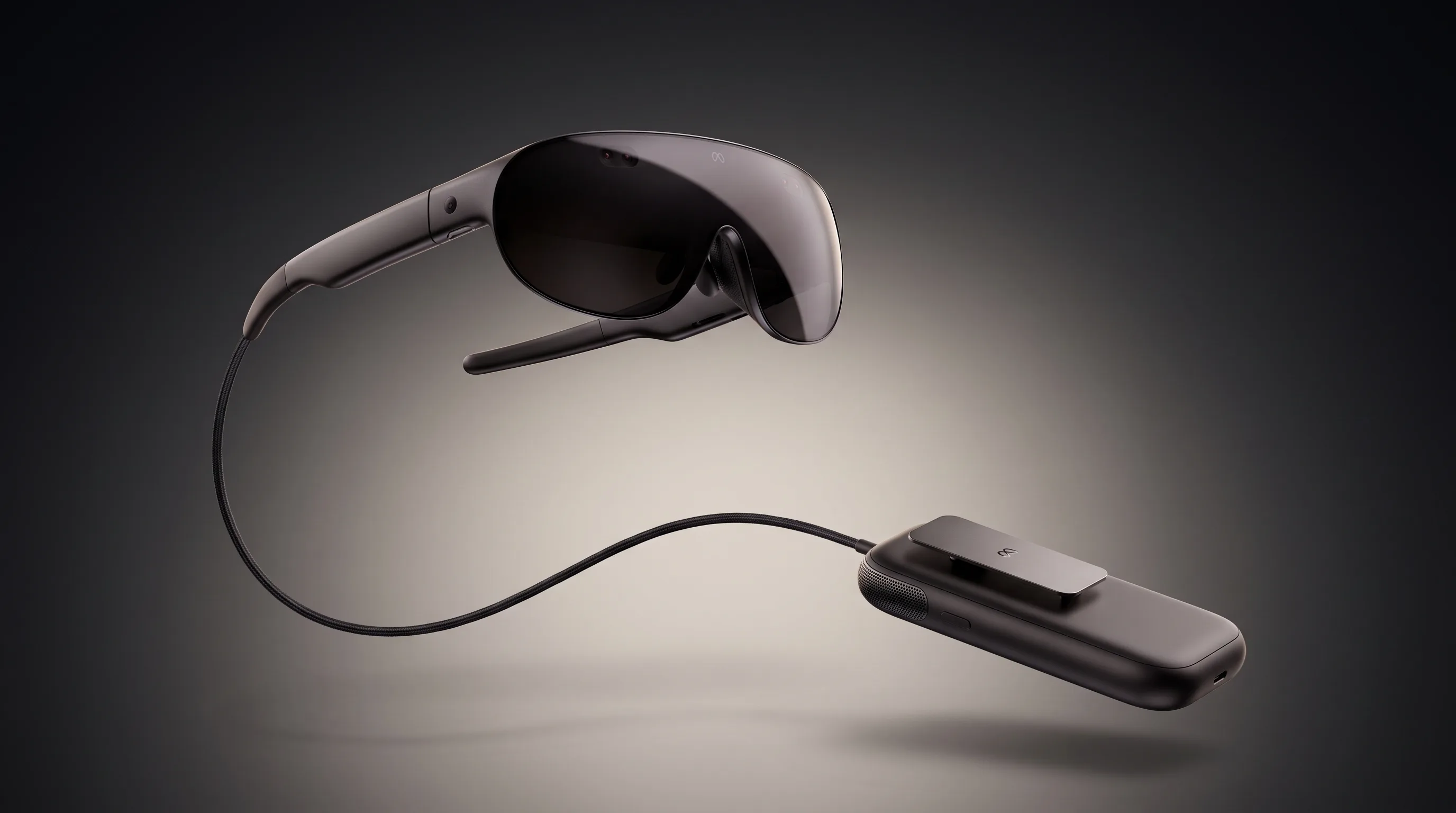 Meta VR Glasses: Specs, Price, and Enterprise ImpactMeta VR Glasses, announced at Meta Connect 2026, are a 100-gram virtual reality headset that moves the processor and battery off your face and into a puck in your pocket. They pair dual micro-OLED displays at 37 pixels per degree with eye, hand, and voice input, run every existing Meta Quest app, and cost $1,299.99 when they ship in spring 2027. For businesses weighing XR hardware, the question is not whether the glasses are impressive. It is whether they are a Quest 3 successor, an Apple Vision Pro rival, or a new category, and what that means for projects being scoped today.
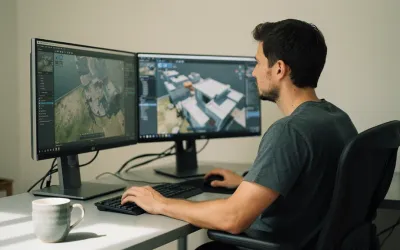 Metaverse Application Development: Tech Stack, Costs, and Build-vs-Buy FrameworkMetaverse application development is the process of building a persistent, multi-user 3D environment that runs in real time across headsets, phones, or browsers. It combines five technical layers: a 3D engine, avatar and identity systems, a multiplayer networking backend, monetization, and an optional blockchain layer. This guide explains what each layer involves, what a build costs, and how to decide whether to build in-house or hire out.Read →
 Indoor Navigation Solution: Technologies, Build Approaches, and Real Deployment CostsAn indoor navigation solution is a system that guides people through a building the way GPS guides them through a city, built from three layers: an indoor positioning layer, a routing engine, and a mobile or web interface. GPS signals fail indoors, where people spend roughly 87% of their time, according to Lawrence Berkeley National Laboratory data cited by Zappar. So these systems locate users with Bluetooth, WiFi, ultra-wideband, or the phone camera instead. A pilot floor can start near $20,000 in a few weeks; a full-campus rollout runs $150,000 to $300,000 or more over 6 to 12 months.Read →
 How Much Does Mobile App Development Cost in 2026?Mobile app development costs between $15,000 and $500,000 or more, depending on complexity. A simple app with basic features runs $15,000–$50,000. A medium-complexity app with user accounts and API integrations costs $50,000–$150,000. A complex or enterprise-grade build with native iOS and Android, real-time features, and compliance requirements starts at $150,000 and can exceed $500,000. Platform choice, feature scope, and team location move you within that range.Read →
 What Is an AR Business Card? Cost, How It Works, and When to Hire a StudioAn AR business card is a physical business card that launches an augmented reality experience — a video, a 3D model, or an interactive portfolio — when someone scans it with a phone camera. Most cards today use WebAR, so the recipient needs no app and no download. Pricing runs from free on DIY platforms to roughly $8,000 or more for a fully custom studio build.Read →
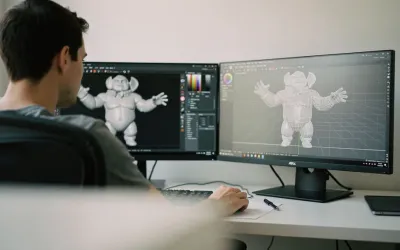 3D Artists for Hire: Where to Find Them, How to Vet Them, and When to Use a Studio3D artists for hire fall into three sourcing channels: self-serve freelance marketplaces, curated talent platforms, and managed studios. The right channel depends on your project's scope, the specialization you need, and how much delivery risk you can absorb. This guide covers where to find qualified 3D artists, how to read a portfolio, and when a managed engagement beats hiring solo.Read →
 How to Estimate Software Development Cost: Methods, Accuracy Ranges, and a Step-by-Step GuideTo estimate software development cost, you pick an estimation method matched to how well the project is defined, then express the result as a range instead of a single figure. Early on, use top-down (analogous) estimation. Once requirements exist, switch to bottom-up or parametric estimation, with three-point (PERT) math to turn each number into a range. Accuracy tightens by stage: rough order of magnitude at -25% to +75%, budgetary at -10% to +25%, and definitive at -5% to +10%, per PMBOK.Read →
 What Is VR in Retail? Use Cases, Costs, and ROI ExplainedVR in retail is the use of head-mounted displays or browser-based 3D environments to let shoppers explore products, let staff rehearse procedures, and let merchandisers design store layouts without a physical space. Retailers deploy it four ways: virtual showrooms, in-store and pop-up brand activations, employee training simulations, and store design and category testing.Read →
 How to Hire Mixed Reality Developers in 2026: Skills, Costs, and Red FlagsMixed reality developers build applications that blend digital content with the physical world across augmented reality, virtual reality, and spatial computing hardware. Hiring one well comes down to three decisions: the engagement model you pick (freelance, agency, or in-house), a portfolio that proves shipped work on your target device, and a budget that treats 3D content as the largest line item. This guide covers each in turn.Read →
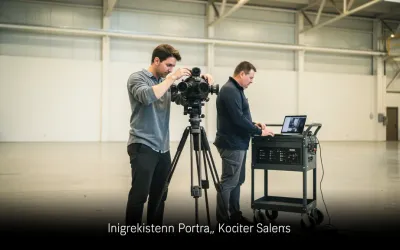 How Much Does 360 Video Production Cost? A Studio Buyer's Guide360 video production costs between $2,000 and $50,000 or more per project, with most commercial-grade work landing between $5,000 and $20,000, according to Outsource Services India's 2026 pricing guide. This guide answers what drives that range, how long a project takes, which delivery platforms you can target, and how to vet a studio before you sign. It is written for the marketing, training, or events manager comparing production partners, not for someone learning how a 360 camera works.Read →