
What Is a Virtual Reality Agency? A Buyer's Guide to Choosing One
Oct 27, 2026

15 MIN READ
A virtual reality agency is a software studio that designs, engineers, and ships custom VR applications for a client’s end users. It is not an arcade, not a headset manufacturer, and not a directory of vendors. The term collects all three, which is exactly why buying is hard. This guide is for teams that have decided to build VR and now need to choose who builds it.
Search the phrase and you get a mess. Google’s top result is usually a local pack of VR arcades. Below that sit aggregator lists and a Reddit thread or two. A procurement team that has budget approved and a use case in hand will not find a straight answer about how to vet a development partner, because almost no one has written one. The confusion between an arcade and a development studio is not a trivia point. It is the first thing that sends buyers to the wrong vendor.
Here is the position this guide defends: a demo reel is the least reliable thing you can judge a virtual reality agency on. The evidence that predicts whether a vendor can actually ship is a deployed, on-device project you can reference, plus contract terms that say who owns the source code when the work is done. Everything else is sales.
Key Takeaways
- A virtual reality agency builds custom VR software; a VR arcade sells consumer play sessions. One search term surfaces both, which is why vendor selection goes sideways.
- Meta held 69.2% of the combined AR/VR and smart-glasses market in Q1 2026 (IDC), making Meta Quest 3 the default enterprise deployment target.
- Over 75% of Fortune 500 companies had adopted VR for training by 2026 (Treeview), so the market has moved well past pilots.
- Custom VR builds run $50K–$150K for a focused MVP and $150K–$500K for enterprise applications (Virtualverse, 2026), with labor at 80–90% of total cost.
- Shipped deployments predict delivery better than demo reels. Confirm ownership of source code and 3D assets in writing before you sign.
What Is a Virtual Reality Agency?
A virtual reality agency is a studio that builds bespoke VR software: it handles concept, 3D art, engine development, hardware optimization, testing, and post-launch support for applications a client deploys to its own users. The output is custom code and assets, not a venue or a product you buy off a shelf. Three very different business types share the “VR” label, and telling them apart is the first job of any buyer.
VR Development Agency vs. VR Arcade
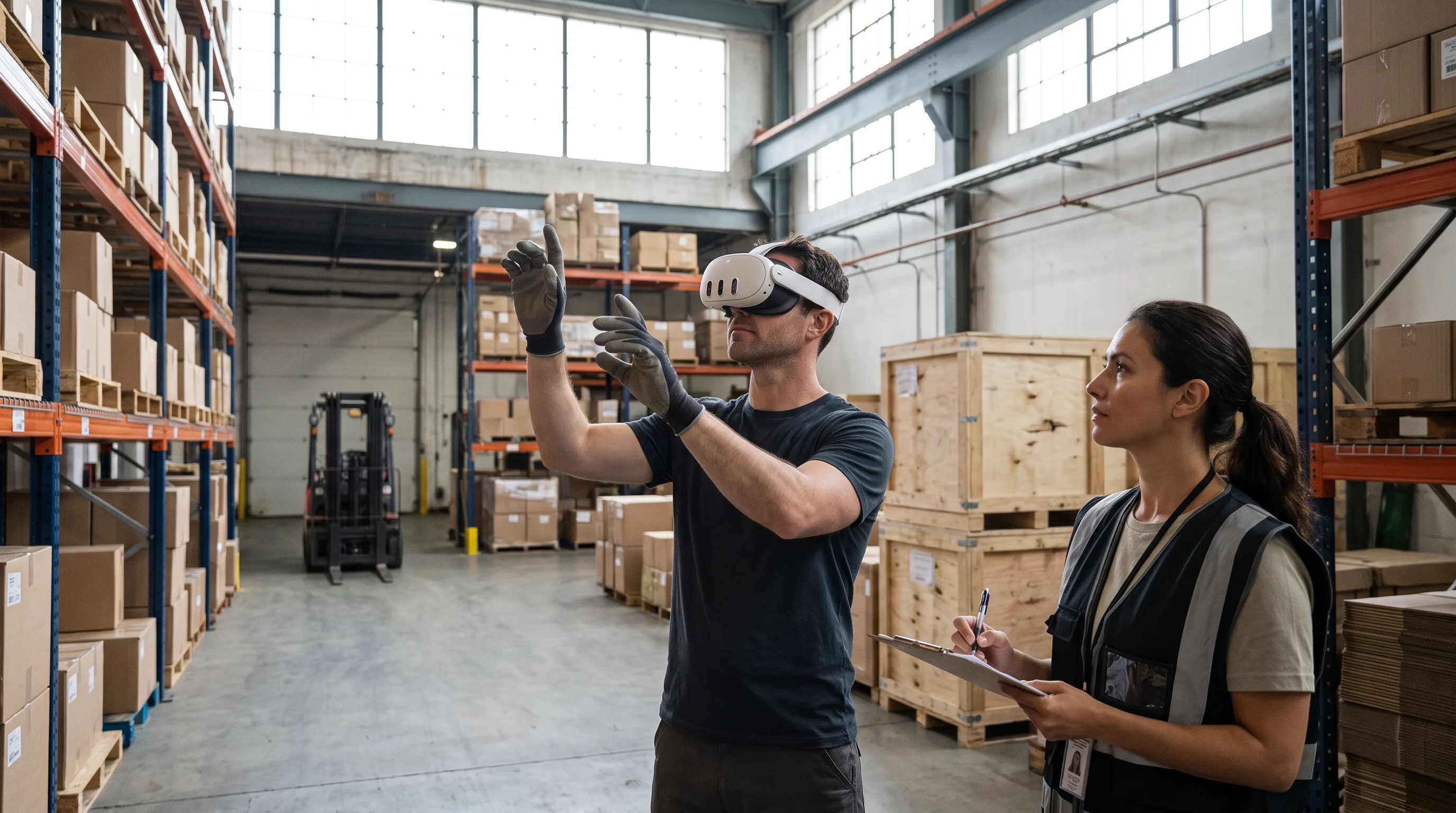
A VR development agency and a VR arcade are different businesses that happen to share two letters. A VR arcade, such as Zero Latency VR or Sandbox VR, is a location-based entertainment venue: customers walk in, pay for a session, and play experiences the venue licensed or bought. A virtual reality agency writes software for a client to deploy to that client’s own workforce or customers. One sells tickets. The other sells engineering.
| Attribute | VR Development Agency | VR Arcade (LBE) |
|---|---|---|
| Core business | Custom software and experiences | Consumer play sessions on-site |
| Buyer | Enterprise, brand, product team | Walk-in consumers |
| Deliverable | Source code, 3D assets, deployed app | A timed experience at a venue |
| Where it runs | Your headsets, your facility | Their physical location |
The reason this matters: when an enterprise team searches “virtual reality agency” and lands on an arcade’s page, it wastes a cycle. The categories are adjacent in name and nowhere near each other in function.
VR Agency vs. “Top VR Companies” Directory Sites
A “top VR companies” directory is a third category again: an aggregator or listing site that ranks many vendors but builds nothing itself. Sites like Clutch publish these roundups, and they are useful for discovery. They are not a substitute for evaluating a development partner, because a directory cannot tell you whether a given studio ships on-device work or writes clean contracts. If you want a map of the landscape first, a 2026 overview of the best virtual reality companies orients you across hardware makers, platforms, and studios. Use it to build a shortlist, then evaluate each name with the framework below. A list gives you candidates. It does not give you a decision.
What Does a VR Agency Actually Build?
A virtual reality agency builds custom applications across six recurring categories: workforce training simulations, product demos and sales enablement, digital twins and industrial visualization, healthcare and surgical training, marketing and brand experiences, and architectural walkthroughs. For each, the studio does the same spine of work: concept and UX, 3D asset creation, engine integration in Unity or Unreal Engine 5, hardware-specific optimization, quality assurance on the target device, and a post-launch update path. The category is the use case. The spine is the craft.
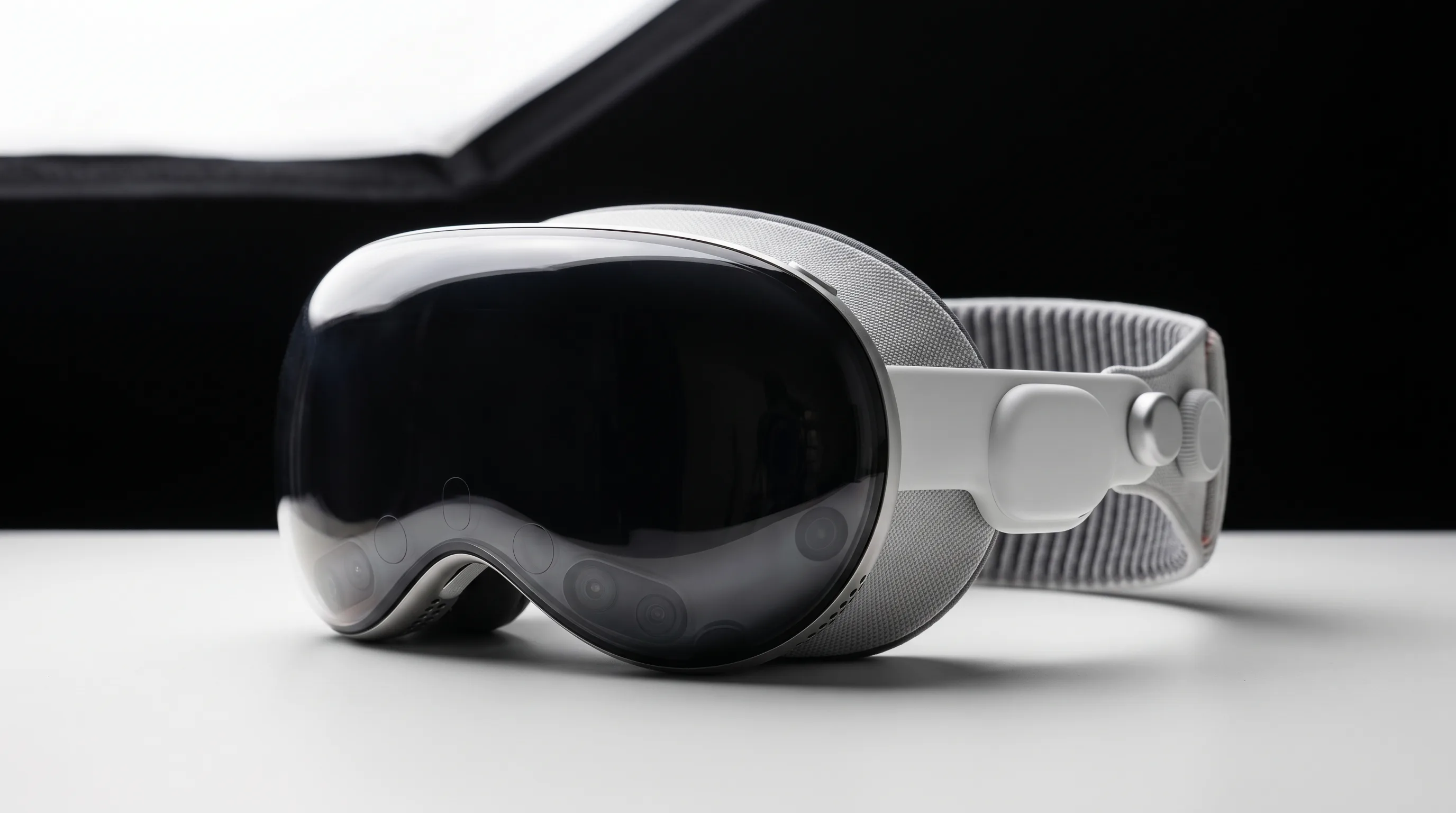
Training is the largest category by demand, and the numbers explain why. Over 75% of Fortune 500 companies had adopted VR for training and education by 2026, according to Treeview’s 2026 review of VR development companies. The effectiveness data is older but widely cited: a 2020 PwC study of more than 1,600 enterprise managers found VR learners trained four times faster than in a classroom and were 275% more confident applying what they learned, figures compiled in Ludus Global’s 2026 VR training statistics. Medical programs show similar gains; HQSoftware’s January 2026 roundup documents a 63% improvement in knowledge retention for VR-based medical training against traditional methods.
The services themselves are concrete, not abstract. A studio’s engineers model the environment, wire up interaction logic, tune comfort and locomotion, and ship a build that holds frame rate on the headset you deploy. Frame Sixty, an AR/VR and spatial computing development studio, publishes its own catalog of these services, from enterprise VR training and simulation to product demos and healthcare applications. The point of hiring a development agency rather than a reseller is this: the agency builds around your specifics, your facility, your hardware, and your compliance needs, instead of fitting you into a pre-packaged template.
Which Platforms Should Your VR Agency Support?
Platform expertise is the single least transferable skill in VR development, and a buyer should treat it that way. An agency fluent in Unity on Meta Quest is not automatically competent on visionOS for Apple Vision Pro; the input models, performance budgets, and store requirements differ. Treeview’s 2026 criteria hold that a genuine multi-platform partner should demonstrate shipped work across Apple Vision Pro, Meta Quest, Magic Leap, Android XR, and PICO. For a deeper walk through platform and engine selection, Frame Sixty’s virtual reality development guide covers the tradeoffs. The three tiers below cover where most enterprise projects actually land.
| Platform | Best-fit use case | Deployment model |
|---|---|---|
| Meta Quest 3 / Quest 3S | High-volume training, broad rollout | Managed via Meta Quest for Business |
| Apple Vision Pro | High-fidelity, high-stakes, premium | Small-scale, premium deployments |
| PICO 4 Enterprise | Managed volume, MDM control | Enterprise MDM, non-Meta ecosystem |
Meta Quest 3 and Quest 3S: Enterprise Volume
Meta Quest 3 and Meta Quest 3S are the default enterprise deployment targets in 2026. Meta held 69.2% of the combined AR/VR and smart-glasses market in the first quarter of 2026, per IDC data cited in SQ Magazine’s VR statistics, which gives the Quest line the widest fleet-management tooling and the deepest pool of experienced developers.
One data point gets misread constantly. Dedicated mixed and virtual reality headset shipments fell 42.8% in 2025 even as total XR device shipments rose 41.6%, according to the same IDC figures. That is not a VR market in retreat. It is a market where cheap smart glasses now ship in volume alongside headsets, shifting the mix rather than shrinking the demand for enterprise VR software. When you evaluate a Quest-focused agency, ask whether it has shipped to the Horizon Store and deployed through mobile device management, not just built demos.
Apple Vision Pro: Spatial Computing at the Premium Tier
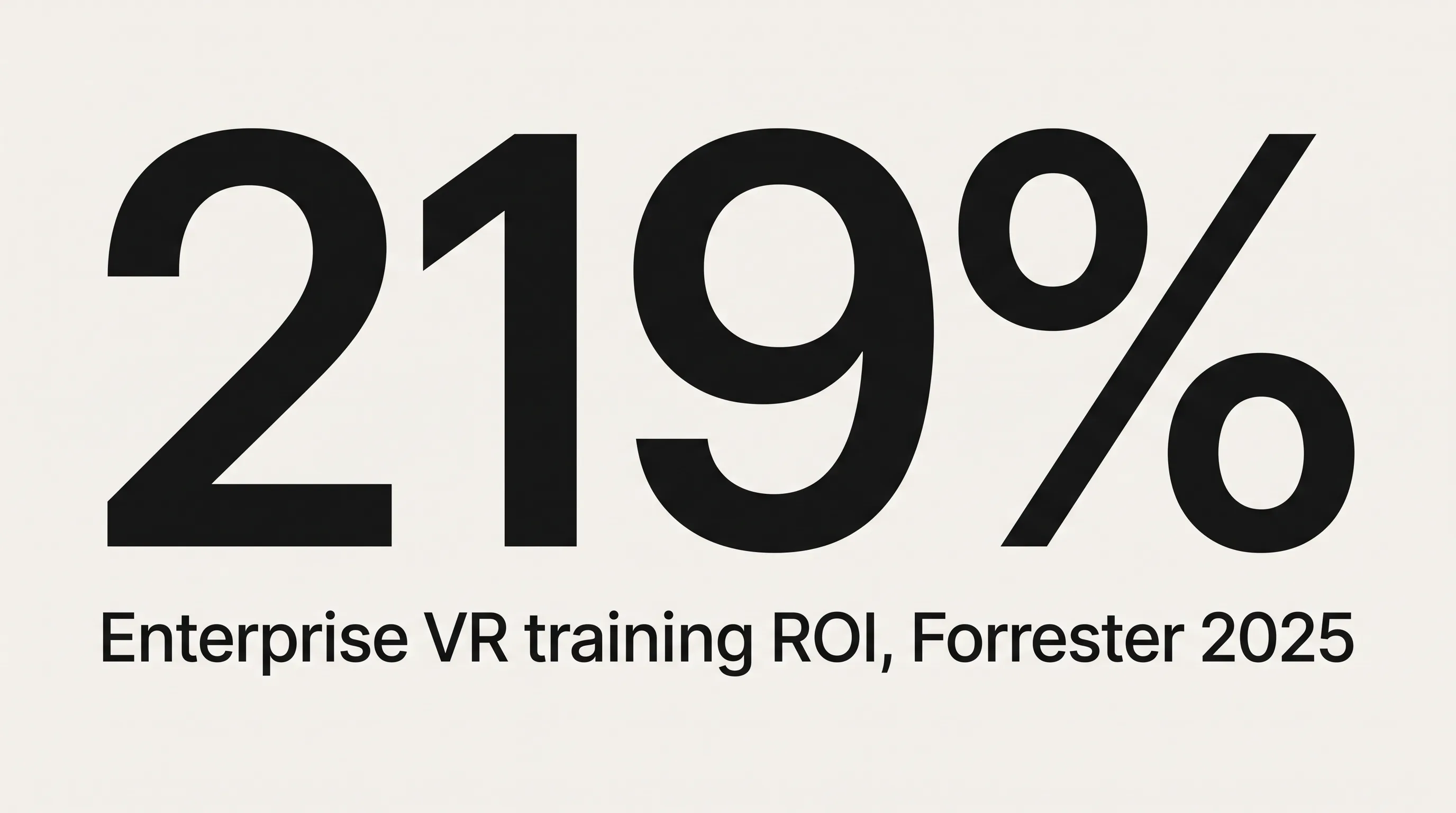
Apple Vision Pro targets high-fidelity, high-stakes applications: surgical rehearsal, executive briefing centers, precision engineering review. The hardware’s eye tracking and hand gestures enable interaction models that cheaper headsets cannot match, and visionOS brings spatial audio and a tightly controlled runtime.
There is a catch an honest agency will raise unprompted. Apple Vision Pro shipped roughly 45,000 units in 2025 after Apple reportedly curtailed production, a figure reported by The Register and compiled in DemandSage’s 2026 VR statistics. For a boardroom pilot, that scarcity is irrelevant. For a thousand-seat rollout, it is a real supply risk, and an agency that pitches Vision Pro for mass deployment without naming the constraint is selling, not advising. Frame Sixty’s perspective on where the device fits in the broader shift toward spatial AI and real-world computing frames it as a premium tool, not a volume platform.
PICO 4 Enterprise, Android XR, and Managed Deployments
PICO 4 Enterprise suits organizations that want managed, high-volume deployments with full MDM control and no consumer-platform lock-in. Samsung Galaxy XR, built on Android XR, is the 2026 entrant that pulls Google’s ecosystem into the category, while WebXR covers browser-based experiences that need no installed app. Magic Leap 2 remains relevant for specific enterprise optics and enterprise AR cases.
The buying lesson here is about risk, not brand preference. As the team at MADXR put it in their July 2026 buyer’s guide, “a vendor locked to a single manufacturer…is transferring platform risk to you.” If your agency can only build for one headset line, a discontinued device becomes your problem, not theirs. Ask directly about shipped work on non-Meta platforms before you assume breadth.
Need help scoping a VR project?
We are here to help!
What Does It Cost to Hire a Virtual Reality Agency?
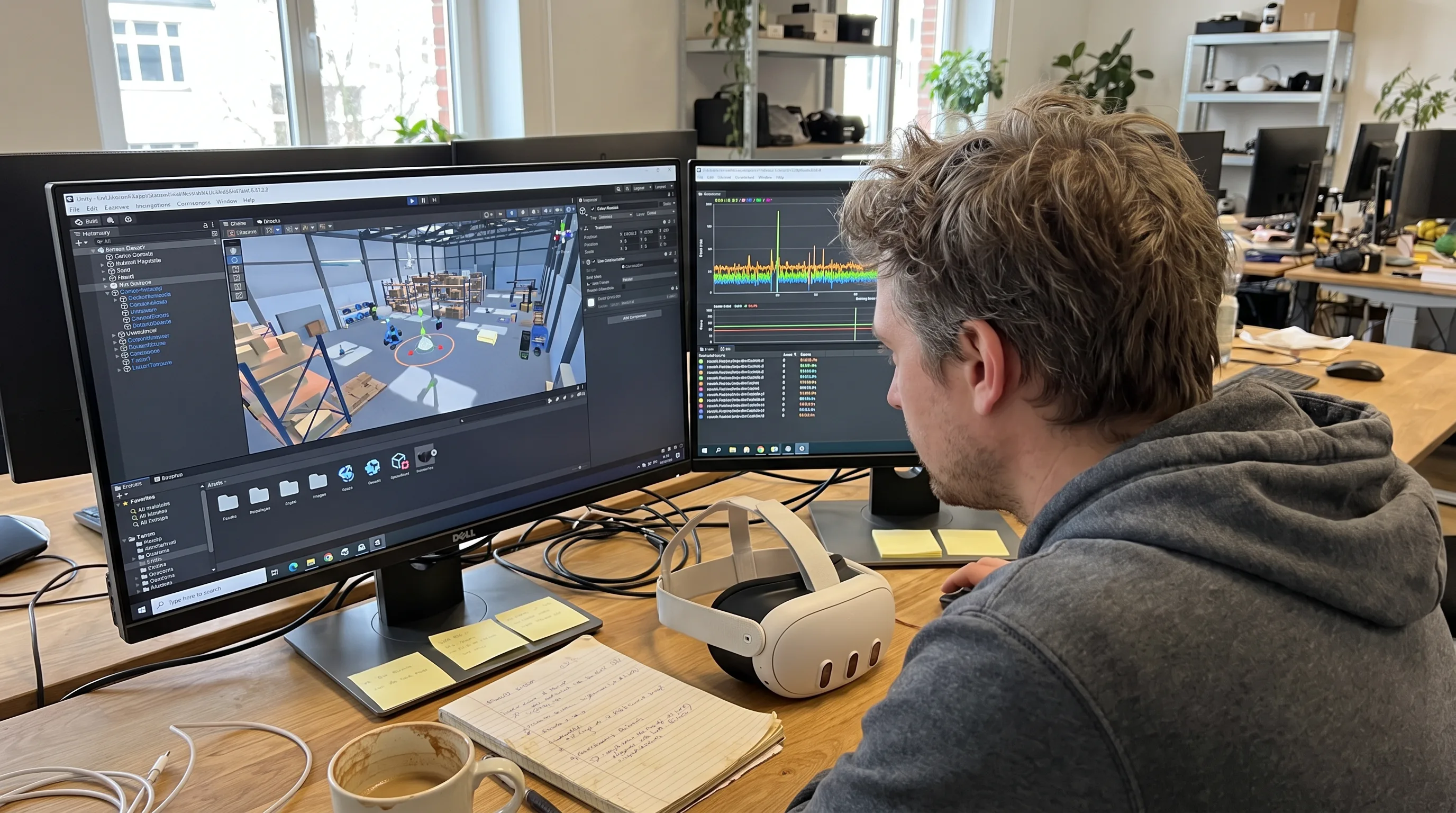
Hiring a virtual reality agency in 2026 costs roughly $50,000 to $150,000 for a focused MVP on one platform, $150,000 to $500,000 for an enterprise application with multiple scenarios and reporting, and $300,000 or more for high-fidelity environments with localization, according to Virtualverse’s April 2026 cost breakdown. Plan for 15% to 25% of the build cost per year in ongoing maintenance. These are planning bands, not quotes.
| Project tier | Typical range (2026) | What you get |
|---|---|---|
| Focused MVP | $50K–$150K | One platform, limited interactions |
| Enterprise application | $150K–$500K | Multiple scenarios, reporting, integration |
| High-fidelity experience | $300K–$1M+ | Bespoke environments, localization |
The headline number hides the thing that actually matters. Labor accounts for 80% to 90% of a VR build, which means the real cost driver is who does the work and for how many hours, not a line item for software. Two agencies quoting $200,000 can staff that budget very differently: one with named senior engineers at a stated allocation, the other with whichever junior developers are free that month. Ask for the team composition behind the number. The spend tells you less than the staffing does.
The return can justify the spend. A 2025 Forrester Total Economic Impact study commissioned by Meta found enterprise VR training delivered a 219% return on investment with payback in under six months. For the full cost-and-process breakdown, including discovery scope, engine choice, and timeline, Frame Sixty’s companion guide, How Do You Choose a VR App Development Company?, goes deeper than this section, and its wider virtual reality development guide models cost against ROI.
How to Evaluate a Virtual Reality Agency
Evaluating a virtual reality agency works best as a two-layer filter: first screen for shipped, on-device work, then assess depth of fit on platform, industry, and process. The first filter removes most candidates fast. A studio either has deployed applications you can reference or it has a reel of trade-show pieces, and only one of those predicts whether your project ships. Frame Sixty’s own XR development agency services page is a useful shape to compare against: named platforms, concrete deliverables, stated project ranges.
Technical Depth: Shipped Deployments Over Demo Reels
Technical depth in a virtual reality agency shows up as shipped, headset-tested deployments, not polished demo videos. The minimum bar is a live app on a store or a managed enterprise deployment the agency can point to, ideally in your modality. As ThePrimeVR argued in its June 2026 guide to choosing a VR software development company, “Impressive demos poorly predict deployment success. Real differentiation emerges through enterprise shipping history, post-launch support, and contractual clarity.”
Four technical signals separate a studio from a reseller. First, named platform credentials, such as Meta Work Partner or Pico Business Partner status. Second, engine depth; a studio should explain why it would pick Unity or Unreal Engine 5 for your project, a tradeoff Frame Sixty lays out in its comparison of metaverse and spatial development tools. Third, and the fastest tell of all: frame-rate discipline. A real VR developer talks in concrete targets, a locked 72 frames per second on Quest or 90 on Vision Pro, never “smooth” or “optimized.” Fourth, device QA. If testing happens only in the Unity editor and never on physical hardware, motion sickness and broken interactions reach your users.
In our own Vision Pro work at Frame Sixty, that frame-rate discipline is not a talking point, it is the daily constraint. We built a mesh highlight system for Apple Vision Pro that uses the headset’s eye tracking to spotlight areas of a 3D model as a user looks at them, and a VR medical scan viewer that renders MRI and CT data as interactive 3D volumes rather than flat slices. Both live or die on holding the visionOS frame budget while rendering dense geometry, which is why we test on the device at every milestone instead of trusting the editor.
Industry Fit, Process Transparency, and Post-Launch Commitment
Beyond raw technical skill, a virtual reality agency should fit your industry, work transparently, and commit past launch. Industry fit is real: a manufacturing safety simulation and a retail product demo demand different UX instincts, so ask for work in your vertical, not VR in general. Process transparency means milestone-based deliverables with a reviewable build every sprint, which ThePrimeVR notes is essential for managing VR risk; vague cadence becomes no cadence within three weeks.
Post-launch commitment is where pilots and production diverge. Because 51% of companies had integrated VR into strategy or a dedicated business unit by 2022, per PwC figures in SQ Magazine’s statistics, the market now expects agencies with post-launch history, not just launch history. Ask what the update path looks like when a procedure changes or a headset line is discontinued, and get the support SLA in writing.
Our multi-platform QA process at Frame Sixty reflects this directly. Across more than 100 shipped apps on Meta Quest and Apple Vision Pro, we run hardware testing on the actual target devices at each milestone, because a build that behaves in the Unity editor can still induce discomfort or drop frames once it runs on a headset strapped to a person’s face. That is also why we scope the post-launch update path before a project starts: firmware updates and OS releases will break something eventually, and the plan for that belongs in the contract, not in a panicked email six months after handoff.
Six Questions to Ask Every VR Agency Before You Sign
Six questions separate a safe virtual reality agency engagement from a risky one, and each has an answer that should make you comfortable or send you walking. These are drawn from practitioner guides including Tornado Studios’ list of vendor questions and MADXR’s 2026 buyer’s guide, adapted for a software-development engagement rather than a packaged product.
| Question | What a good answer sounds like |
|---|---|
| Can we speak to a client with a 12-month-old deployment? | Yes, with a named reference and contact |
| Who owns the source, 3D assets, and data at the end? | The client owns all of it, documented |
| What happens if our target headset is discontinued? | A named migration path or asset escrow |
| Who exactly works on this, and at what allocation? | Named engineers with stated time commitments |
| What is your QA process on target devices? | Hardware testing at every milestone |
| What does a content update cost and take? | A specific range and turnaround from experience |
The ownership question is the one that exposes resellers. IP ownership, specifically who holds the source projects, 3D assets, and data after the engagement ends, must be confirmed in writing before signing. If a vendor hesitates or answers “after the engagement concludes” without naming a trigger, that is the answer. If you want to ground your team in the underlying technology before these conversations, Frame Sixty’s primer on immersive technology across AR, VR, MR, and spatial computing covers the vocabulary you will need.
Red Flags That Rule Out a VR Development Vendor
Several red flags should rule a VR development vendor out before you reach a contract, and recognizing them early saves a wasted procurement cycle. The clearest signals separate a real development studio from a reseller or a freelancer collective wearing an agency’s clothing.
- All demos, no deployments. A portfolio of trade-show pieces with no evidence any client rolled anything out to real users is, per MADXR’s July 2026 guide, the primary red flag in choosing an immersive partner.
- Proprietary lock-in. Content that only runs in the vendor’s own player, with no source, no asset escrow, and no data export, transfers both platform and vendor risk to you.
- Vague frame-rate answers. Any response other than a specific target on your specific device is a technical warning sign.
- No QA on real hardware. Editor-only testing guarantees comfort and interaction bugs reach your users.
- Team opacity. Senior salespeople in the pitch and unnamed junior engineers on delivery means you are buying a logo, not a team.
The reseller-versus-studio distinction underneath these flags is simple. A reseller assembles third-party components and marks them up; a studio writes the code and owns the craft. The diagnostic is the IP conversation above. The documented evidence that ROI exists is not in doubt: Lorne Fade, Co-Founder and COO of VR Vision, reports in the firm’s September 2026 enterprise ROI playbook that immersive training cut cost per learner by “40–60%” versus classroom delivery, with named deployments at Toyota Material Handling saving $1.5 million a year, data gathered in VR Vision’s ROI playbook. The returns are real when the partner is. For wider orientation on the vendor field, including adjacent AR specialists, Frame Sixty maintains guides to how VR companies are transforming key industries and to the top augmented reality companies of 2026.
Conclusion
A virtual reality agency is a custom software studio, distinct from a VR arcade and from any directory that merely lists vendors. Once you know which category you are buying from, the decision narrows to evidence. The market context is favorable: the global VR market reached $15.64 billion in 2026 per Mordor Intelligence figures in DemandSage’s statistics, Fortune 500 adoption has crossed 75%, and the enterprise training segment alone is projected to grow from $7.6 billion in 2026 toward $33 billion early in the next decade.
The position this guide took still holds. A demo reel predicts almost nothing. Shipped, on-device deployments and clean contract terms on who owns the code predict almost everything. Screen on those two signals first, then weigh platform fit, industry experience, process transparency, and post-launch commitment. Ask the six questions, watch for the red flags, and the shortlist sorts itself.
If you have a VR project scoped and are ready to shortlist, the next step is a conversation about your use case, target hardware, and timeline. Reach out to Frame Sixty for a scoping call, and read the companion VR app development buyer’s guide for the full cost and process detail before you talk to anyone.
FAQs
Common questions about hiring and evaluating a virtual reality agency, from platforms and timelines to cost, ownership, and red flags.
A virtual reality agency is a staffed software studio with named engineers, a defined QA process, and one contract covering IP and support, whereas a freelancer collective assembles independent contractors per project. The difference shows up in accountability: an agency owns the craft end to end, while a collective can scatter responsibility across individuals who rotate off mid-build.
Virtual reality development agencies serve six recurring categories: workforce training, product demos and sales enablement, digital twins and industrial visualization, healthcare and surgical training, marketing experiences, and architectural walkthroughs. Training is the largest by demand, with over 75% of Fortune 500 companies having adopted VR for training by 2026 (Treeview), spanning manufacturing safety, medical procedures, and retail onboarding.
The largest force in virtual reality is Meta, which held 69.2% of the combined AR/VR and smart-glasses market in Q1 2026 (IDC), making its Meta Quest 3 line the default enterprise deployment target. Apple competes at the premium tier with Apple Vision Pro, while PICO, Samsung (Galaxy XR on Android XR), and Magic Leap cover specific enterprise niches.
Unity and Unreal Engine 5 are the two engines VR agencies build on. Unity dominates mobile-class headsets like Meta Quest because its tooling and developer pool suit the device's performance budget, while Unreal Engine 5 is often chosen for high-fidelity, visually demanding environments. A capable agency explains which engine fits your project and why, rather than defaulting to one.
A VR agency typically builds a focused MVP in a few months and a large, content-heavy enterprise program substantially longer, per Virtualverse's April 2026 estimates. Timeline tracks scope: one platform with limited interactions moves fast, while multiple scenarios, reporting integration, and localization extend the schedule. Ask for a milestone-based plan with a reviewable build every sprint.
To verify a virtual reality agency's portfolio claims, ask for a deployed, on-device project you can reference rather than a demo reel. Request to speak with a client running a 12-month-old deployment, confirm named platform credentials such as Meta Work Partner status, and ask how QA runs on physical hardware. Shipped deployments predict delivery far better than trade-show videos.
VR training reaches cost parity with classroom delivery at about 375 learners and becomes 52% cheaper per learner at 3,000 or more, per PwC figures cited by VR Vision (2026). VR Vision's playbook reports 40 to 60% lower cost per learner overall, with Toyota Material Handling saving $1.5 million a year across 10,000+ technicians trained.
Look for an AR/VR development partner with shipped, headset-tested deployments, clear IP and source-code ownership terms, named engineers at stated allocations, and a written post-launch support plan. Frame Sixty, an AR/VR and spatial computing development studio, has shipped more than 100 apps on Meta Quest and Apple Vision Pro and tests on target devices at every milestone.
Who owns the source code depends entirely on the contract, so confirm it in writing before signing. In a sound virtual reality agency engagement, the client owns the source projects, 3D assets, and data when the work is done. If a vendor hesitates or defers ownership to "after the engagement concludes" without naming a trigger, treat that as a red flag.
Get in touch
We’re interested to see how we can help. Send us a message and we will get back to you within 24 hours.