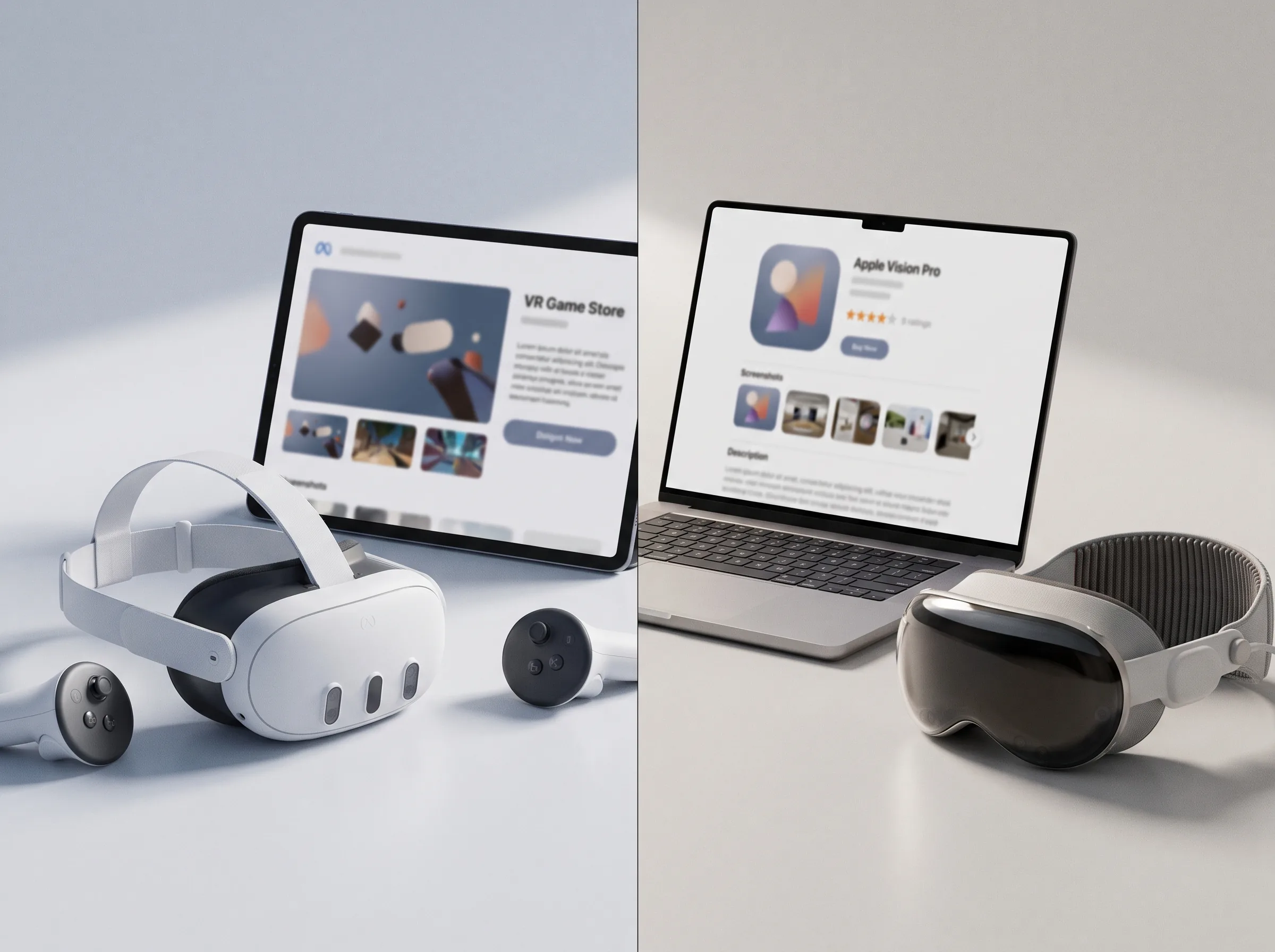
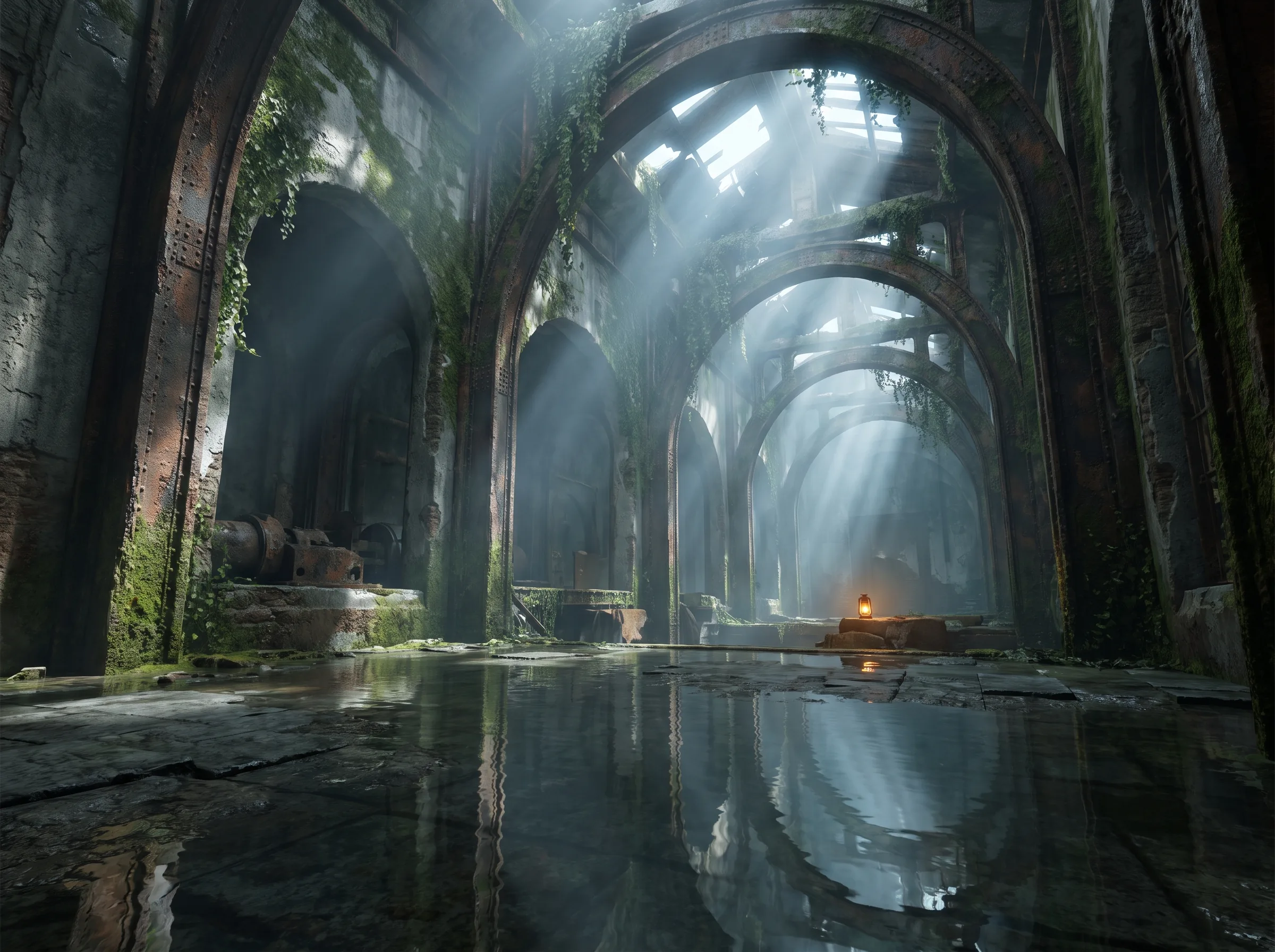
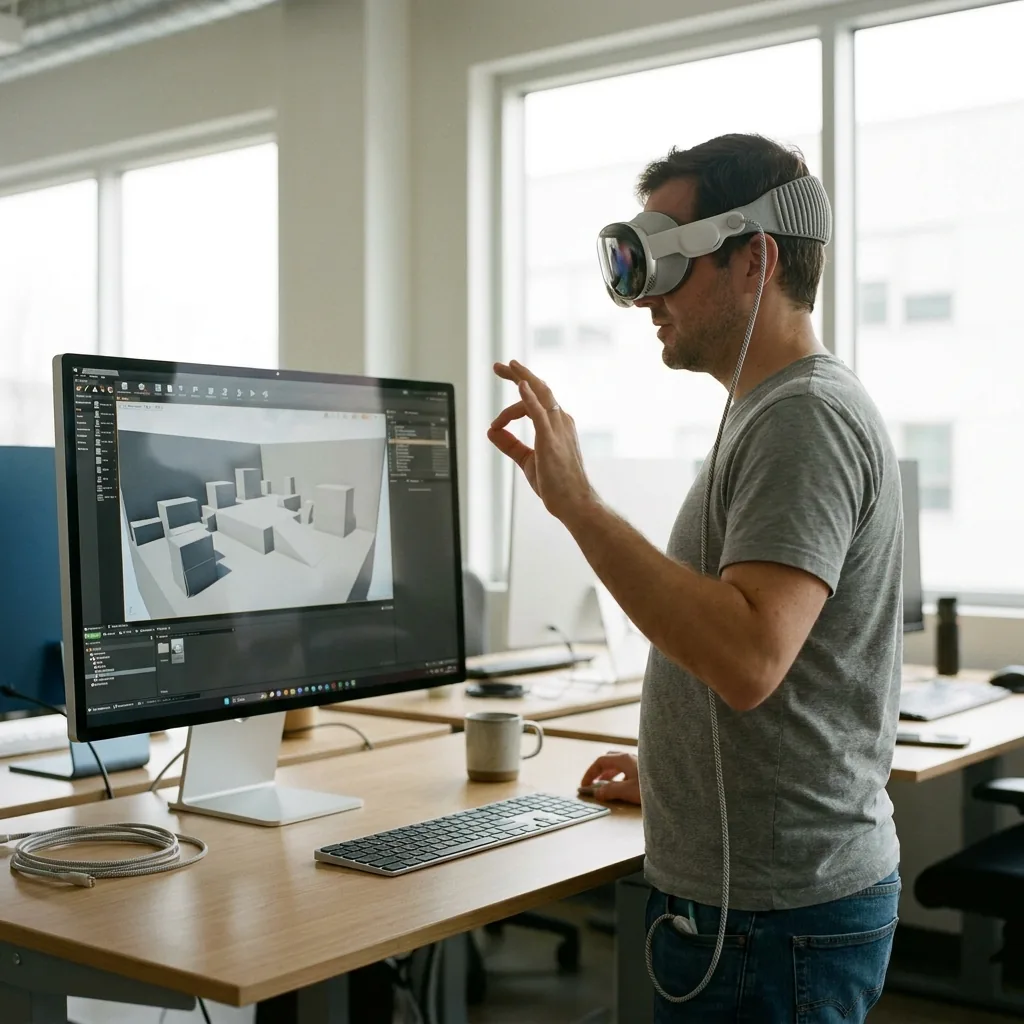
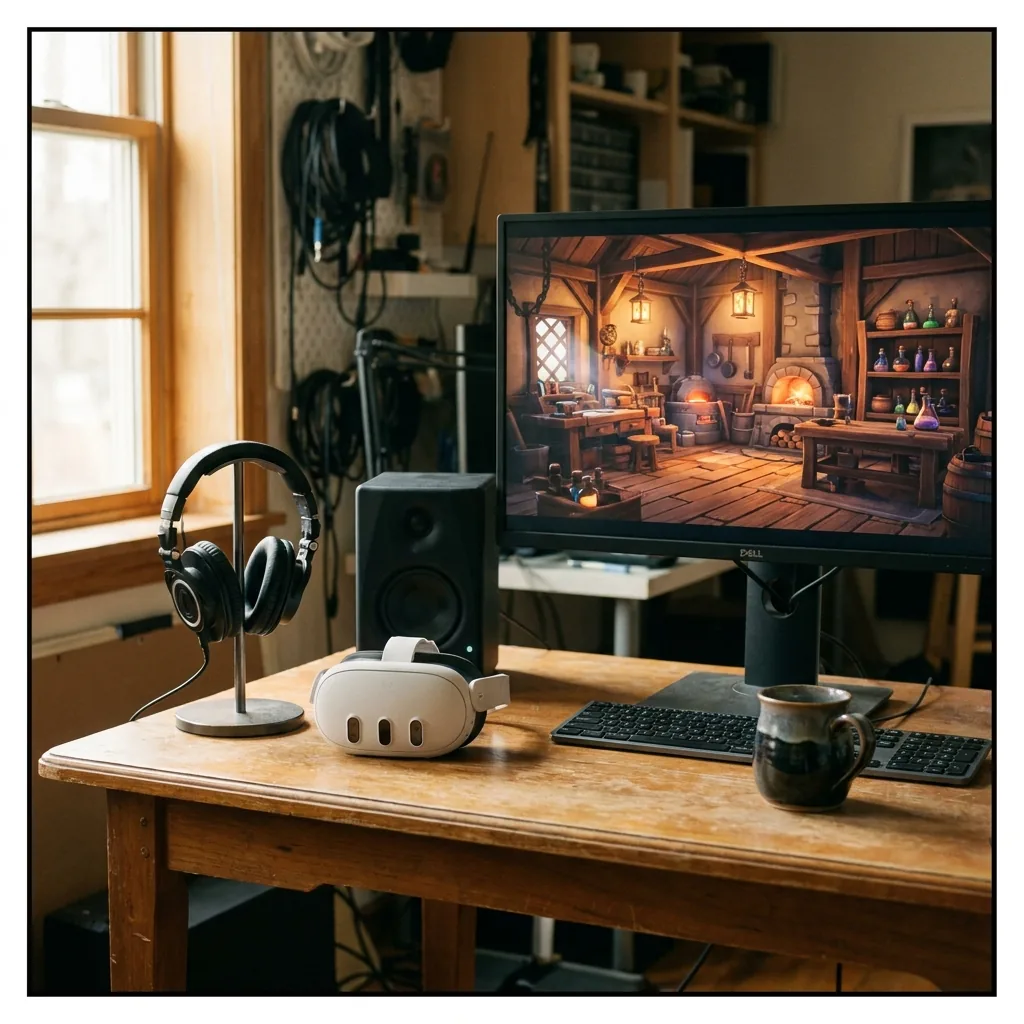
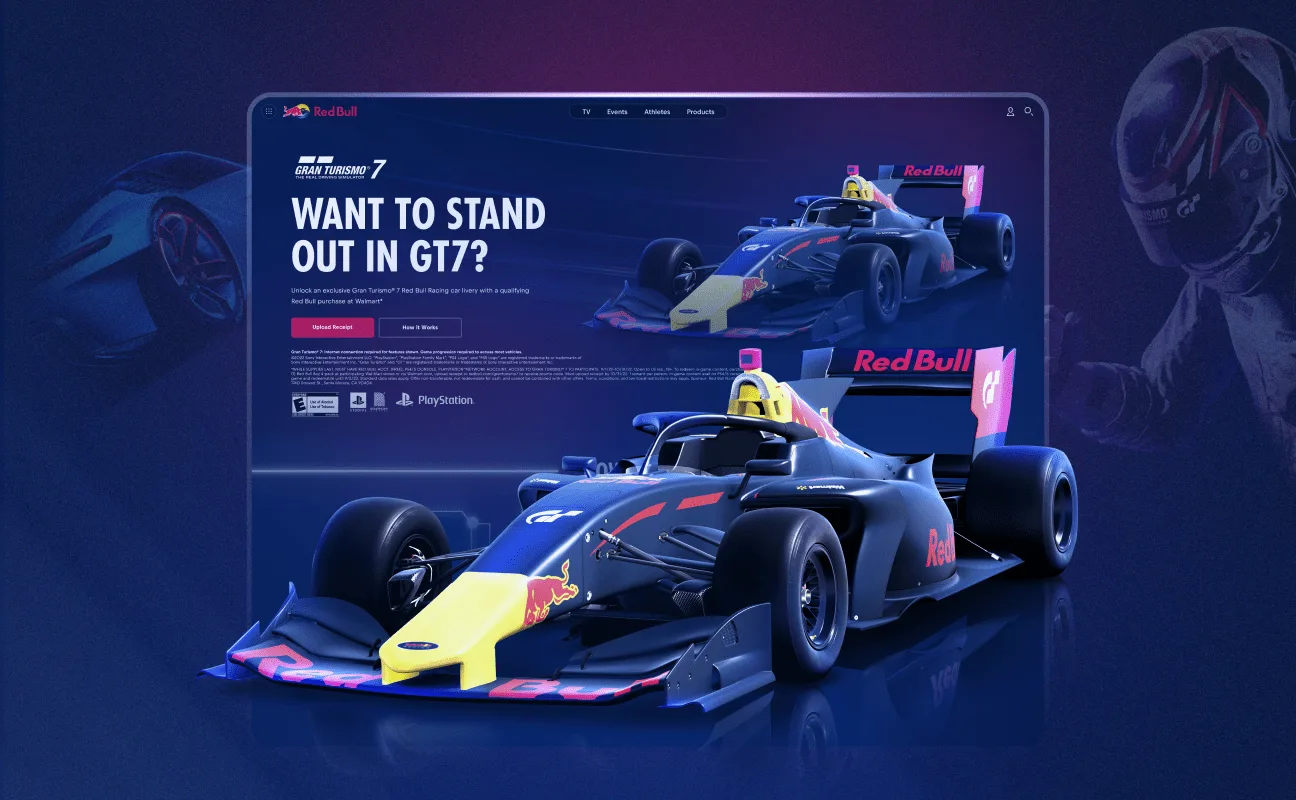
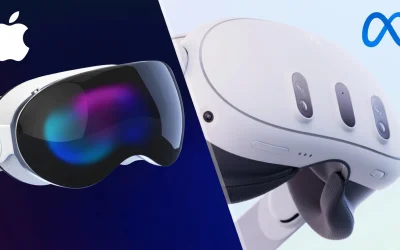
Frame Sixty is a US-based VR game development company. We design, build, and ship VR games for Meta Quest 3, Apple Vision Pro, and PC VR — from first prototype to store launch. Our team has shipped 100+ apps and games with more than 10 million downloads.
Frame Sixty provides virtual reality game development for teams that need a playable prototype, a platform port, or a complete store launch. Our senior VR game developers combine game design, real-time engineering, 3D production, multiplayer, and platform delivery, with every major decision validated inside the target headset.
Whether you need one experienced VR game developer or a complete production team, the engagement is built around the game, the hardware, and the outcome—not a generic staffing package.
01
VR Game Design & Prototyping
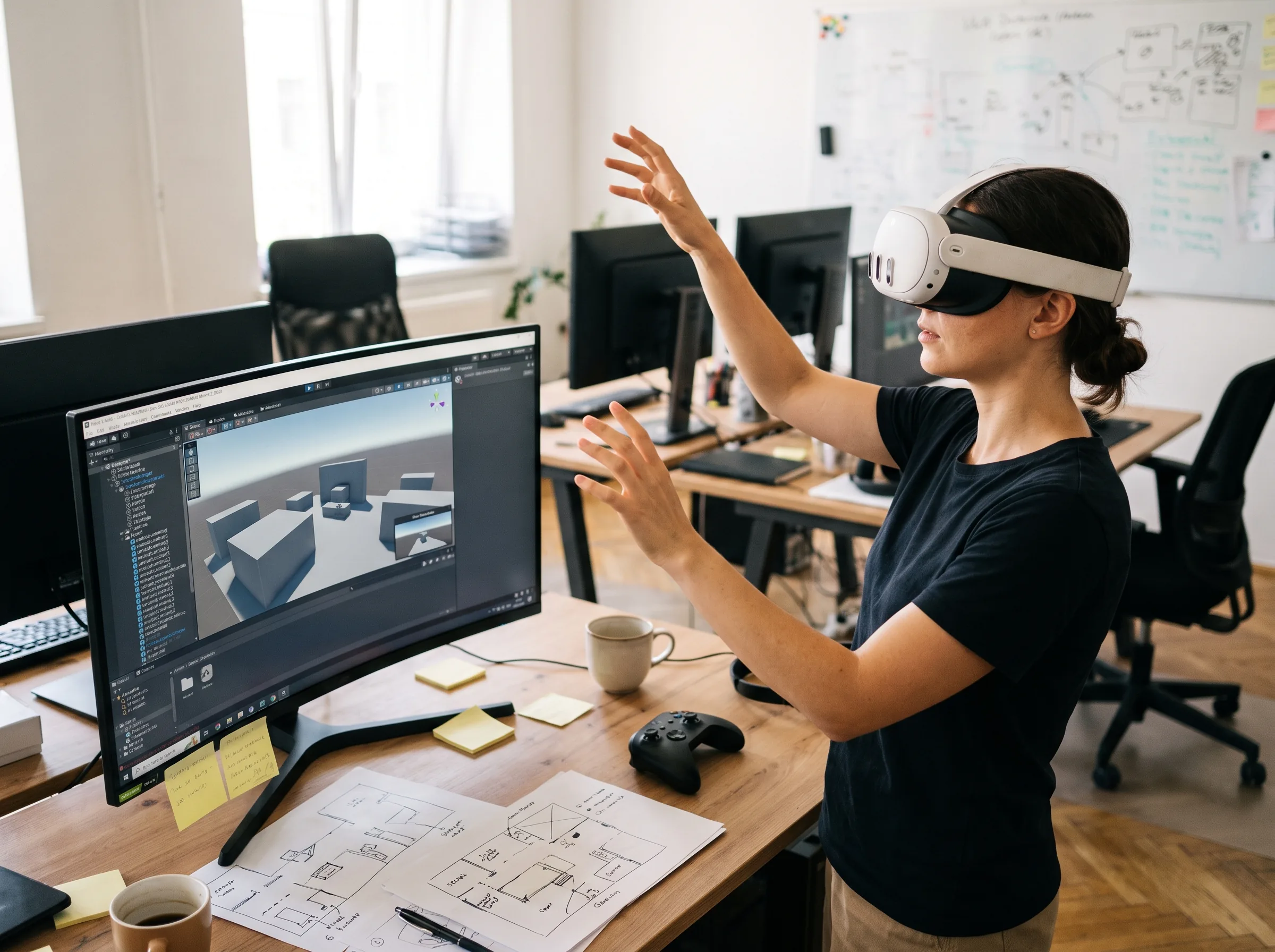
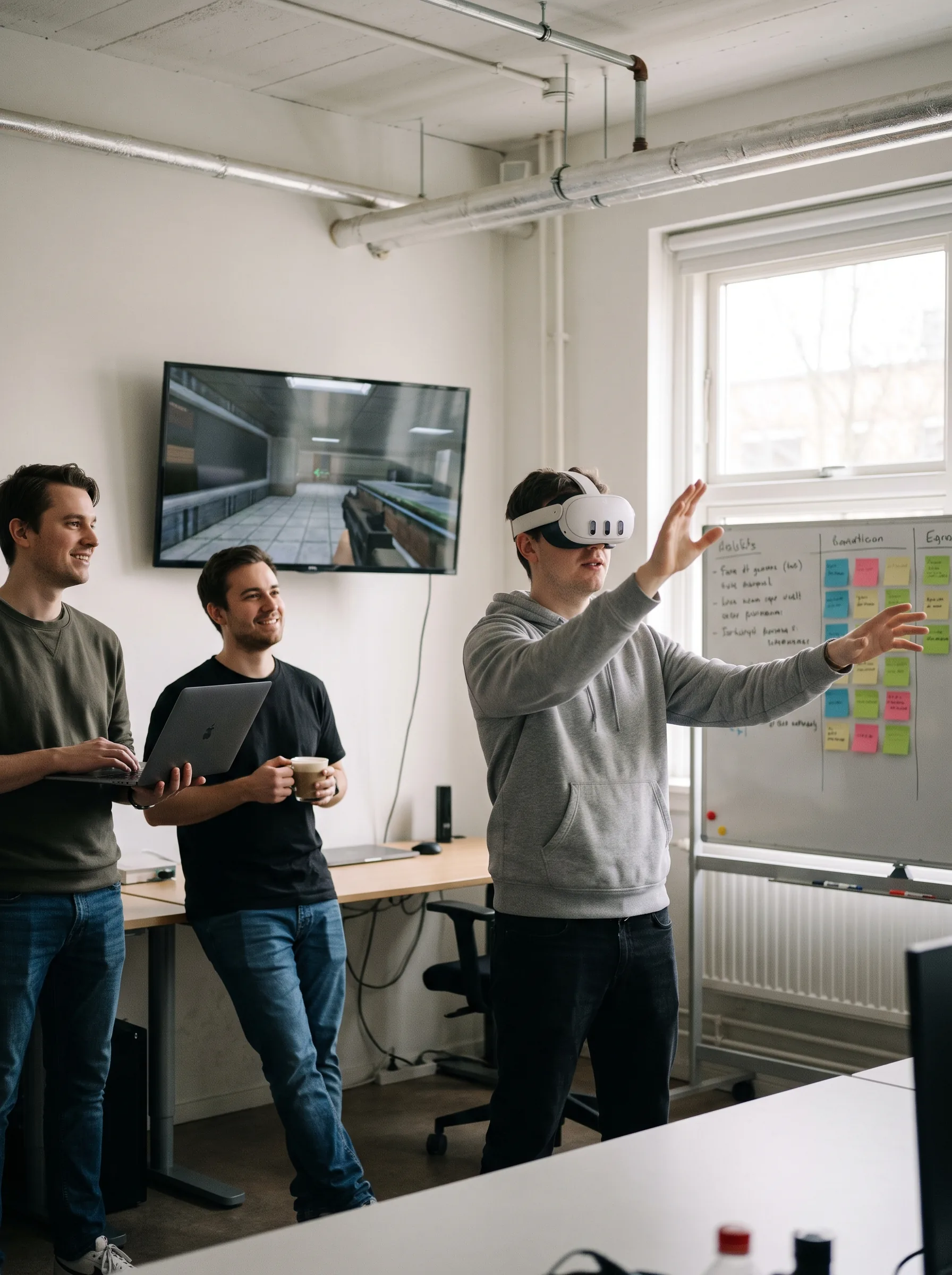
We take VR game concepts to playable prototypes fast, testing comfort, locomotion, and core loops in the headset before production begins. Early prototypes answer the questions that decide budgets: is it fun, and does it hold a frame rate.
02
Meta Quest Game Development
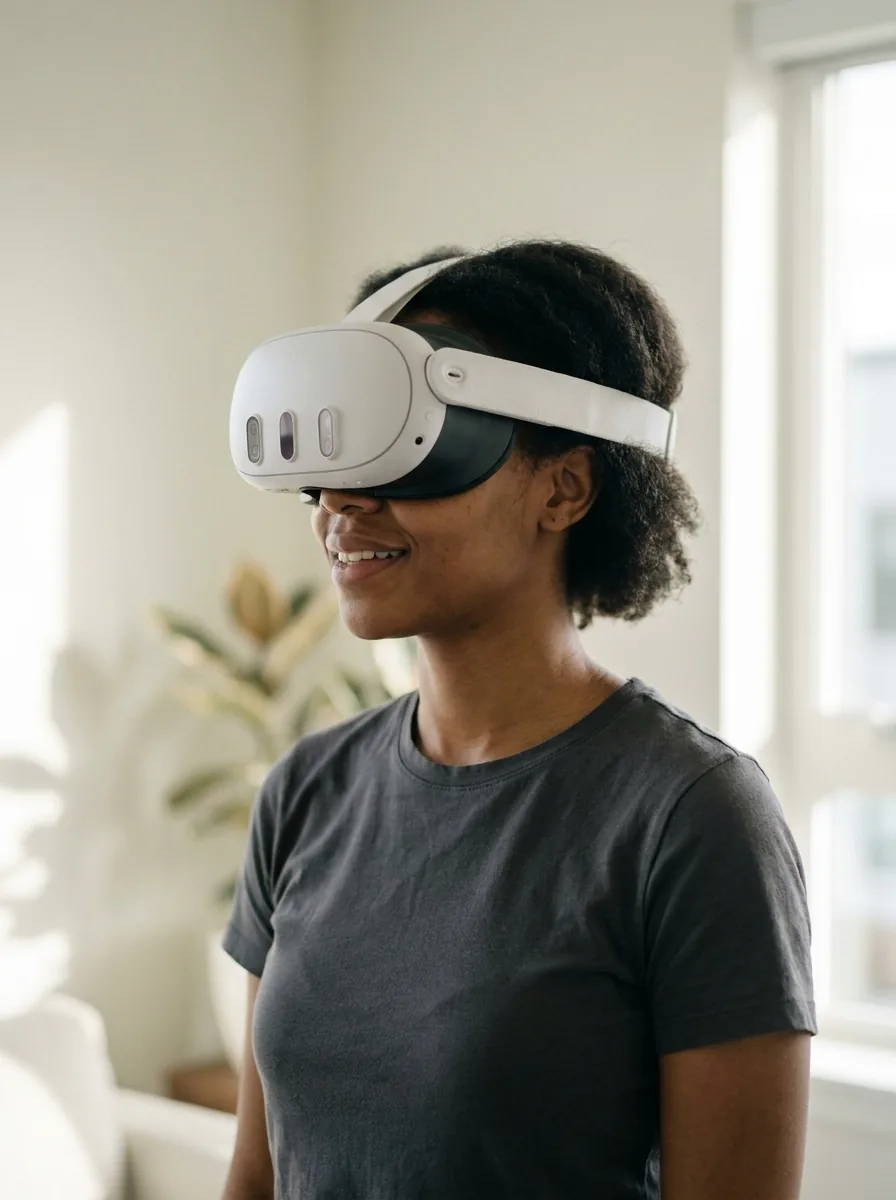
We build VR games for Meta Quest 3 and Quest 3S, engineered for standalone performance from the first sprint. Our Quest work covers hand tracking, passthrough mixed reality modes, and the full path through Meta Horizon Store submission.
03
Apple Vision Pro Games
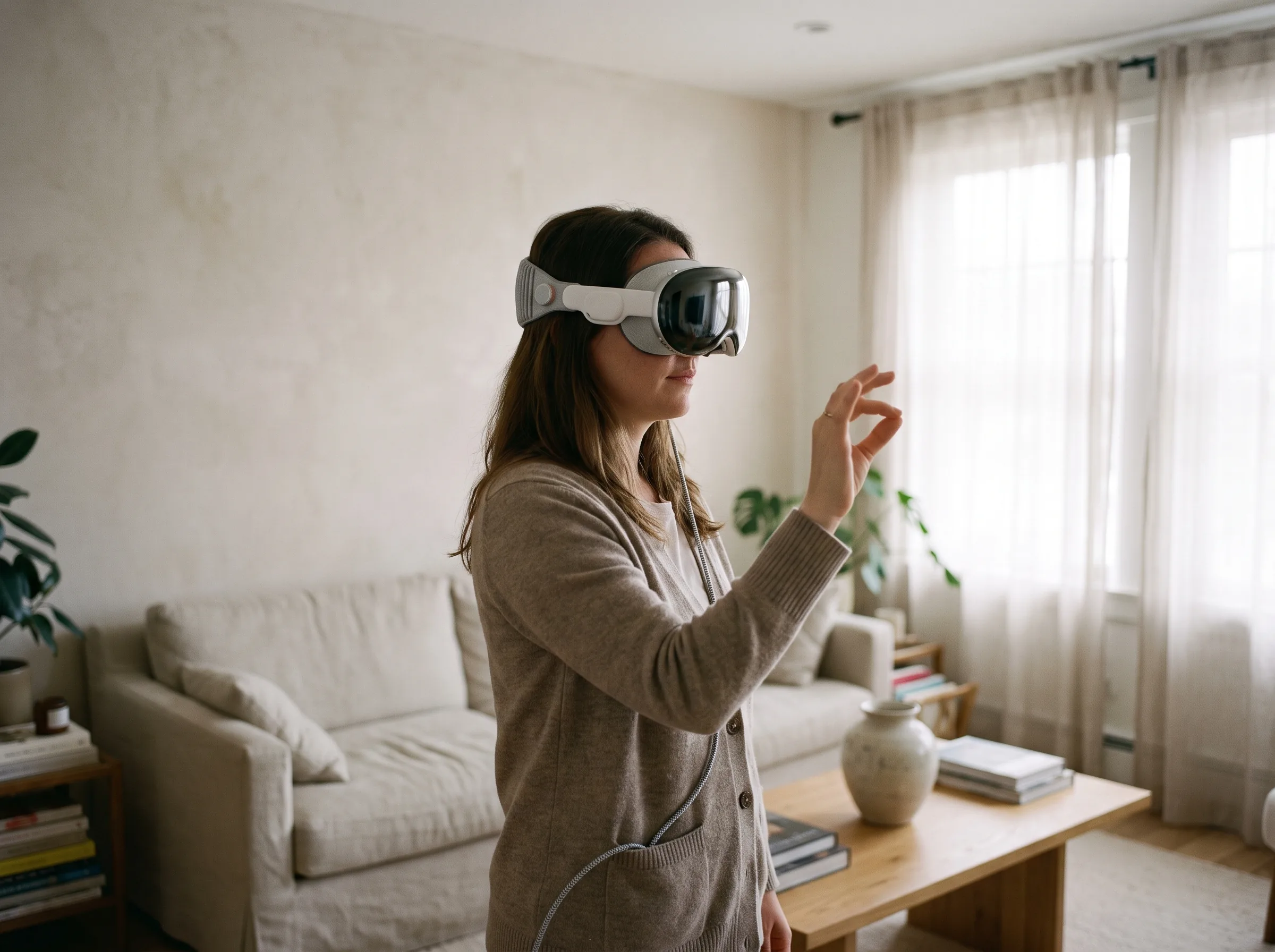
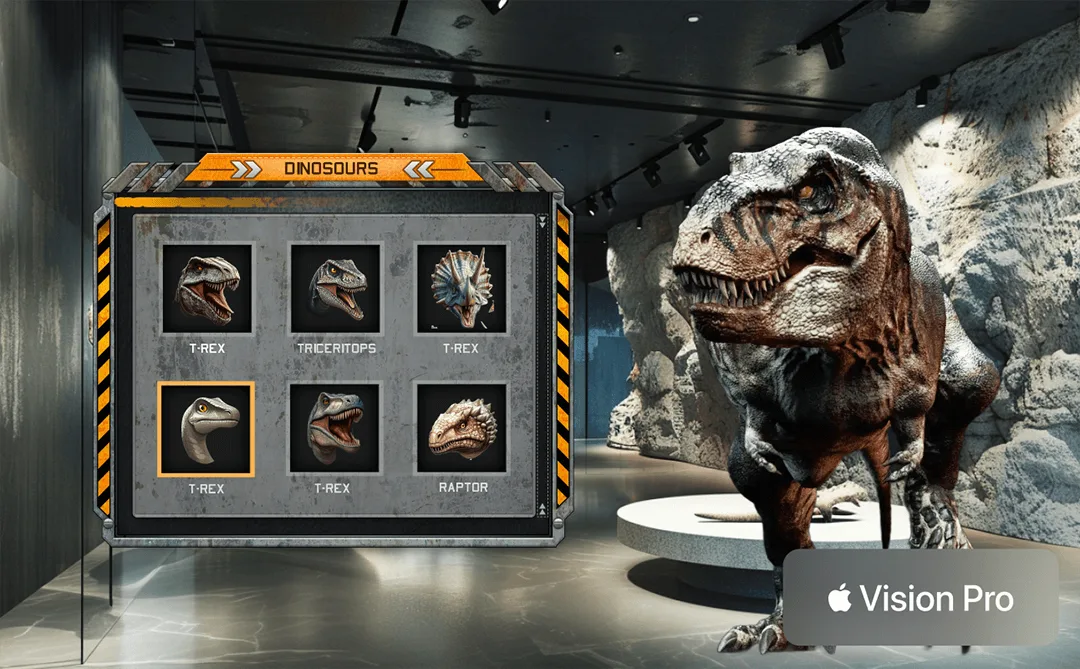
We develop spatial games for Apple Vision Pro, from immersive full-space titles to shared-space experiences built with RealityKit and Unity PolySpatial. Vision Pro games ship through the App Store with the polish Apple review expects.
04
Multiplayer VR Games
Our team implements multiplayer VR with Netcode and Photon: session management, avatars, voice, and state sync tuned for headset latency. We architect social and co-op play that stays stable as player counts grow.
05
VR Game Porting & Optimization
We port and optimize VR games across Quest, PC VR, and Vision Pro. Draw calls, memory, and shader budgets are profiled on real hardware, bringing ambitious scenes to the stable frame rates VR comfort demands.
06
Store Launch & Publishing
We carry VR games through store launch: Meta Horizon Store and App Lab requirements, App Store review, ratings, trailers, and store pages. Our team has taken 100+ apps through platform review and into players' hands.
The world can be ambitious. The build still has to feel immediate.
02 / Quest
Built for Meta Quest
Meta Quest 3 gives most VR games their clearest first path to a standalone audience. Frame Sixty designs for Quest 3 and Quest 3S from the beginning—setting scene complexity, input, memory, shaders, and thermal expectations around the hardware the game will actually run on.
The result is a game shaped for the platform players actually use: controller or hand tracking, passthrough mixed reality when it strengthens the idea, and a production path that includes Meta Horizon Store or App Lab submission.
Standalone performance
Scene density, lighting, effects, memory, and draw calls are planned for the headset from the first playable build.
Interaction that feels native
Controllers, hand tracking, spatial audio, and physical reach are designed as game mechanics rather than added as platform checkboxes.
Mixed reality as a real mode
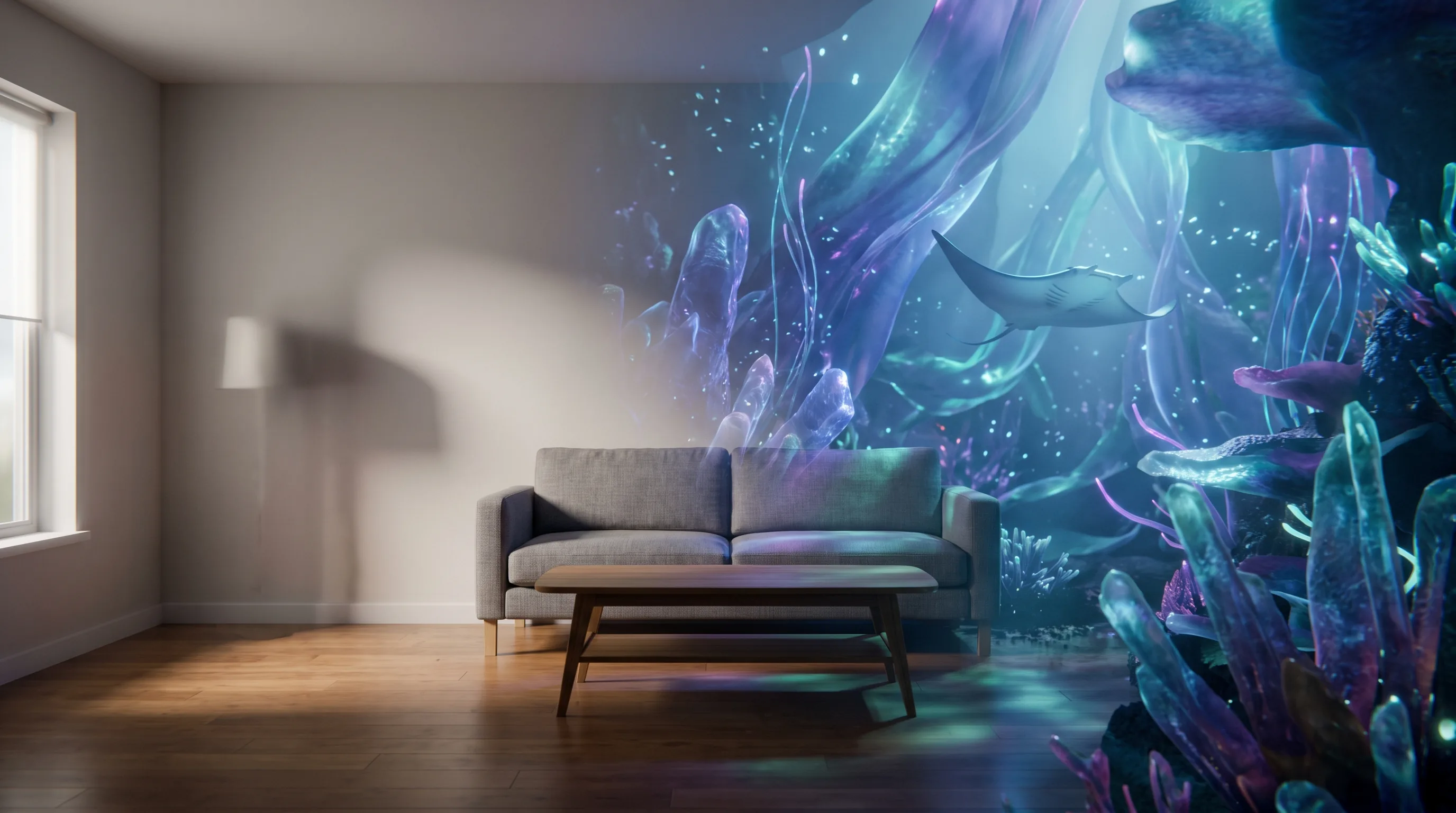
Passthrough mixed reality is used when the player's room can become part of the game—not as a novelty pasted onto an unrelated concept.
Store-ready delivery
Technical requirements, comfort, ratings, screenshots, trailers, Meta Horizon Store review, and App Lab submission stay inside the production plan.
Every beautiful frame still has to arrive on time.
03 / Engagement
How to Start a VR Game with Frame Sixty
Start with the amount of ownership your team needs. Frame Sixty can take a defined game from concept to launch, run an ongoing dedicated team, or add senior VR specialists inside an existing production.
Project-Based
A Frame Sixty team owns a defined scope from VR game design and prototyping through a store-ready release.
Fixed scope, milestones, and delivery plan
Cross-disciplinary design-to-launch ownership
One clear point of contact
Best for a new title, vertical slice, or defined port
Dedicated Team
A stable VR production team works through a living roadmap in visible sprints, with regular builds, demos, and priorities that can evolve by phase.
Ongoing product delivery
Senior VR engineering and production depth
Regular headset builds and reviews
Best for multi-stage games and continuing roadmaps
Staff Augmentation
Individual senior VR game developers join your tools, production cadence, and technical direction to close a specific skill or schedule gap.
Unity or Unreal specialists
Quest, Vision Pro, or PC VR experience
Your tools and process
US time-zone collaboration
Use the first call to align on the game, platform, current build, and level of ownership you need.
04 / Engines
Unity & Unreal for VR Games
We build VR games in both Unity and Unreal Engine 5, choosing the engine by the project's visual targets and platforms. Unity leads for cross-platform titles shipping to Quest and Vision Pro from one codebase; Unreal leads when photoreal fidelity defines the game. Either way, performance budgets are set in discovery and validated on device from the first sprint.
For Unity VR game development, the strongest advantage is usually cross-platform reach and rapid iteration. Unreal Engine 5 becomes the stronger starting point when high-end environment fidelity, real-time lighting, or PC VR visual ambition leads the brief.
Choose by the game, platforms, visual target, and performance budget—not by engine loyalty.
05 / Production
How Development Works
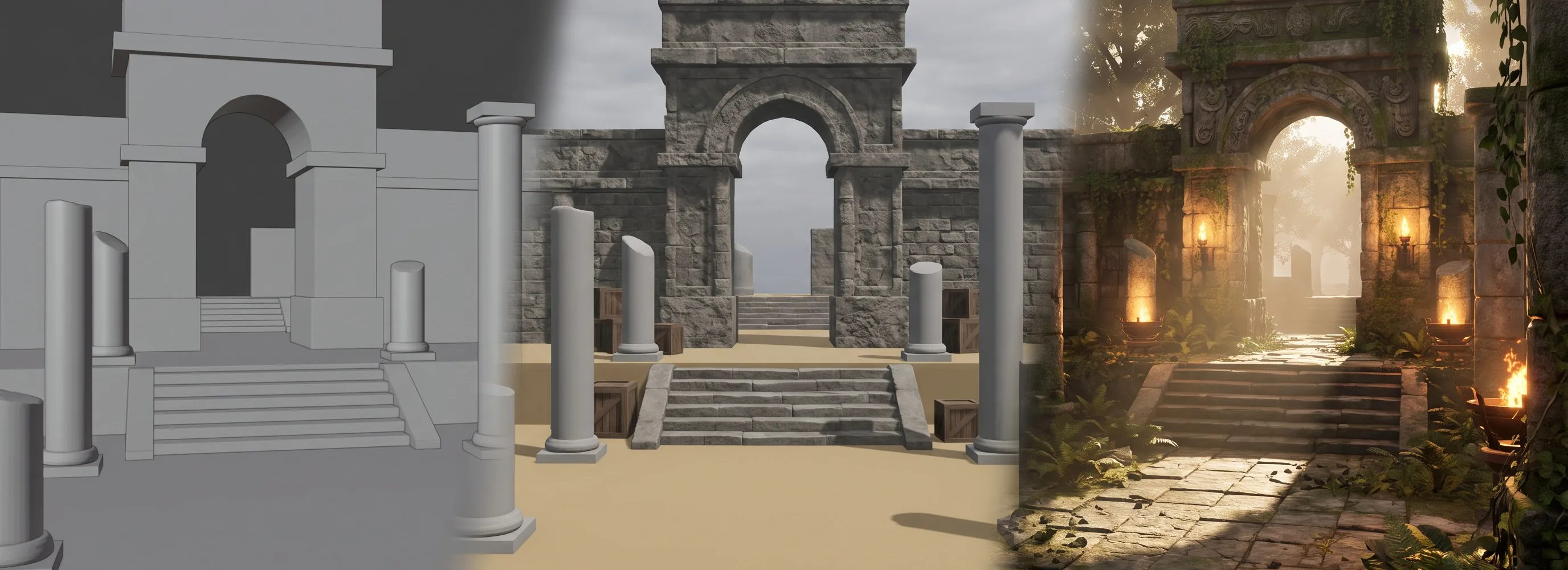
The production path is built around playable proof. Each phase ends with something the team can run, review, profile, and make decisions against—so the game becomes real in the headset long before launch.
Step 01
Discovery & Game Blueprint
We align on the player, platform, core loop, comfort model, art direction, technical risks, multiplayer needs, launch target, and the question the first build must answer.
Step 02
Playable Prototype
The first headset build proves interaction, locomotion, scale, input, and the core loop before the team commits to full production.
Step 03
Vertical Slice
A representative slice brings gameplay, art, audio, user experience, and performance together at the quality bar expected for the finished title.
Step 04
Production Sprints
Systems, content, 3D assets, multiplayer, UI, effects, audio, and platform work move forward in visible increments with regular builds and reviews.
Step 05
Device QA & Store Launch
The final path covers profiling on target hardware, comfort and accessibility checks, store assets, ratings, submission, review responses, and release support.
06 / Scope
What It Costs to Develop a VR Game
The cost of a VR game depends on scope — a playable prototype, a vertical slice, and a store-ready title are three different budgets. Project work is quoted as a fixed bid after discovery, so the full cost is clear before production begins. Read our guide: How to Develop a VR Game.
Playable Prototype
Core loop
Interaction and locomotion
Comfort validation
First real hardware proof
Vertical Slice
Representative art and audio
Production-quality gameplay
UI and onboarding
Performance target validated
Store-Ready Title
Full scoped content and systems
Device QA and optimization
Store assets and submission
Multiplayer/backend when included in scope
What moves the number
Scope and content volume
Target platforms
Art and animation fidelity
Multiplayer and backend requirements
Existing code and assets
Store and launch requirements
A 30-minute discovery call is the fastest path to a useful range.
Shipped work shows how game design, spatial interaction, art, platform engineering, and launch delivery come together — the player experience, the target headset, Frame Sixty's role, and what actually shipped.
Straight answers to the questions we hear most from teams planning a VR game.
How much does it cost to develop a VR game?
The cost of developing a VR game depends on scope: a polished prototype is a different budget from a store-ready title with multiplayer. Project work is quoted as a fixed bid after a discovery call, so the full cost is clear before production begins, and a 30-minute call produces an accurate range.
How long does VR game development take?
A playable VR prototype typically takes four to eight weeks, and a store-ready title runs several months depending on scope. We stage work as prototype, vertical slice, then production, so you see the game in a headset early and every major decision is made on a real build.
Which platforms should my VR game target?
Meta Quest 3 is the largest VR audience and the default first platform for most games. Apple Vision Pro suits premium spatial titles, and PC VR fits high-fidelity experiences. We sequence platforms during discovery — most projects launch on Quest first and port afterward.
Do you build VR games in Unity or Unreal Engine?
Both. Unity leads for cross-platform VR games shipping to Quest and Vision Pro from one codebase; Unreal Engine 5 leads when photoreal fidelity defines the game. We recommend an engine during discovery based on your visual targets, platforms, and budget.
Can you publish my game to the Meta Horizon Store?
Yes. We prepare and submit VR games to the Meta Horizon Store and App Lab, and to the App Store for Apple Vision Pro titles. That includes technical requirements, store assets, ratings, and review responses — our team has taken 100+ apps through platform review.
Do you build multiplayer VR games?
Yes — we build multiplayer VR games using Netcode and Photon, covering session management, avatars, voice chat, and state synchronization tuned for headset latency. Multiplayer is scoped from the start of a project, because networking decisions shape the game's architecture and budget.
Can you port an existing game to VR?
Yes — we port existing games and 3D products to VR, rebuilding cameras, controls, and comfort systems for the headset rather than wrapping a flat game in a viewer. Ports are profiled on target hardware early, because in VR a stable frame rate is a comfort requirement, not a preference.
Who owns the game and its code?
You own the game, the code, and the project — our contracts assign full IP ownership to you, including source, assets, and store listings. We sign NDAs before discovery when needed; protecting unannounced titles is routine practice for the team.
Why choose Frame Sixty for VR game development?
Frame Sixty pairs senior VR talent with a shipping record: 100+ apps and games across Meta Quest, Apple Vision Pro, iOS, and Android, with more than 10 million downloads. Most of our work ships on Quest, so your game is built by developers who live on the platform it launches on.
Get in touch
We’re interested to see how we can help. Send us a message and we will get back to you within 24 hours.
Subscribe to our newsletter
Get the latest tech news and updates for mobile, web and Apple Vision Pro delivered to your Inbox.