Retail & E-commerce AR Development

Augmented Reality for Retail & E-commerce

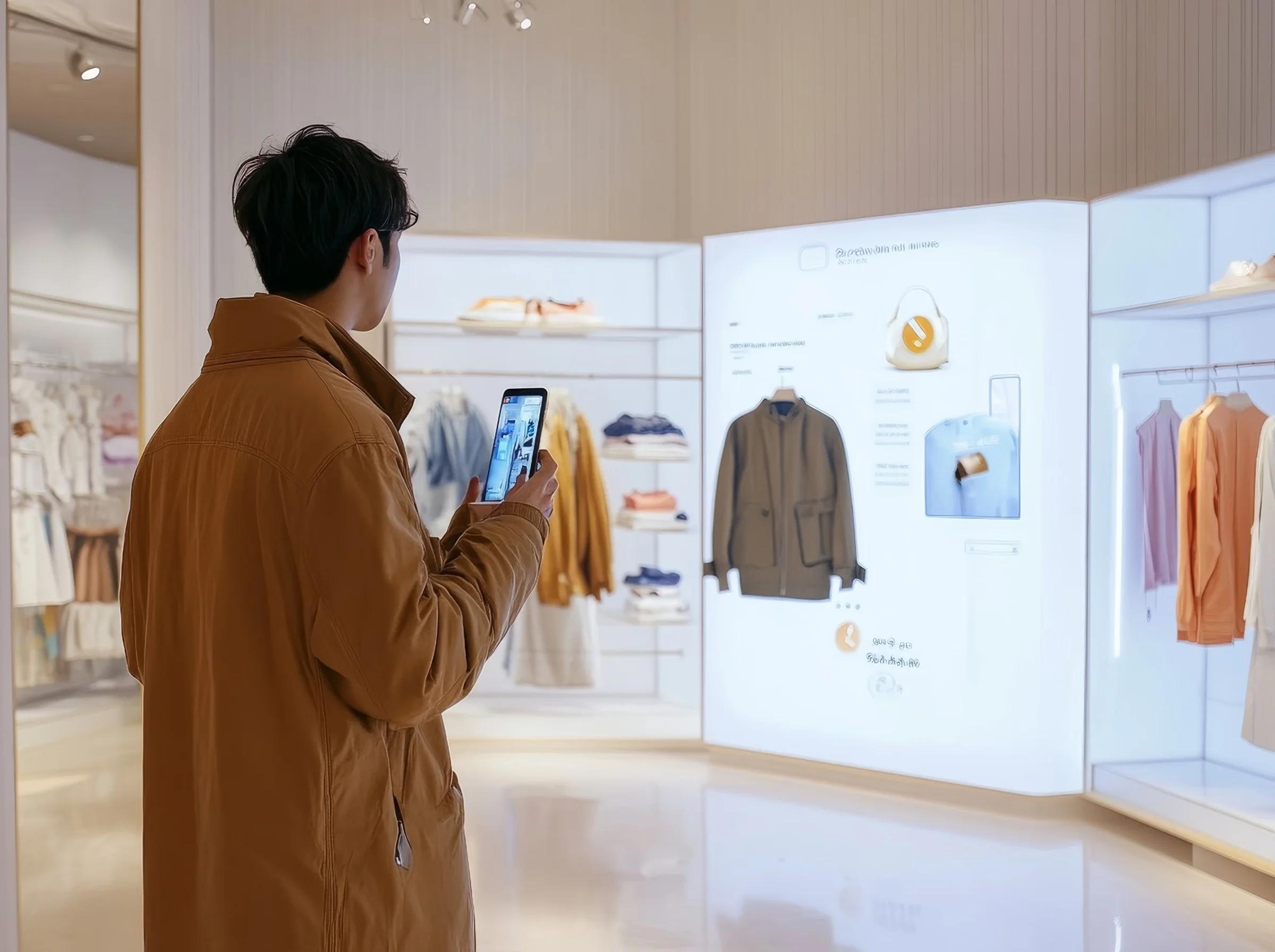
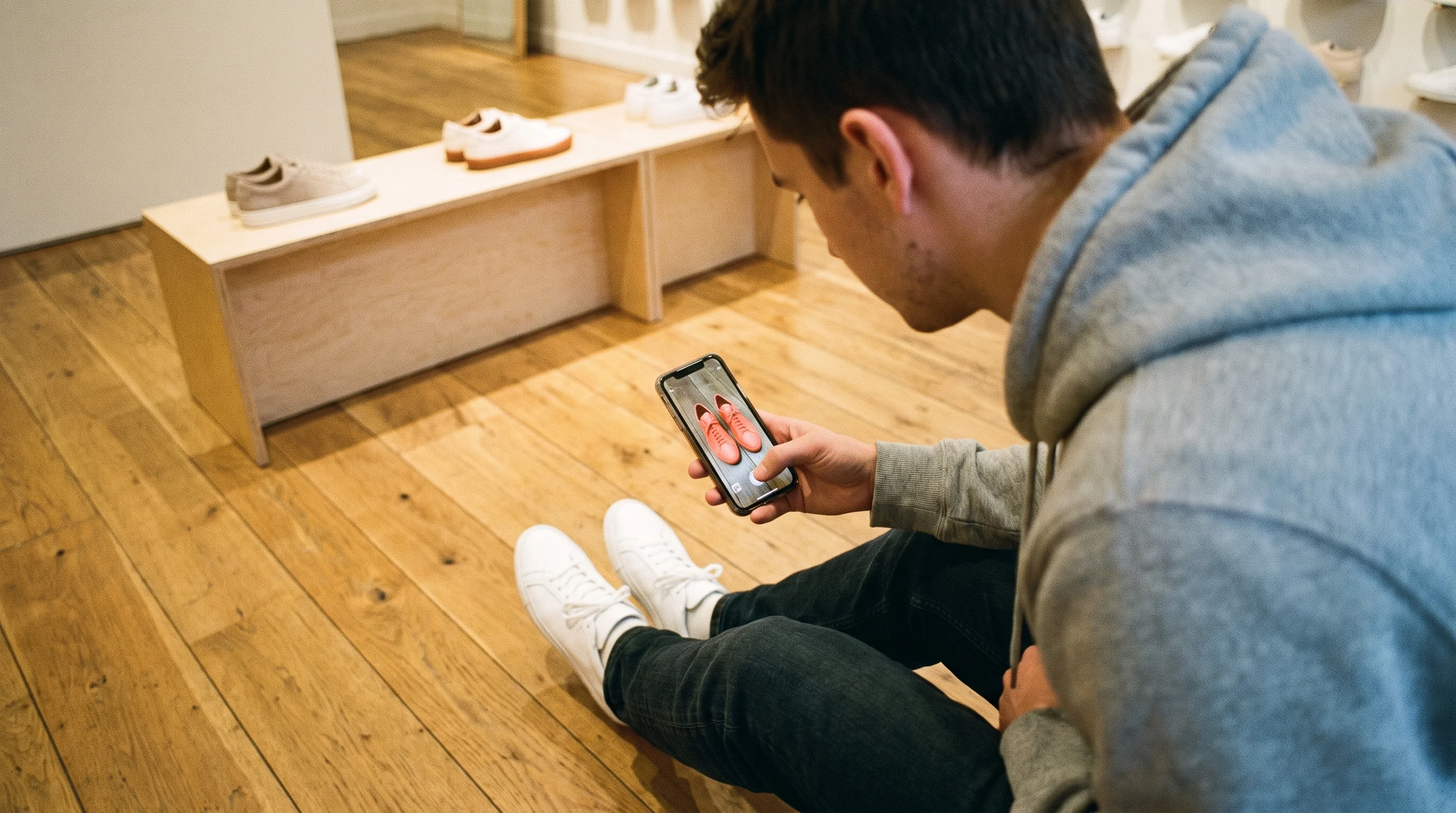
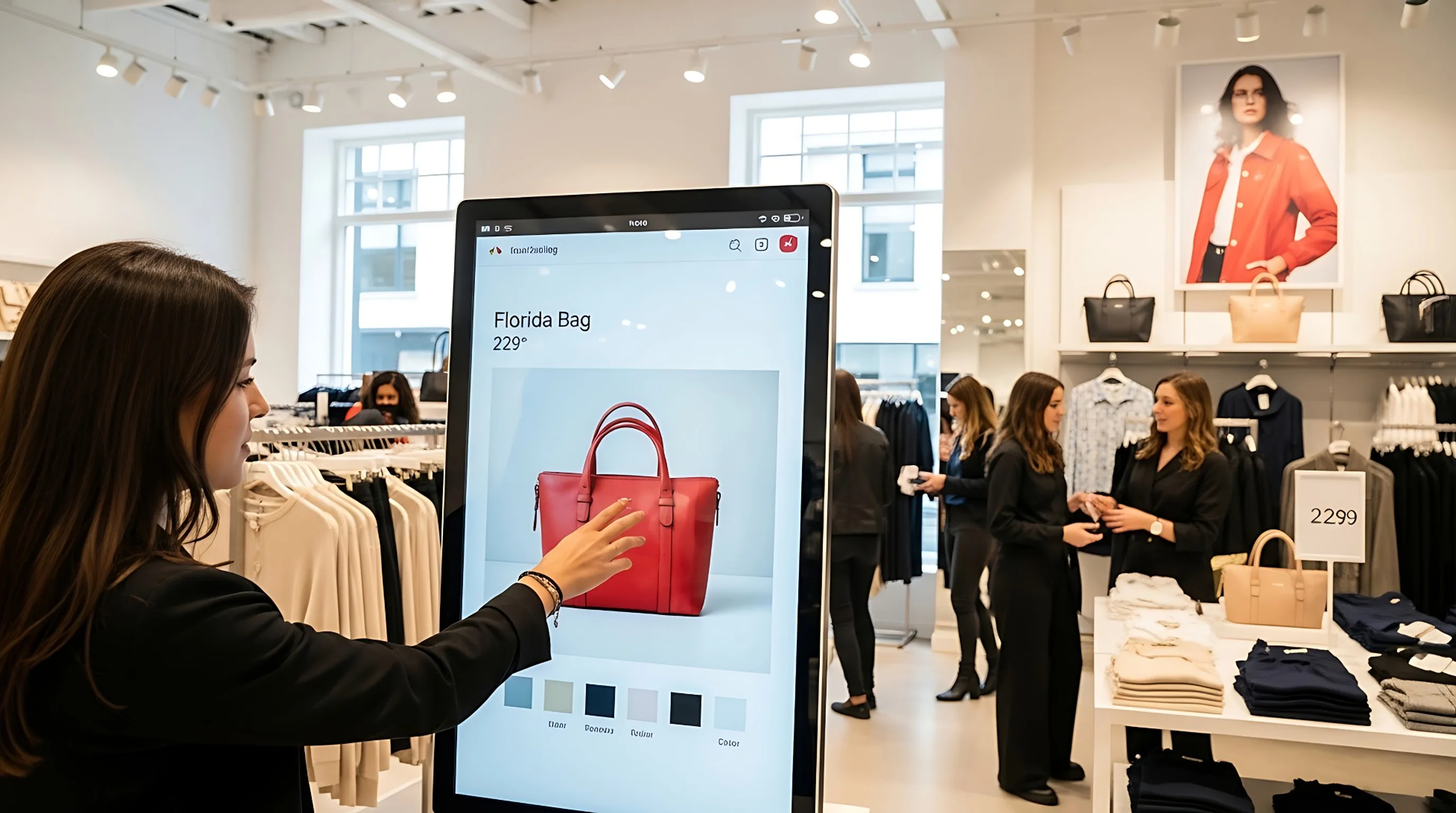
Frame Sixty is a US-based studio building augmented reality for retail and e-commerce. We develop the AR shoppers actually use — virtual try-on, view-in-your-space product visualization, in-store activations, and AR packaging — delivered through the browser and native apps on iOS and Android. Our retail work includes a shipped virtual try-on app and an in-store AR campaign for Red Bull at Walmart.

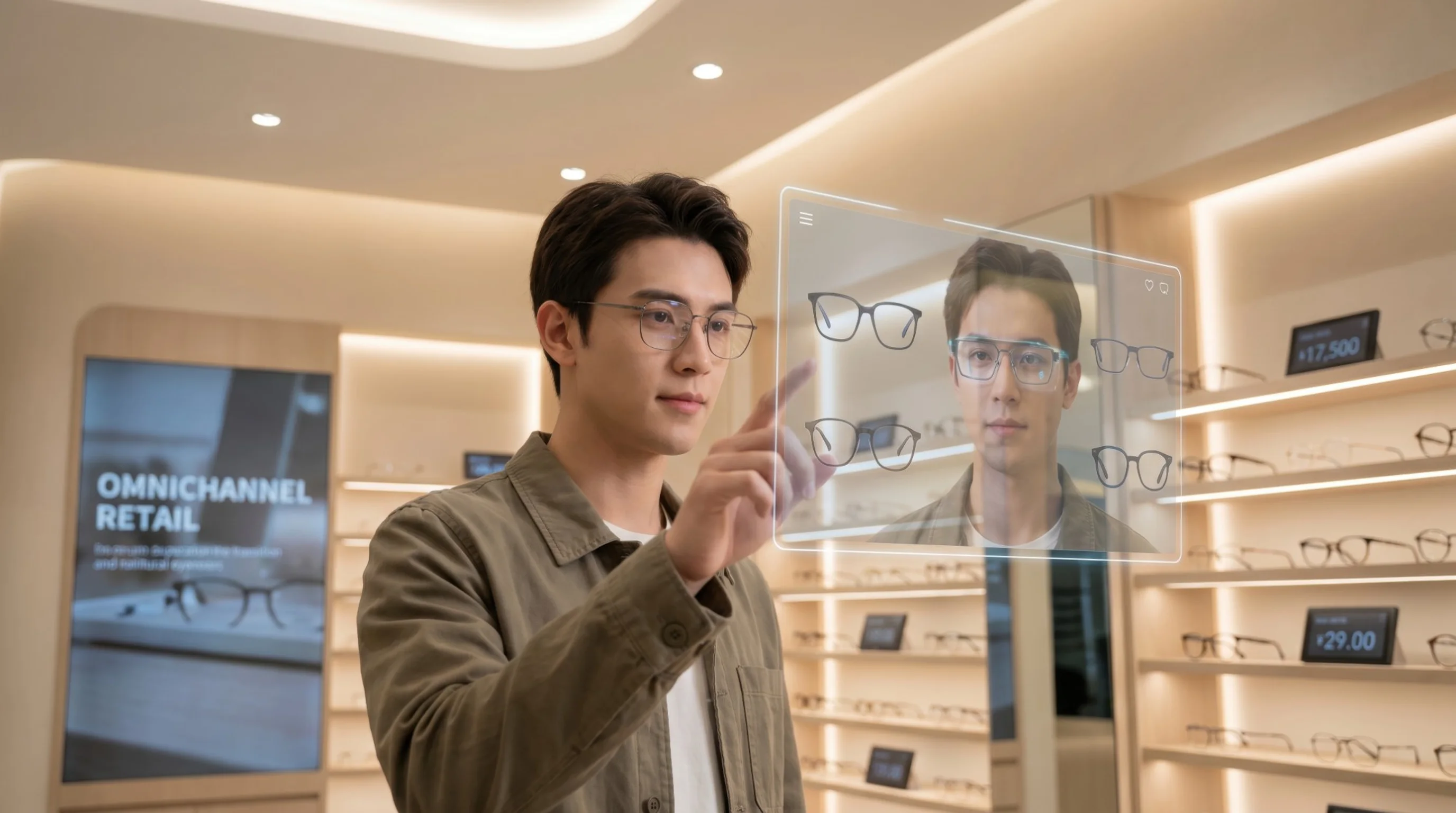
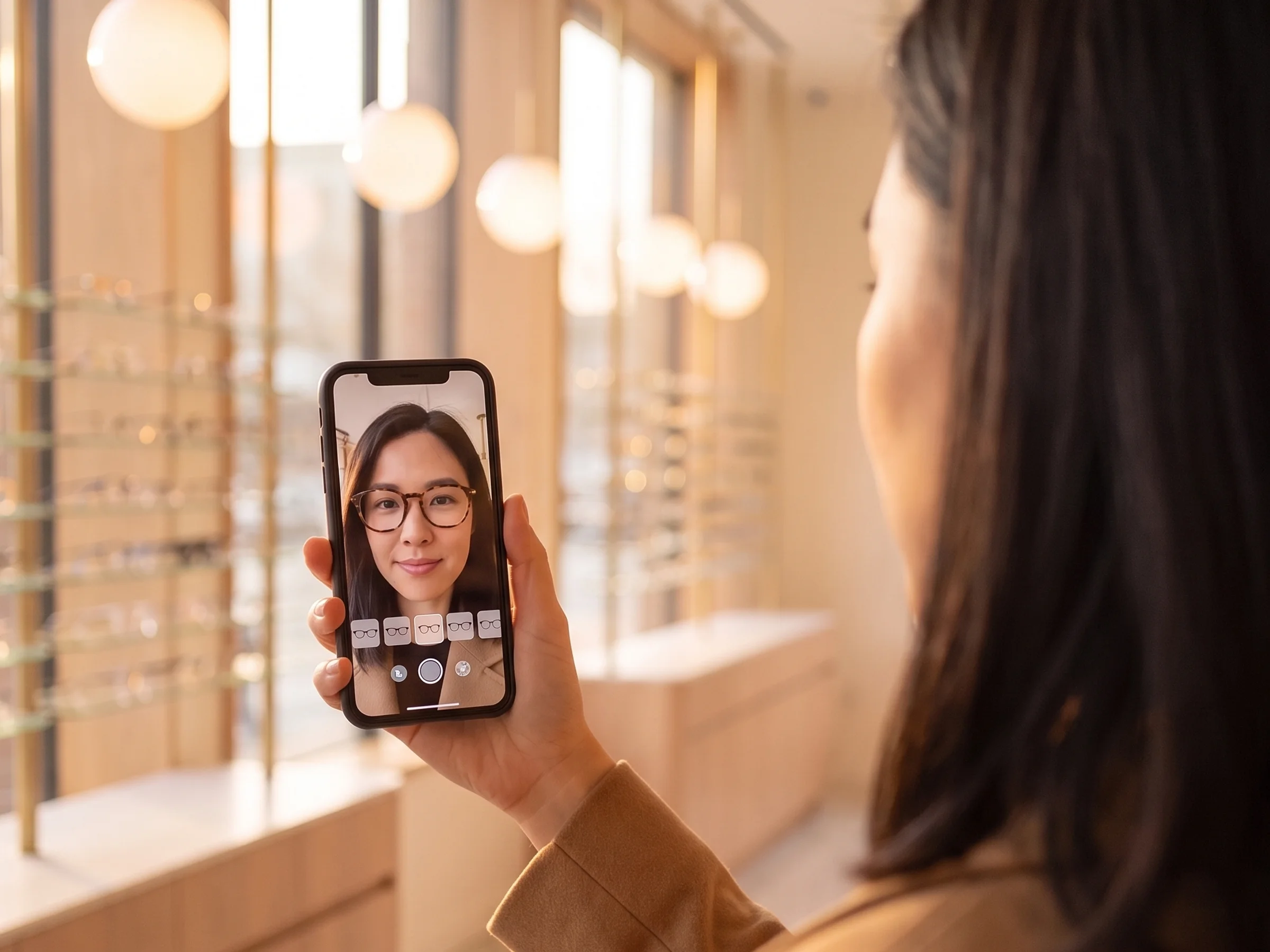
Augmented reality in retail — a shopper previewing eyeglasses on her own face with a phone virtual try-on in a bright optical store

How Retailers Use Augmented Reality

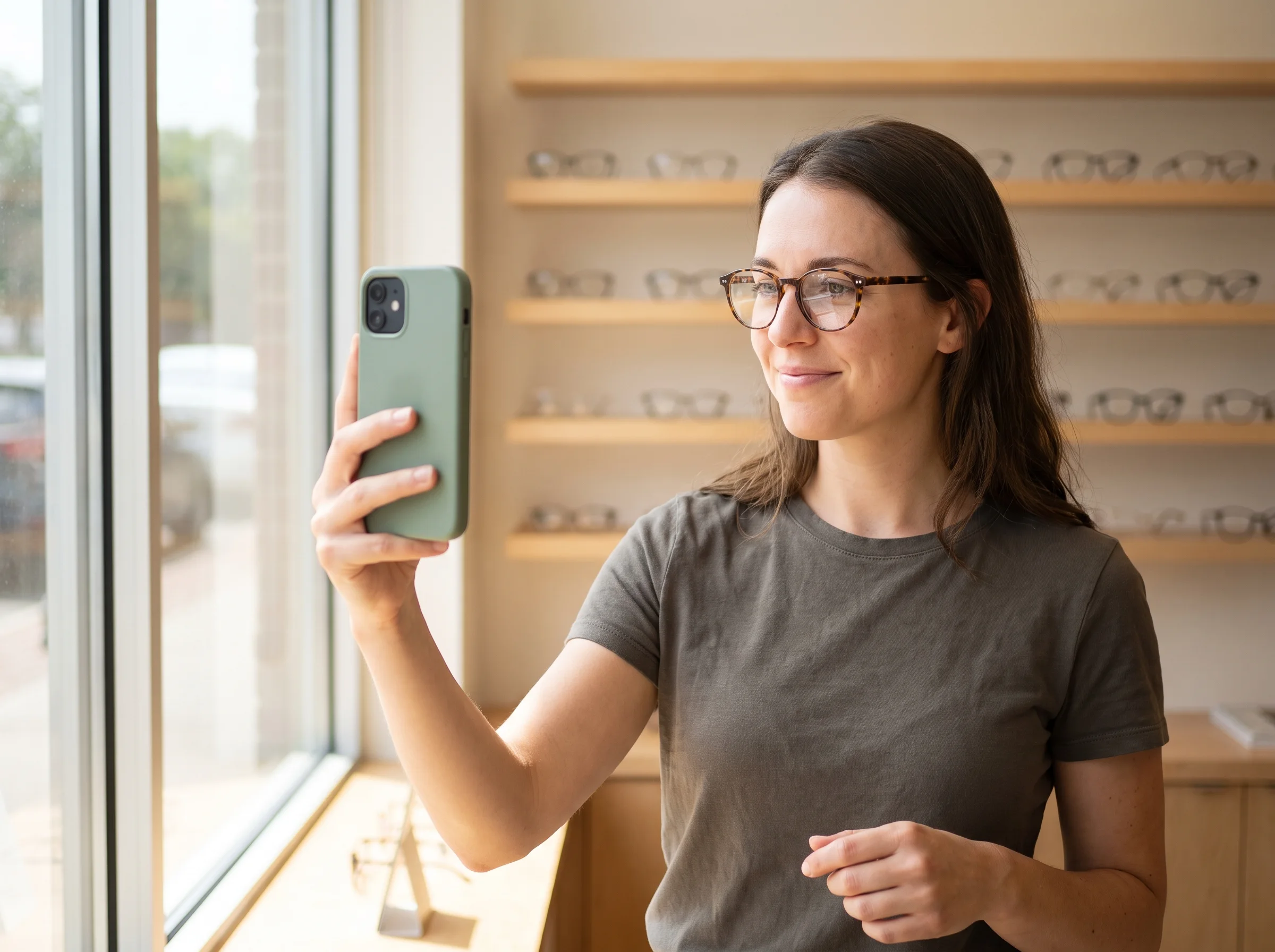
Shopper checking eyeglasses on her own face in a phone virtual fitting room view inside a bright optical boutique

Virtual Try-On & Fitting Rooms

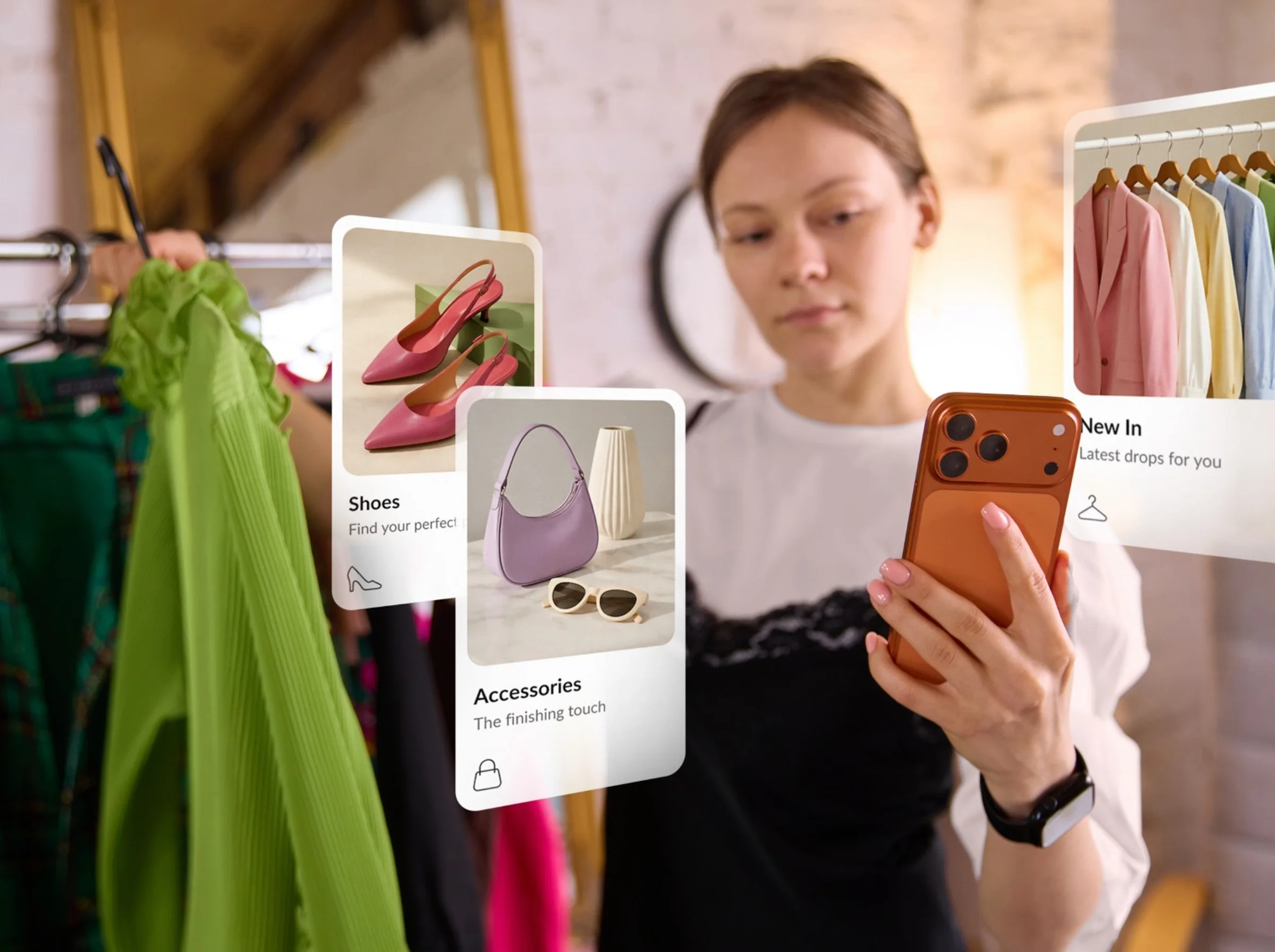
We build virtual try-on that puts the product on the shopper — eyewear, apparel, accessories, cosmetics — through their phone camera, in the browser or your app. Try-on answers the question that stalls fashion carts: will it look right on me?
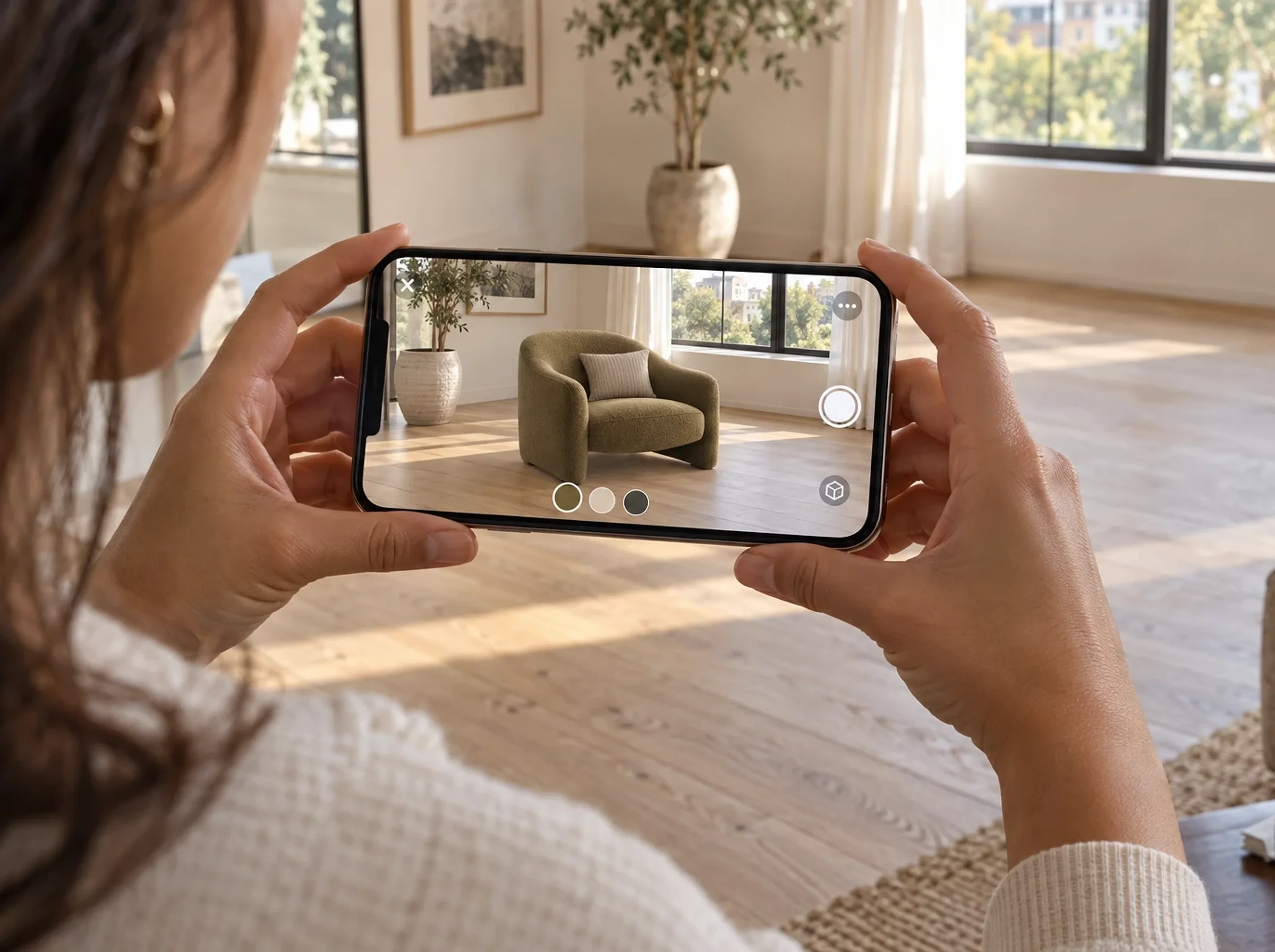
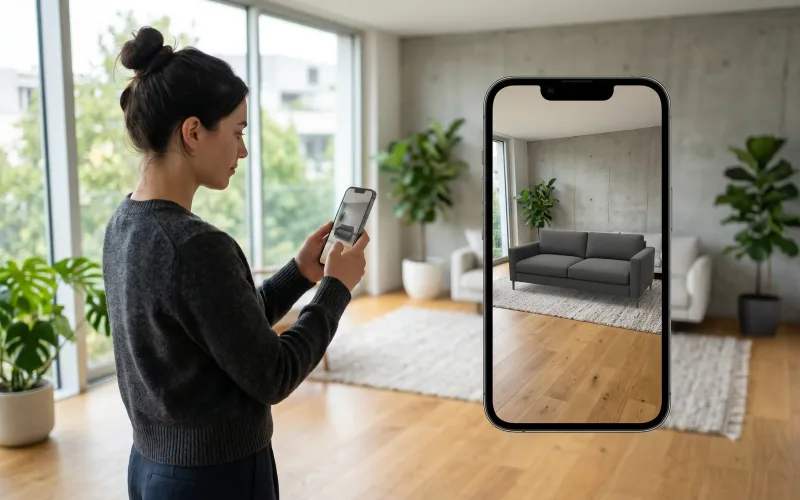
Couple placing a virtual armchair at true scale in their empty living-room corner with view-in-your-space product AR on a phone

View-in-Your-Space Product AR

We create true-scale AR that places furniture, appliances, and decor in the customer's actual room from the product page. Seeing it in their space is the confidence step that moves big-ticket carts to checkout.

Shopper launching an AR shopping experience in the mobile browser straight from a laptop product page

AR Shopping in the Browser

We build WebAR shopping experiences that launch from a link or QR code — no app download between the shopper and the product. Browser AR reaches every customer with a modern phone, which is all of them.

Shopper laughing mid-moment during an in-store AR activation at a retail endcap display

In-Store AR Activations

We develop in-store AR that turns aisles and displays into experiences — the kind of campaign we built for Red Bull at Walmart, where shoppers raced a Gran Turismo AR experience from the shelf. Activations earn dwell time, social shares, and sell-through.

Phone held over a product box on a counter — AR packaging playing an animated story from the label on screen

AR Packaging & Product Labels

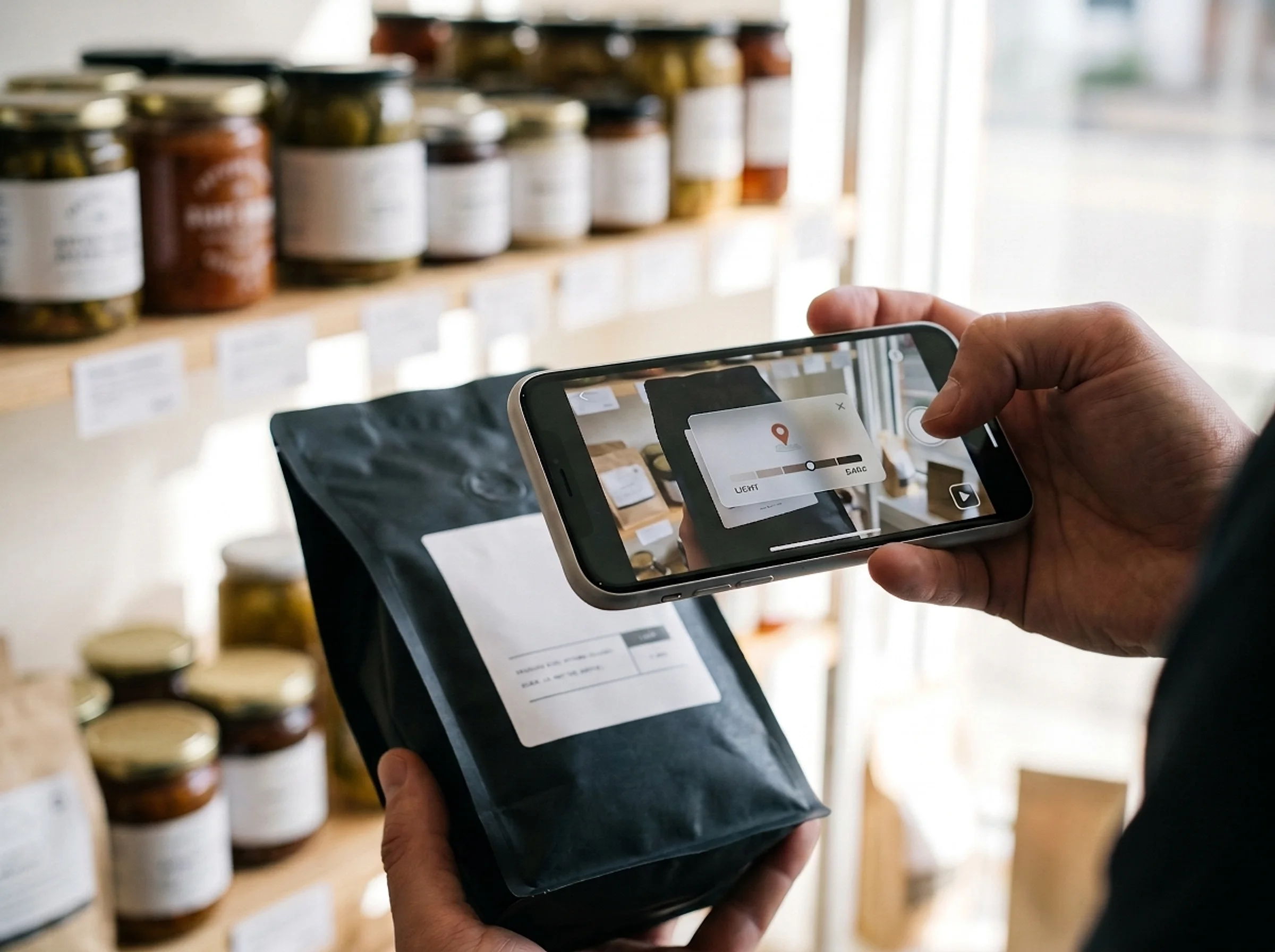
We turn packaging into a channel: point a phone at the box and it plays — product stories, how-to content, promotions, and games launched from the label itself. The packaging you already print becomes media you don't have to buy.

3D artist reviewing a navigable virtual store scene on a wide studio monitor

Virtual Stores & Showrooms

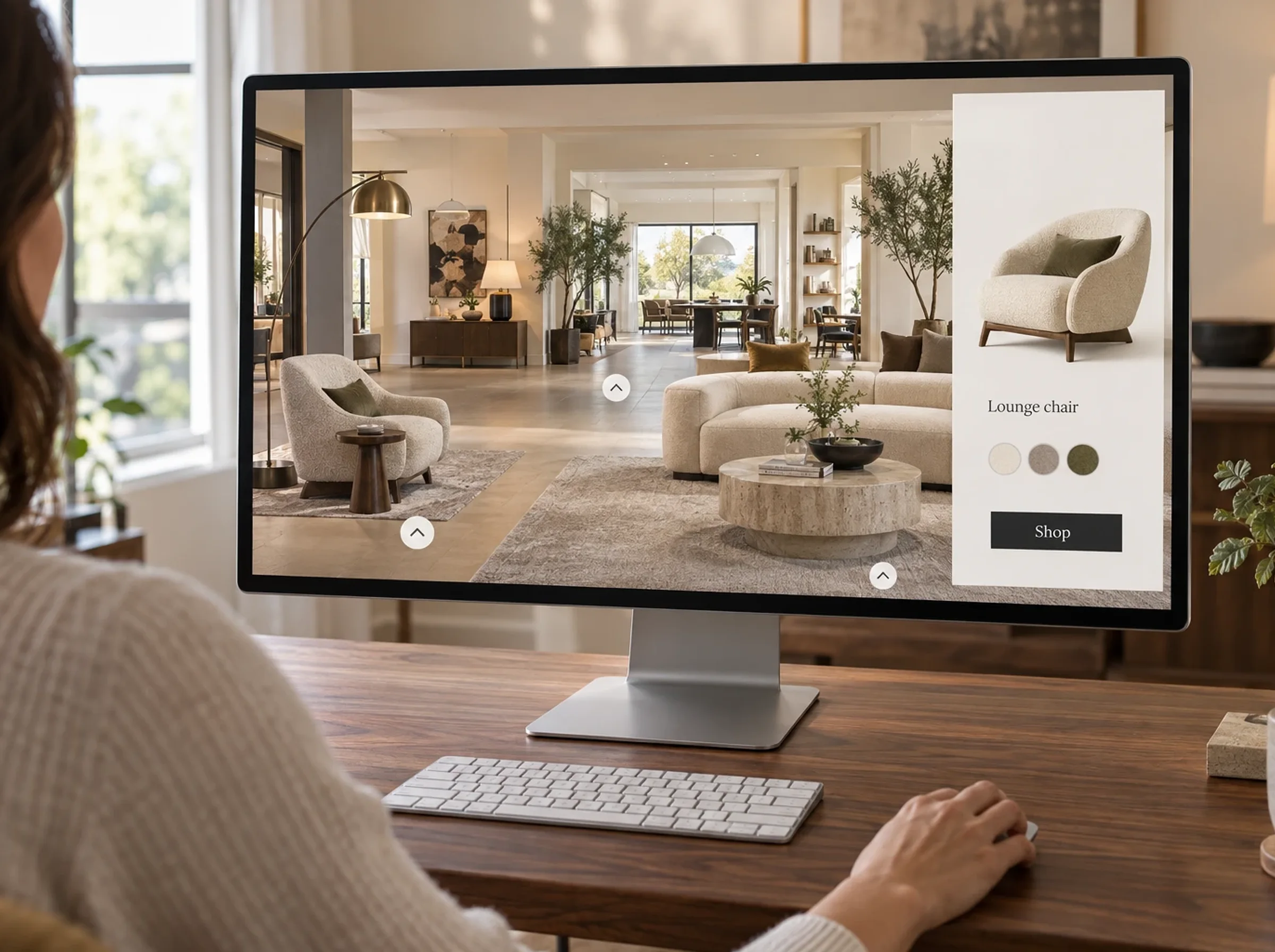
We design navigable virtual stores where your line is staged, explorable, and connected to commerce — one build serving e-commerce, wholesale, and campaign moments alike.

Category Fit

Retail AR by Category

The right AR interaction depends on the doubt attached to the product. Fashion needs alignment and appearance. Furniture needs scale and space. Packaging needs a compelling reason to scan. The technology should follow that decision — not the other way around.

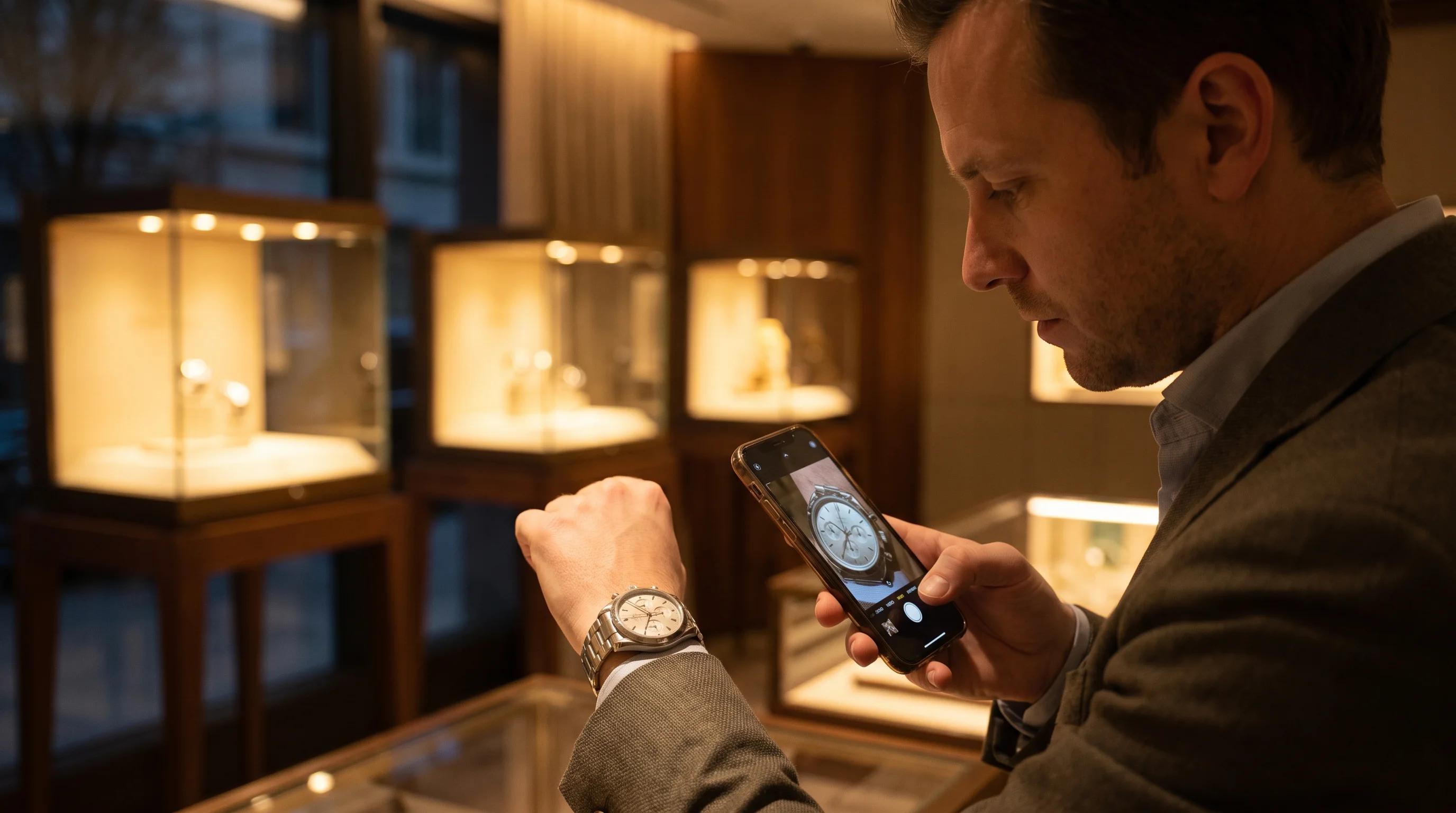
Shopper previewing a chronograph watch on his wrist through his phone camera in a luxury boutique

Fashion & Accessories

Preview eyewear, jewelry, watches, apparel, footwear, and accessories on the shopper with face tracking, body tracking, or anchored product placement.

Virtual try-on and virtual fitting room

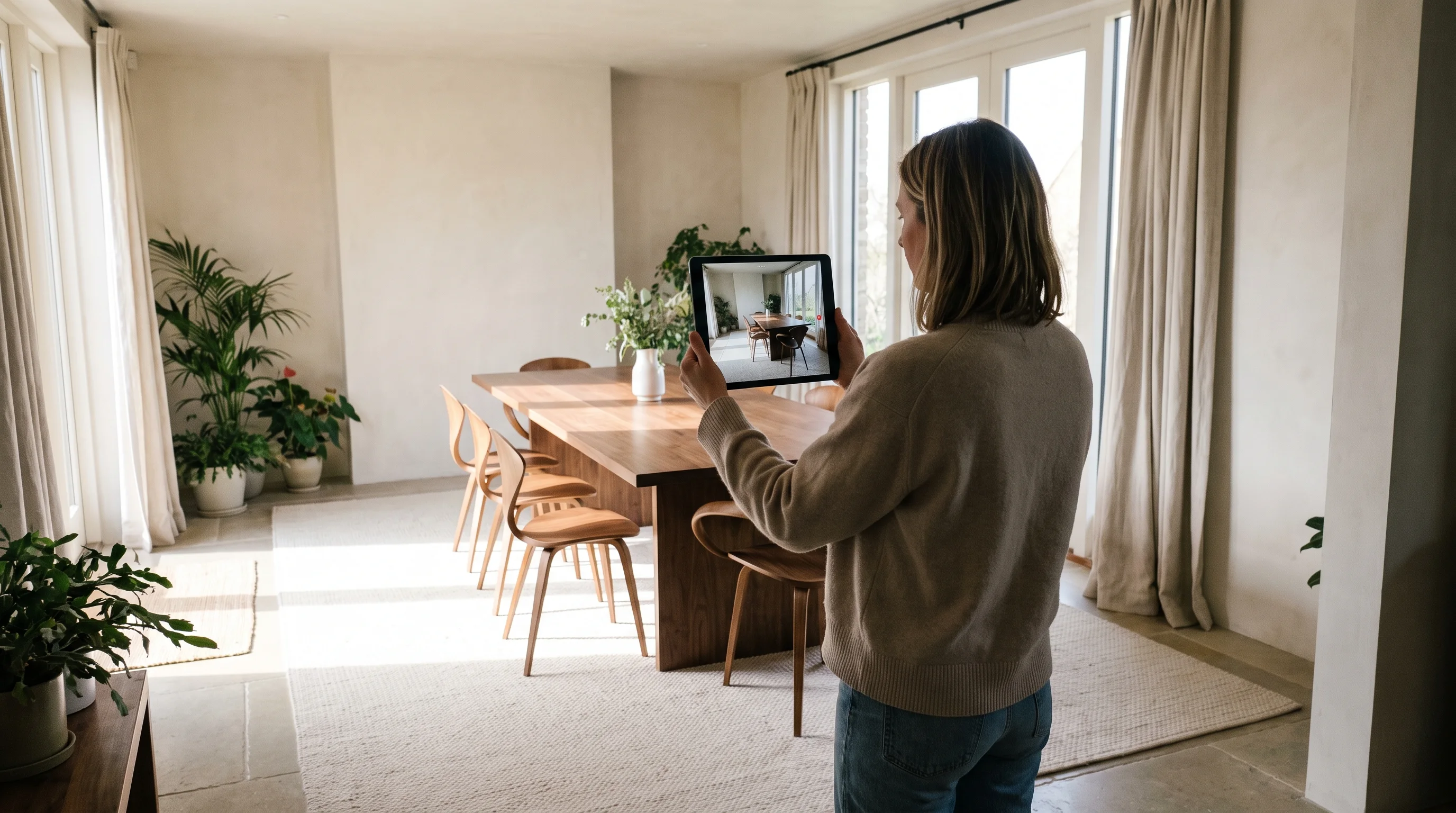
True-scale preview of a walnut dining table on a tablet in a bright designer living room

Furniture, Decor & Home

Place products at believable scale in the customer's room, compare finishes, and understand proportion before delivery.

View-in-your-space product AR

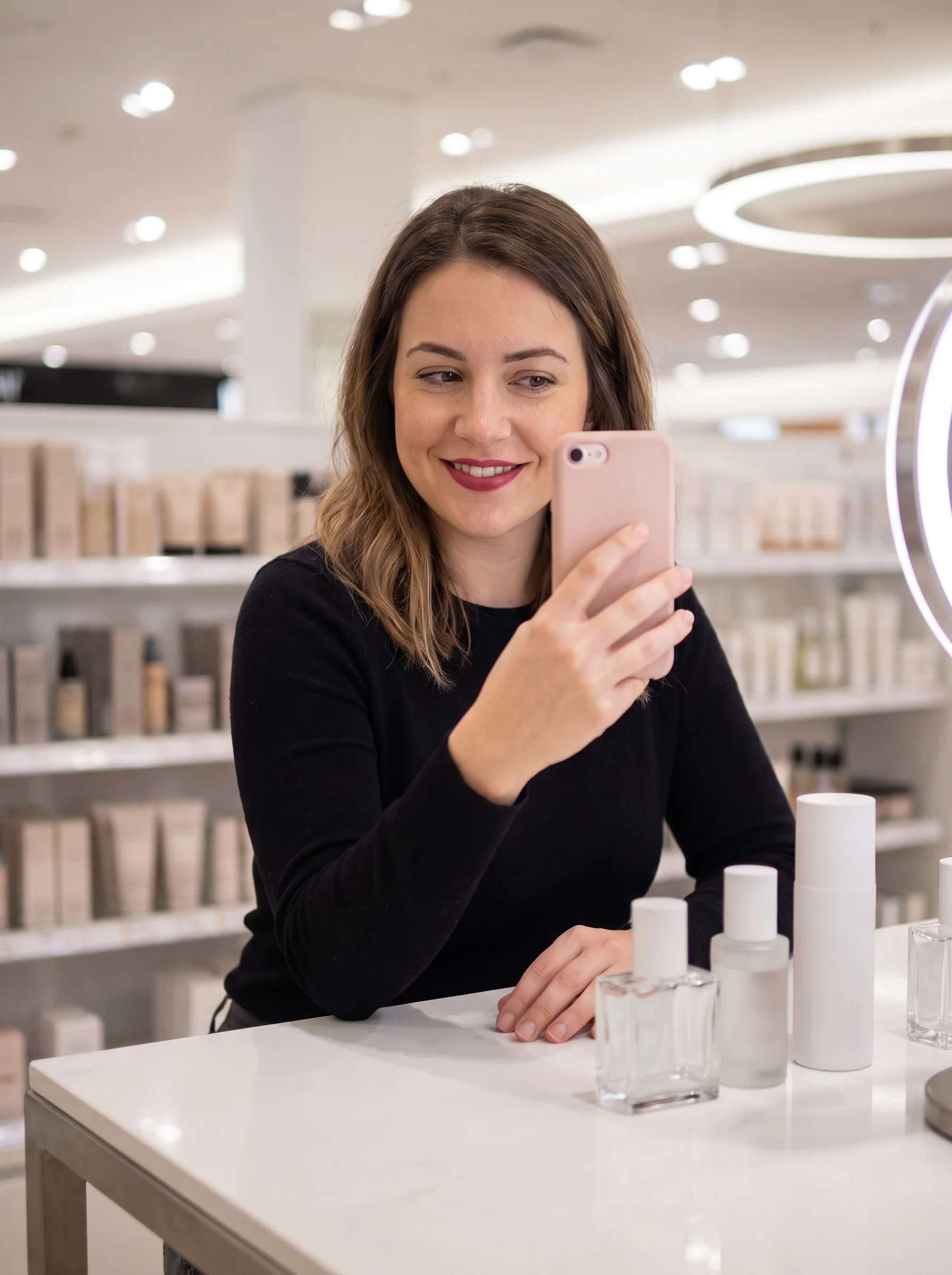
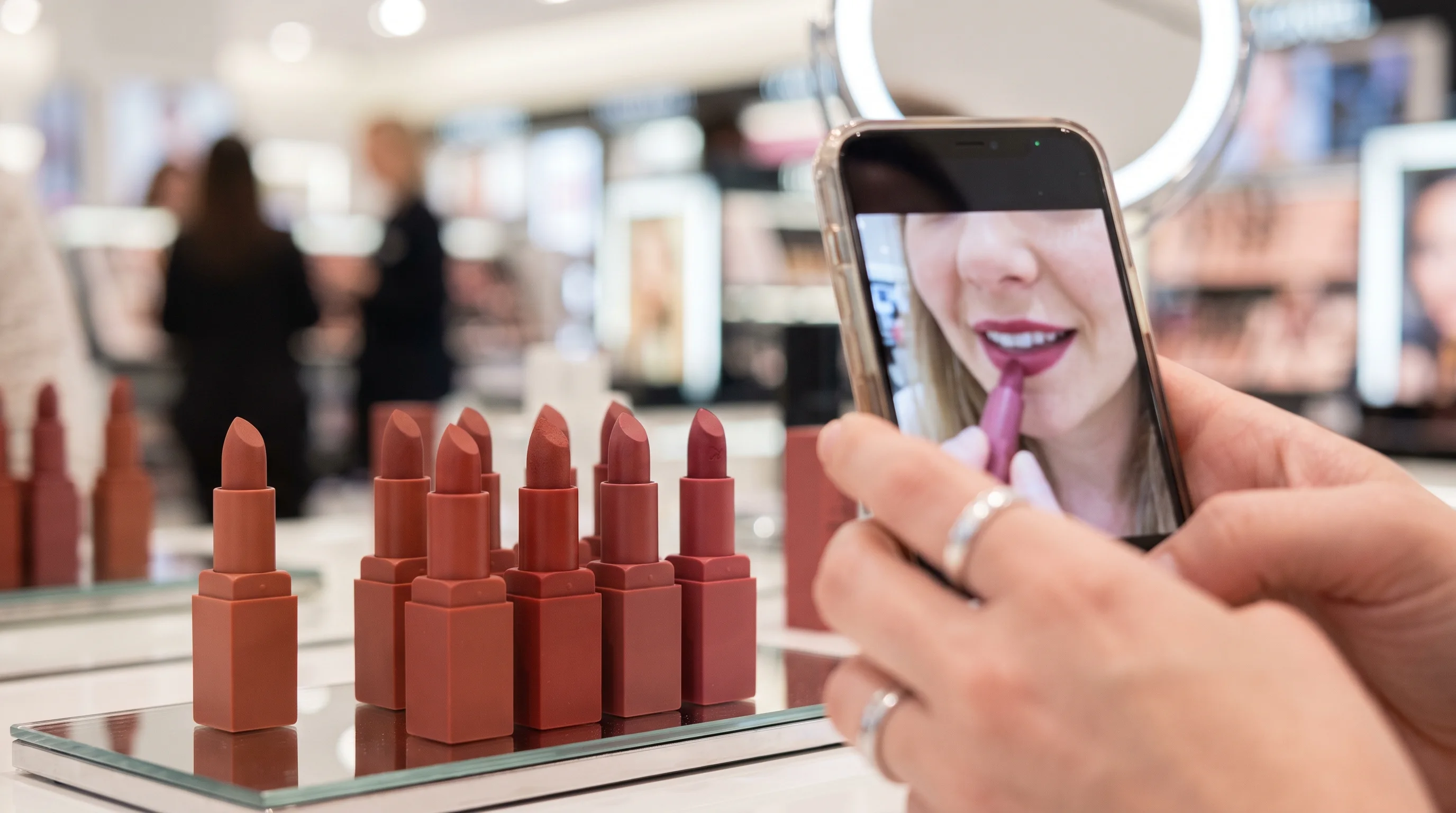
Shopper testing a lip shade with a face-tracking try-on preview at a bright beauty counter

Beauty & Cosmetics

Preview shades, finishes, and looks through real-time face tracking, connected to the exact product variant.

Face effects and shade try-on

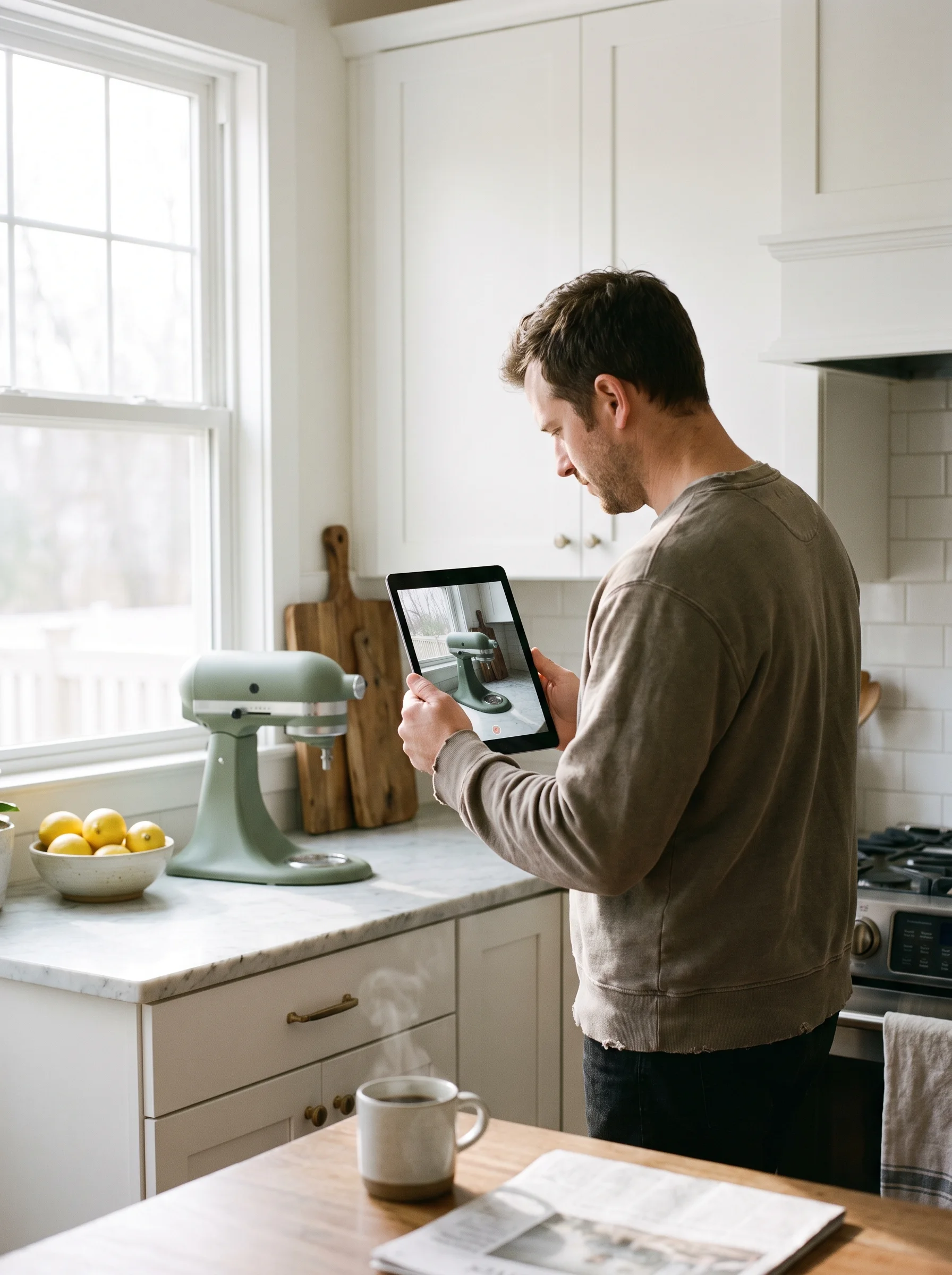
Shopper checking the size and placement of a stand mixer on a kitchen counter with a tablet

Appliances & Electronics

Preview size and placement, explore features, compare models, and reveal setup or operating guidance.

True-scale placement and visualization

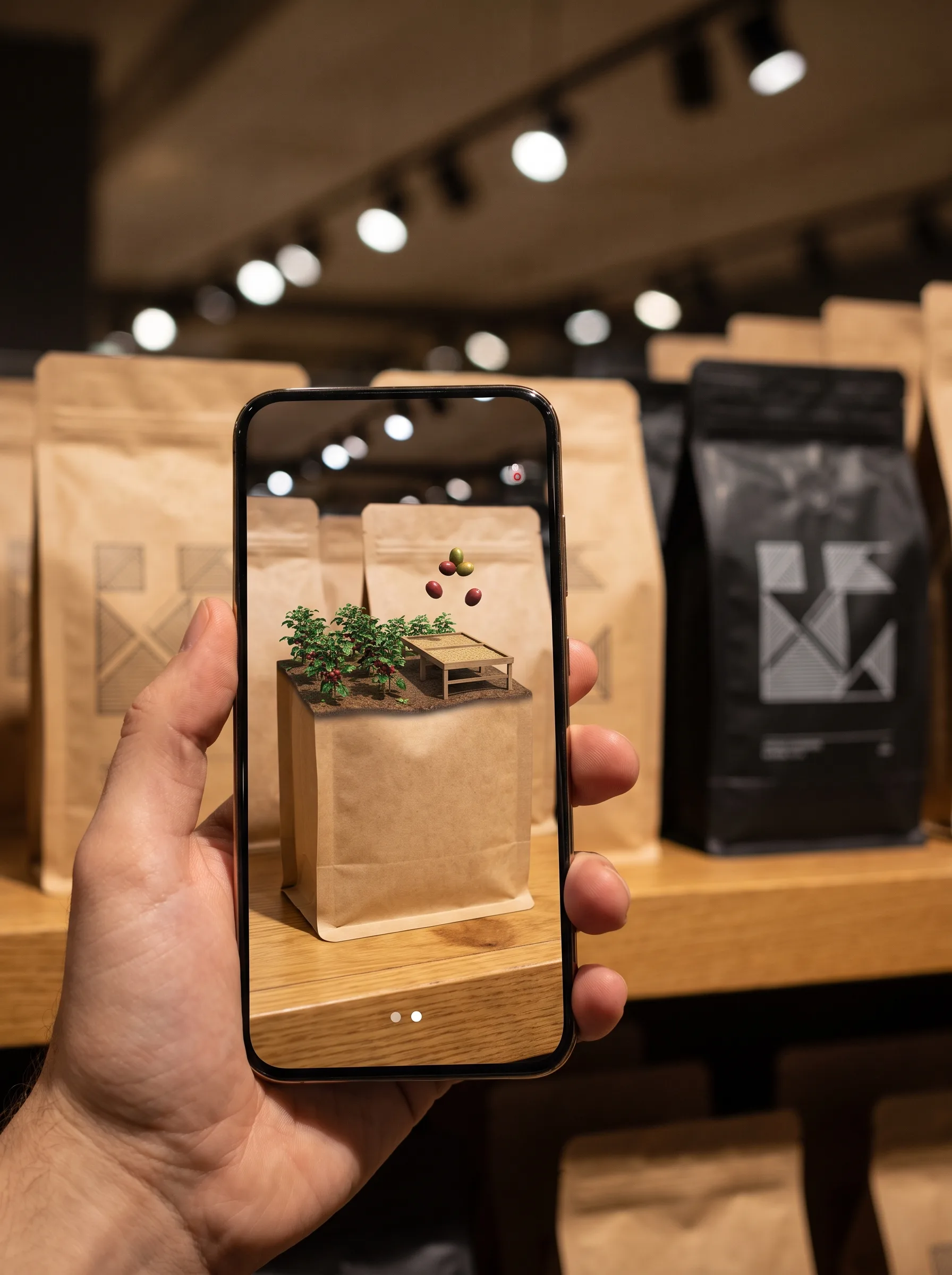
Phone showing an AR product story playing over a bottle on a premium grocery shelf

Consumer Packaged Goods

Turn a package, shelf talker, or QR code into product education, games, promotions, loyalty, or post-purchase content.

AR packaging and in-store activation

Sales associate walking a customer through a product story on a tablet in a high-end showroom

Luxury & High-Consideration

Guided product stories, premium configuration, virtual showrooms, and sales-assisted spatial experiences.

Configurators, showrooms, assisted commerce

Conversion & Returns

Augmented Reality in E-commerce

Augmented reality in e-commerce attacks the two numbers every retailer watches: conversion and returns. Published retail research has repeatedly linked AR product experiences to higher engagement, stronger buyer confidence, and fewer returns on considered purchases. We build AR into the funnel itself — product pages, carts, and campaigns — rather than beside it.

Most e-commerce AR starts in the browser: a view-in-your-space button on the product page, delivered through WebAR so no install stands between the shopper and the product. The same 3D assets drive a 3D product configurator when the product has options to choose, and native AR inside your app when the audience is already installed.

Shopper browsing products on her phone at home beside an opened parcel — augmented reality in ecommerce meets the shopper on the sofa

Shipped Proof

Our Retail AR Work

Retail AR should be judged by what reaches shoppers — not by a concept reel. These two proof points show Frame Sixty working across both a shipped virtual try-on product and a large retail campaign connecting physical purchase behavior with a digital experience.

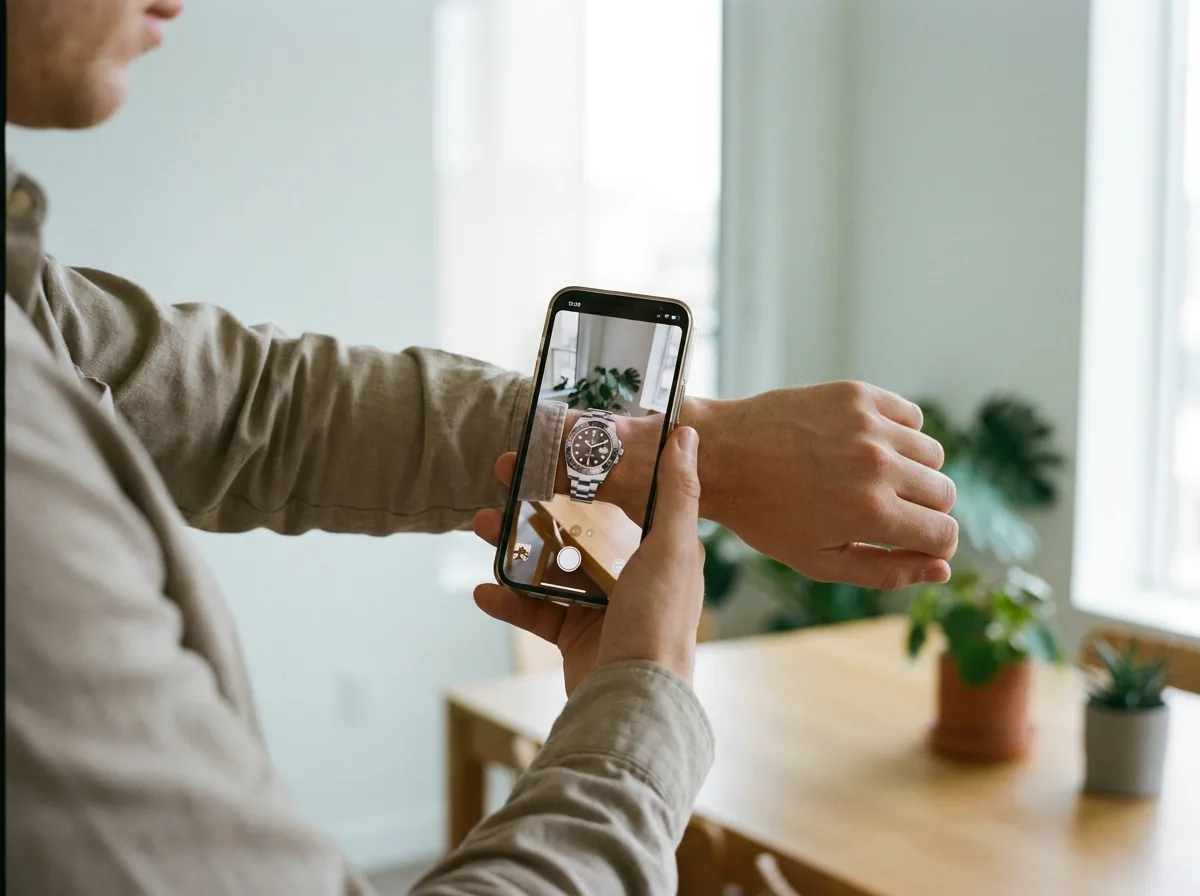
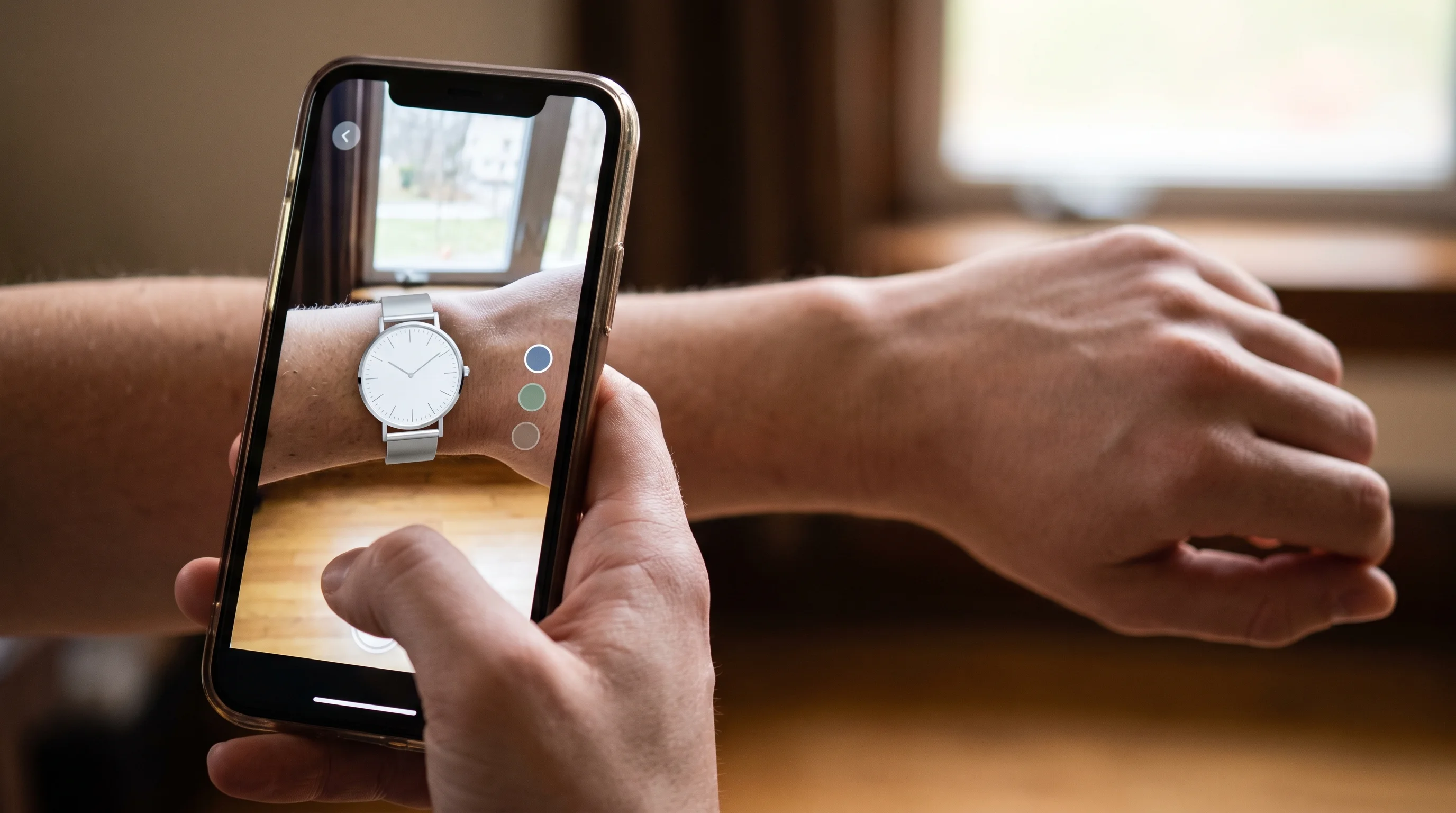
Shopper previewing a watch on their own wrist through a phone camera — the shipped virtual try-on experience

Confidential Retail Product · Virtual Try-On

Shipped Virtual Try-On App

Frame Sixty designed and developed a production virtual try-on experience that lets shoppers preview products through their phone camera. It is direct proof that our team has carried virtual try-on beyond a prototype and into a shipped retail product.

Virtual try-onMobile cameraFace or body trackingProduction launch
Talk to Us About Virtual Try-On
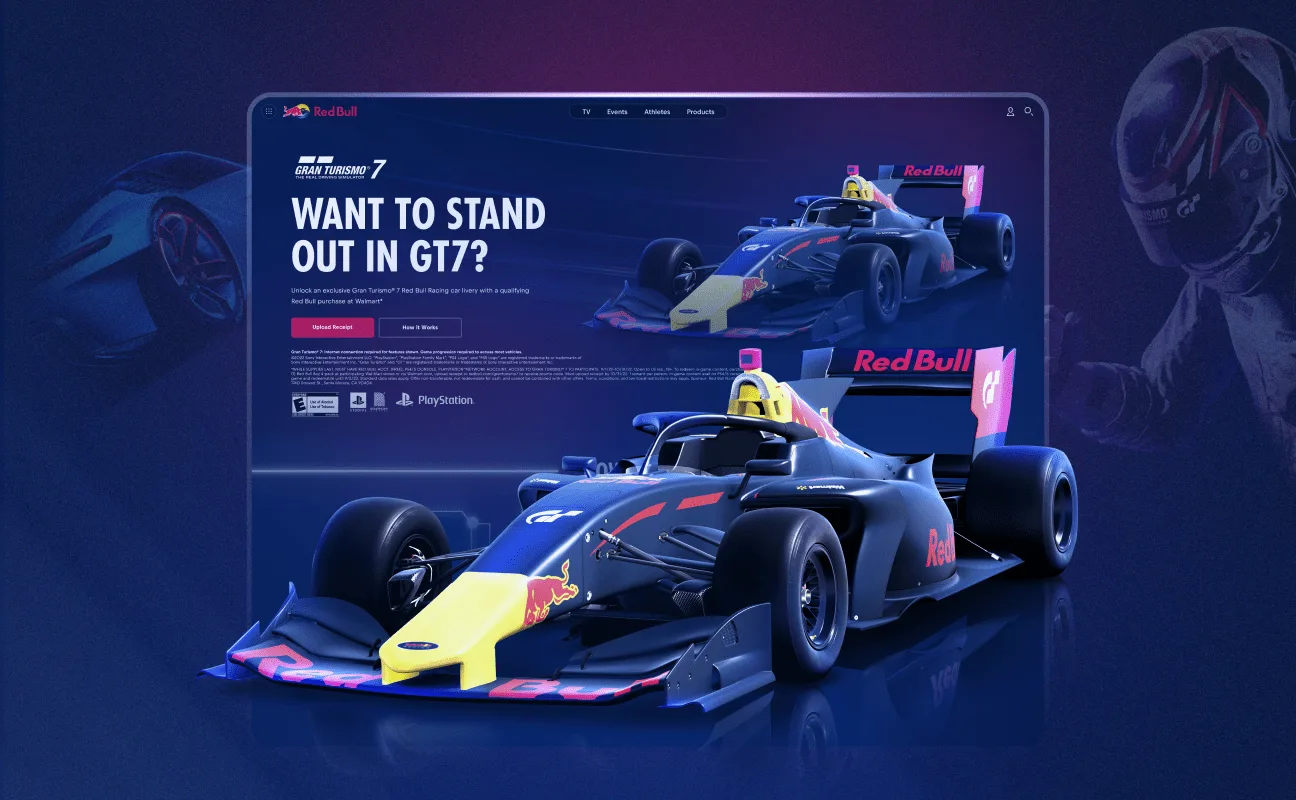
Red Bull × Walmart Gran Turismo 7 campaign — the purchase-to-digital reward experience built with Frame Sixty

Retail Activation · Red Bull × Walmart

Red Bull × Walmart × Gran Turismo 7

Frame Sixty helped connect a qualifying Red Bull purchase at Walmart with an exclusive Gran Turismo 7 reward through a cross-platform digital campaign — a physical retail moment continuing into a branded digital journey with clear participation steps, redemption, and campaign infrastructure.

Retail campaignPurchase-to-digital journeyMicrositeReward flow
View the Red Bull Project

Platform Strategy

Platforms for Retail AR

The best platform is the one that meets the shopper where the shopping journey already happens. Most retail programs begin in the browser or on the phone. Native apps make sense when the retailer already has an active installed audience or the experience needs deeper device access and persistence.

WebAR

Launch AR from a product-page button, QR code, social link, ad, package, or store display without asking the shopper to install an app. We build browser-based retail experiences with technologies such as 8th Wall and web-compatible 3D delivery.

Best for: Campaigns, packaging, first-time shoppers, product pages, and broad mobile reach.

Typical capabilities: Face effects, image tracking, product placement, 3D viewers, simple games, analytics, and commerce handoff.

Explore WebAR Development

Native iOS

Use native iOS when the retailer already has an app audience or the experience benefits from deeper Apple-platform integration. ARKit supports refined tracking, product placement, face and body experiences, account-aware journeys, and direct integration with an existing app.

Best for: Loyalty apps, repeat customers, deeper personalization, and premium Apple-first experiences.

Typical capabilities: ARKit, face tracking, body tracking, persistent app state, native accounts, notifications, and commerce integration.

Native iOS Retail Apps

Native Android

Use native Android or a shared cross-platform architecture when Android coverage, device diversity, and connection to an existing retail app are central to the program. ARCore supports core tracking and placement experiences across compatible Android devices.

Best for: Retailers with an Android customer base, existing Android apps, or a cross-platform mobile roadmap.

Typical capabilities: ARCore, product placement, image tracking, shared Unity workflows, accounts, analytics, and commerce integration.

Native Android Retail Apps

One product library, prepared for every channel

Frame Sixty's 3D pipeline prepares optimized product assets in formats such as USDZ and glTF, allowing one approved product library to support WebAR, iOS, Android, product pages, virtual showrooms, and marketing renders.

WebAR8th WallARKitARCoreUSDZglTFQR codeFace tracking
DecisionWebARNative iOS / AndroidHybrid program
Shopper must install an appNoYes, unless already installedBrowser entry with app expansion
Best entry pointsProduct page, QR, campaign, packagingExisting retail app, loyalty journeyMultiple channels
Typical depthFast, focused interactionDeeper features and persistenceShared strategy and asset layer
Product data integrationYesYesYes
Best for repeat engagementModerateStrongStrongest when audience supports it
3D formatsglTF and web-optimized assetsUSDZ, glTF, native or engine-ready assetsShared source library with platform exports

Final platform selection follows discovery and device testing.

Inside the Funnel

Integration

Commerce

We integrate AR with Shopify and other e-commerce platforms — product data, variants, and 3D assets connected to the product page, cart, and checkout, so the experience lives inside the funnel and is measured like the rest of it.

Product assets

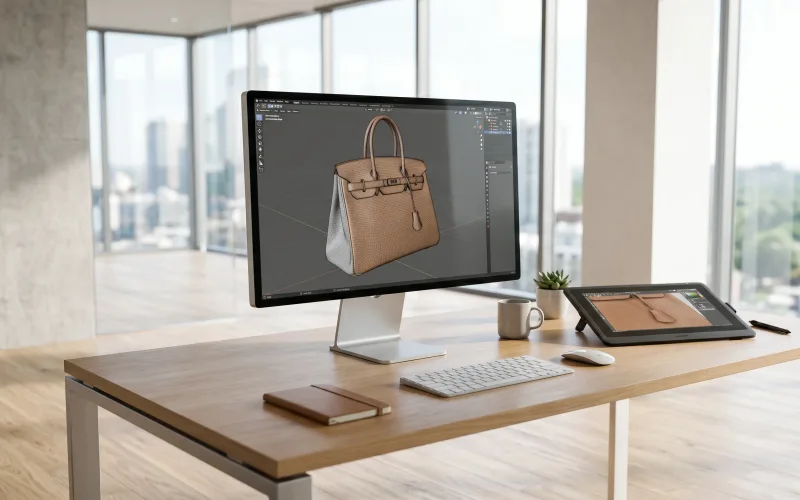
Our in-house 3D team converts product photography and CAD into optimized, photoreal assets in formats like USDZ and glTF — one product library feeding try-on, view-in-your-space, packaging experiences, and your marketing renders alike.

Measurement

AR events land in your analytics — launches, try-on starts, placements, add-to-carts after AR — reported like any other commerce feature, against the baseline agreed before launch.

Measurement

What to Measure

A retail AR launch should be measured like a commerce feature. Engagement matters, but the useful question is what happens after the shopper sees, tries, places, scans, or configures the product.

Reach and readiness

  • AR entry-point impressions
  • AR launch rate
  • Asset-load success
  • Time to tracking readiness
  • Device and browser compatibility

Product interaction

  • Try-on or placement starts
  • Time actively interacting
  • Variant and material changes
  • Screenshots, saves, or shares
  • Repeated sessions

Commerce behavior

  • Product-detail return after AR
  • Add-to-cart after AR
  • Cart value after AR exposure
  • Checkout start and purchase
  • Store locator, redemption, or lead action

Post-purchase outcomes

  • Return rate by AR-exposed cohort
  • Return reason by category
  • Support interactions
  • Repeat engagement or loyalty behavior

Before launch, agree on the primary decision the experience is supposed to improve and the baseline it will be compared against. A virtual try-on and an in-store game may share technology, but they should not share the same success metric.

Define the Measurement Plan

Process

How We Build Retail AR

Retail AR works best when product strategy, 3D production, engineering, and commerce integration move together. Frame Sixty structures the project around a working experience on real devices — not a long presentation phase that postpones the hard questions.

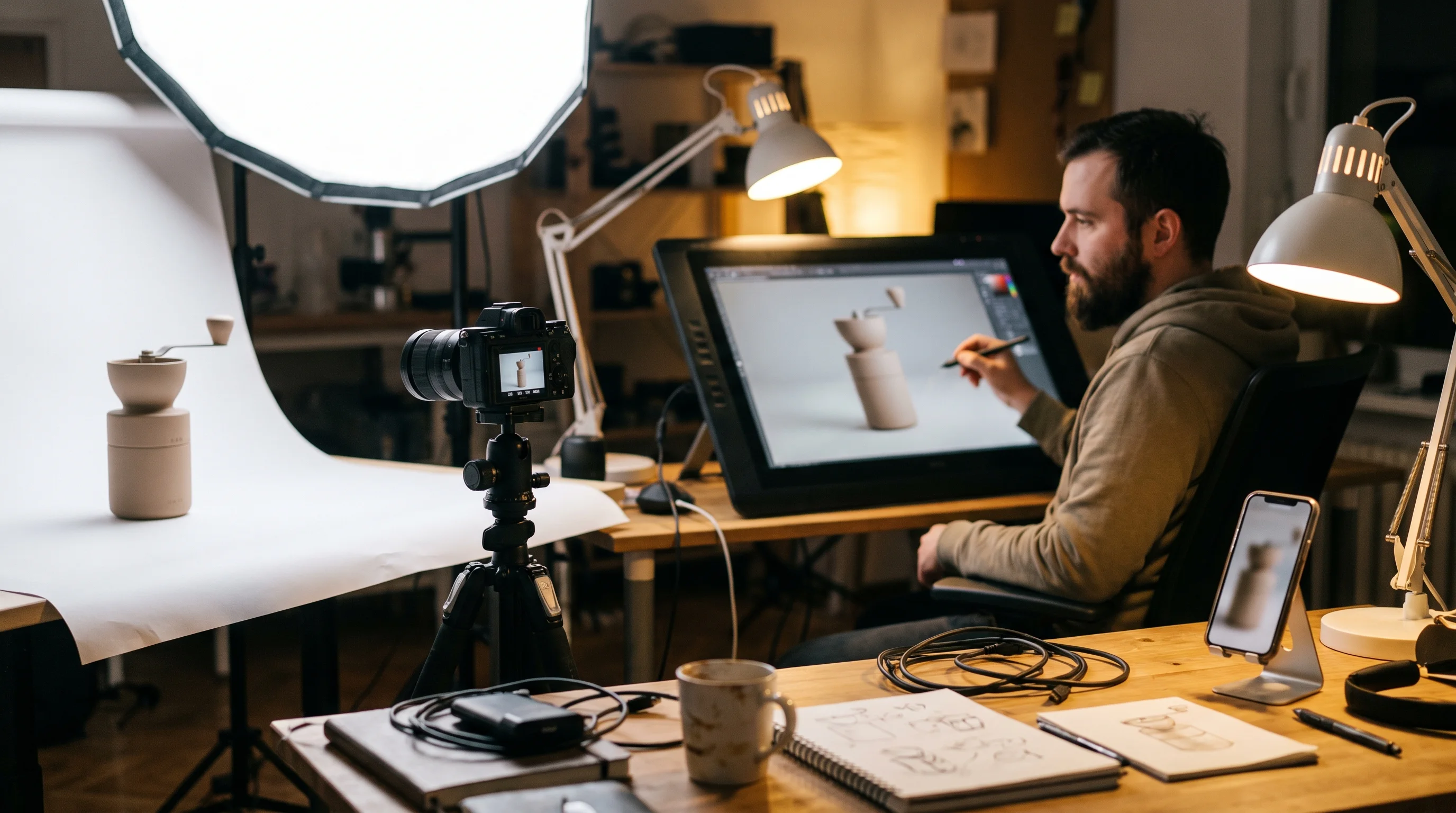
The 3D product pipeline in one studio — product photography set, a 3D artist modeling the product on a pen display, and a phone ready for AR testing

01

Frame the shopper decision

Define the audience, product category, entry point, buying hesitation, business goal, and primary success signal.

02

Audit product data and assets

Review photography, CAD, existing 3D models, SKU structure, variants, commerce platform, analytics, and brand requirements.

03

Prototype on the real device

Build the smallest experience that proves tracking, scale, interaction, visual quality, and launch path on the phones shoppers will actually use.

04

Produce the 3D library and experience

Create and optimize product assets while engineering the WebAR or native application, keeping content quality and performance aligned.

05

Integrate and test the journey

Connect product data, variants, cart or campaign actions, analytics, and content systems. Test across real spaces, lighting, networks, browsers, and devices.

06

Launch, measure, and expand

Release the experience, review real usage, fix friction, and expand the product library, campaign footprint, or platform mix when the first scope proves itself.

Cost

What Retail AR Costs

The cost of retail AR depends on scope: a single-product AR viewer is a different budget from a virtual try-on program or a multi-store campaign. Project work is quoted as a fixed bid after a discovery call, so the full cost is clear before development begins.

Latest news

Augmented Reality in Retail FAQs

How is augmented reality used in retail?

Augmented reality in retail is used for virtual try-on, true-scale product visualization in the shopper’s space, in-store activations, AR packaging, and virtual stores. Shoppers see products on themselves or in their rooms before buying, and retailers use AR campaigns to earn attention in-aisle and online.

What does retail AR development cost?

The cost depends on scope: a single-product AR viewer is a different budget from a virtual try-on program or a multi-store campaign. Project work is quoted as a fixed bid after a discovery call, so the full cost is clear before development begins.

Does AR actually increase conversion?

Published retail research has repeatedly linked AR product experiences to higher engagement, stronger buyer confidence, and fewer returns on considered purchases — which is why major retailers keep expanding AR programs. Results vary by category and implementation; we design around the decision your shopper is actually making.

How does virtual try-on work?

Virtual try-on uses the phone’s camera and face or body tracking to place the product on the shopper in real time — glasses on their face, a watch on their wrist, makeup on their skin — in the browser or your app. We build try-on from your product photography and 3D assets, shipped where your customers already shop.

Do shoppers need to download an app?

No — most retail AR we build runs in the mobile browser through WebAR, launching from a link, a QR code, or the product page. Native iOS and Android apps make sense for retailers with an installed base; for everyone else, the browser removes the biggest drop-off step.

Can AR integrate with Shopify or our e-commerce platform?

Yes — we integrate AR with Shopify and other commerce platforms, connecting product data and 3D assets to the product page, cart, and checkout. The goal is AR inside the funnel, measured like the rest of it; integration scope is defined during discovery.

Who creates the 3D product models?

Our in-house 3D team does — we convert product photography and CAD into optimized, photoreal 3D assets in formats like USDZ and glTF. One asset pipeline feeds try-on, view-in-your-space, packaging experiences, and your marketing renders alike.

Who owns the AR experience and assets?

You do — our contracts assign full IP ownership of the experience, code, and 3D product library, which is yours to reuse across campaigns and channels. We sign NDAs before discovery when needed, including for unreleased products and campaigns.

Why choose Frame Sixty for retail AR?

Frame Sixty has shipped the retail AR this page describes: a virtual try-on app in stores’ hands and an in-store AR campaign for Red Bull at Walmart, on top of 100+ apps and more than 10 million downloads. One studio covers the 3D assets, the AR build, and the commerce integration.

Get in touch

We’re interested to see how we can help. Send us a message and we will get back to you within 24 hours.