
Samsung Galaxy XR & Android XR Development
Frame Sixty is a US-based studio for Samsung Galaxy XR and Android XR development. We build immersive enterprise applications on Android XR using native toolchains and Unity, from pilot programs to full-scale deployment. Our team has shipped 100+ apps with more than 10 million downloads, and has built for Android XR since the platform launched.
Samsung XR Development Services
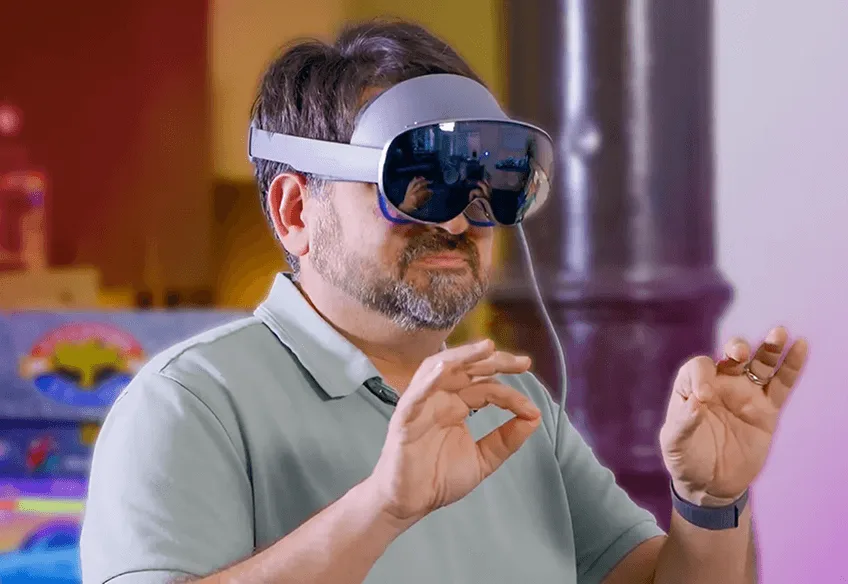
Samsung Galaxy XR App Development
Our team delivers advanced Android XR development tailored specifically for Samsung Galaxy XR devices. We work directly with Android XR frameworks and native APIs to build immersive applications that integrate with system features, and enterprise deployment requirements at scale.
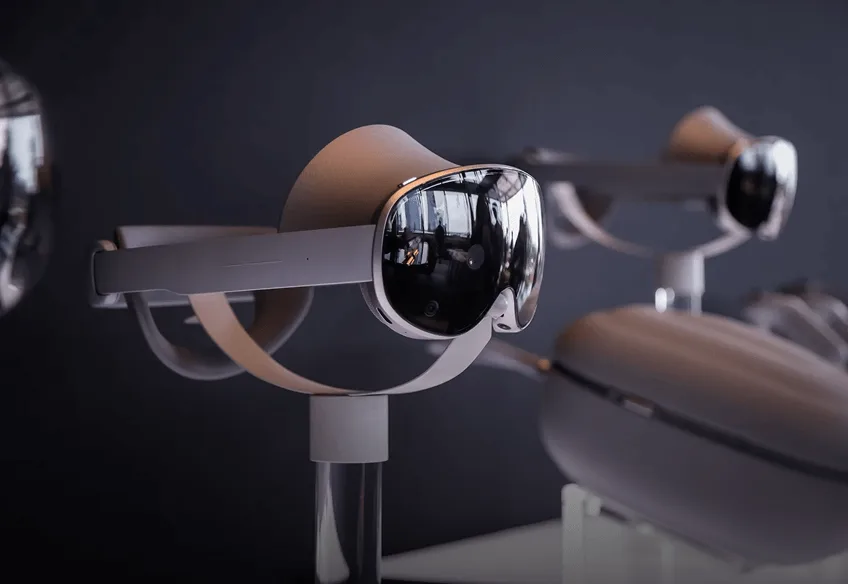
Android XR Engineering
We design and engineer scalable Android XR architectures tailored for Samsung Galaxy XR devices. Our approach ensures efficient system performance, maintainable codebases, and long-term compatibility as the Galaxy XR platform evolves.
Unity XR Experiences
We create immersive Unity-based experiences optimized for Samsung Galaxy XR hardware. From spatial interactions to real-time rendering, our solutions deliver smooth performance, visual clarity, and responsive user engagement in XR environments.
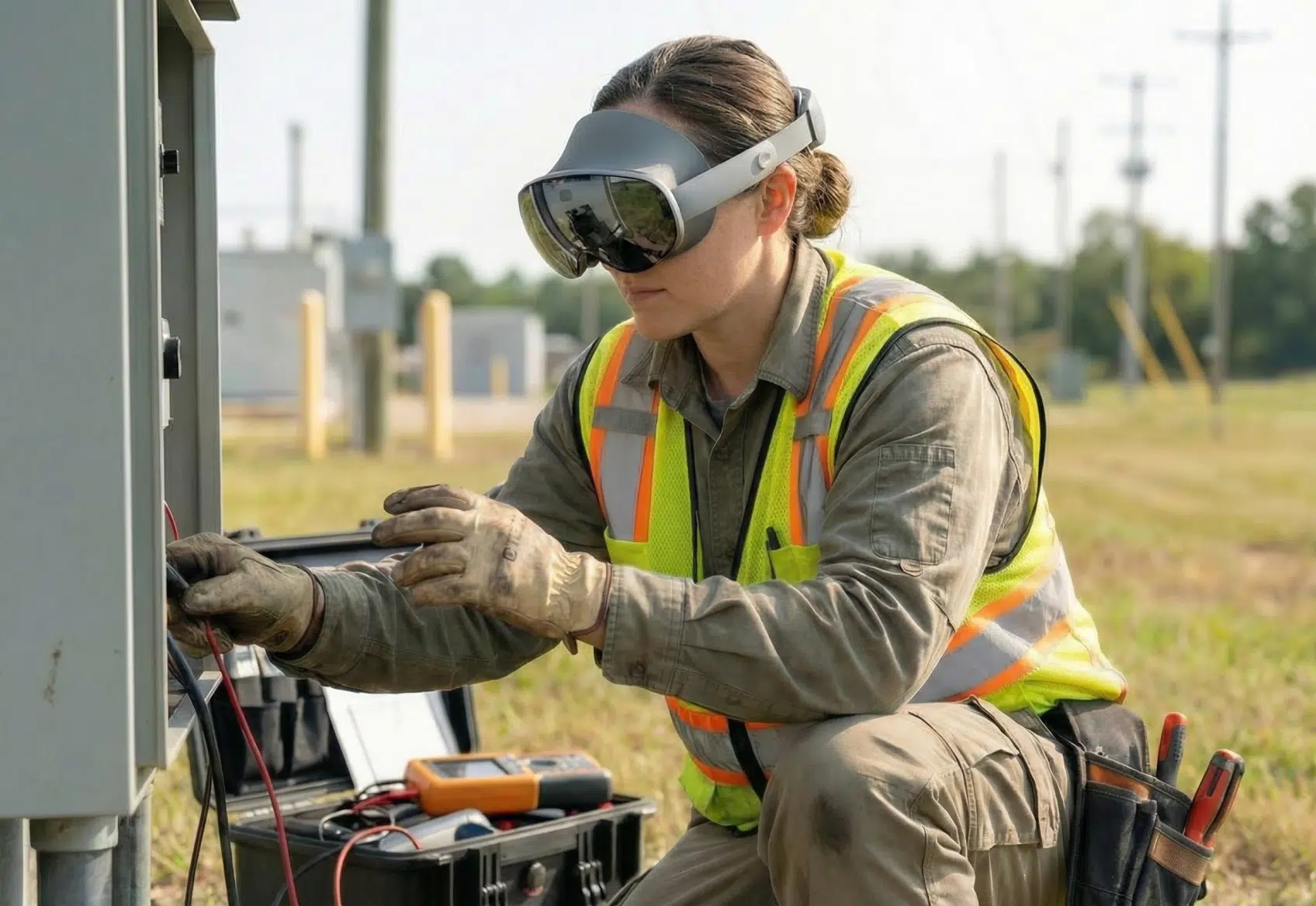
Enterprise XR Solutions
Our team develops enterprise-grade Samsung Galaxy XR solutions for training, visualization, and operational workflows. We prioritize security, reliability, and integration with existing enterprise systems to support real-world deployment at scale.
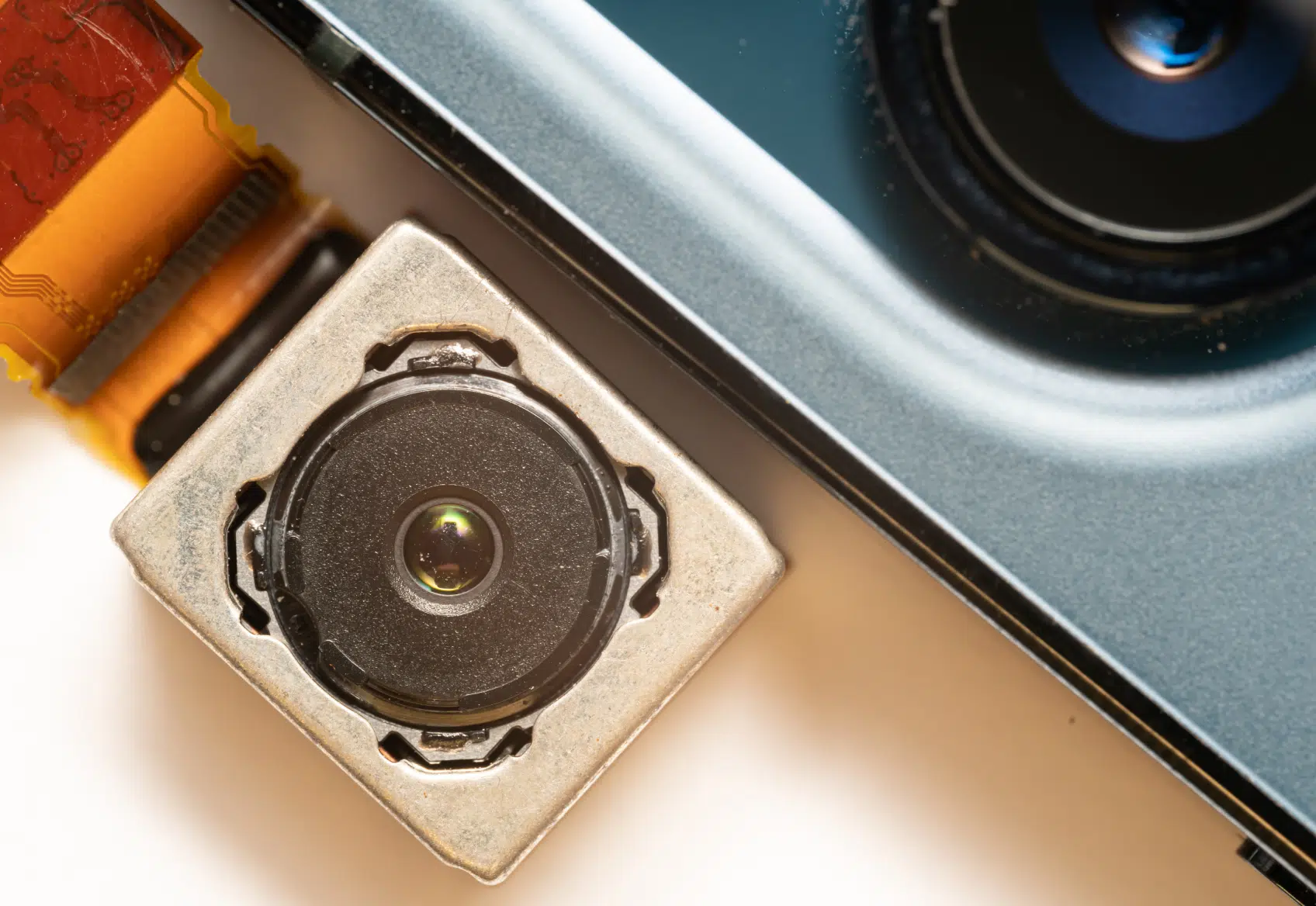
Hardware Integration
We integrate Samsung Galaxy XR applications with cameras, sensors, and connected hardware systems. This enables real-time data visualization, spatial awareness, and interactive XR experiences aligned with enterprise and industrial needs at scale.
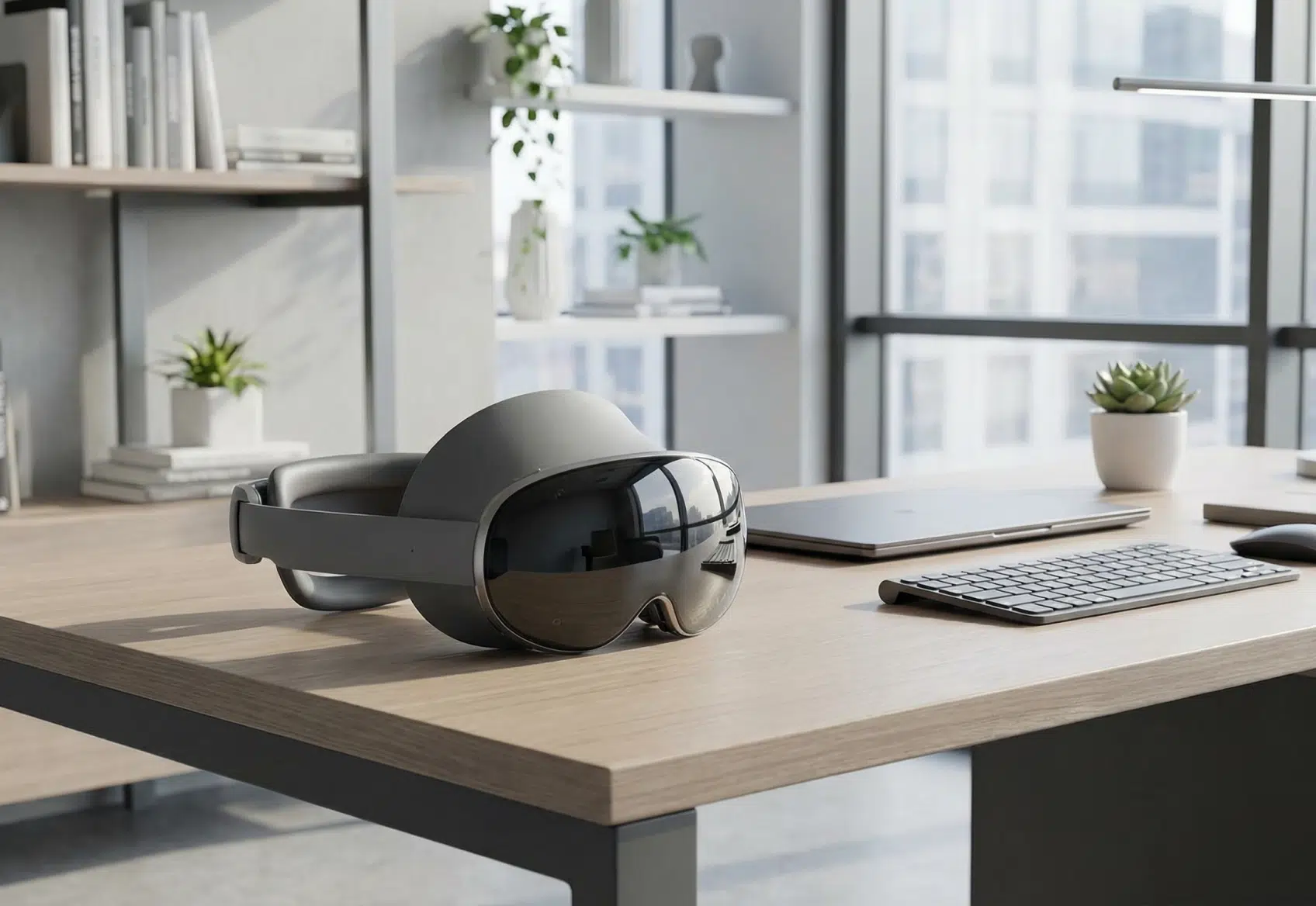
Performance & QA
We optimize Samsung Galaxy XR applications for frame rate stability, thermal efficiency, and memory usage. Through XR-specific QA and device testing, we ensure reliable performance across extended and demanding immersive sessions.
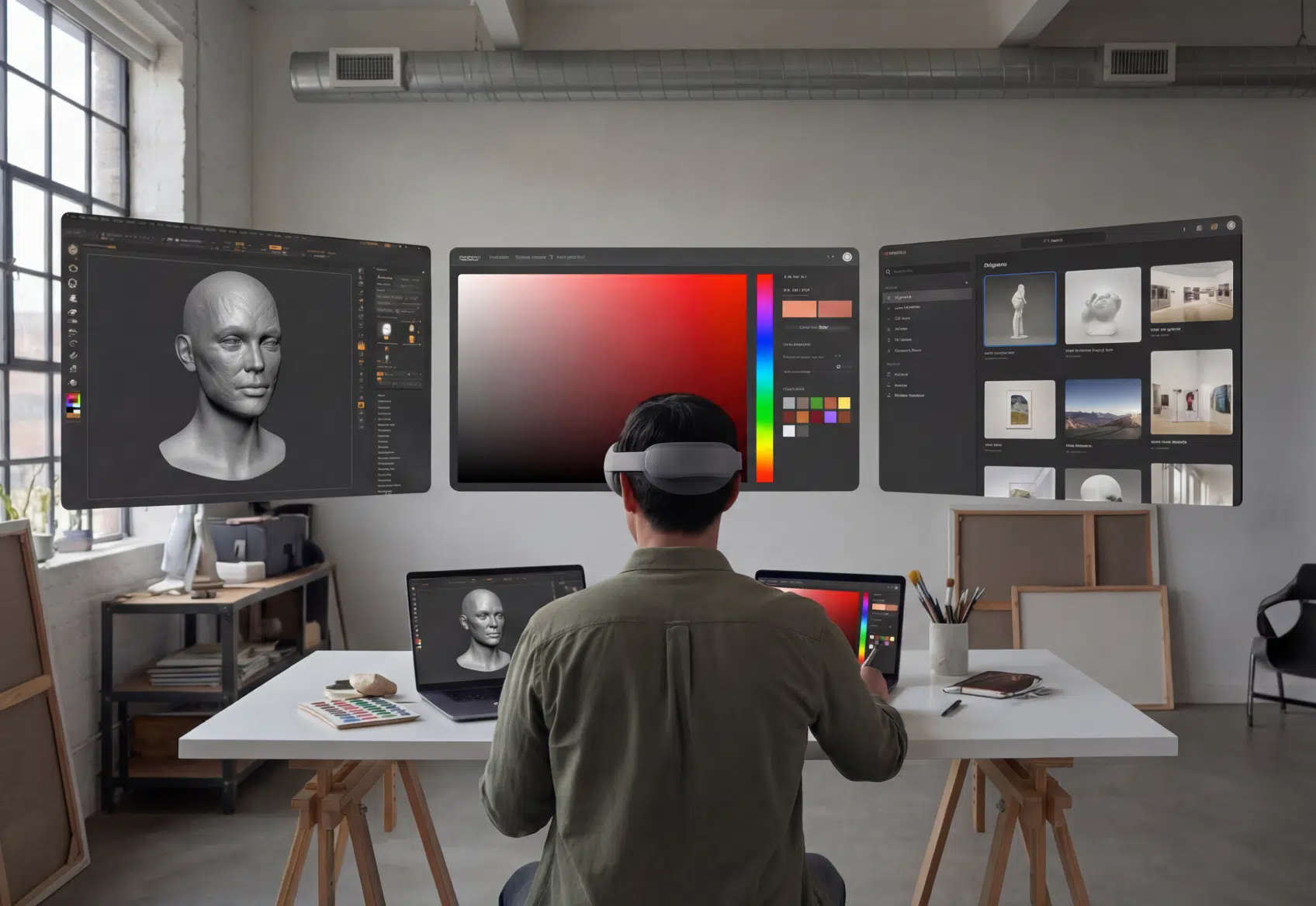
Deployment & Support
We support Samsung Galaxy XR deployments from pilot programs to full-scale enterprise rollouts. Our team manages packaging, updates, and long-term maintenance to ensure consistent performance across evolving Android XR platforms.
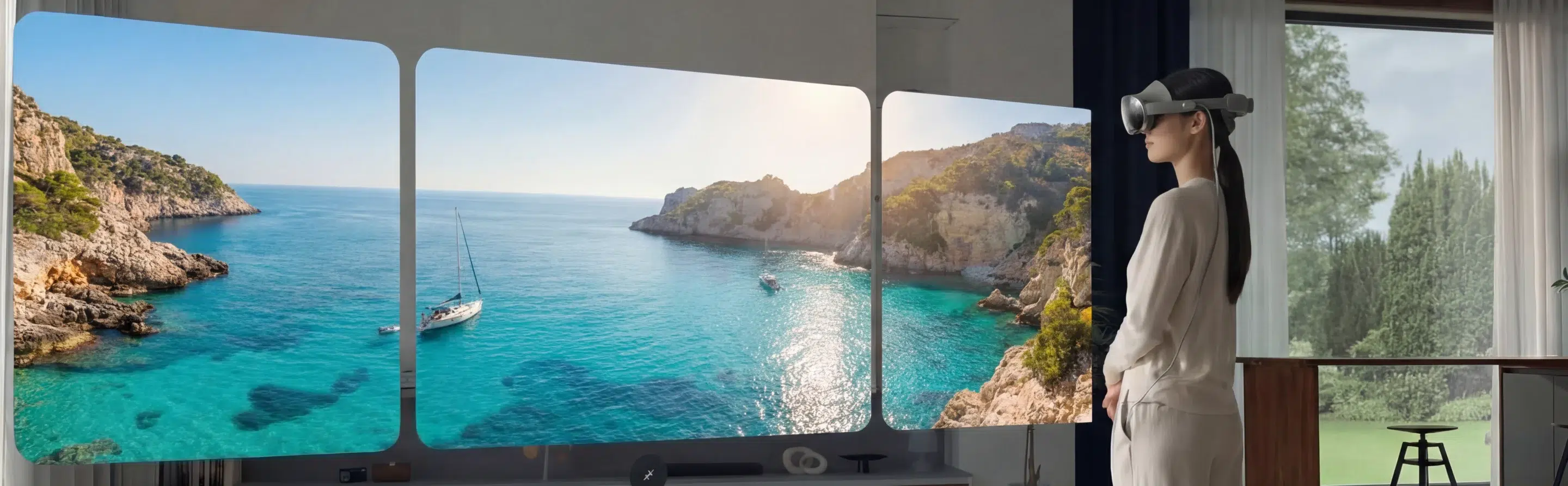
Samsung Galaxy XR Platforms
Latest News
Virtual Reality Property Walkthroughs: Cost, Technology, and How to Get One Built
How Much Does Apple Vision Pro App Development Cost? A 2026 Buyer’s Guide
XR Development Agency: AR, VR & Spatial Computing Services

Android XR App Development: What Businesses Need to Know in 2026
AR Try-On and Spatial Commerce: The ROI Case for Retail in 2026
Android XR Development for Samsung Galaxy
Our team delivers advanced Android XR development tailored specifically for Samsung Galaxy XR devices. We work directly with Android XR frameworks and native APIs to build performant, scalable immersive applications that integrate cleanly with system features, hardware capabilities, and enterprise deployment requirements.

Samsung Galaxy XR
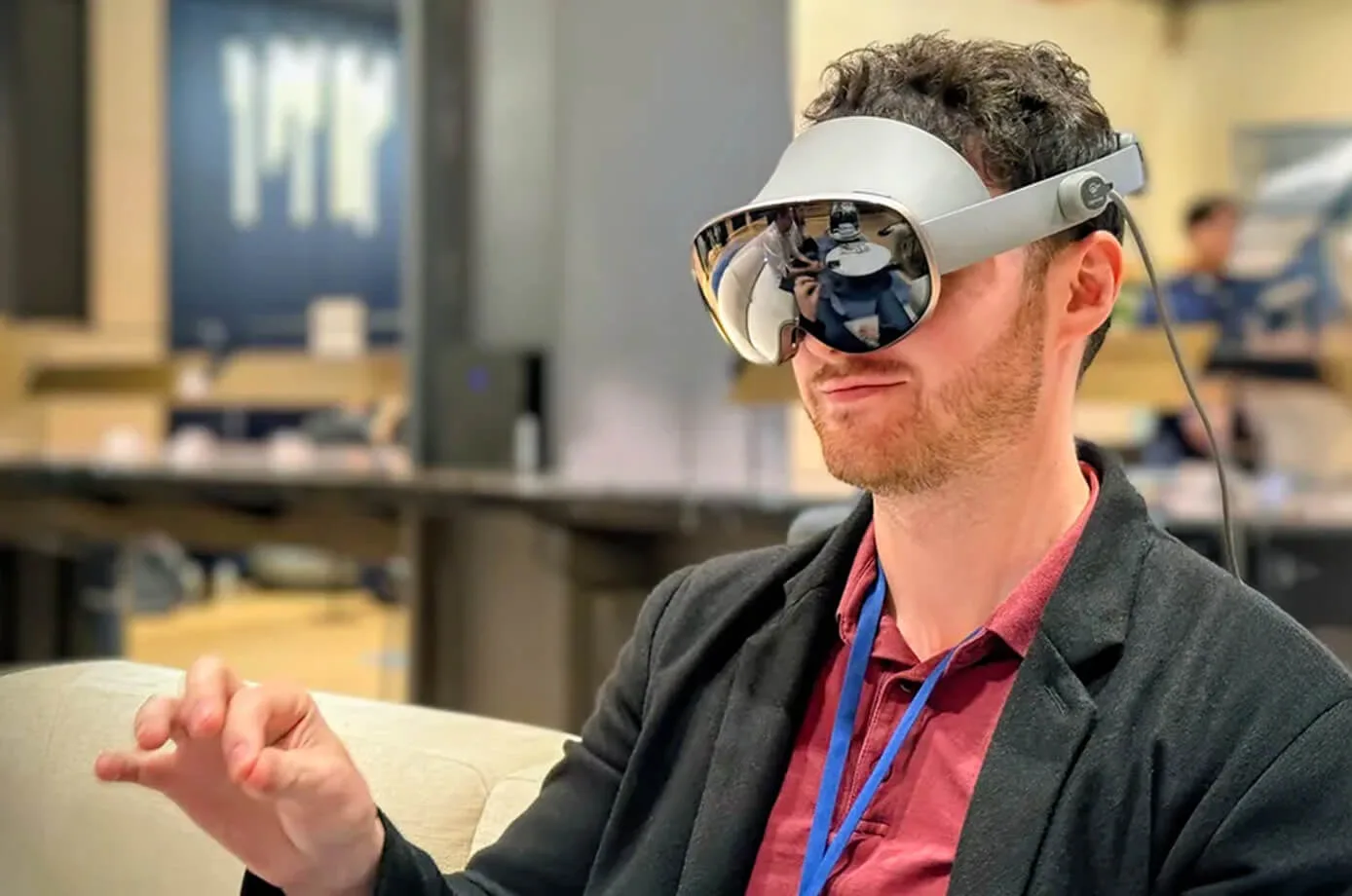
Next-Level Spatial Engagement
Galaxy XR empowers users to interact with virtual environments as naturally as in real life, blending comfort, clarity, and high-fidelity visuals for advanced training, collaboration, and exploration.
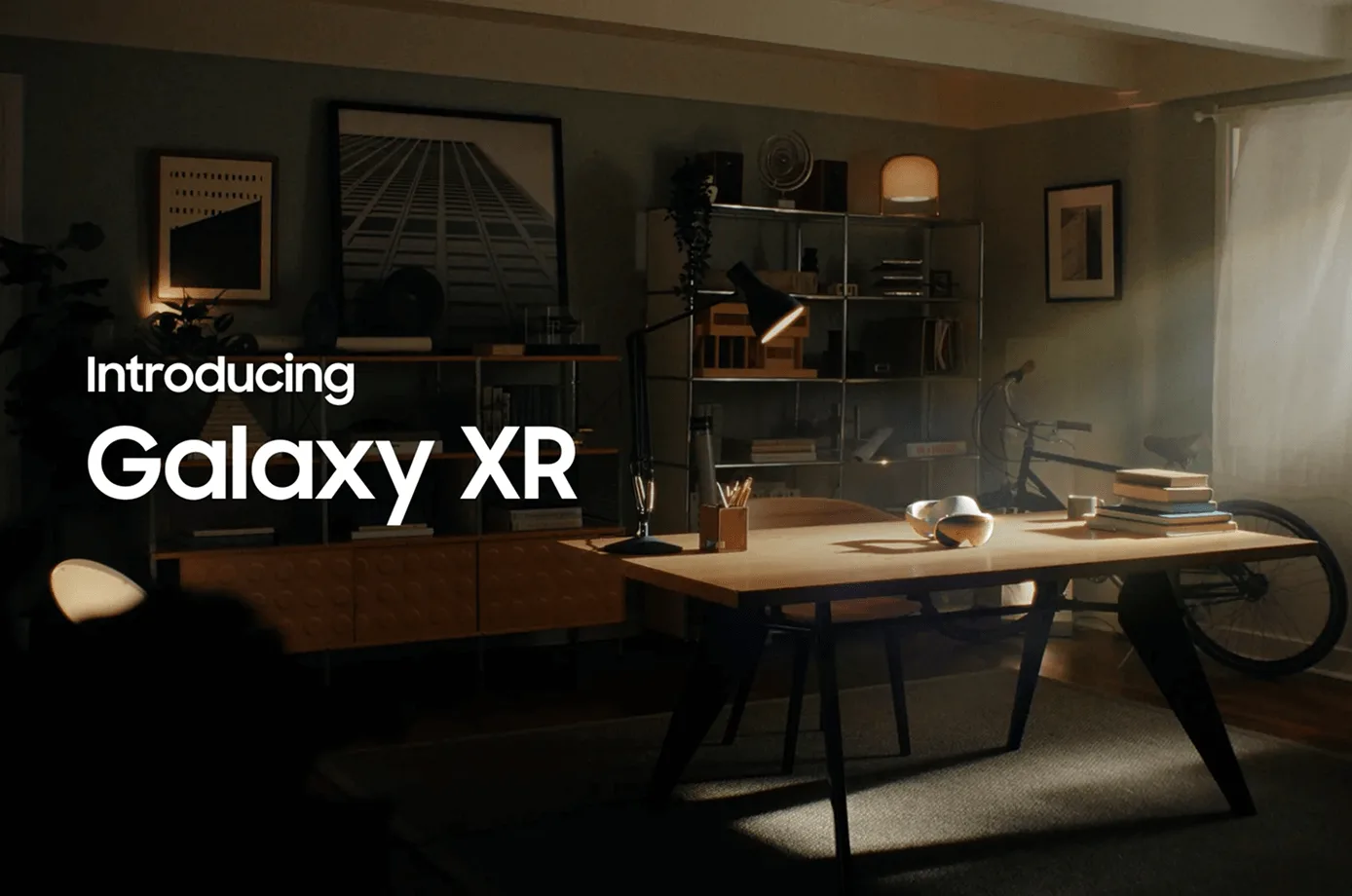
Samsung Galaxy XR
Samsung Galaxy XR gives developers a powerful spatial platform to build high-performance immersive apps, combining real-time passthrough, advanced tracking, and scalable rendering for enterprise and consumer experiences.
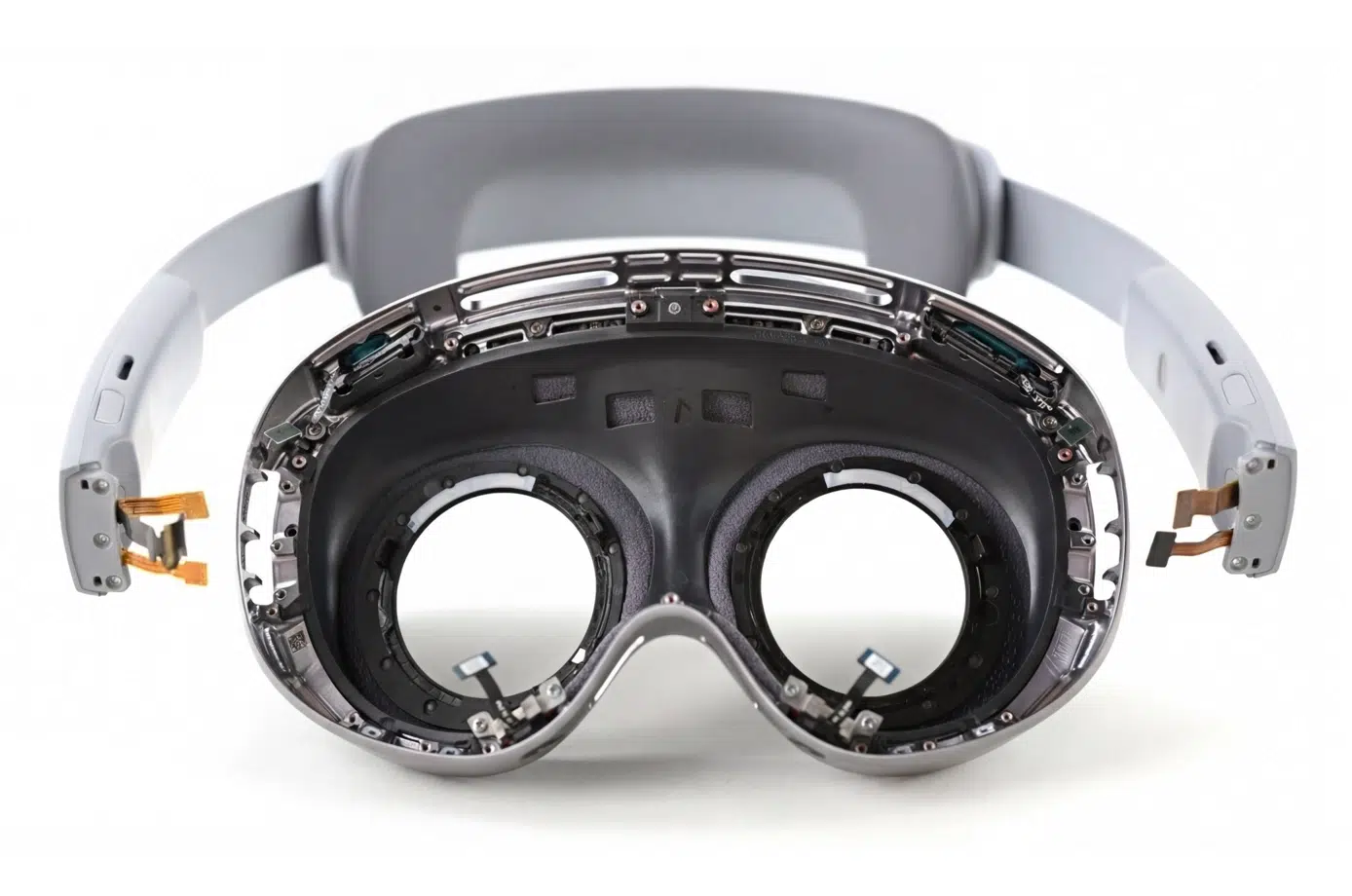
Sensors & Compute
Samsung Galaxy XR is powered by advanced spatial sensors, real-time depth mapping, and high-performance silicon, enabling precise tracking, natural hand tracking and eye input, and fluid mixed reality at scale.
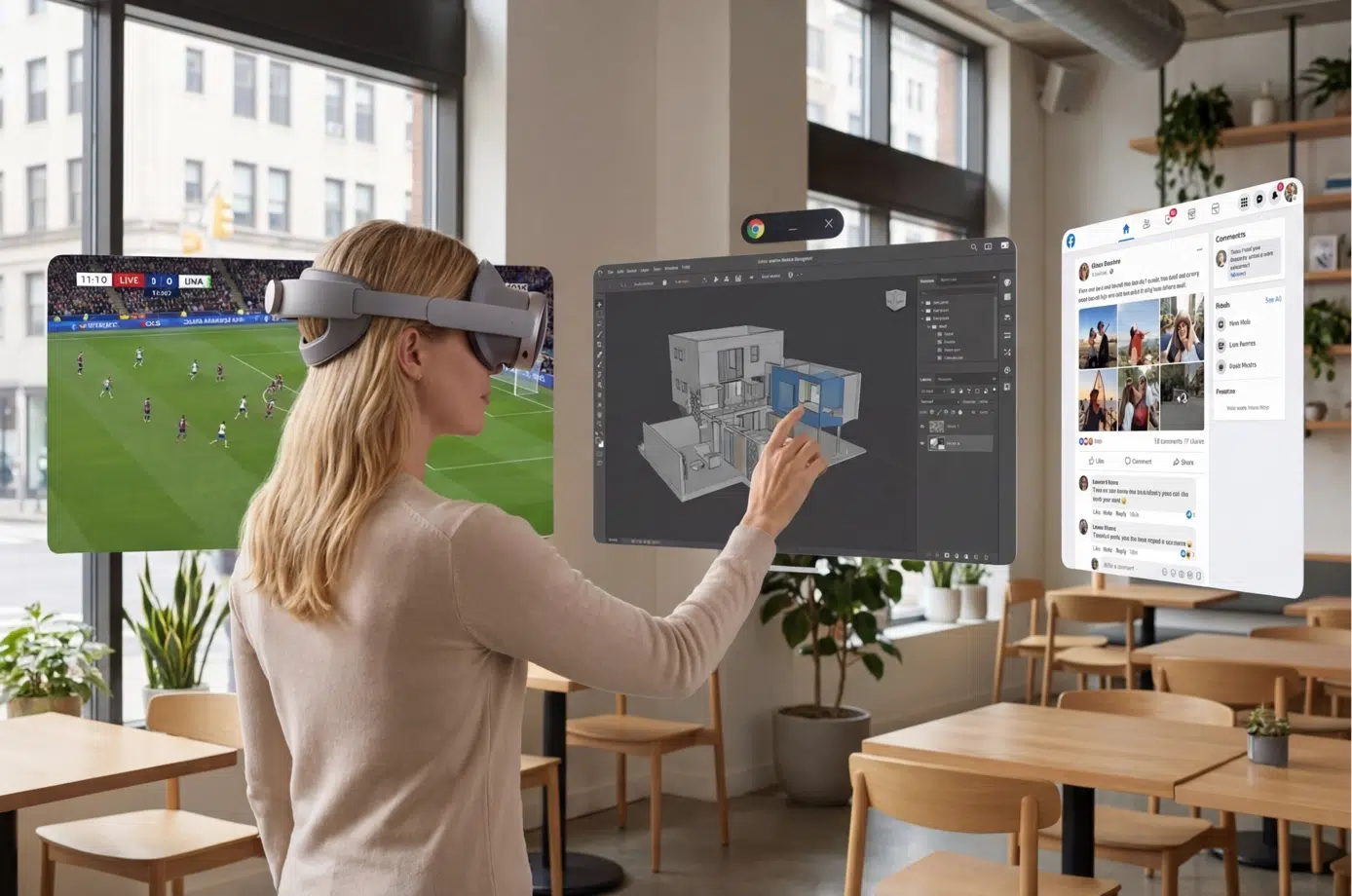
Experiences
Samsung Galaxy XR empowers teams to design applications that go beyond screens—bringing 3D data, interactive environments, and real-time collaboration into physical spaces.
Enterprise
We create immersive digital twins that visualize physical assets in Samsung Galaxy XR, enabling spatial understanding of equipment, facilities, and environments with real-world scale and accuracy.
Our Samsung Galaxy XR development supports digital twins that display operational data spatially, helping teams analyze system behavior, performance, and relationships in immersive XR environments.
We build digital twin simulations that allow users to test scenarios, workflows, and changes safely in Samsung Galaxy XR before applying them to real-world systems.
Samsung Galaxy XR digital twins enable shared spatial reviews, allowing multiple stakeholders to explore, discuss, and evaluate complex environments together in immersive XR.
We develop Samsung Galaxy XR training experiences that allow learners to practice tasks interactively, improving retention through immersive, hands-on simulation.
Samsung Galaxy XR development supports repeatable process simulations, allowing teams to rehearse workflows, procedures, and operational steps in controlled XR environments.
We design training simulations that track progress and performance, helping organizations evaluate skill development within Samsung Galaxy XR experiences.
We create immersive medical visualizations for Samsung Galaxy XR that help clinicians and students explore anatomy, conditions, and procedures in spatial 3D.
We design XR experiences that help patients better understand diagnoses, treatments, and anatomy through clear, immersive visualization.
Samsung Galaxy XR supports interactive medical research and academic education by enabling spatial exploration of complex medical data and concepts.
We build Samsung Galaxy XR experiences that provide step-by-step assembly guidance using spatial instructions aligned to physical equipment.
Samsung Galaxy XR development enables immersive visualization of factories, plants, and industrial spaces for planning and operational insight.
We create XR simulations that help teams analyze and optimize manufacturing processes through spatial representation and scenario testing.
We deliver optimized 360° video experiences for Samsung Galaxy XR, enabling immersive viewing for training, storytelling, and visualization.
We create spatial media experiences that place users inside narratives, environments, and events using Samsung Galaxy XR technology.
Samsung Galaxy XR immersive media solutions support internal communications, training, and presentations through spatial video experiences.
We build Samsung Galaxy XR educational experiences that combine interactive 3D content with spatial learning environments.
Samsung Galaxy XR development supports visualization of abstract or complex concepts through spatial, interactive educational content.
We design XR learning tools that help students and professionals build practical skills through immersive, hands-on experiences.
Implementation Stories
Samsung Galaxy XR Development FAQs
Below are answers to common questions about Samsung Galaxy XR development, Android XR platforms, and enterprise immersive solutions. This section is designed to help organizations understand how Samsung Galaxy XR applications are built, what use cases are supported, and how Frame Sixty delivers scalable, production-ready XR experiences.
Samsung Galaxy XR development is the building of immersive extended reality applications for Samsung's Galaxy XR headset, which runs the Android XR platform. Frame Sixty builds these applications with native Android XR toolchains and Unity, delivering enterprise immersive experiences from pilot programs through full-scale deployment.
Samsung Galaxy XR applications are built on Android XR using Unity for 3D content and interaction, combined with the Jetpack XR SDK, OpenXR, and native Android APIs. This toolchain gives Frame Sixty access to system-level features, hand tracking and eye input, real-time passthrough, and the performance controls needed for smooth rendering on Galaxy XR hardware.
Samsung Galaxy XR supports digital twins, enterprise training and simulation, medical visualization, manufacturing and industrial workflows, spatial and 360-degree video, and education. Frame Sixty focuses on enterprise use cases such as immersive asset visualization, hands-on safety training, and collaborative spatial reviews that put operational data into real-world context.
Yes — Samsung Galaxy XR is well suited to enterprise use because its Android XR foundation supports secure deployment, hardware integration, and long-term application lifecycle management. Frame Sixty engineers scalable Android XR architectures with maintainable codebases so applications stay performant and compatible as the Galaxy XR platform evolves.
Android XR gives developers native access to Android system APIs, hardware features, and performance controls that browser-based or abstracted XR platforms cannot reach. For Samsung Galaxy XR development that means deeper device integration, greater flexibility, and better scalability — the application can use the headset's sensors, compute, and tracking directly.
Yes — Samsung Galaxy XR applications can connect to databases, APIs, sensors, and internal tools, enabling real-time spatial visualization of operational data. Frame Sixty builds these integrations so digital twins and monitoring views reflect live system behavior inside the headset rather than a static copy of it.
The cost and timeline of a Samsung Galaxy XR project depend on scope: a proof-of-concept pilot is a different budget and schedule from a multi-phase enterprise deployment with ongoing support. Frame Sixty quotes project work as a fixed bid after a discovery call, so the full cost and timeline are clear before development begins.
Frame Sixty is a US-based studio that has built for Android XR since the platform launched, with 100+ shipped apps and more than 10 million downloads across its portfolio. The team delivers production-ready Samsung Galaxy XR solutions through Unity and native Android XR engineering, focused on performance, scalability, and real-world enterprise deployment.
Get in touch
We’re interested to see how we can help. Send us a message and we will get back to you within 24 hours.