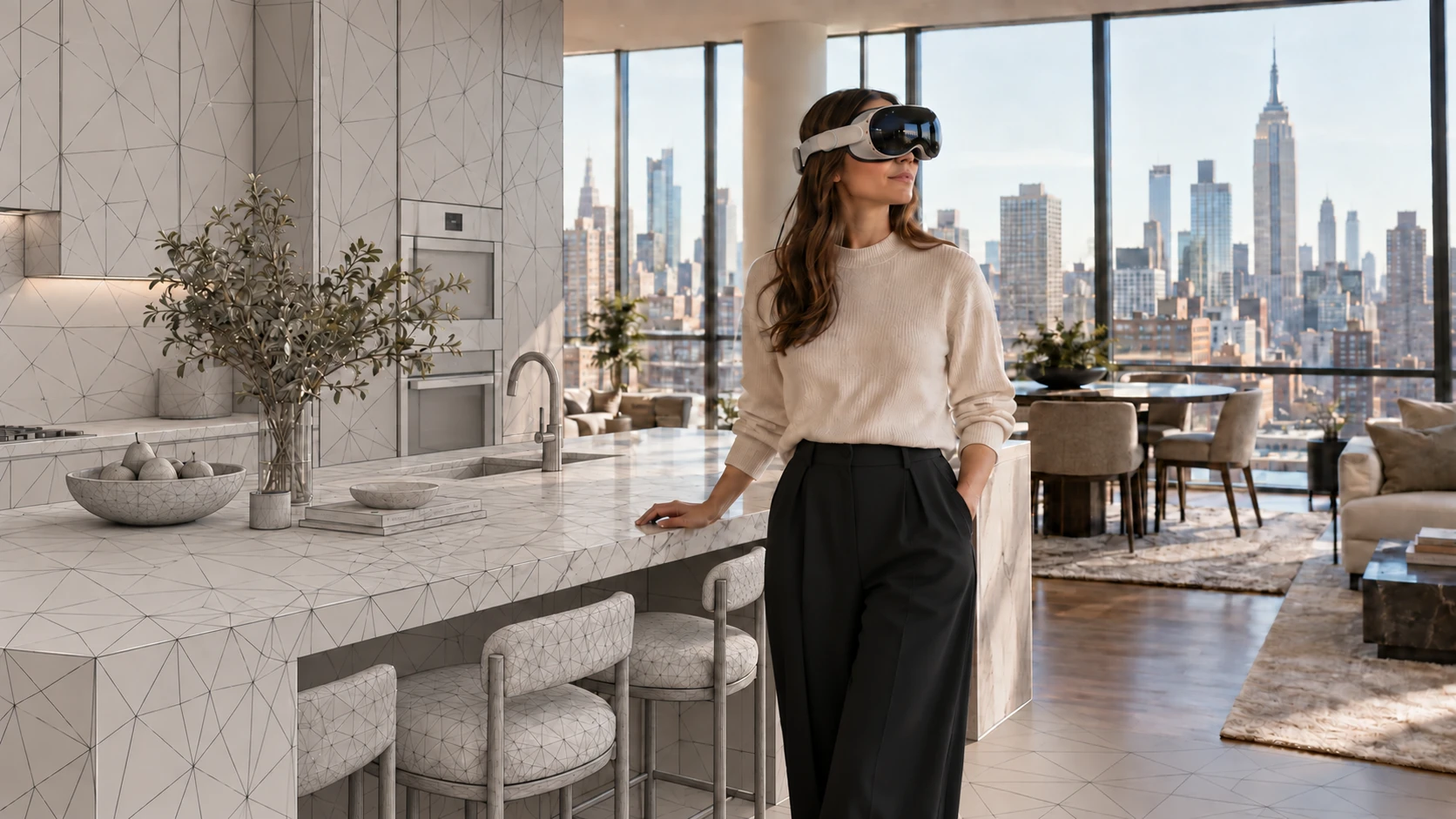
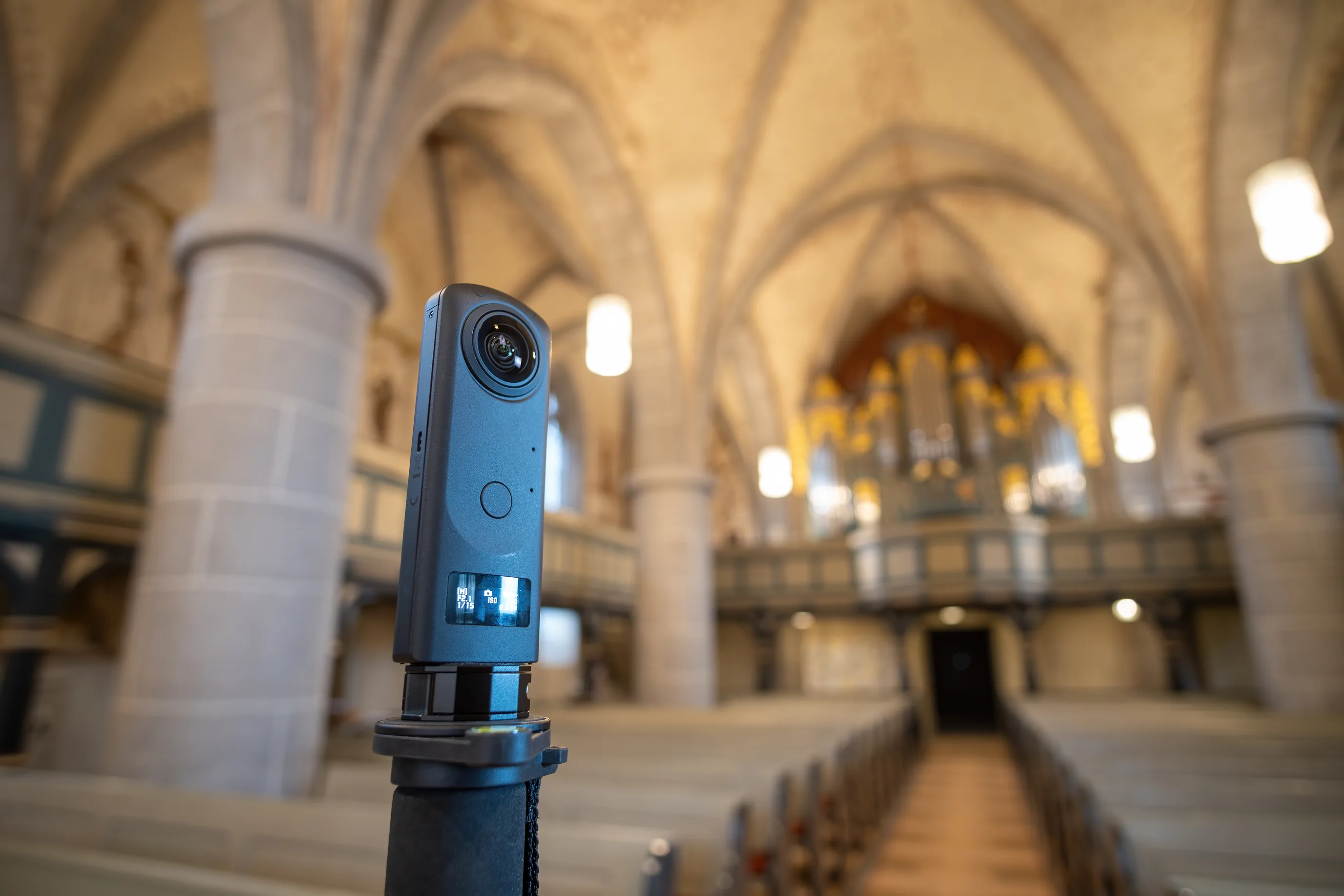
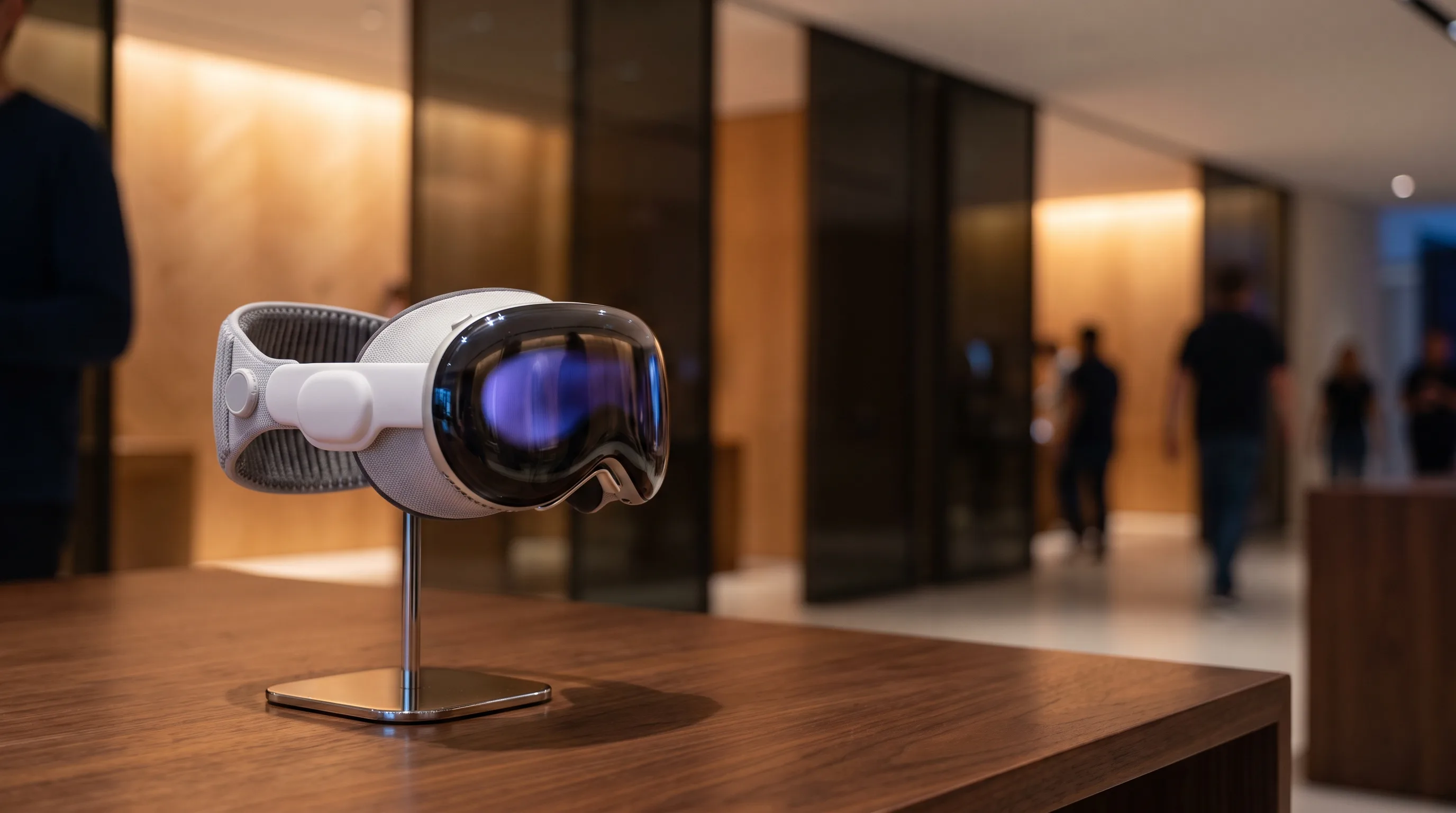
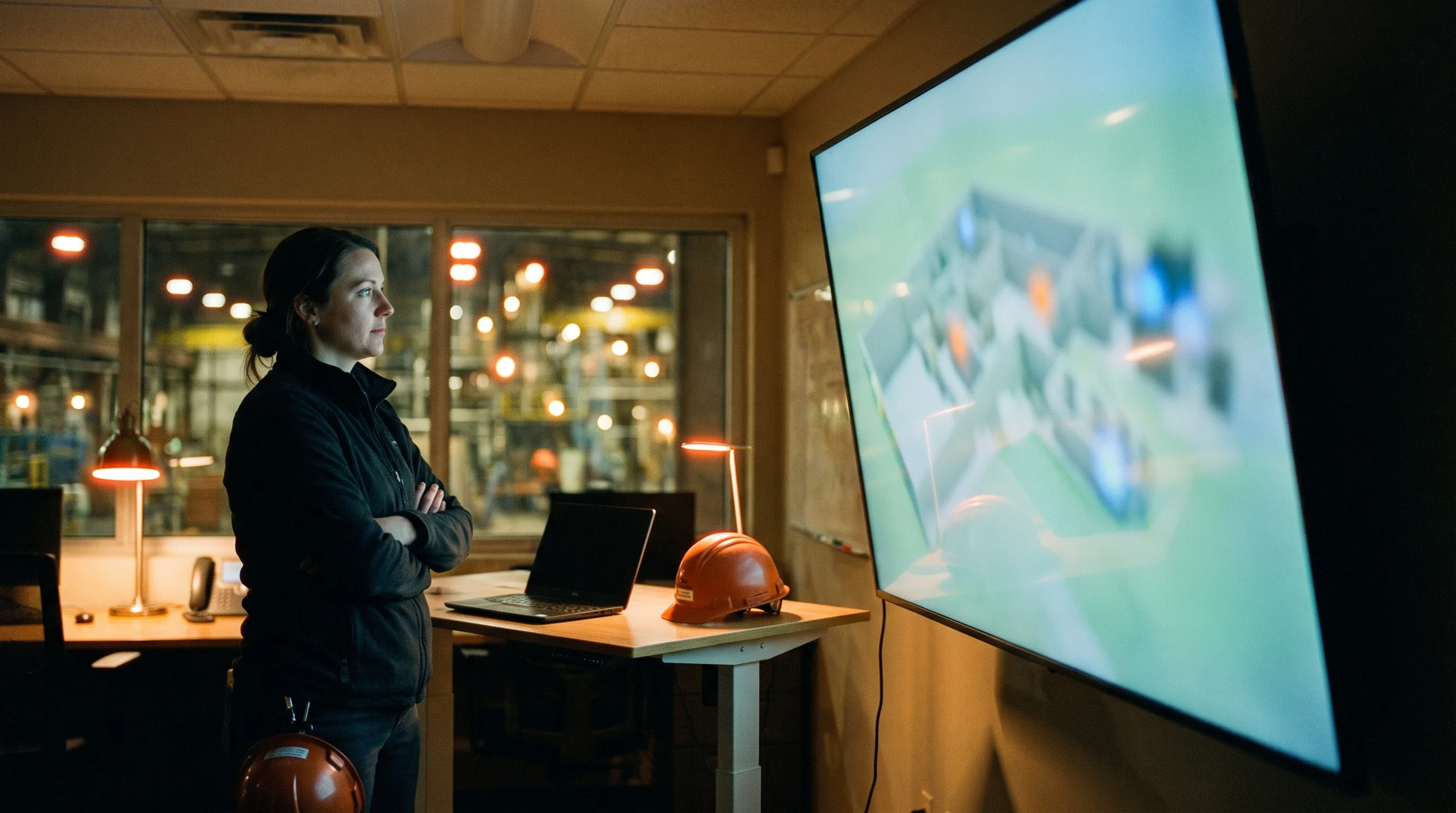
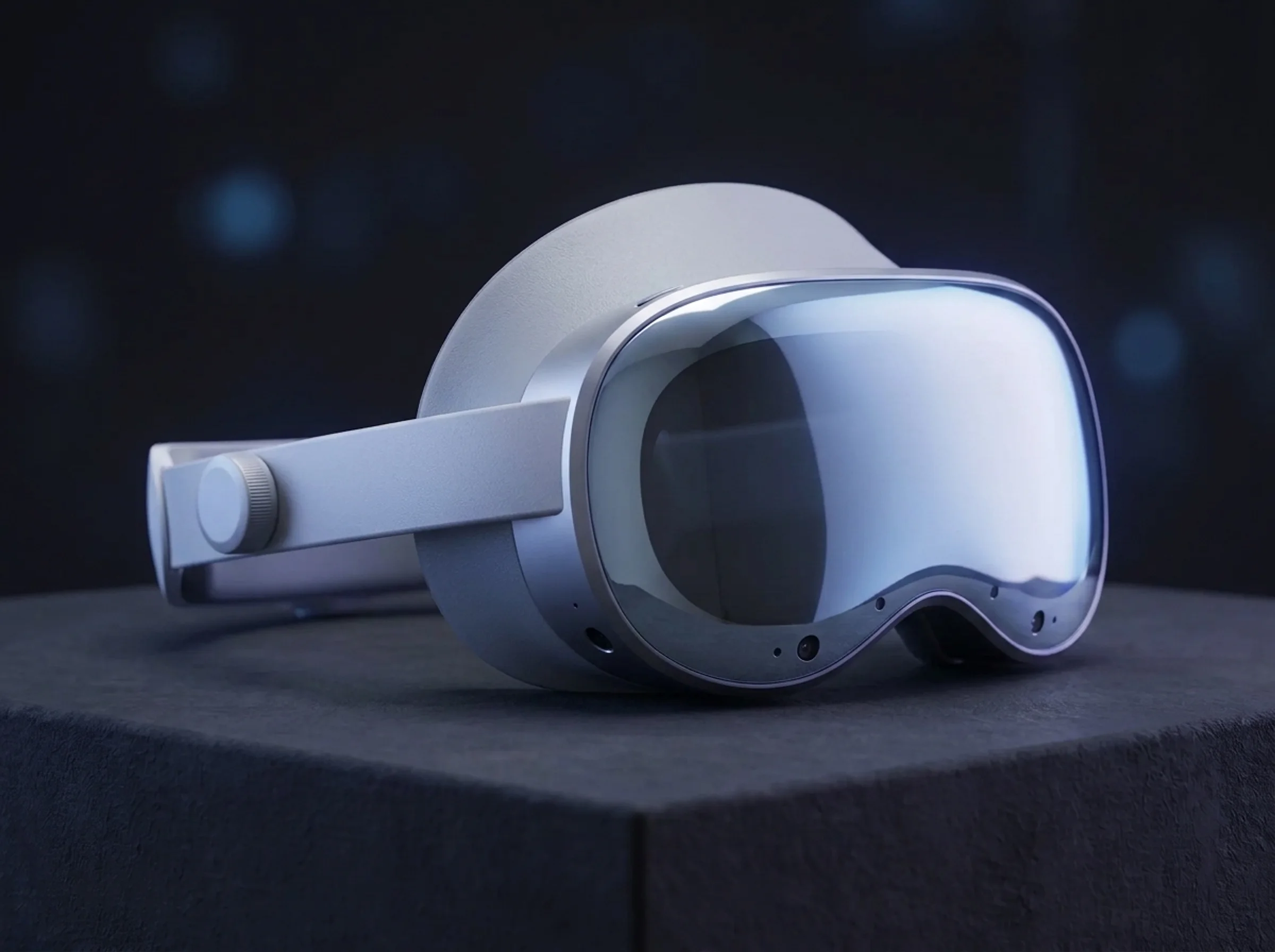
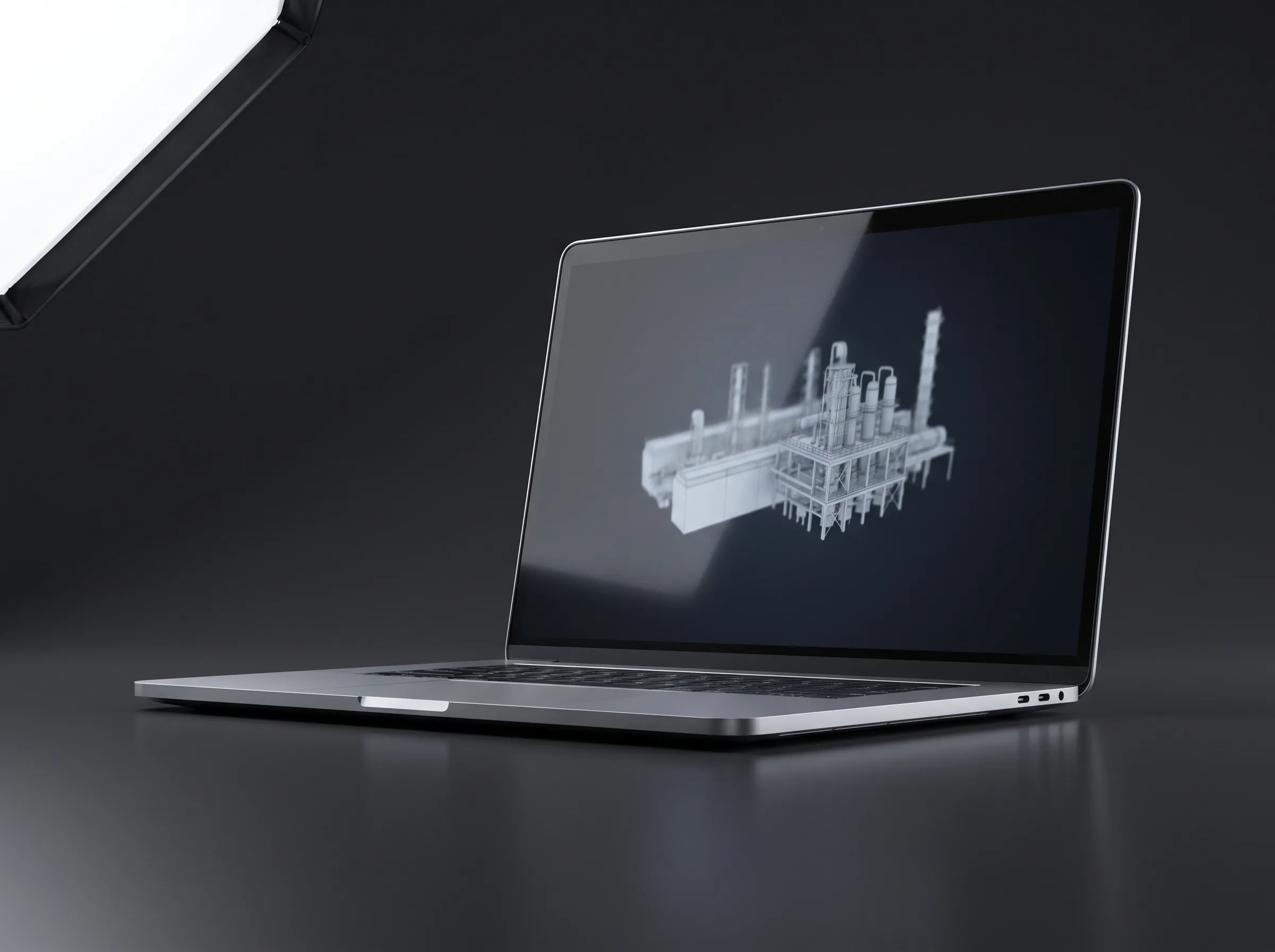
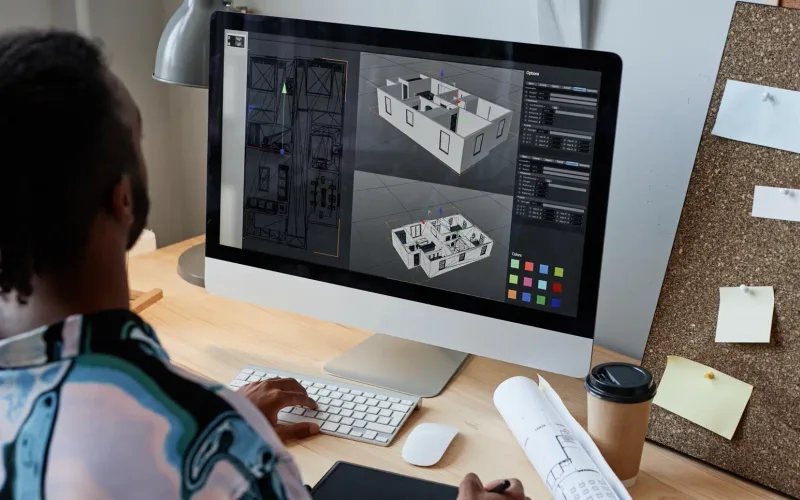
Frame Sixty is a US-based studio providing digital twin services with a visual layer. We build 3D digital twins of facilities, production lines, buildings, and equipment — captured by scanning, optimized as real-time 3D, and delivered as walkable models on Apple Vision Pro, Meta Quest, and the web. Our team has shipped 100+ apps with more than 10 million downloads.
A digital twin is a virtual replica of a physical asset, space, or process — a factory line, a hospital wing, a building — kept in step with the real thing.
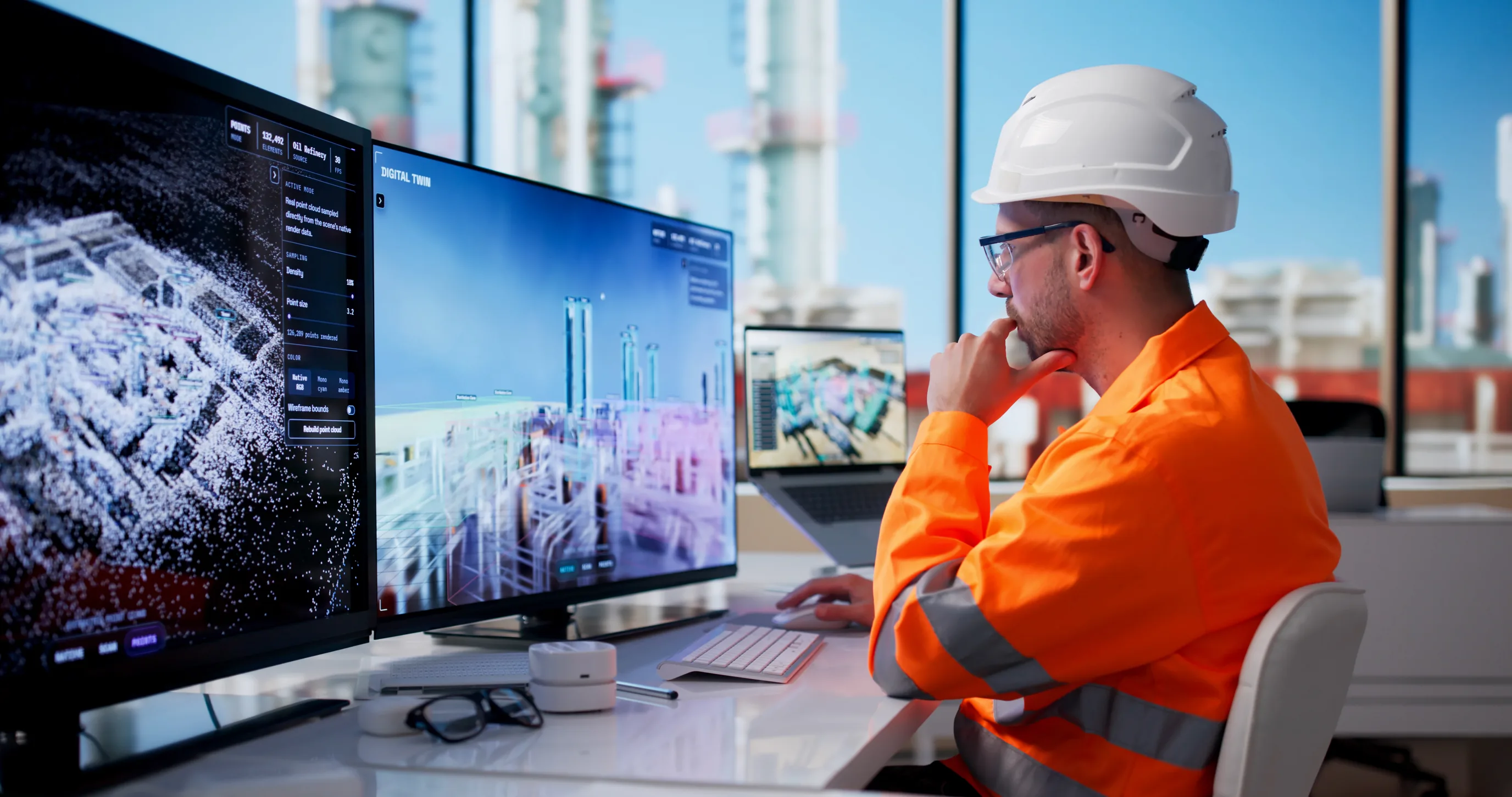
Most twins live as data: sensor feeds and dashboards. Ours add the layer people can actually see and walk — a 3D-scanned, real-time model you inspect in a browser or step inside on a headset, connected to your data when it should be.
That's the difference between reading a twin and standing in one. Planning, training, monitoring, and review all get easier when the model is something your whole team can enter.
Digital Twin Development Services
01
3D Scanning & Reality Capture
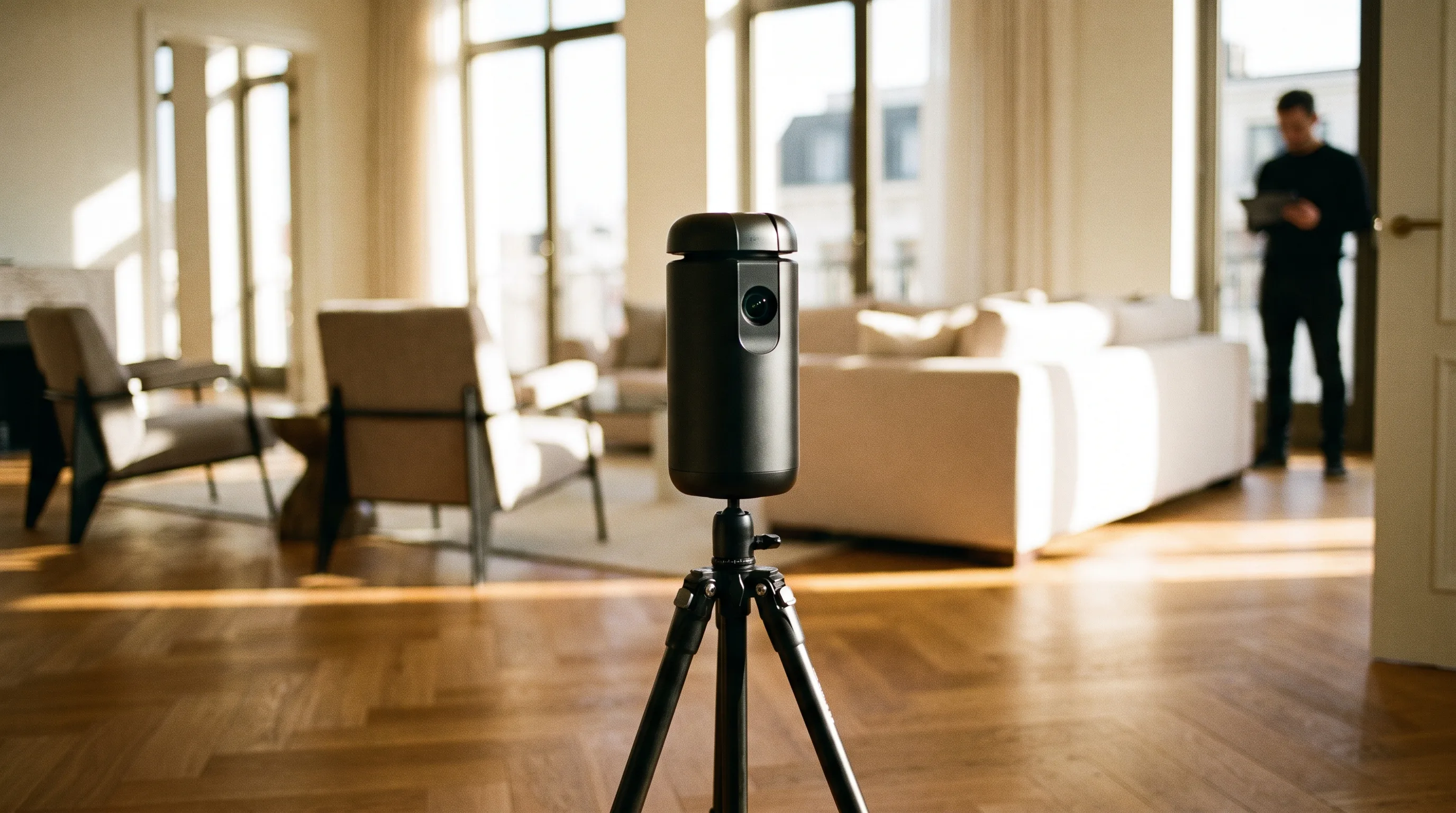
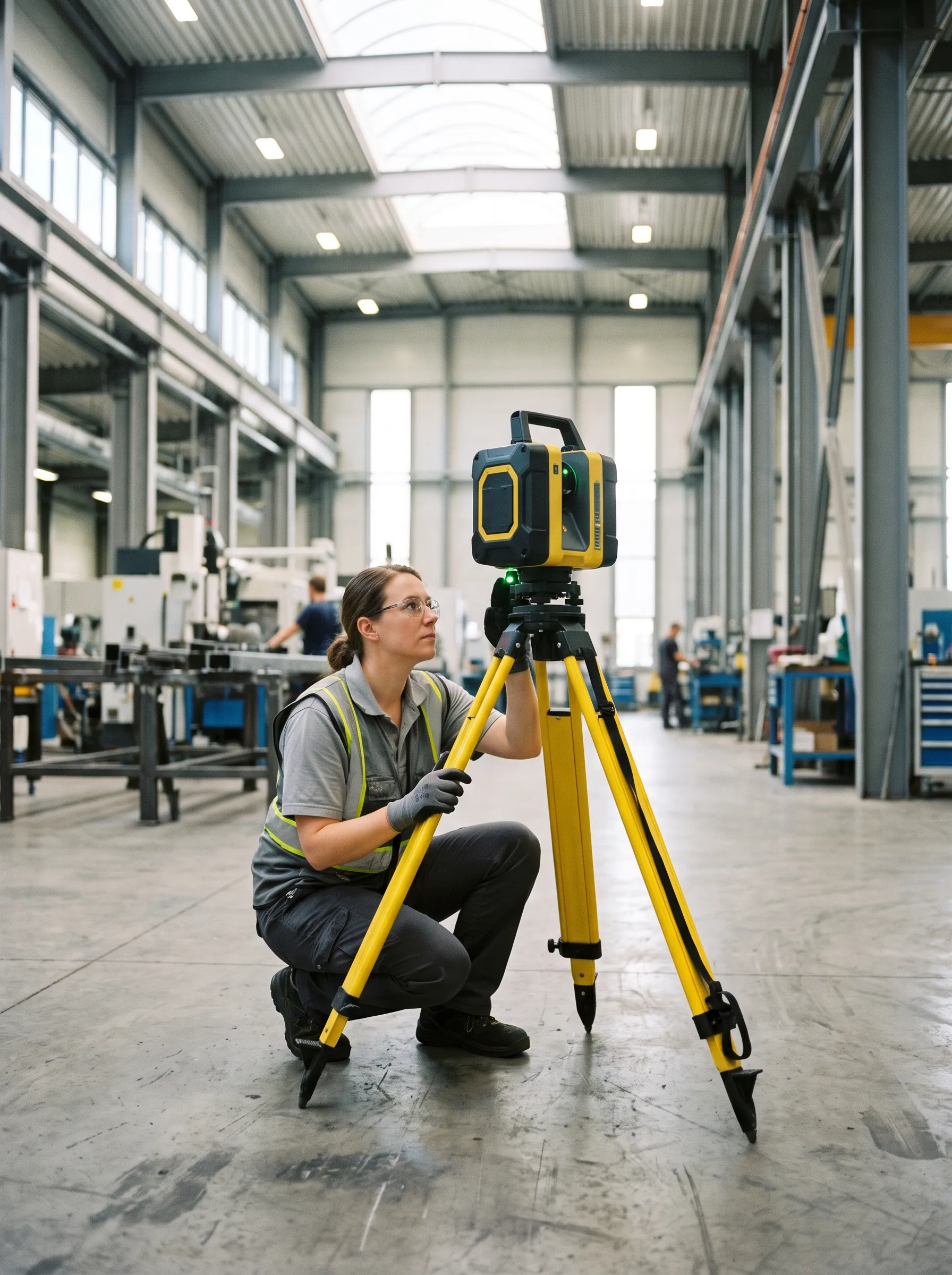
We capture the physical asset as it actually is — LiDAR, photogrammetry, Matterport, and 360 capture of facilities, lines, and equipment — producing accurate spatial data instead of a model rebuilt from outdated drawings.
02
Digital Twin Modeling & Optimization
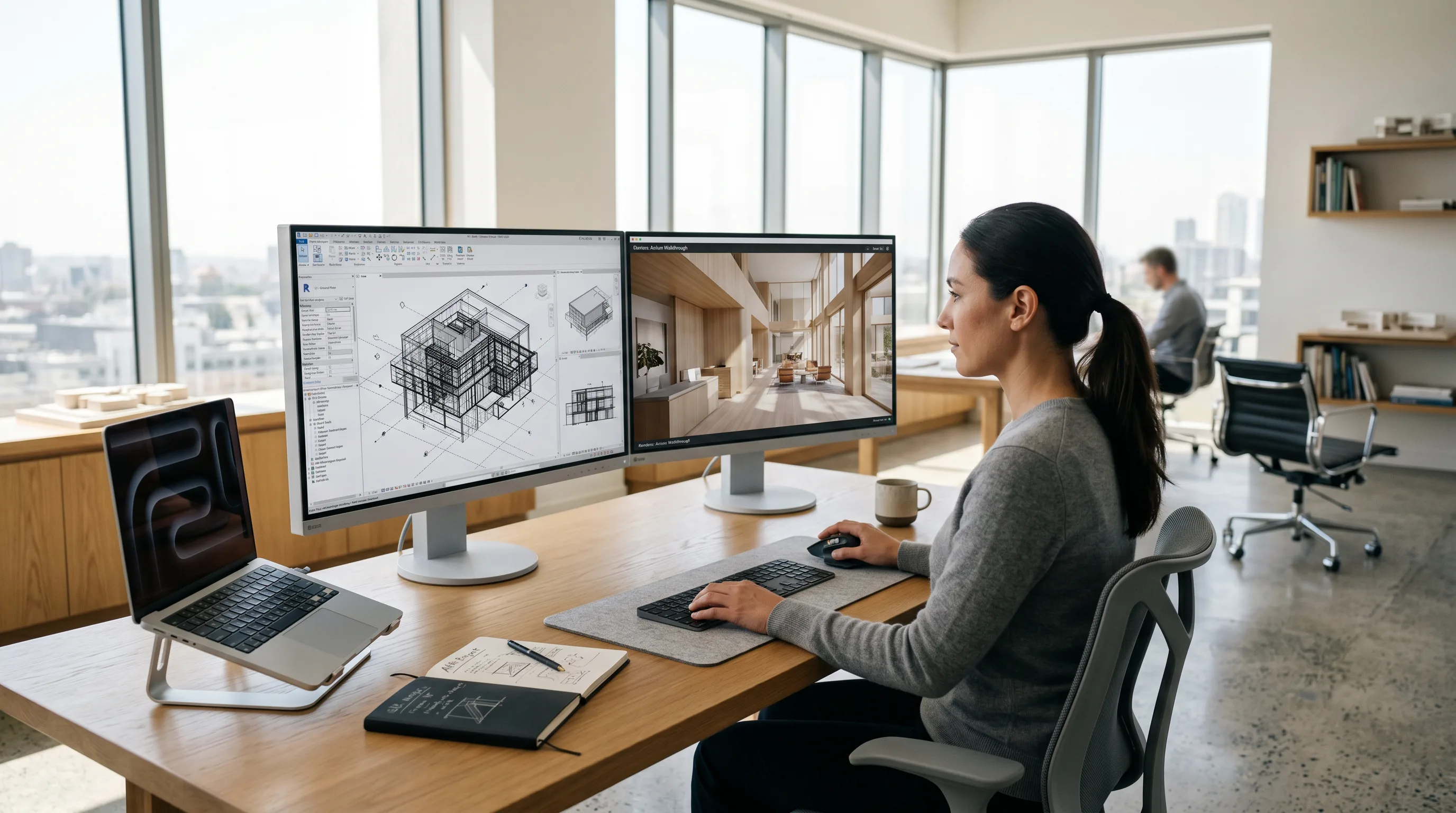
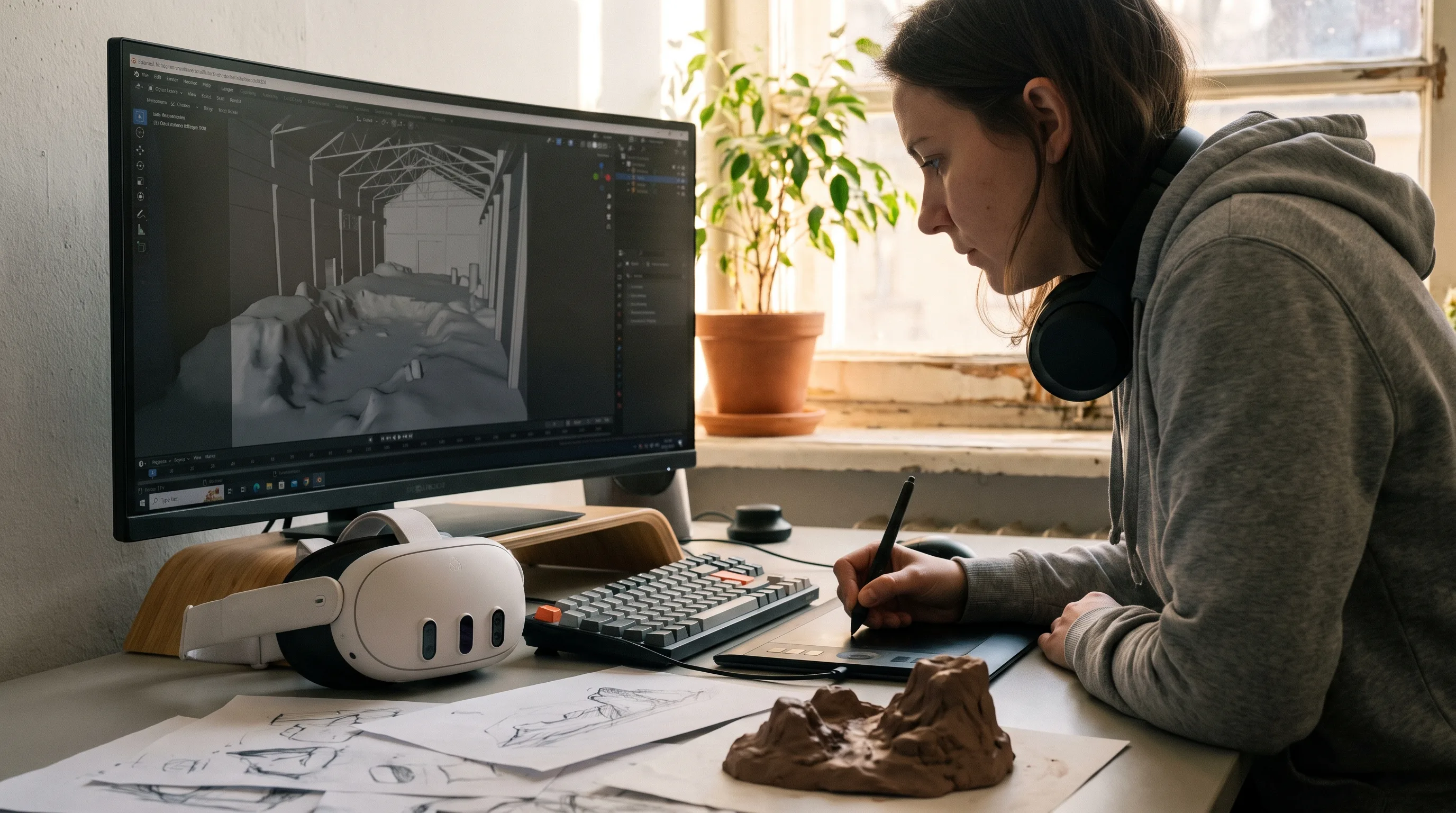
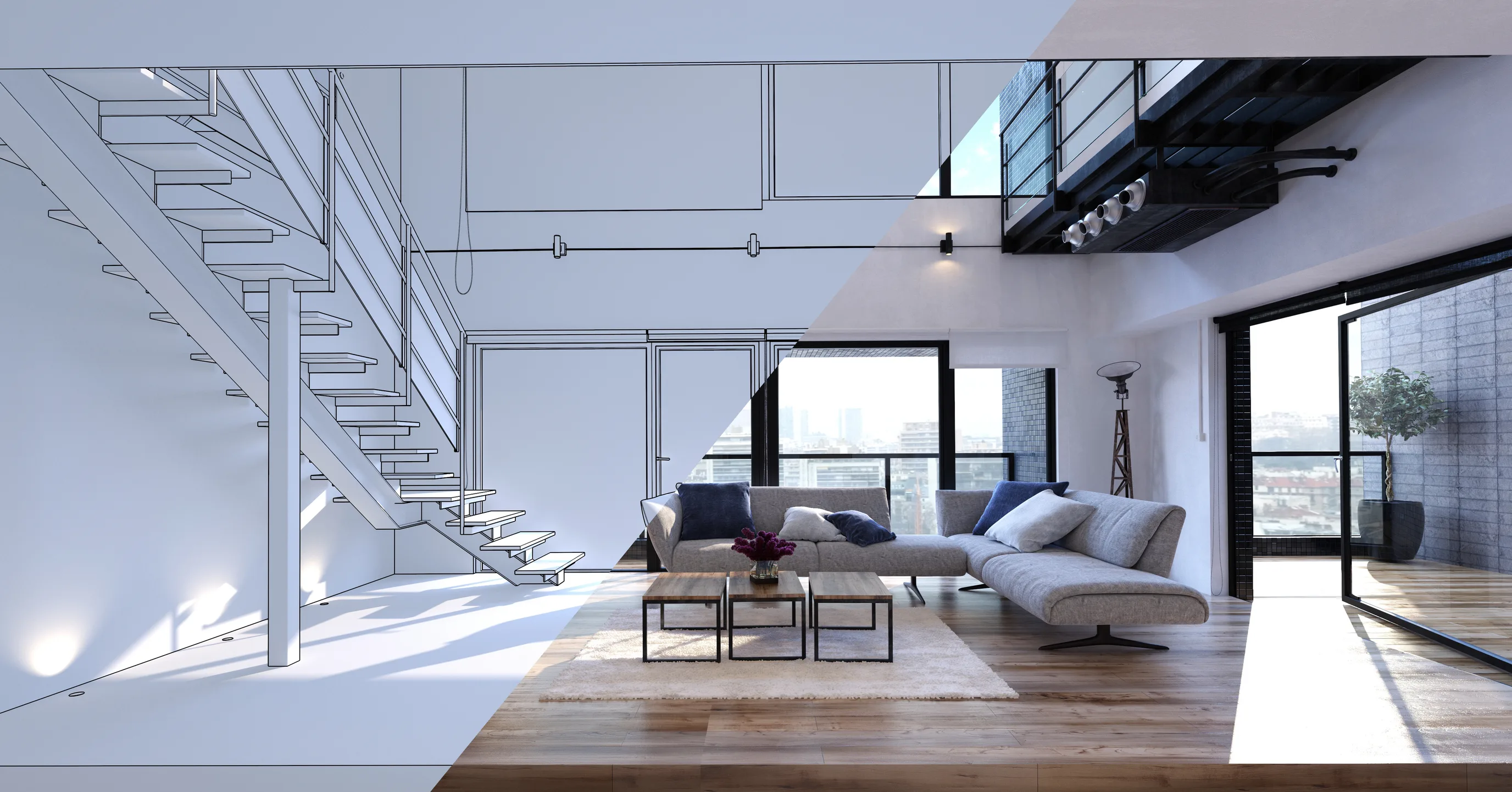
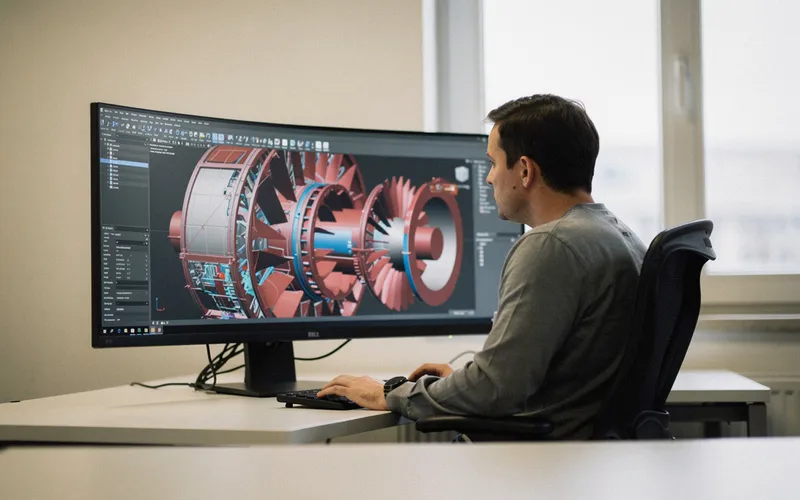
We turn raw captures and CAD/BIM into optimized real-time 3D: accurate where it matters, light enough to run in a browser or headset, and organized so equipment, zones, and systems can be selected, labeled, and queried.
03
Digital Twins in VR & XR
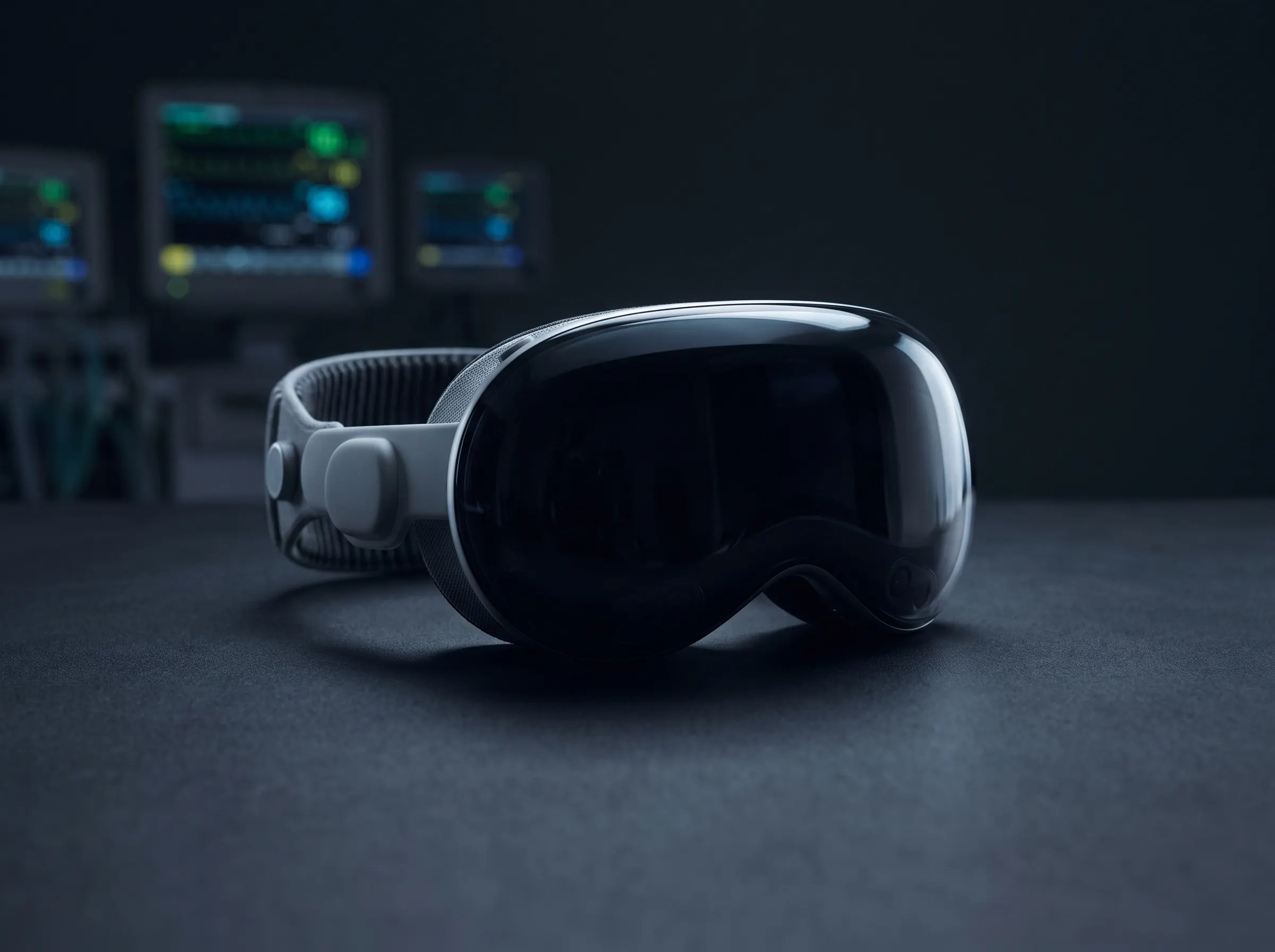
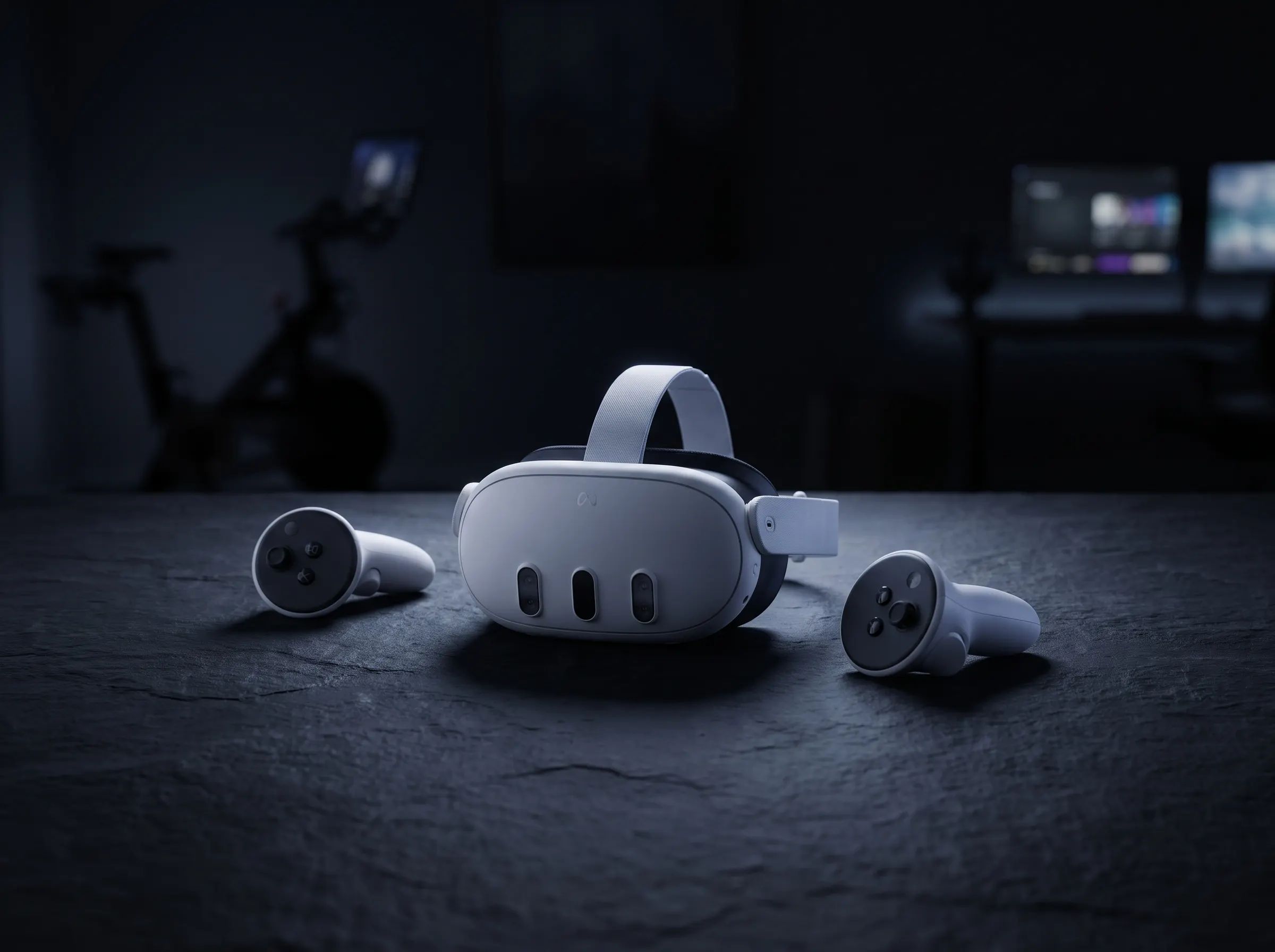
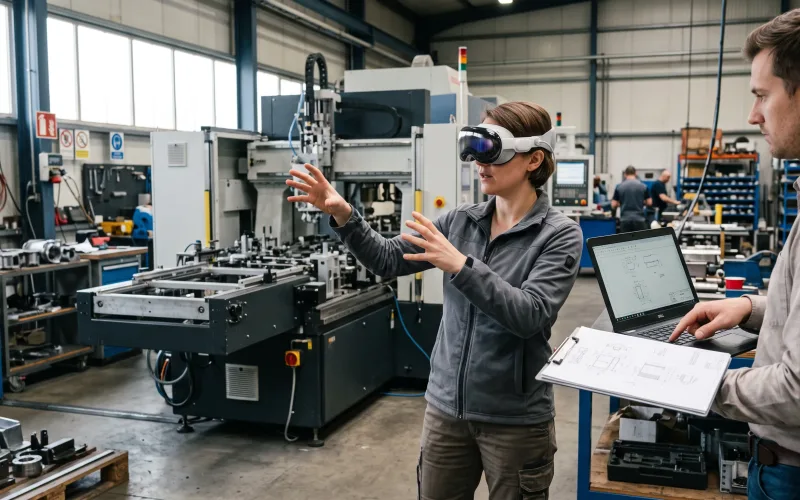
We deliver twins you can stand inside: true-scale walkthroughs on Apple Vision Pro and Meta Quest for planning, training, and review — a line change or a hospital wing evaluated in the headset before anyone moves a wall.
04
Data & IoT Integration
We connect the visual twin to your systems — sensor feeds, MES/ERP data, maintenance records — so status and history appear on the equipment itself in the model. Integration scope is defined by what your teams need to see, not by what's possible.
05
Web-Based Twin Delivery
We ship twins that open from a link: WebGL viewers stakeholders use on any laptop or tablet, with the same model powering the headset experience — no install between an executive and the answer.
06
Twin Maintenance & Updates
We keep the twin true to the asset as it changes — rescans after modifications, model updates as lines move, and version history — because a twin that drifts from reality stops being one.
More Than Scanning: How We Build Twins
There is no single way to twin an asset. We match the method — or combination of methods — to the space, the accuracy required, and the budget.
LiDAR Scanning
Laser scanning measures the space directly, producing millimeter-class point clouds of facilities, structures, and equipment.
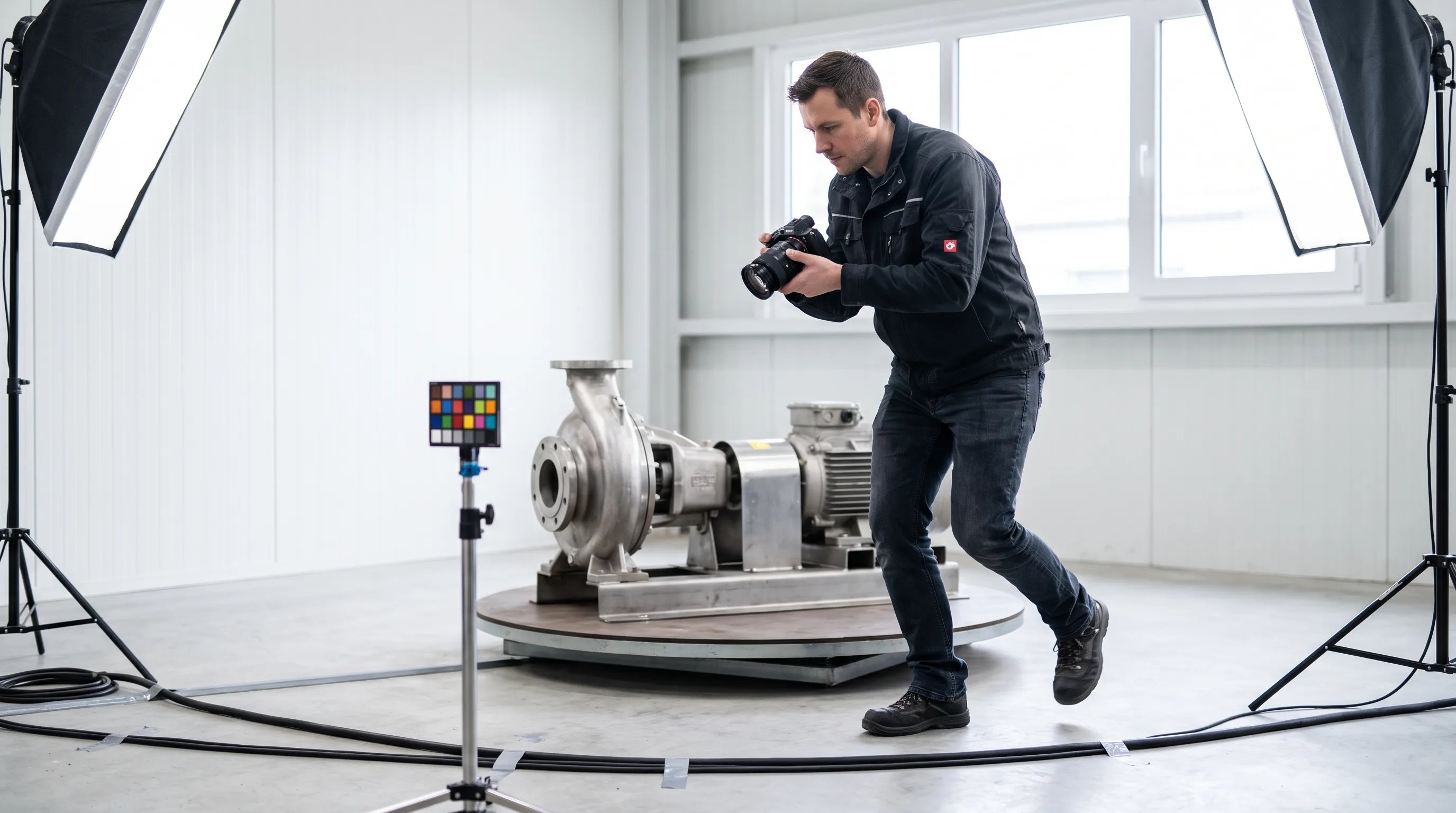
Hundreds of overlapping photographs are reconstructed into photoreal 3D — true surface color and texture, not just geometry.
Best for: visually faithful twins of equipment, interiors, and assets where looking real matters.
Matterport Capture
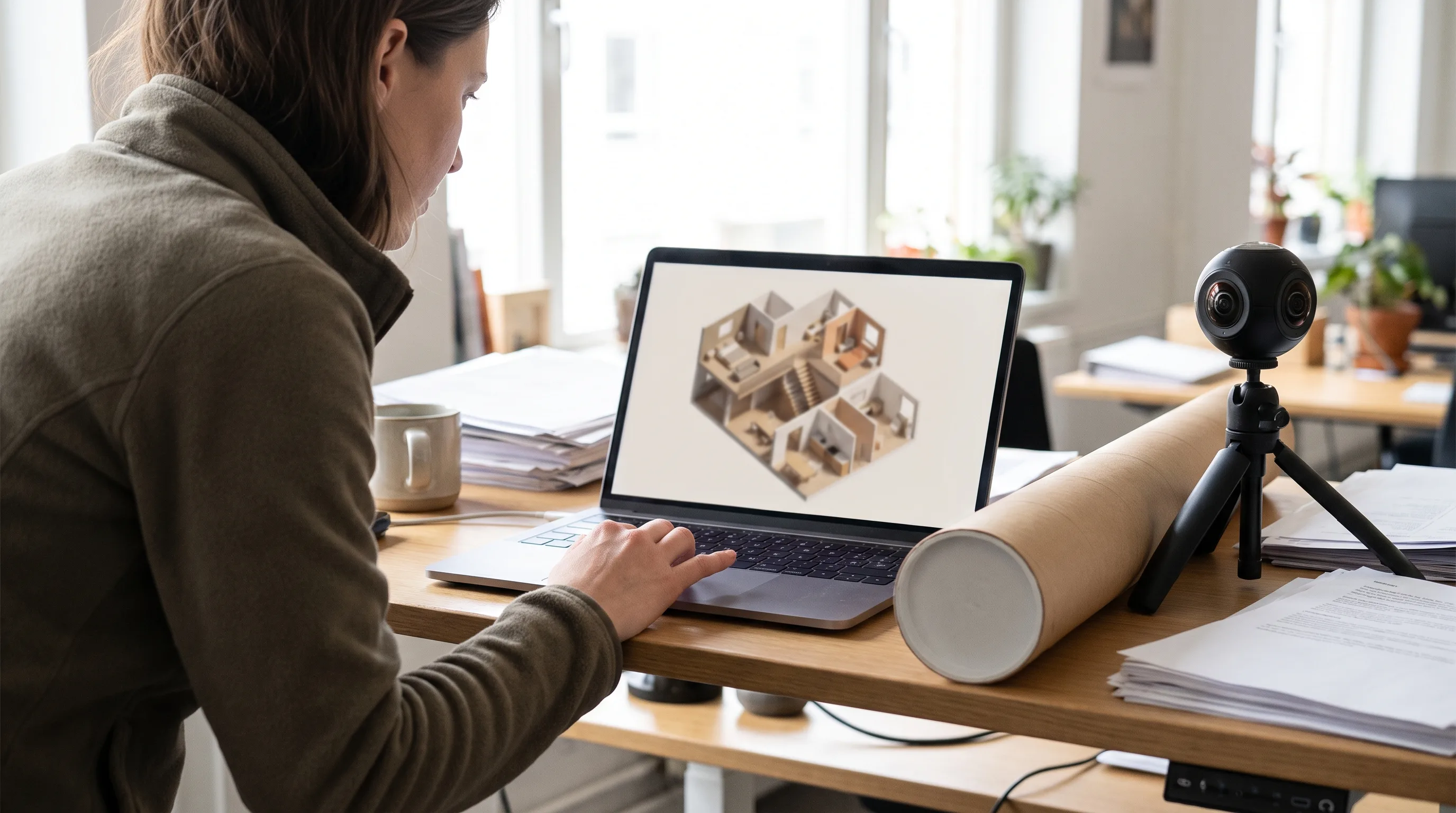
Fast 360 capture of buildings and interiors — walkable dollhouse views and floor plans, shareable from a link within days.
Best for: rapid, affordable coverage of large properties — real estate, facilities documentation, remote walkthroughs.
3D Design & Immersive Environments
When the asset doesn't exist yet — or can't be scanned — our in-house 3D team builds it from CAD, BIM, drawings, or reference: fully designed immersive environments, ready for VR and real-time use.
Best for: future facilities, proposed line changes, training environments, and spaces still on paper.
Most projects combine methods — LiDAR for the structure, photogrammetry for key equipment, designed 3D for what's planned but not yet built. Every path ends in the same optimized, walkable model.
Digital Twins by Industry
Digital Twins in Manufacturing
Digital twins in manufacturing model production lines and plants for layout planning, training, and operations visibility. We build walkable line and facility twins that let teams evaluate a change in the headset before committing capital to it — and that connect to floor data when the use case calls for it.
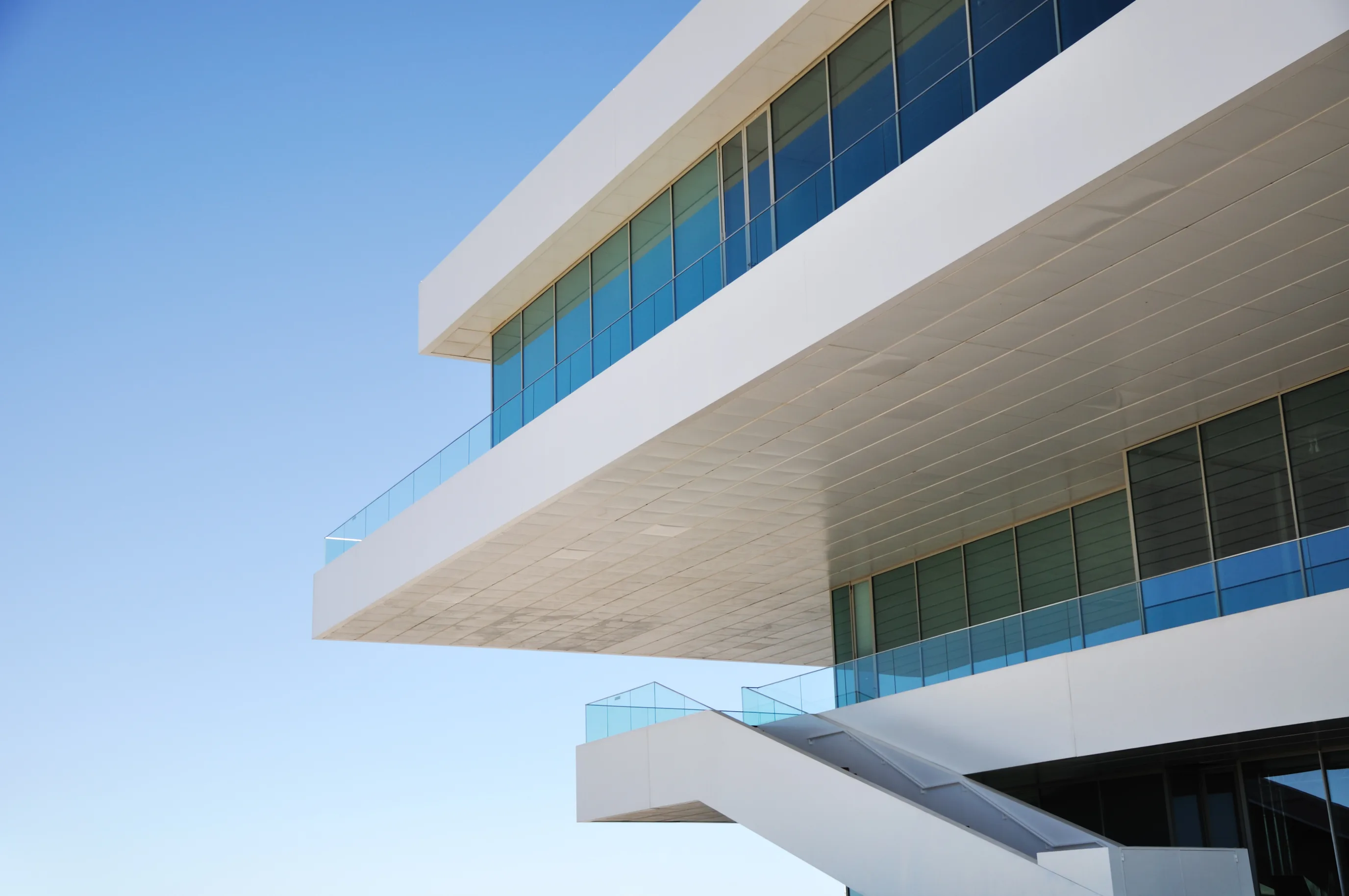
Building digital twins carry a structure from BIM through construction into operations — a scanned, navigable model for coordination, handover, and facilities management. We build twins from BIM and reality capture, reviewable in a browser or at true scale in VR.
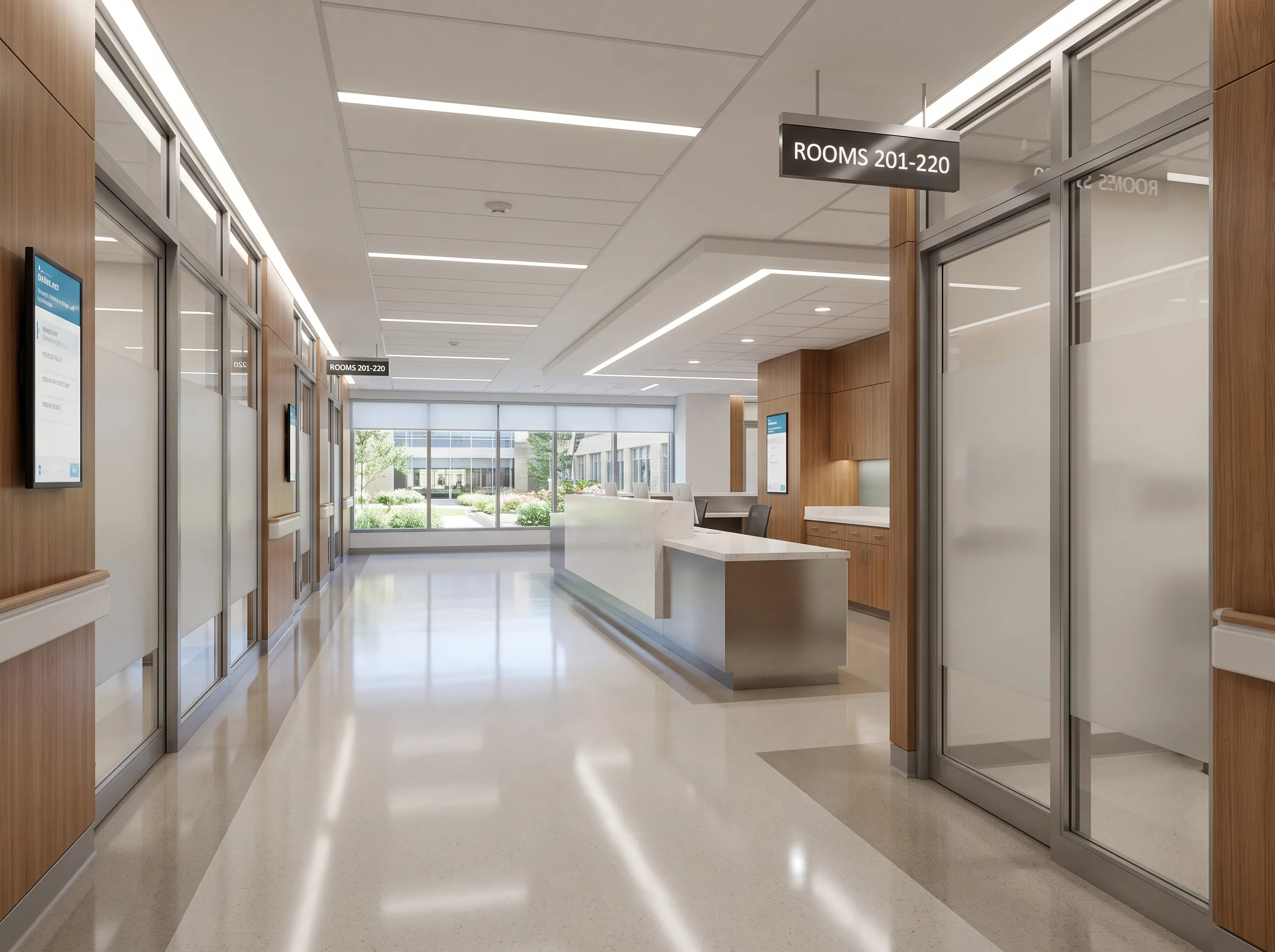
Healthcare digital twins model clinical spaces for planning, training, and equipment layout — a hospital wing you can walk before renovation, or a training environment identical to the real unit.
Real-estate digital twins give owners and buyers a scanned, navigable replica of a property — for remote due diligence, leasing, and asset management across a portfolio.
A digital twin is a virtual replica of a physical asset, space, or process — a production line, a building, a hospital wing — kept in step with the real thing. Twins are used for planning, training, monitoring, and review; the best ones combine live data with a 3D model people can actually see and walk through.
What do digital twin services cost?
The cost depends on the asset's size, the capture required, and how much data connects to it: a single-line twin is a different budget from a campus with live feeds. Project work is quoted as a fixed bid after a discovery call, so the full cost is clear before development begins.
How do you create a digital twin of a facility?
We capture the facility with LiDAR, photogrammetry, or 360 scanning, combine that with any CAD or BIM you have, and rebuild it as optimized real-time 3D organized by zones and equipment. Data feeds connect where needed, and the twin is delivered in a browser and on headsets from one maintained model.
How is your digital twin different from a data platform?
Data platforms manage sensor feeds and dashboards; our twins add the visual, spatial layer — a scanned, walkable 3D model you inspect in a browser or stand inside on a headset. The two are complementary: we connect our twins to your existing platforms rather than replacing them.
Can the twin connect to our sensors, MES, or ERP?
Yes — we integrate the visual twin with sensor feeds, MES/ERP data, and maintenance systems so status and history appear on the equipment in the model. Integration scope is defined during discovery around what your teams need to see, not everything that's technically possible.
Can we view a digital twin in VR?
Yes — twins delivered on Apple Vision Pro and Meta Quest are our specialty as an XR studio. Teams walk the facility at true scale for layout reviews, training, and stakeholder alignment, and the same model runs in the browser for anyone without a headset.
How accurate is a scanned digital twin?
Reality-capture twins are built from LiDAR and photogrammetry measurements of the actual asset, so geometry reflects what exists rather than what drawings intended. Accuracy is set by the capture method chosen during discovery — millimeter-class scanning where it matters, lighter capture where speed matters more.
Who owns the twin and its data?
You do — our contracts assign full IP ownership of the model, the code, and the capture data, which are yours to reuse across planning, training, and future phases. We sign NDAs before discovery when needed; facilities and processes are treated as confidential by default.
Why choose Frame Sixty for digital twins?
Frame Sixty builds the part of the twin most vendors can't: the visual, walkable, XR-ready model, backed by an in-house 3D team, real-time engines, and 100+ shipped apps with more than 10 million downloads. Your twin is built by the studio that will also put it on a headset.
Get in touch
We’re interested to see how we can help. Send us a message and we will get back to you within 24 hours.
Subscribe to our newsletter
Get the latest tech news and updates for mobile, web and Apple Vision Pro delivered to your Inbox.