Sean McCue

Sean McCue

CEO

11 MIN READ

VR training is an immersive learning method that uses virtual reality simulations to replicate real-world environments for safe, cost-effective, and hands-on skill development. It enhances knowledge retention, engagement, and performance by allowing learners to practice tasks interactively with real-time feedback. Industries such as manufacturing, healthcare, and retail use VR training to improve safety compliance, procedural accuracy, and operational efficiency. Supported by advanced hardware, platforms like Unity and Unreal Engine, and AI-driven analytics, VR training delivers measurable ROI through faster skill acquisition, reduced errors, and scalable workforce development.

Understanding VR Training and Its Core Benefits

VR training is a digital learning methodology that immerses learners in simulated 3D environments using head-mounted displays and motion-tracking systems. It enables experiential learning by replicating real-world tasks and environments, allowing users to practice and refine skills in a risk-free setting.

What Is VR Training?

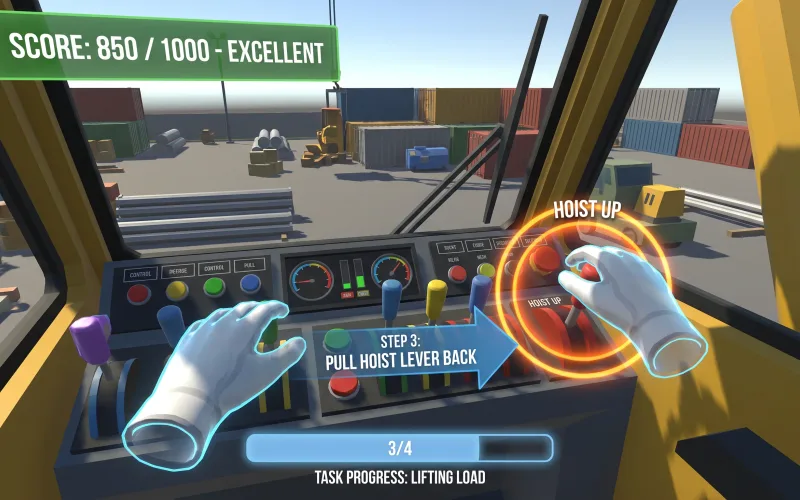
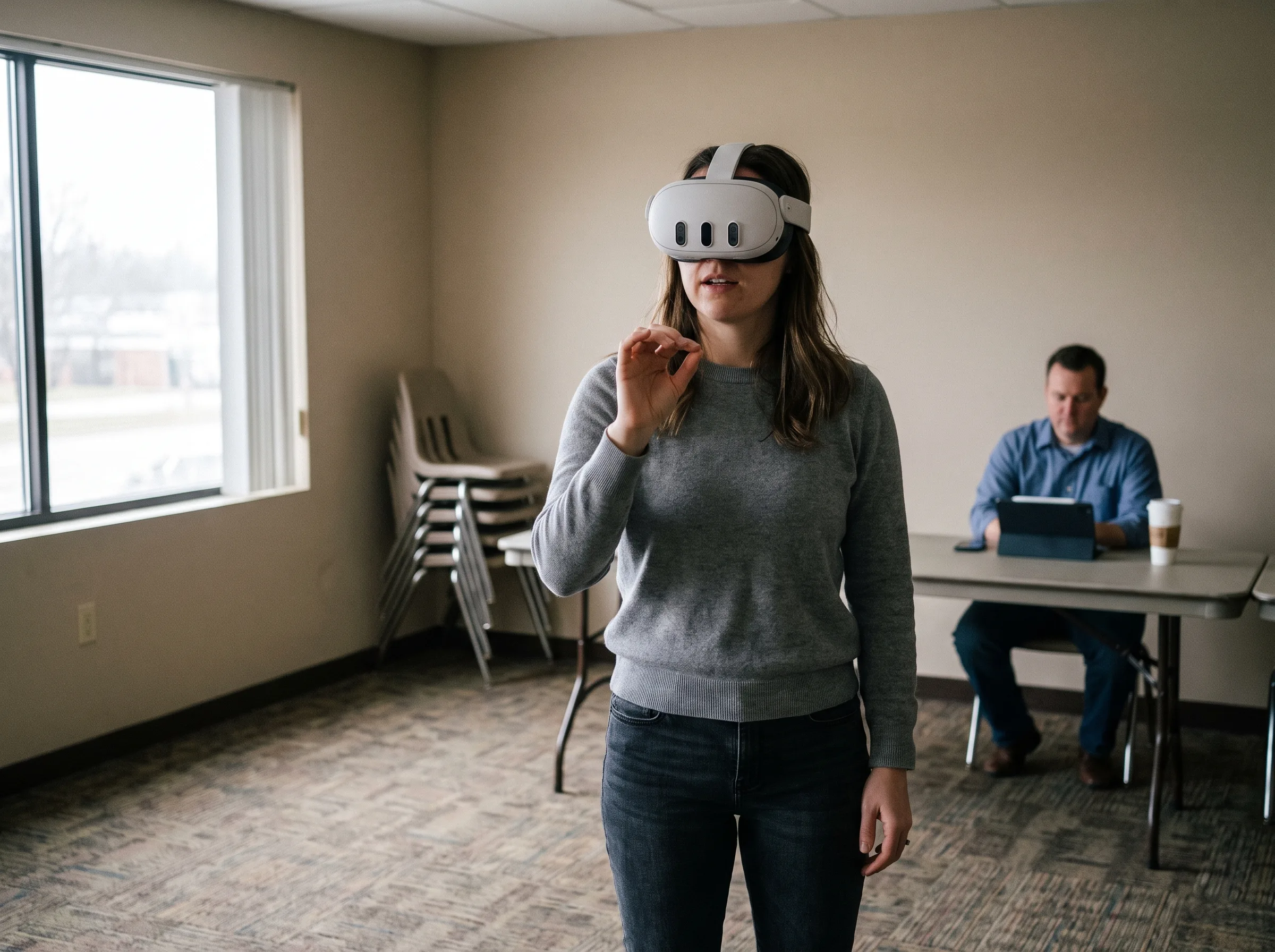
Virtual reality training leverages immersive simulations to teach complex skills, from industrial safety procedures to medical operations. Unlike traditional e-learning, VR training uses spatial computing and sensory feedback to create a fully interactive experience. Learners engage with virtual objects, receive real-time feedback, and repeat tasks until mastery is achieved.

The evolution of VR training has been accelerated by advancements in hardware and software ecosystems. Early systems like Google Cardboard introduced basic 360° learning, while modern enterprise solutions such as Oculus Quest, HTC Vive, and Varjo deliver high-fidelity, interactive environments. These devices integrate with platforms like Unity and Unreal Engine, enabling developers to create realistic simulations aligned with organizational learning goals.

Difference between VR, AR, and XR learning environments:

Technology Description Example Use Case
VR (Virtual Reality) Fully immersive digital environment replacing the real world. Safety training in manufacturing plants.
AR (Augmented Reality) Overlays digital information on the real world. Maintenance instructions on machinery.
XR (Extended Reality) Encompasses VR, AR, and MR (Mixed Reality). Multi-user collaborative training.

Key takeaway: VR training provides complete immersion, while AR and XR extend real-world interaction, making them complementary tools in the immersive learning ecosystem.

Why Organizations Are Adopting Immersive Learning

Organizations are embracing immersive learning because it transforms passive instruction into active skill development. According to McKinsey’s Future of Work insights, immersive training can accelerate learning by up to 60% and improve knowledge retention by 75%.

Enhanced engagement and knowledge retention: VR training increases learner engagement through gamification, real-time feedback, and sensory immersion. Learners retain more because they experience the learning content rather than just reading or watching it.

Real-time feedback and skill transfer rate improvements: Simulations powered by AI and analytics platforms—like those discussed in IBM Research’s AI training simulation insights—enable adaptive learning. Systems can adjust difficulty levels and provide personalized feedback, improving the skill transfer rate to real-world performance.

Cost and safety advantages: VR training dramatically reduces the cost of physical setups and minimizes safety risks. For example, under OSHA training guidelines, organizations can simulate hazardous environments virtually, ensuring compliance while protecting employees.

Key takeaway: Immersive learning delivers measurable improvements in engagement, retention, and safety, making it a strategic investment for enterprise training.

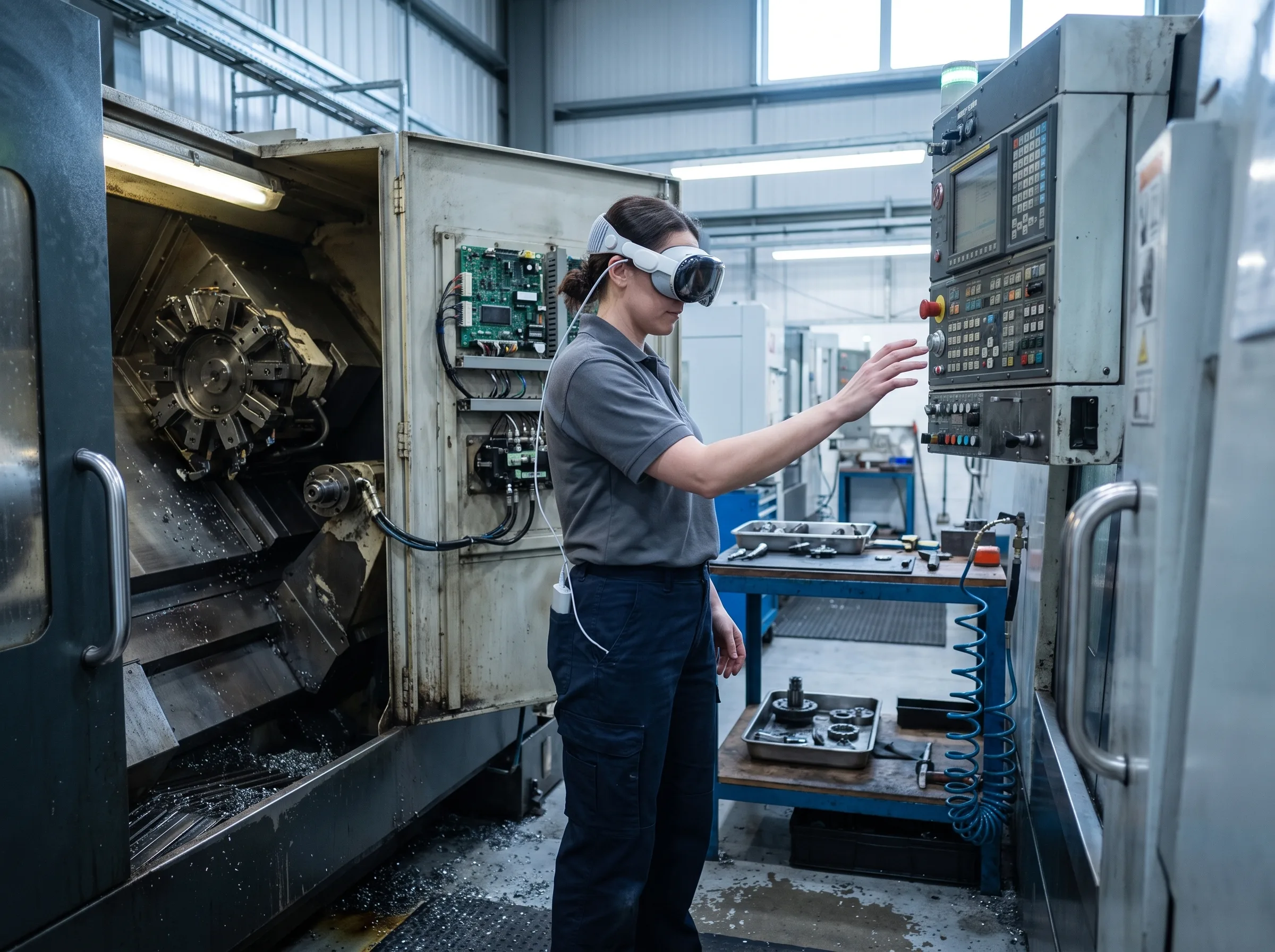
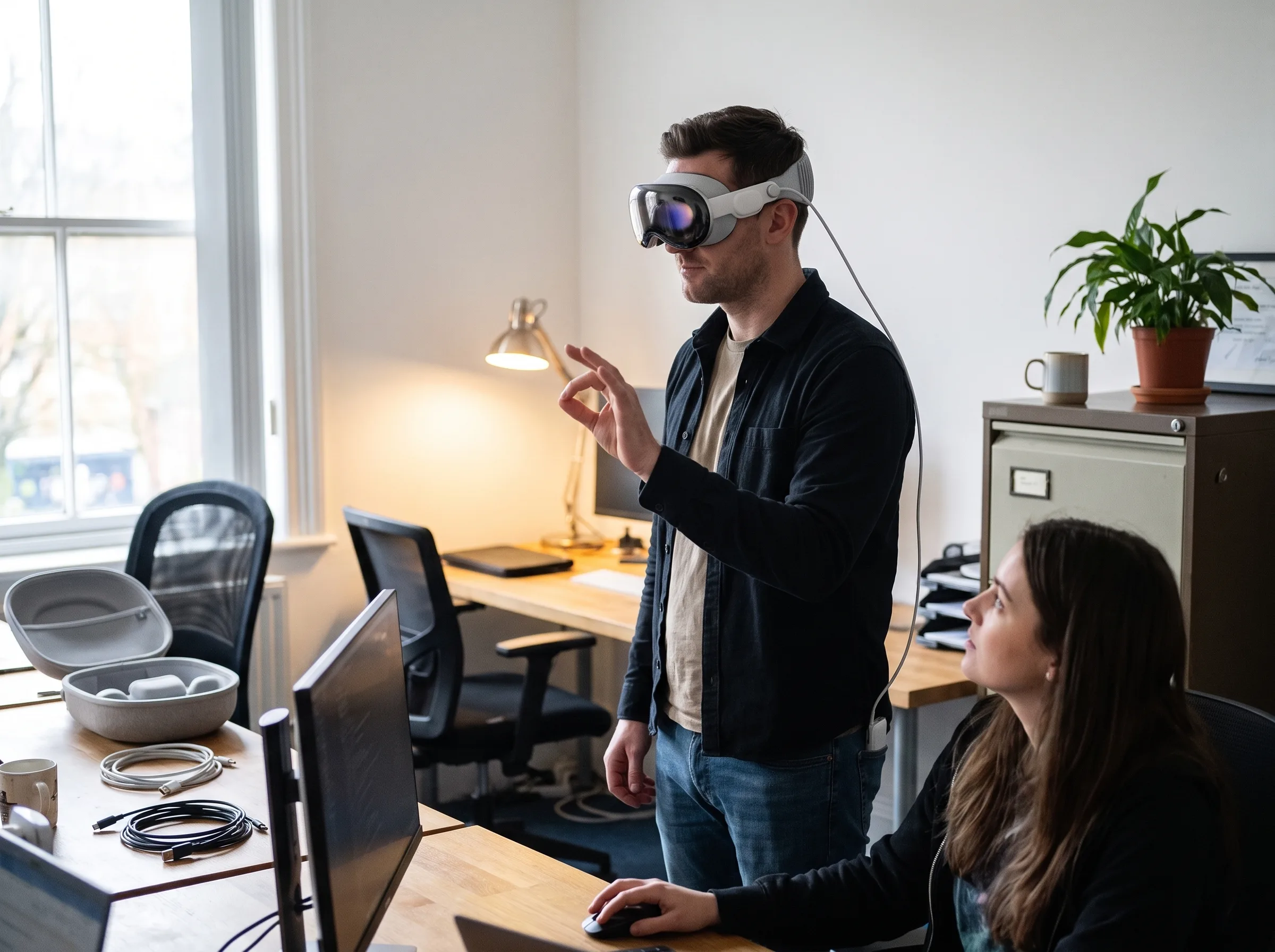
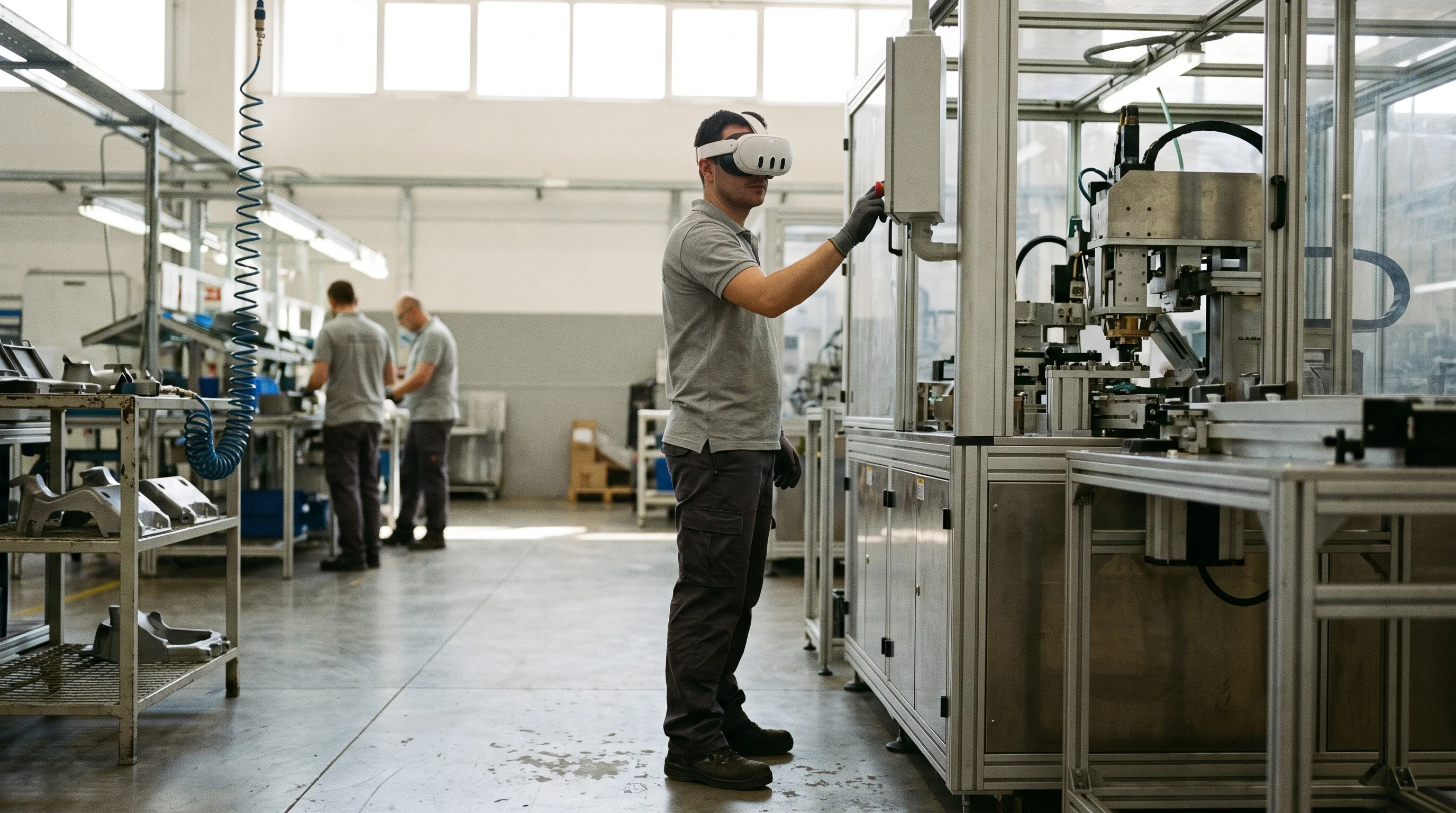
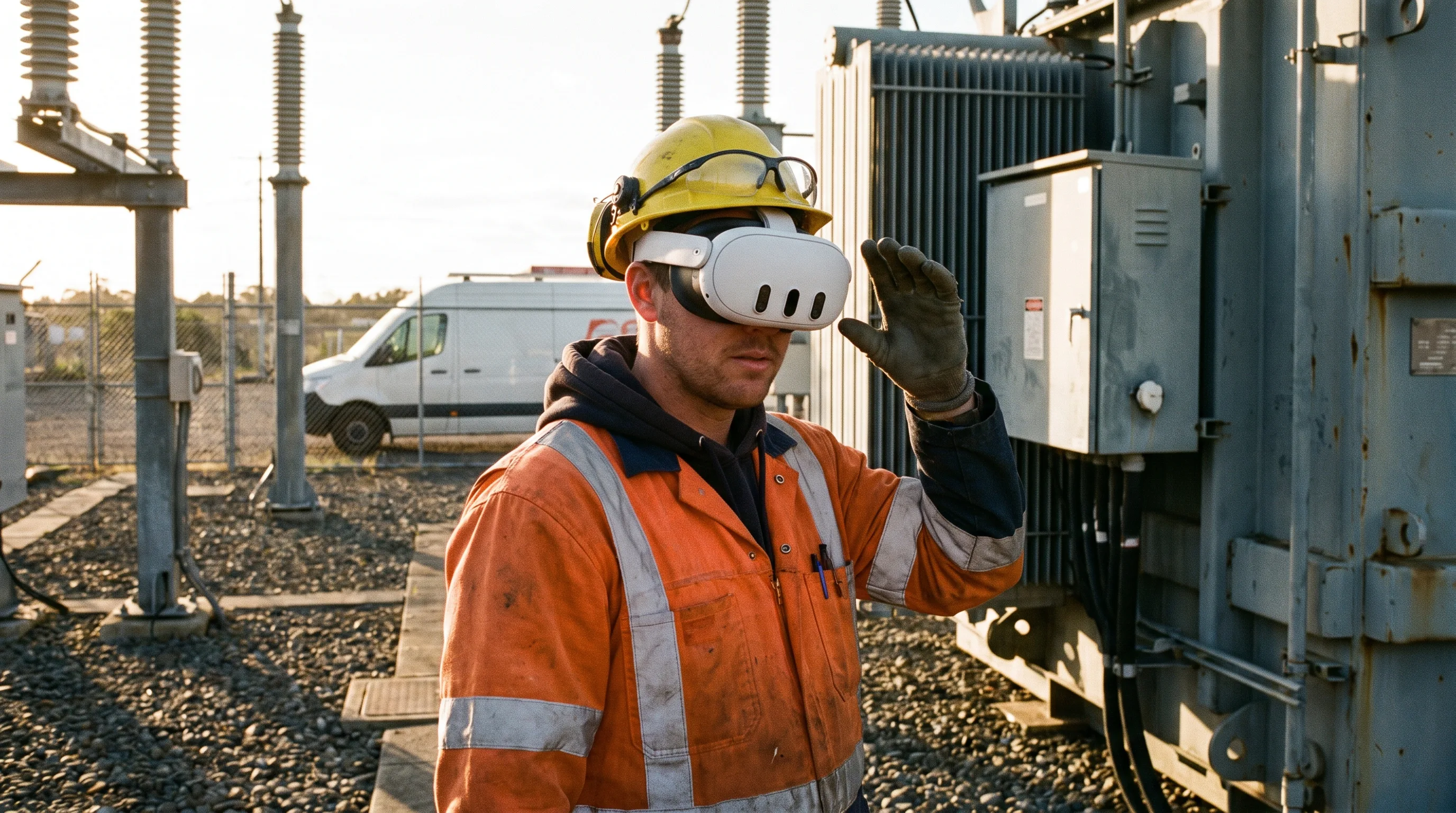
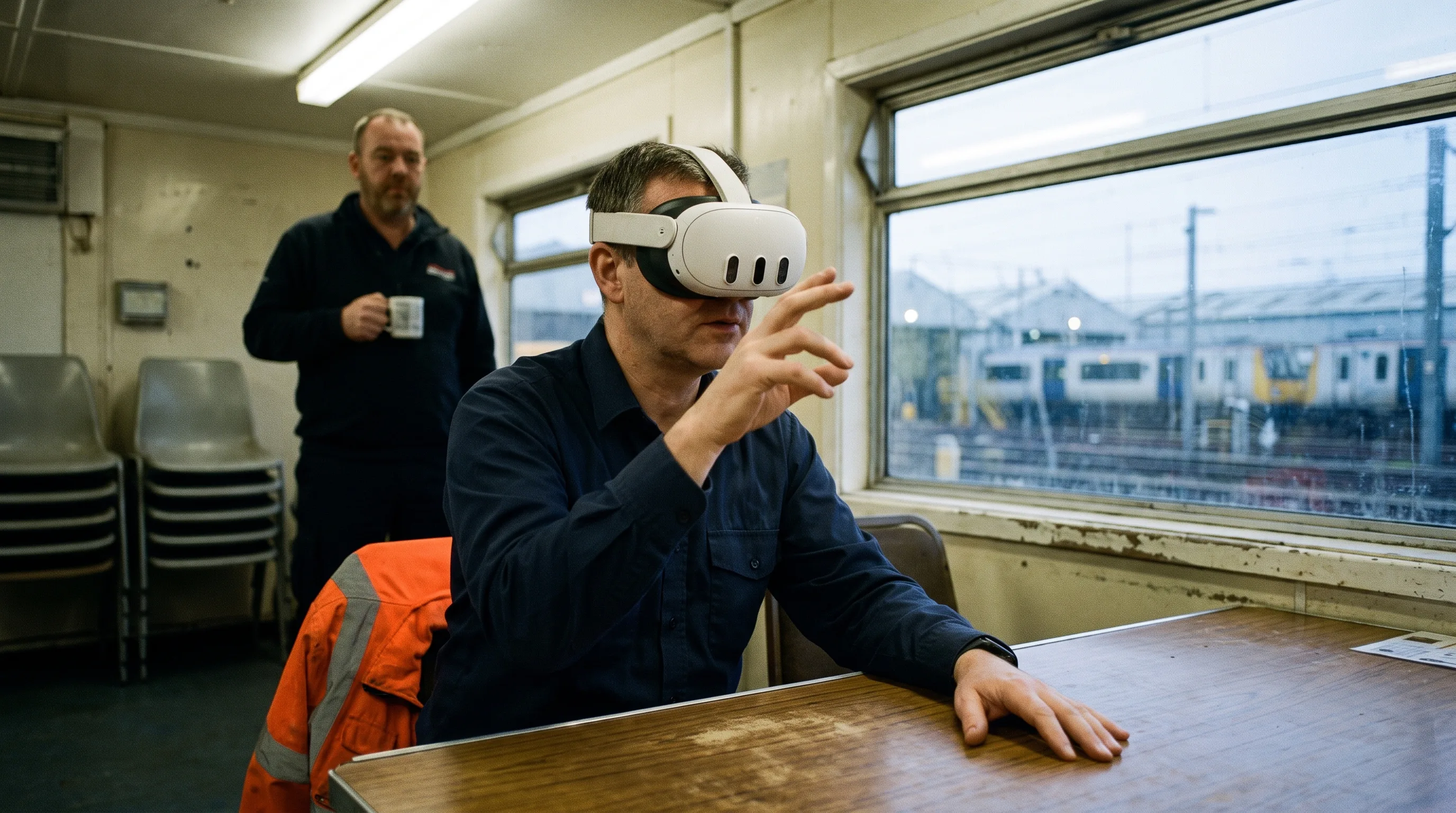
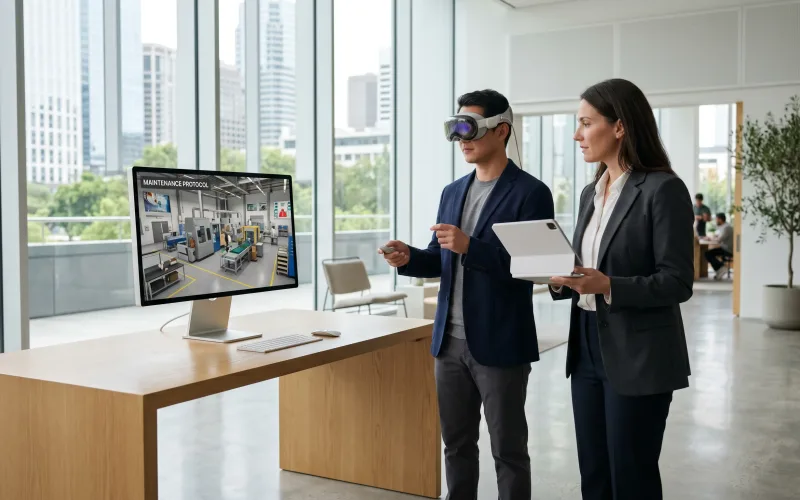
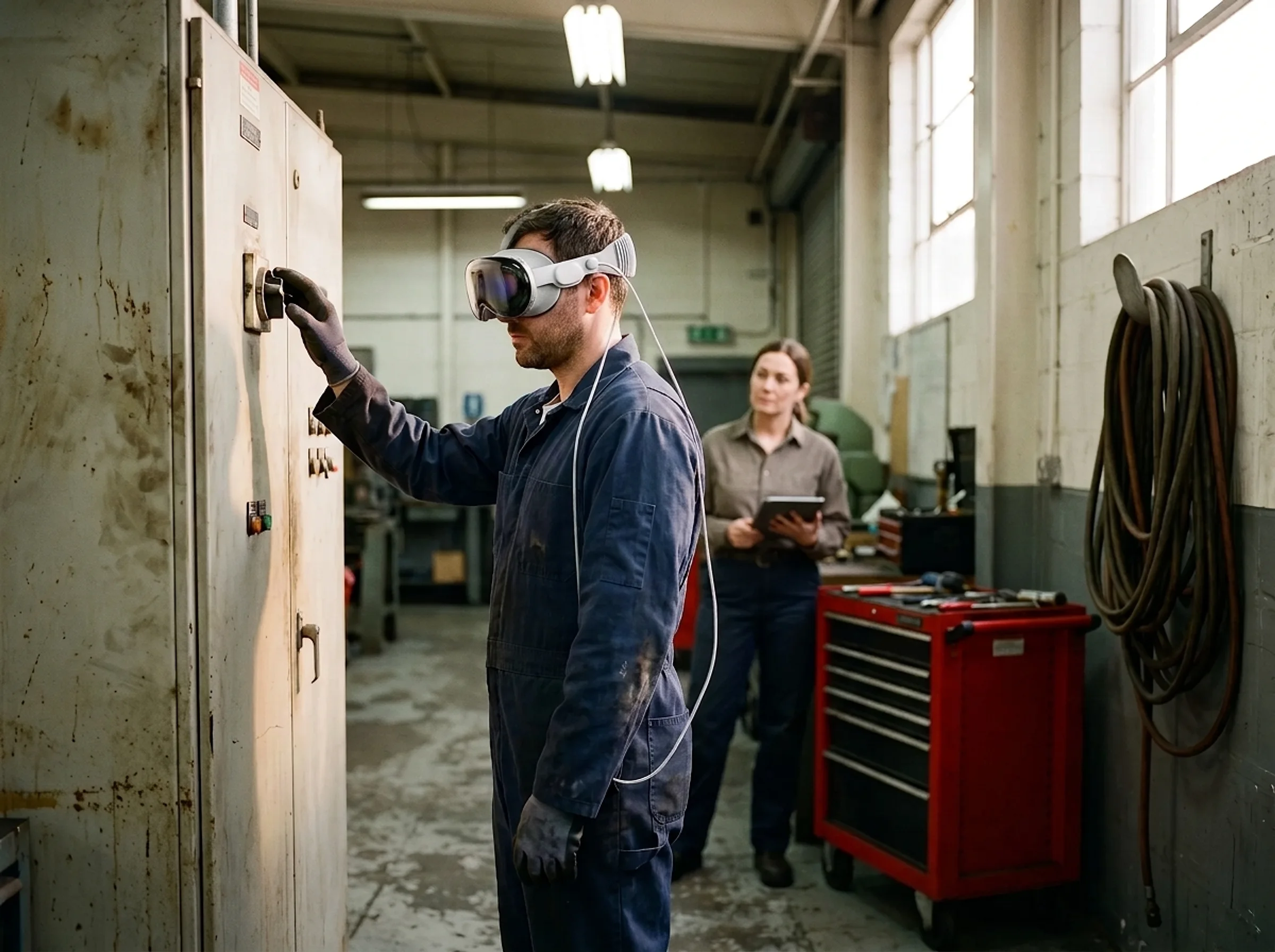
Instructor guiding worker using VR headset for manufacturing safety training

Need help with VR training development?

We are here to help!

Get in Touch

Key Use Cases and Industry Applications

VR training is transforming industries by enabling scalable, consistent, and safe learning experiences. It’s particularly effective in sectors where hands-on practice and compliance are critical.

High-Impact Sectors for VR Training

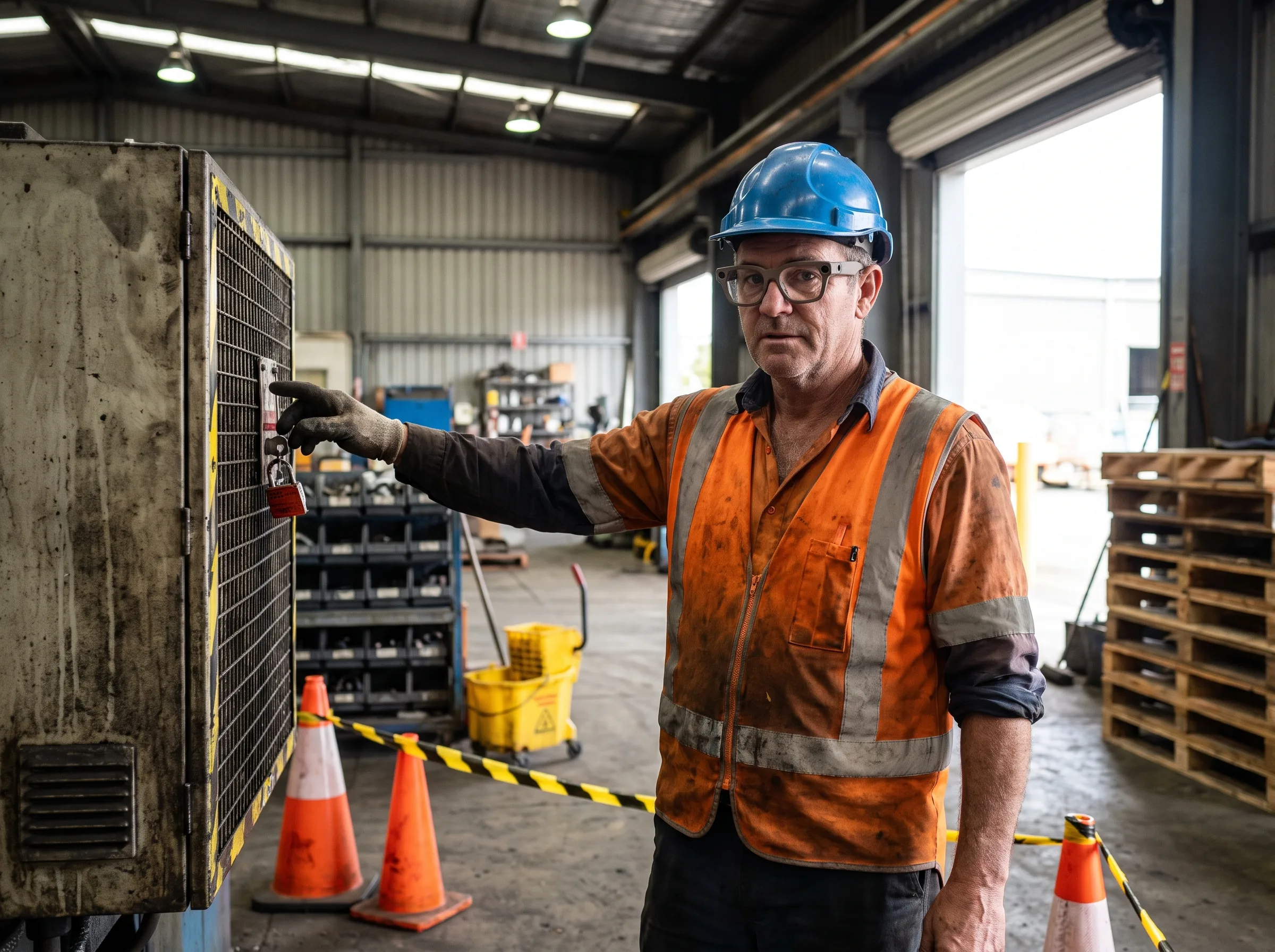
Manufacturing and safety training: Manufacturing firms use VR to replicate assembly lines and hazardous operations. Workers can practice lockout/tagout procedures or equipment maintenance in a controlled environment. By aligning with OSHA training guidelines, companies ensure compliance and reduce incident rates. Platforms like Frame Sixty’s 3D modeling for manufacturing support the creation of realistic industrial simulations.

Healthcare simulations and soft skills development: In healthcare, VR is used for surgical training, patient interaction, and emergency response drills. According to WHO’s digital health insights, immersive simulations improve procedural accuracy and empathy in patient care. Platforms like Virti use VR to train clinicians in communication and crisis management.

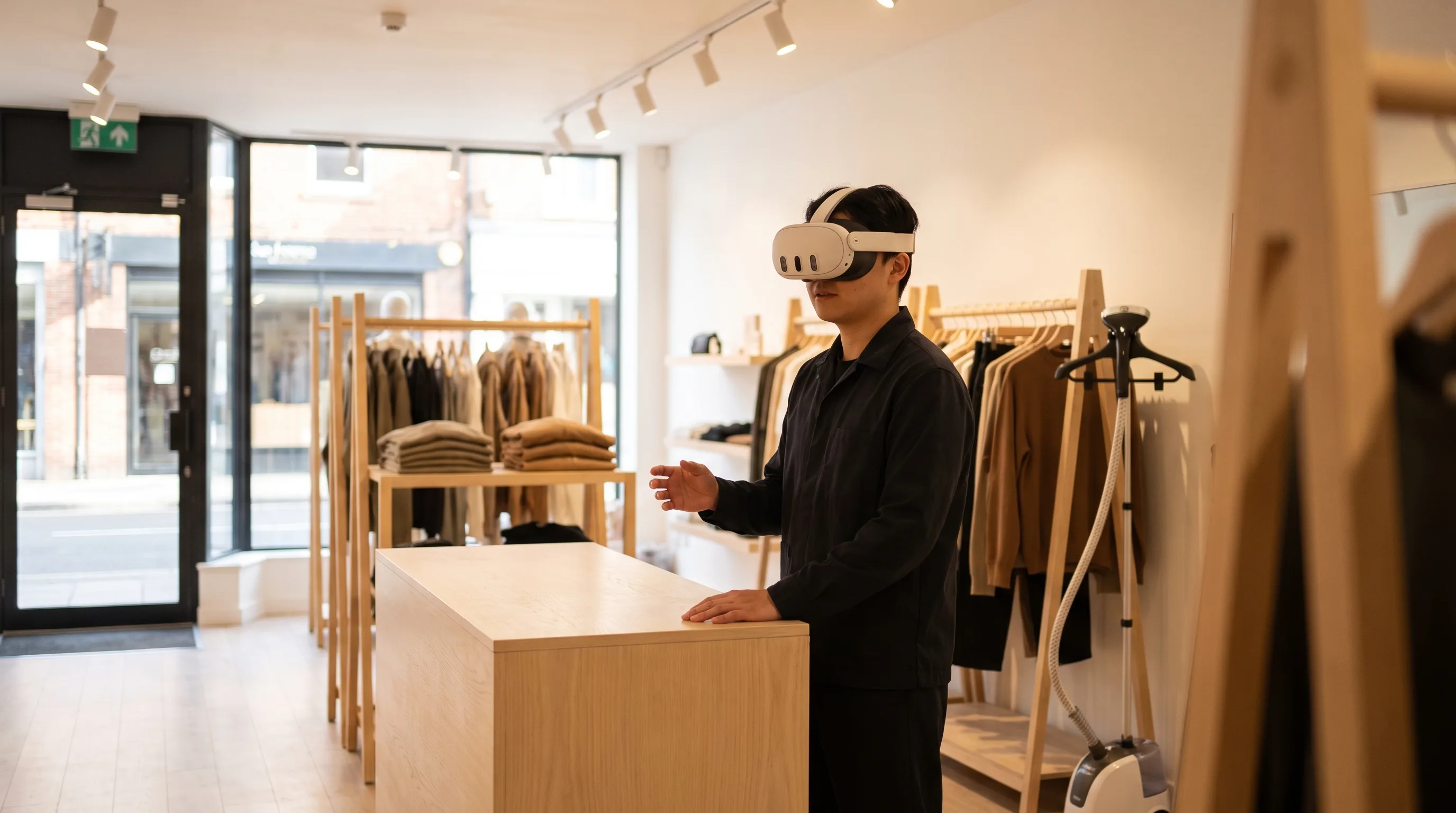
Retail, logistics, and remote workforce training: Retailers use VR to train staff on customer service and store operations, while logistics companies simulate warehouse safety and route optimization. Remote workforce training benefits from XR learning tools that connect dispersed teams in shared virtual spaces, supported by Frame Sixty’s agentic spatial computing solutions.

Key takeaway: VR training delivers scalable, safe, and effective learning across manufacturing, healthcare, and retail sectors.

Case Studies from Leading Enterprises

Strivr and Virti: Strivr has partnered with Fortune 500 companies to improve performance metrics through immersive learning. Their platform tracks engagement, completion rates, and skill transfer, demonstrating measurable ROI. Virti, on the other hand, focuses on behavioral and soft skills, using AI-driven analytics to enhance communication training outcomes.

EON Reality and Meta Reality Labs: EON Reality develops enterprise-grade XR learning environments, enabling interactive simulations for technical and vocational education. Meta Reality Labs continues to push boundaries with Oculus Quest and Meta Horizon Workrooms, supporting collaborative training in virtual spaces. These innovations are complemented by expert 3D model design services like Frame Sixty’s offerings.

Key takeaway: Leading enterprises demonstrate that VR training enhances both technical and soft skills while delivering quantifiable ROI.

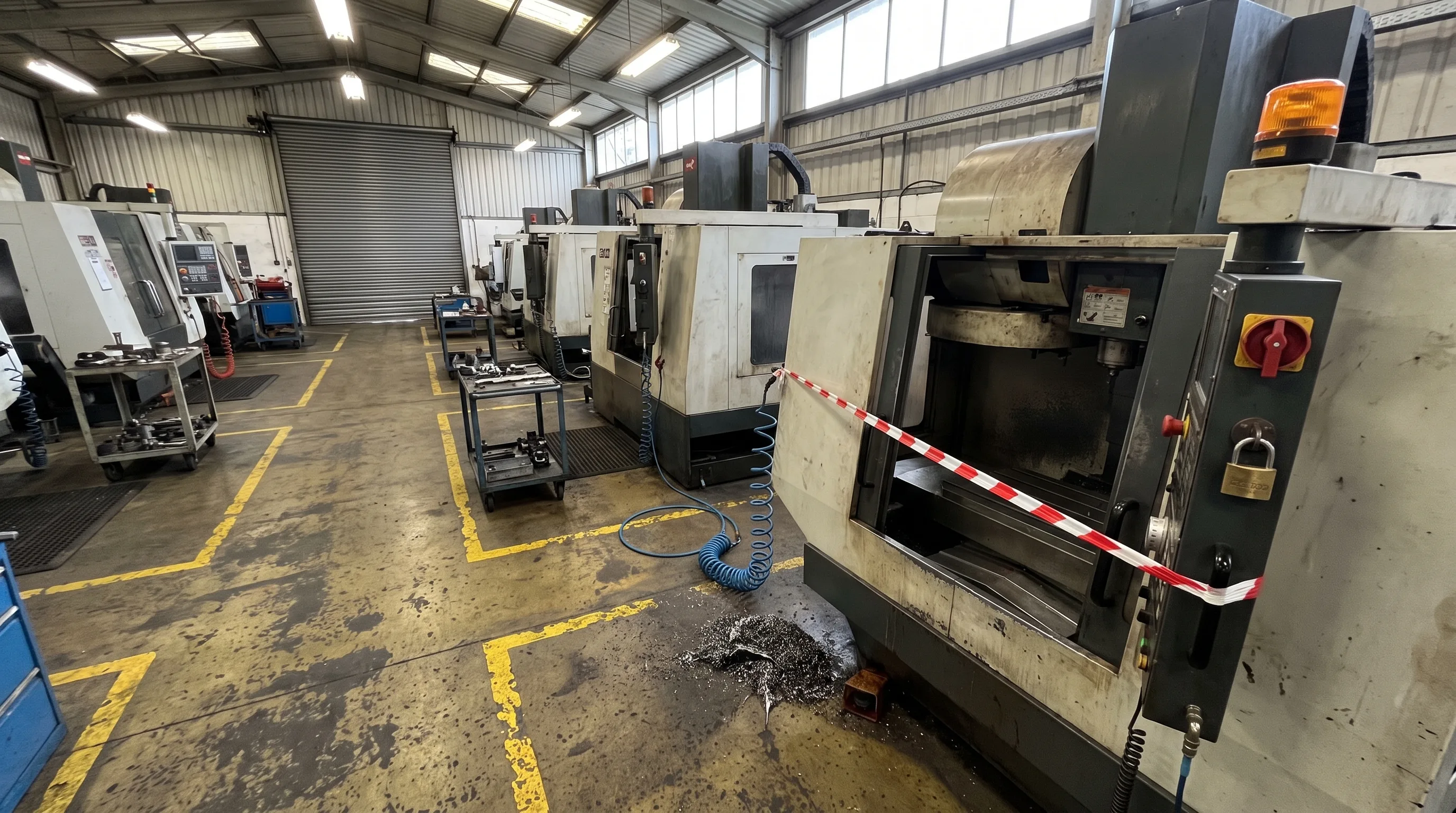
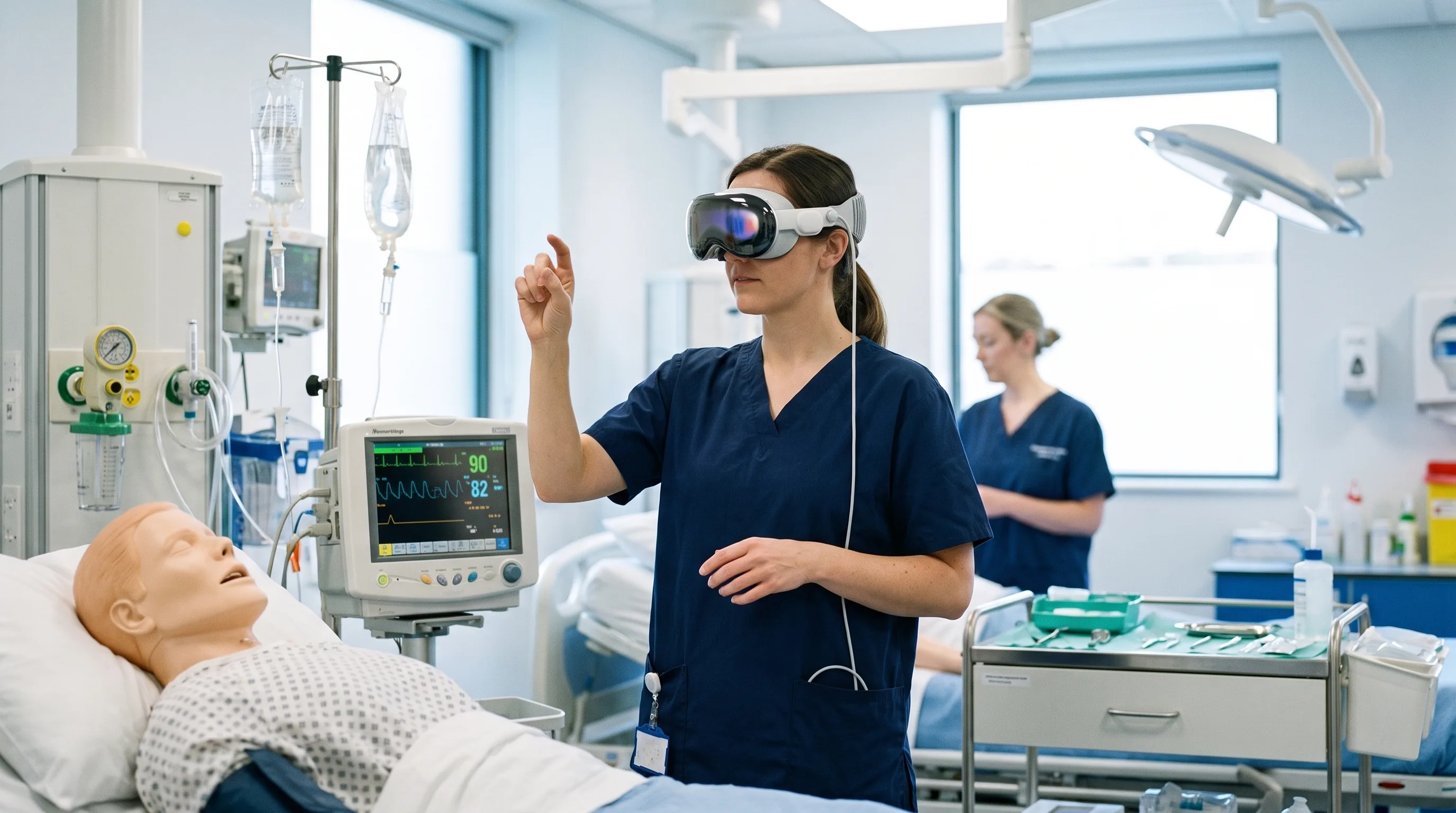
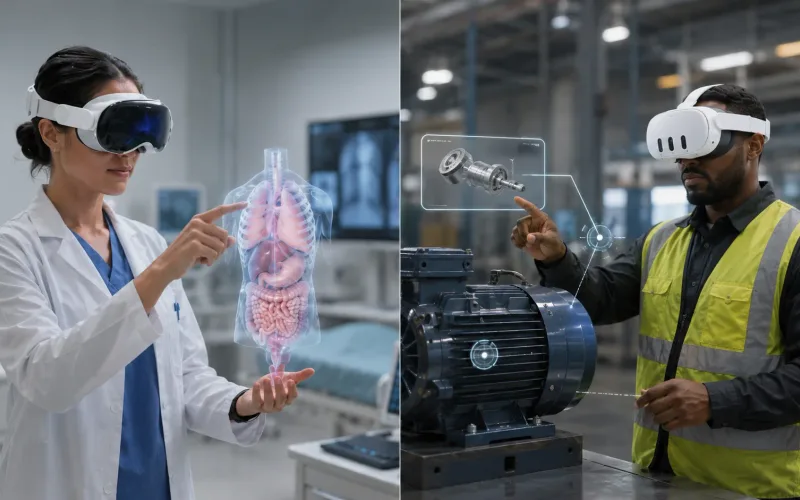
Healthcare trainee using VR headset for simulated surgery in bright medical lab

Hardware and Software Ecosystem

The VR training ecosystem in 2026 is defined by a synergy of hardware innovation, software platforms, and interoperability standards.

VR Headsets and Devices

Selecting the right headset is crucial for achieving training effectiveness and comfort. Devices vary in resolution, tracking accuracy, and enterprise integration capabilities.

Device Key Features Ideal Use Case
Oculus Quest 3 Wireless, high-resolution, enterprise-ready Corporate training and collaboration
HTC Vive Focus 3 Superior tracking, modular design Industrial and technical training
Varjo XR-4 Human-eye resolution, mixed reality Advanced simulation and design
Pico Interactive 4 Enterprise Lightweight, cost-effective Retail and onboarding training
Microsoft HoloLens 2 Mixed reality overlay Maintenance and remote assistance

Recommendation: Enterprises should align headset selection with training complexity, mobility needs, and IT infrastructure. For example, Varjo suits high-fidelity simulations, while Pico Interactive offers scalability for large workforce deployments.

Key takeaway: The right hardware ensures comfort, realism, and scalability in VR training deployments.

Development Platforms and Tools

Creating interactive VR modules requires robust development environments. Unity and Unreal Engine dominate the VR training landscape.

  • Unity Technologies: Offers a flexible engine for building interactive training modules. Developers can access official resources at Unity Learn.
  • Unreal Engine: Known for photorealistic rendering and advanced physics, ideal for technical simulations. Learn more at Unreal Engine’s learning hub.
  • OpenXR: Ensures cross-platform compatibility and device interoperability, supported by OpenXR standards.
  • WebXR: Enables browser-based VR experiences for lightweight training delivery.

Developers often collaborate with agencies like Frame Sixty for custom VR module creation, integrating AI and 3D modeling expertise through services such as Frame Sixty’s AI developer solutions.

Key takeaway: Unity and Unreal Engine provide the foundation for scalable, cross-platform VR training development.

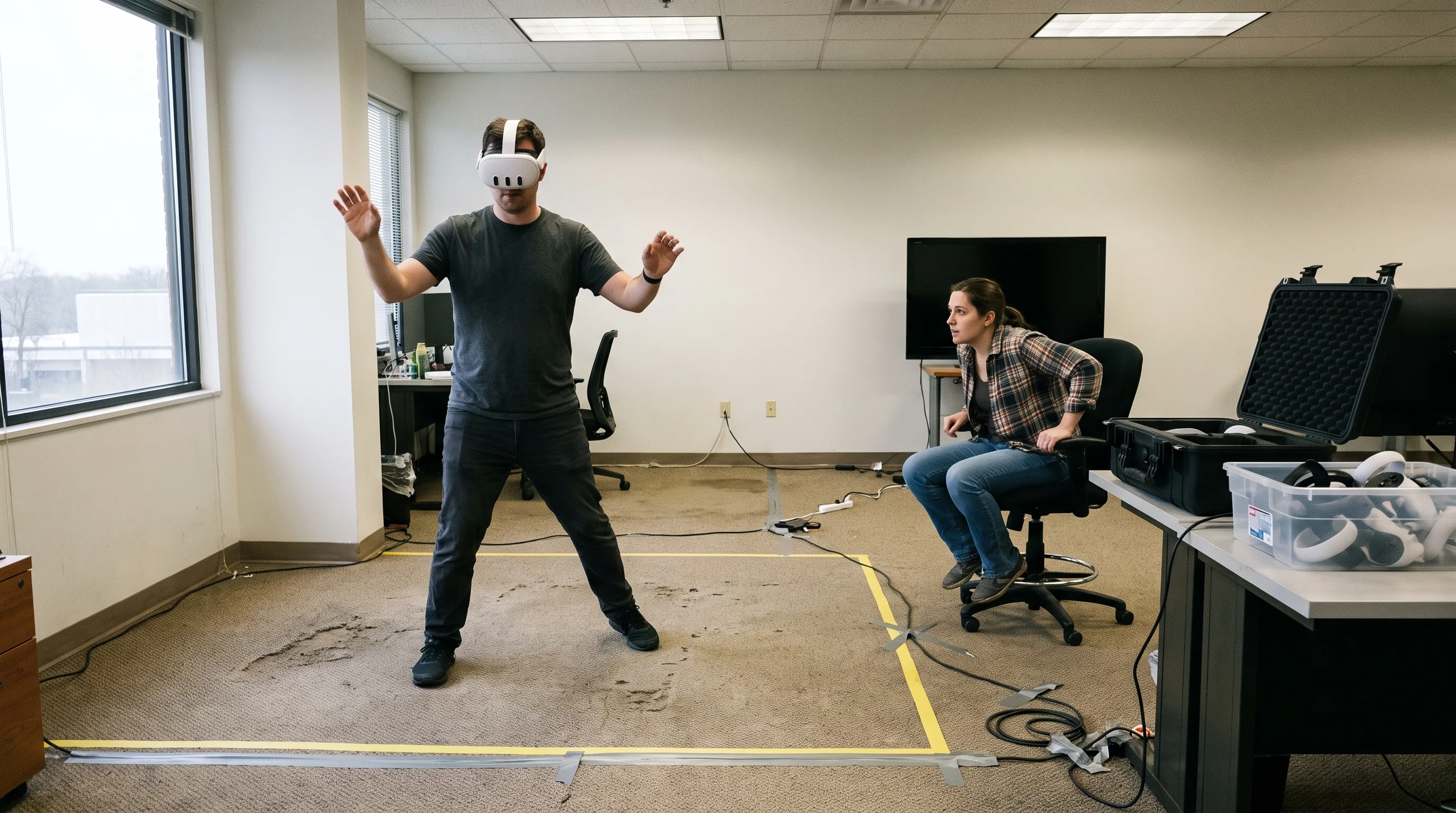
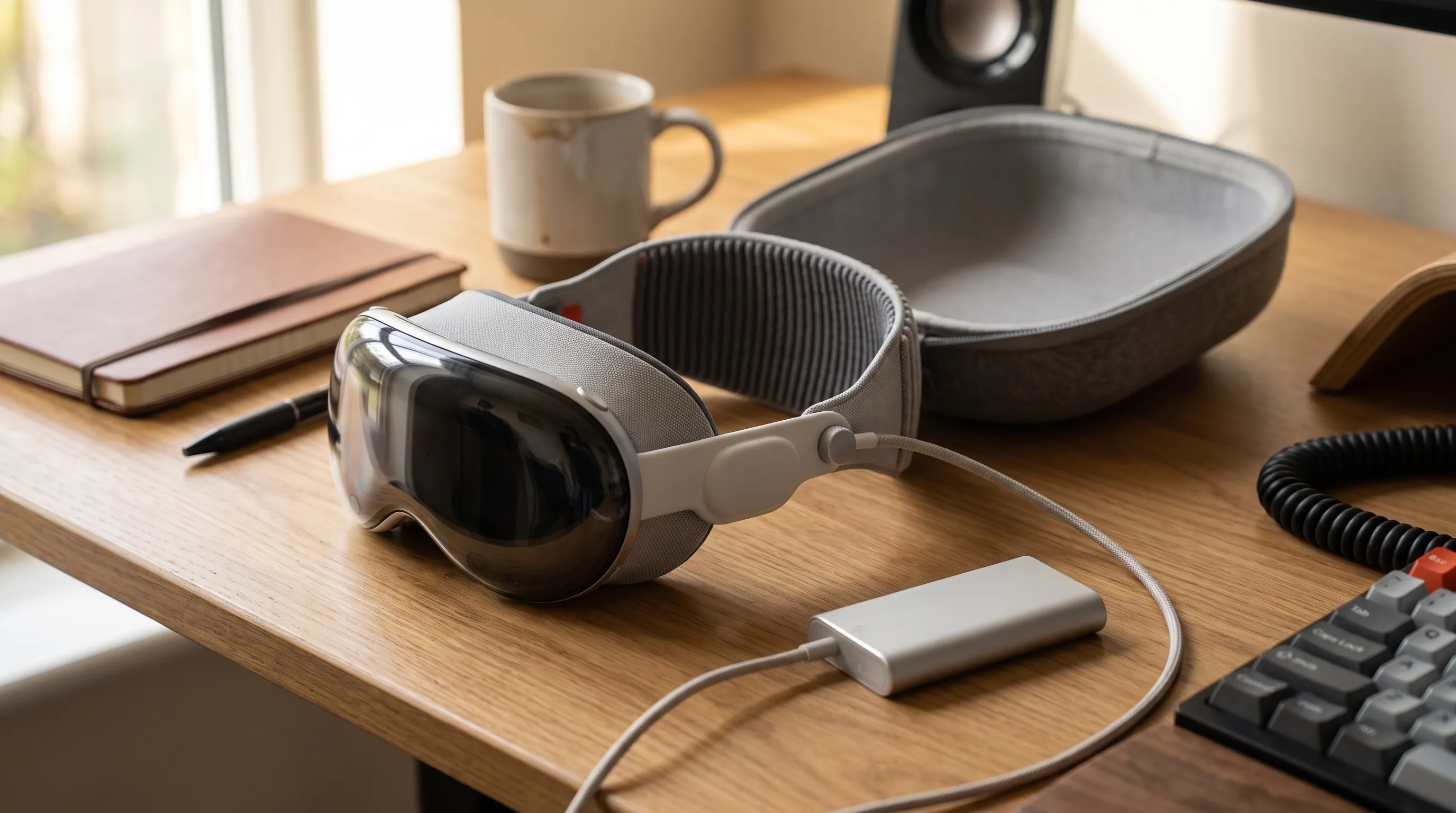
Developers collaborating on VR training module design using 3D software

Designing Effective VR Training Programs

Designing effective VR training requires aligning learning objectives with 3D environment design, gamification, and compliance standards.

Instructional Design for 3D Environment Learning

Instructional design in VR focuses on experiential learning. Each simulation must align with measurable objectives—whether improving safety compliance or reducing error rates. Using 3D environment design principles, developers create spatially accurate, interactive experiences.

Gamification elements—such as progress tracking, leaderboards, and rewards—boost learner motivation and engagement scores. Agencies like Frame Sixty specialize in translating instructional design into immersive 3D experiences.

Key takeaway: Effective VR instructional design merges pedagogy, interaction design, and gamification to maximize engagement.

Creating Custom VR Training Modules

Developing custom VR training modules involves several key steps:

  1. Needs Analysis: Identify performance gaps and learning objectives.
  2. Scenario Scripting: Define interactive storylines and decision points.
  3. 3D Modeling: Use expert services like Frame Sixty’s 3D design to create realistic environments.
  4. Development: Build modules in Unity or Unreal Engine using assets optimized for performance and realism.
  5. Testing and Iteration: Conduct user testing to refine usability and engagement.

Collaboration with experienced developers ensures technical precision and usability compliance with standards like ISO 9241.

Key takeaway: A structured workflow combining design, development, and testing ensures high-quality VR training modules.

Integrating with LMS and Compliance Systems

VR training modules must integrate seamlessly with learning management systems (LMS) and compliance frameworks. Standards like SCORM, xAPI, and AICC enable data tracking across platforms. Integration ensures that training completion rates, scores, and user metrics are recorded accurately.

Compliance with GDPR and ISO 45001 is essential for data protection and workplace safety. Developers can reference NIST for measurement frameworks that ensure hardware and software interoperability. Ethical and privacy standards from XRSI guide secure data handling in immersive environments.

Key takeaway: Seamless LMS integration and compliance adherence ensure data accuracy, privacy, and regulatory alignment.

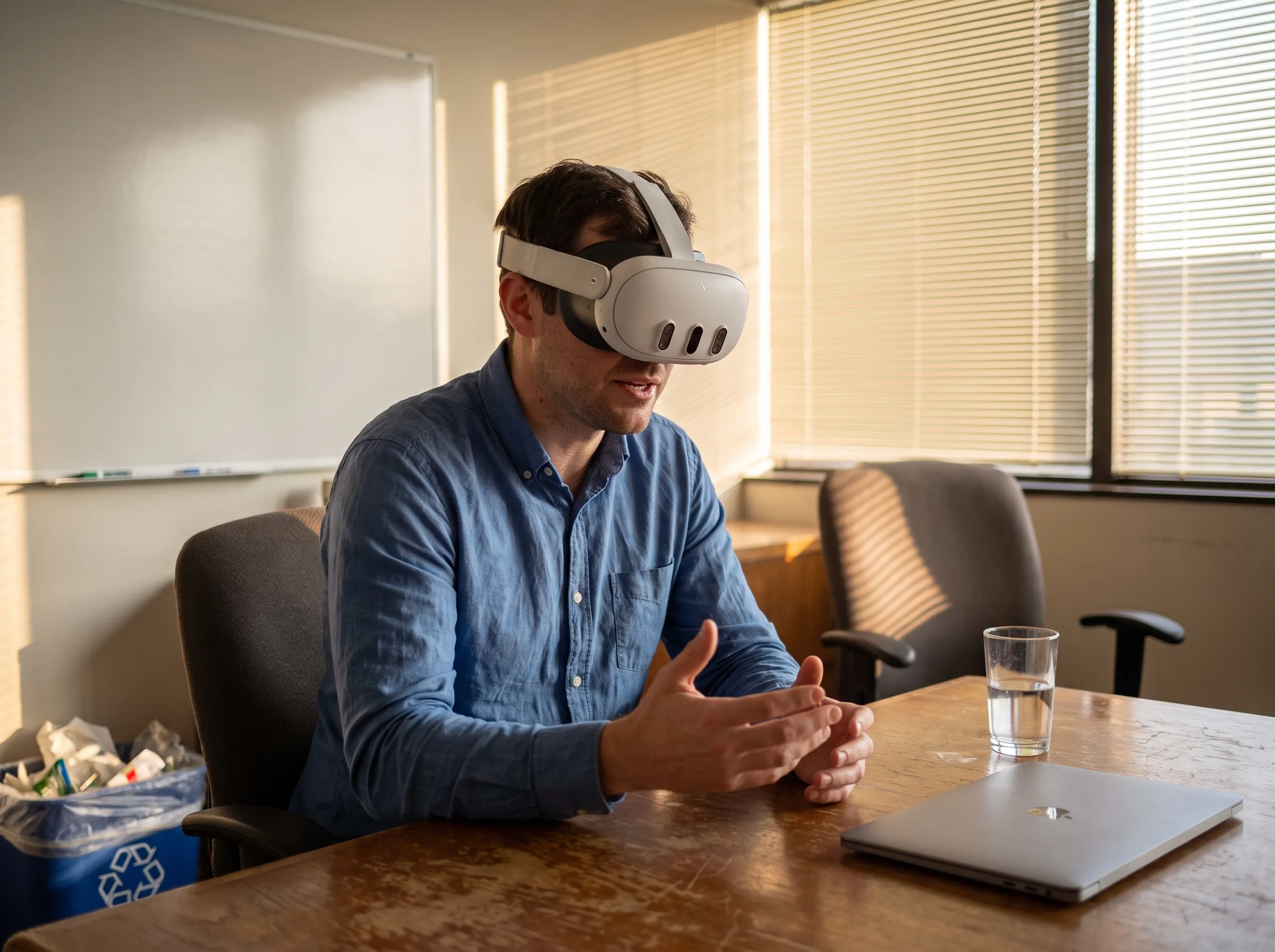
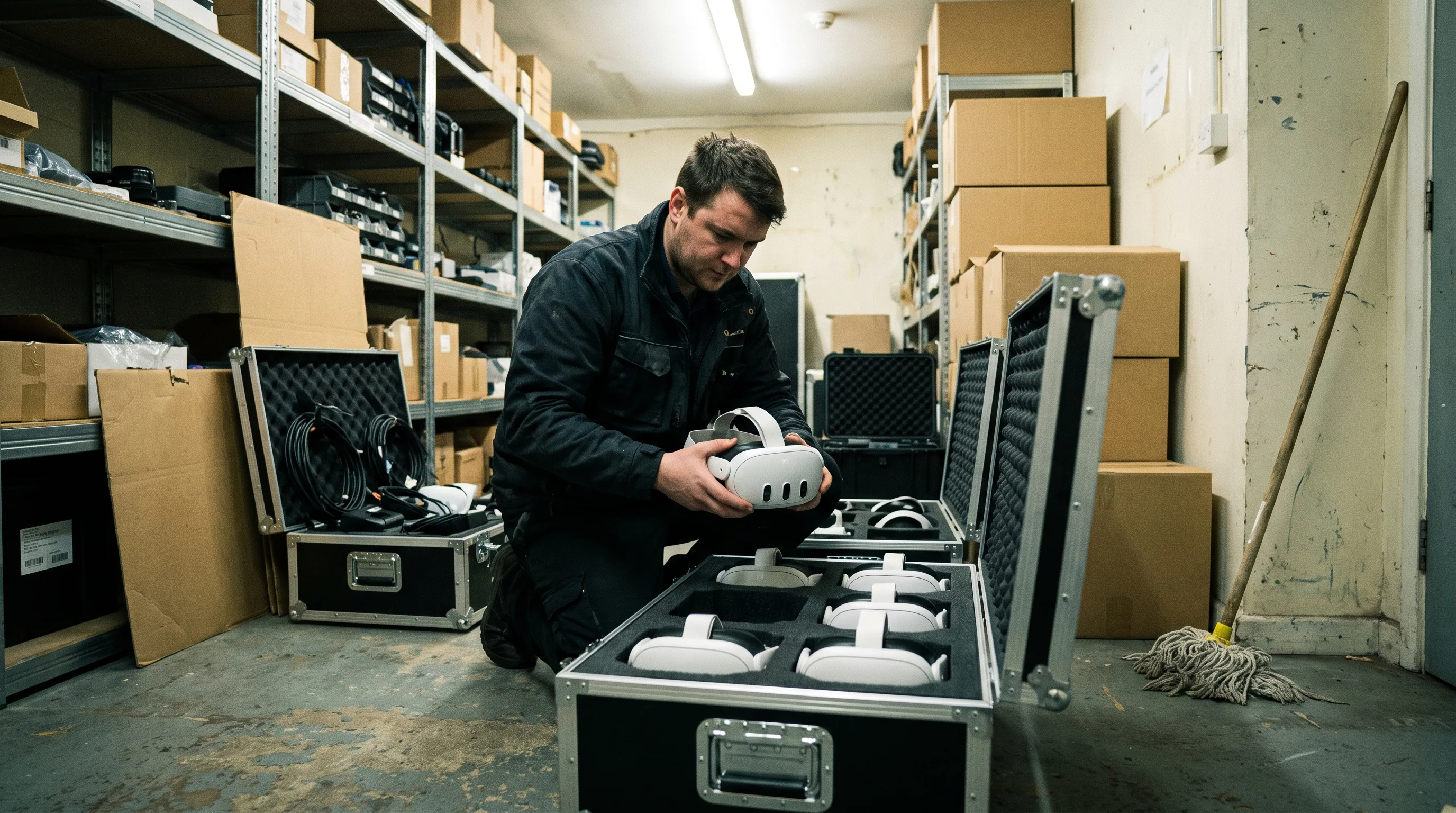
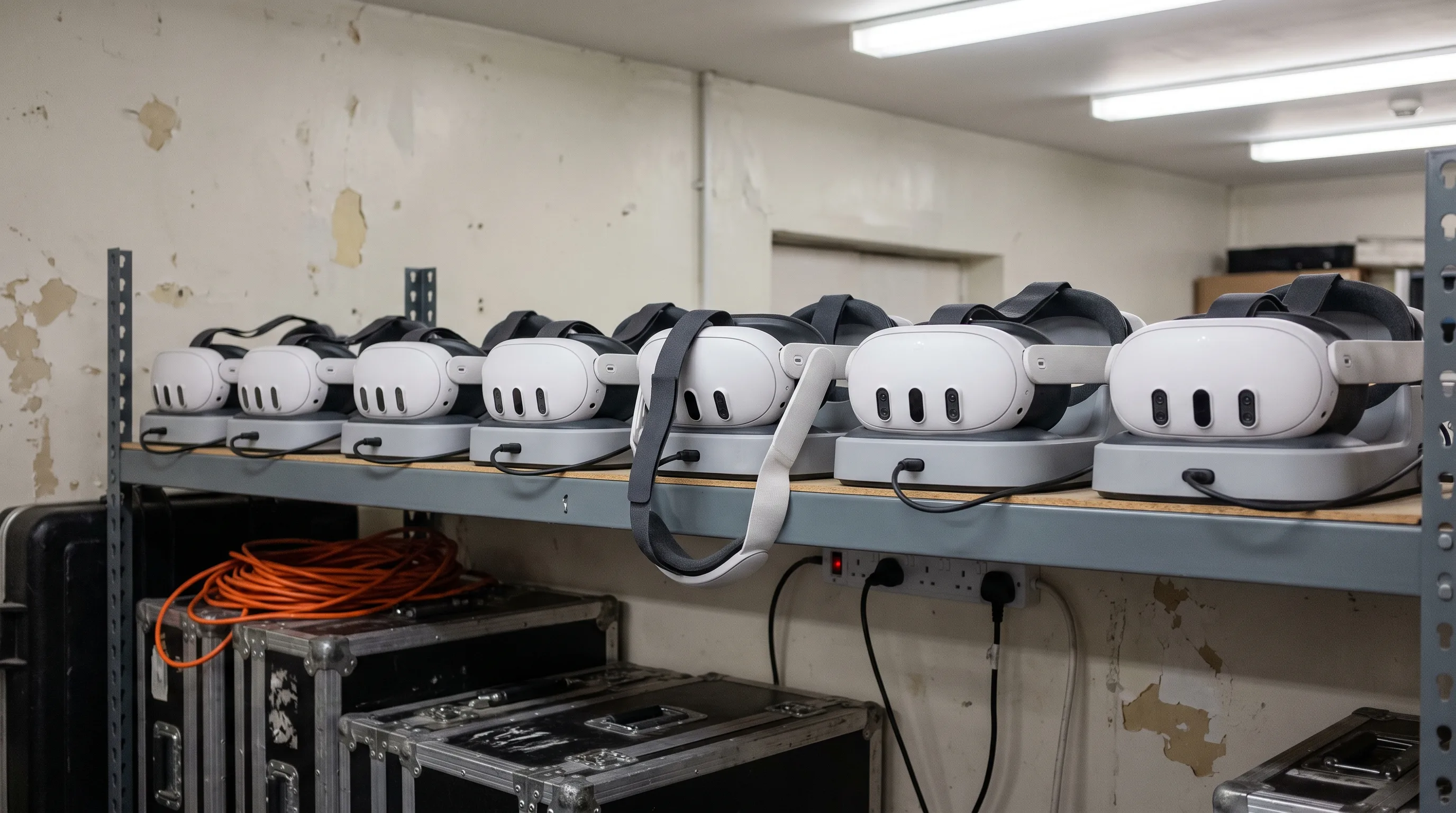
Technician testing multiple VR headsets on sleek desk in modern office

Measuring Success and ROI in VR Training

Evaluating VR training effectiveness requires tracking key metrics and calculating ROI based on performance improvements and cost savings.

Key Performance Metrics

Organizations measure VR training success using quantifiable metrics:

  • Training completion rate — Percentage of learners finishing modules.
  • Time to competency — Duration required to achieve proficiency.
  • Error reduction rate — Decrease in mistakes after training.
  • User satisfaction — Measured through surveys and engagement analytics.
  • Training efficiency — Ratio of learning outcomes to time invested.

For example, Strivr reports that clients achieve up to 40% faster skill acquisition and 30% fewer operational errors. Integration with AI analytics, as explored by IBM Research, enhances real-time performance tracking.

Key takeaway: Data-driven metrics validate the effectiveness and efficiency of VR training programs.

ROI Analysis and Business Impact

Calculating ROI involves comparing training costs against performance gains and risk reductions. A simplified ROI framework includes:

  1. Direct Cost Savings: Reduced travel, instructor, and facility expenses.
  2. Indirect Benefits: Improved safety compliance and reduced downtime.
  3. Performance Metrics: Increases in productivity and accuracy.

Organizations can benchmark results using insights from McKinsey’s future of work research. When integrated with AI forecasting, VR training ROI can be projected over multiple fiscal periods.

Key takeaway: ROI analysis demonstrates that VR training delivers measurable financial and performance benefits.

Implementation Challenges and Best Practices

Implementing VR training presents challenges related to cost, scalability, and user adoption. However, strategic planning and best practices can mitigate these barriers.

Common Barriers to Adoption

Hardware costs: High-end devices like Varjo and HTC Vive require significant investment. However, scalable solutions using Pico Interactive or Oculus Quest offer cost-effective alternatives.

Content scalability: Developing custom modules can be resource-intensive. Partnering with agencies like Frame Sixty’s Android app development team ensures efficient cross-platform deployment.

User onboarding: Some employees may resist new technologies. Providing orientation and guided tutorials—similar to those highlighted in Frame Sixty’s Apple Vision Pro developer insights—helps overcome resistance.

Key takeaway: Addressing cost, scalability, and onboarding challenges ensures smoother VR training adoption.

Best Practices for Sustainable VR Training Deployment

  1. Pilot Testing: Start with small-scale pilots to validate learning outcomes.
  2. Iterative Improvement: Collect feedback and refine modules continuously.
  3. Integration: Embed VR within existing corporate learning ecosystems.
  4. Cross-functional Collaboration: Involve HR, IT, and operations teams.
  5. Ethical Standards: Follow XRSI and ISO 9241 frameworks for safety and accessibility.

Organizations leveraging Frame Sixty’s AI in virtual reality development can automate content updates and analytics for long-term sustainability.

Key takeaway: Sustainable VR training relies on iterative development, cross-departmental collaboration, and adherence to ethical standards.

Future Trends in VR Training

The future of VR training is defined by AI-driven personalization, interoperability, and ethical innovation.

The Evolution of XR Learning and AI Integration

AI integration enables adaptive learning environments that respond to user performance in real time. Predictive analytics, as discussed by IBM Research, help forecast learner outcomes and optimize training paths.

Microsoft Mesh and Meta Reality Labs are pioneering collaborative XR learning spaces where remote teams can interact naturally. These environments are enhanced by agentic spatial computing, as explored in Frame Sixty’s research, enabling AI-driven avatars and dynamic environments.

Key takeaway: AI and XR convergence will redefine personalized, data-driven immersive learning.

Emerging Standards and Ethical Considerations

As VR training scales globally, adherence to emerging standards ensures safety, accessibility, and inclusivity.

  • IEEE VR Standards and ISO 9241 usability frameworks guide ergonomic and accessibility design.
  • NIST promotes measurement standards for device calibration and interoperability.
  • XRSI establishes ethical guidelines for data privacy and user safety.

Developers must design inclusive environments that accommodate diverse learners, ensuring compliance with GDPR and accessibility best practices.

Key takeaway: Ethical frameworks and international standards safeguard user well-being and ensure equitable access to immersive learning.

Conclusion

By 2026, VR training has evolved into a strategic pillar of enterprise learning. Organizations across manufacturing, healthcare, and retail leverage immersive simulations to enhance safety, efficiency, and engagement. The convergence of AI, XR, and spatial computing ensures that learning experiences are adaptive, data-driven, and globally scalable.

Enterprises that invest in robust hardware, cross-platform development, and compliance frameworks realize measurable ROI and long-term workforce transformation. From Unity and Unreal Engine development to OpenXR interoperability, the ecosystem supports innovation at every stage.

As immersive learning continues to mature, organizations that adopt best practices—pilot testing, ethical design, and continuous iteration—will lead the next wave of digital transformation in workforce development.

To explore how custom VR training solutions can elevate your organization’s learning strategy, get in touch with the experts at Frame Sixty today.

Advanced Insights on VR Training in 2026

This FAQ expands on practical, technical, and strategic aspects of VR training to help organizations and developers optimize immersive learning programs for maximum ROI and engagement.

What is the difference between VR training and traditional e-learning methods?

VR training immerses learners in interactive 3D environments, allowing hands-on practice and real-time feedback. Traditional e-learning relies on passive content like videos or slides, while VR fosters experiential learning that accelerates skill acquisition.

Why does VR training improve knowledge retention compared to classroom instruction?

VR training enhances retention because it engages multiple senses and replicates real-world experiences. This active participation strengthens memory encoding and helps learners apply skills more effectively in real scenarios.

Can VR training be used for both technical and soft skills development?

Yes, VR training supports both technical and interpersonal skill development. It’s used for complex procedures like equipment maintenance and for soft skills such as communication, leadership, and empathy training.

How does a company integrate VR training modules with its existing LMS?

Integration is achieved through standards like SCORM, xAPI, or AICC, which allow data exchange between VR platforms and learning management systems. This ensures accurate tracking of completion rates, scores, and learner performance metrics.

What hardware specifications are recommended for enterprise VR training setups?

Enterprises should use headsets with high resolution, precise tracking, and ergonomic comfort, such as Varjo XR-4 or HTC Vive Focus 3. Systems should also include powerful GPUs and stable wireless connectivity for seamless performance.

Is it possible to deploy VR training across multiple devices and platforms?

Yes, cross-platform deployment is possible using OpenXR and WebXR standards. These frameworks ensure interoperability, allowing VR modules to run on various headsets and even in web browsers for lightweight access.

How much does it typically cost to implement a full-scale VR training program?

Costs vary depending on complexity, hardware, and content development. Basic programs may start at a few thousand dollars, while enterprise-grade simulations with custom 3D environments can exceed six figures.

What are the risks of not aligning VR training with compliance standards?

Non-compliance can lead to data privacy violations, safety issues, and regulatory penalties. Adhering to frameworks like GDPR, ISO 45001, and XRSI standards ensures ethical, secure, and legally compliant training environments.

How can organizations measure the ROI of their VR training initiatives?

ROI is measured by comparing cost savings and performance improvements against initial investment. Metrics such as error reduction, time-to-competency, and productivity gains provide quantifiable evidence of financial and operational impact.