
Medical Training Simulation: Advanced Strategies, Technologies, and Standards for 2026 Healthcare Education
Apr 27, 2026
10 MIN READ
Medical training simulation is the use of advanced technologies and structured environments to replicate clinical scenarios for healthcare education, enabling learners to develop competence and confidence before treating real patients. It encompasses high-fidelity mannequins, virtual and mixed reality systems, and AI-driven adaptive learning platforms that measure performance through metrics such as competency assessment and error reduction rate. Guided by standards from SSH, INACSL, and ISO, simulation ensures consistency, safety, and measurable outcomes. Its evolution toward data-driven, immersive, and interprofessional models positions it as a cornerstone of modern medical education and patient safety improvement.
The Evolution of Medical Training Simulation in Modern Healthcare
Medical training simulation has evolved from basic task trainers to complex, AI-driven virtual environments that mirror real clinical ecosystems. This evolution reflects advances in digital modeling, immersive visualization, and data analytics.
From Mannequins to Mixed Reality: A Historical Perspective
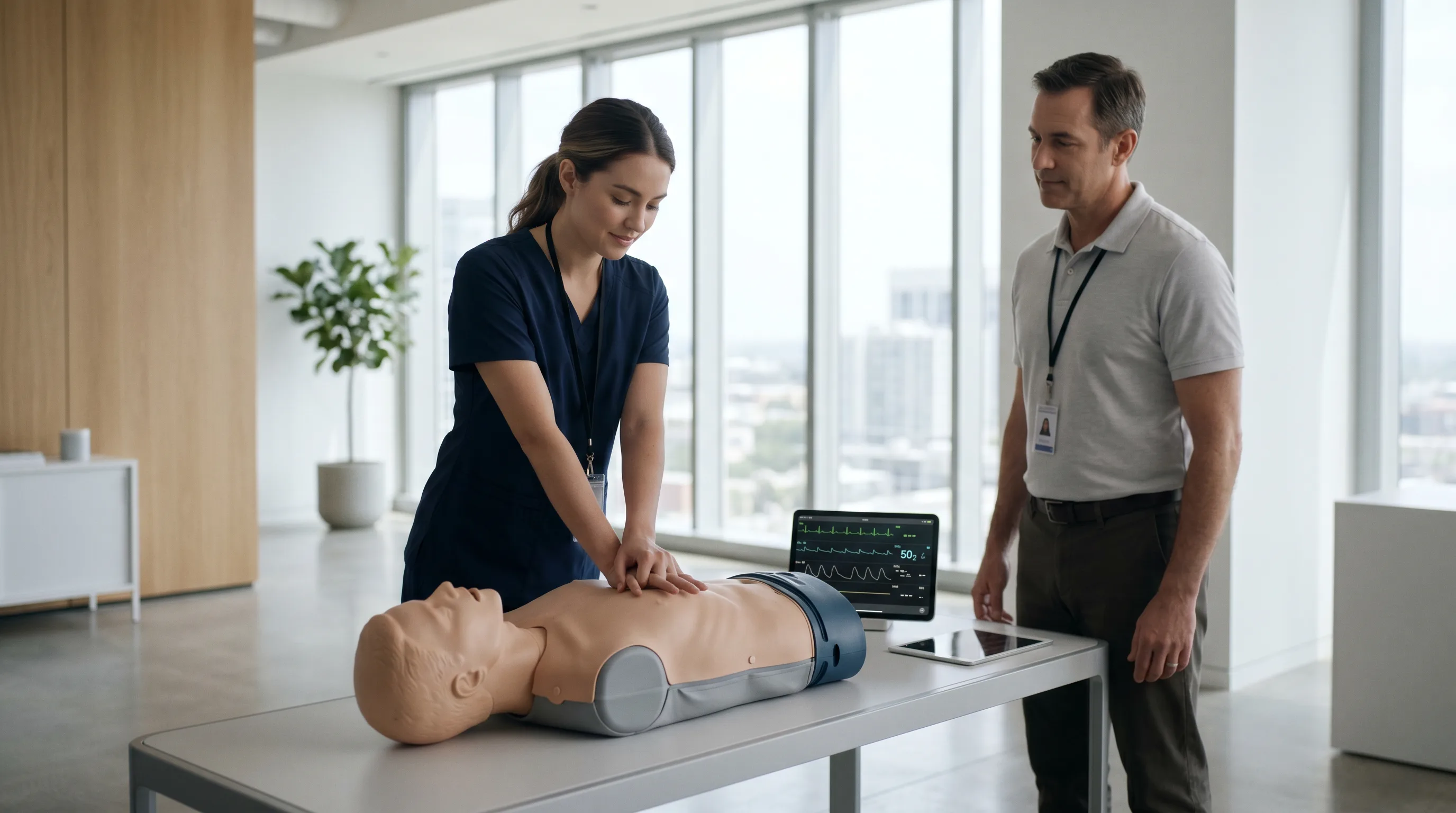
The earliest forms of simulation in medicine were static mannequins used for CPR training. Over time, these evolved into high-fidelity simulators like SimMan by Laerdal Medical and CAE Healthcare’s patient simulators, capable of mimicking physiological responses such as breathing, pulse, and pupil dilation. By the 2010s, mixed reality and VR medical training platforms began integrating into curricula, leveraging technologies similar to those explored in Frame Sixty’s 3D model design services.
The integration of mixed reality and haptic feedback now allows learners to interact with virtual patients in realistic, tactile environments. This transformation parallels developments in spatial computing and immersive design, as seen in Frame Sixty’s agentic spatial computing initiatives, which enhance realism and interactivity.
The Shift Toward Competency-Based Clinical Skills Training
Modern healthcare education emphasizes competency-based medical education (CBME), aligning with frameworks like the AAMC Core Entrustable Professional Activities and ACGME Milestones. Simulation enables consistent, measurable assessment of competencies such as communication, teamwork, and clinical decision-making.
Institutions increasingly use simulation fidelity and scenario completion rate metrics to evaluate learner readiness. These measures ensure that trainees achieve not only procedural proficiency but also situational awareness and interprofessional collaboration skills.
Key Drivers: Patient Safety, Technology, and Regulatory Standards
Patient safety remains the primary driver of simulation adoption. The World Health Organization’s Patient Safety Curriculum and National Patient Safety Foundation (NPSF) emphasize simulation as a method to reduce medical errors and improve clinical outcomes. Regulatory bodies like the FDA and ISO also influence simulation design by establishing standards for device safety and quality management.
Key takeaway: The evolution of medical training simulation reflects a convergence of technology, pedagogy, and patient safety imperatives, forming the foundation of modern healthcare education.
Need help with medical simulation design?
We are here to help!
Core Types of Medical Training Simulations
Medical training simulations encompass a diverse range of modalities, each designed to replicate specific clinical contexts and learning objectives.
High-Fidelity Mannequin-Based Simulation
High-fidelity mannequins, such as SimMan, CAE Healthcare, and Gaumard Scientific systems, remain the cornerstone of simulation-based learning. These lifelike models simulate physiological responses, allowing learners to practice resuscitation, intubation, and emergency procedures.
Simulation fidelity—the degree to which a simulation replicates reality—directly impacts learning outcomes. Studies indexed on PubMed show that high-fidelity simulation improves skill retention rate and error reduction rate compared to low-fidelity alternatives.
| Simulator | Manufacturer | Key Features | Use Case |
|---|---|---|---|
| SimMan 3G | Laerdal Medical | Realistic airway, vital signs, wireless operation | Emergency medicine |
| CAE Apollo | CAE Healthcare | High-fidelity physiology, integrated debriefing | Critical care |
| Victoria | Gaumard Scientific | Obstetric simulation | Labor and delivery |
Virtual Patient Simulation and VR Medical Training
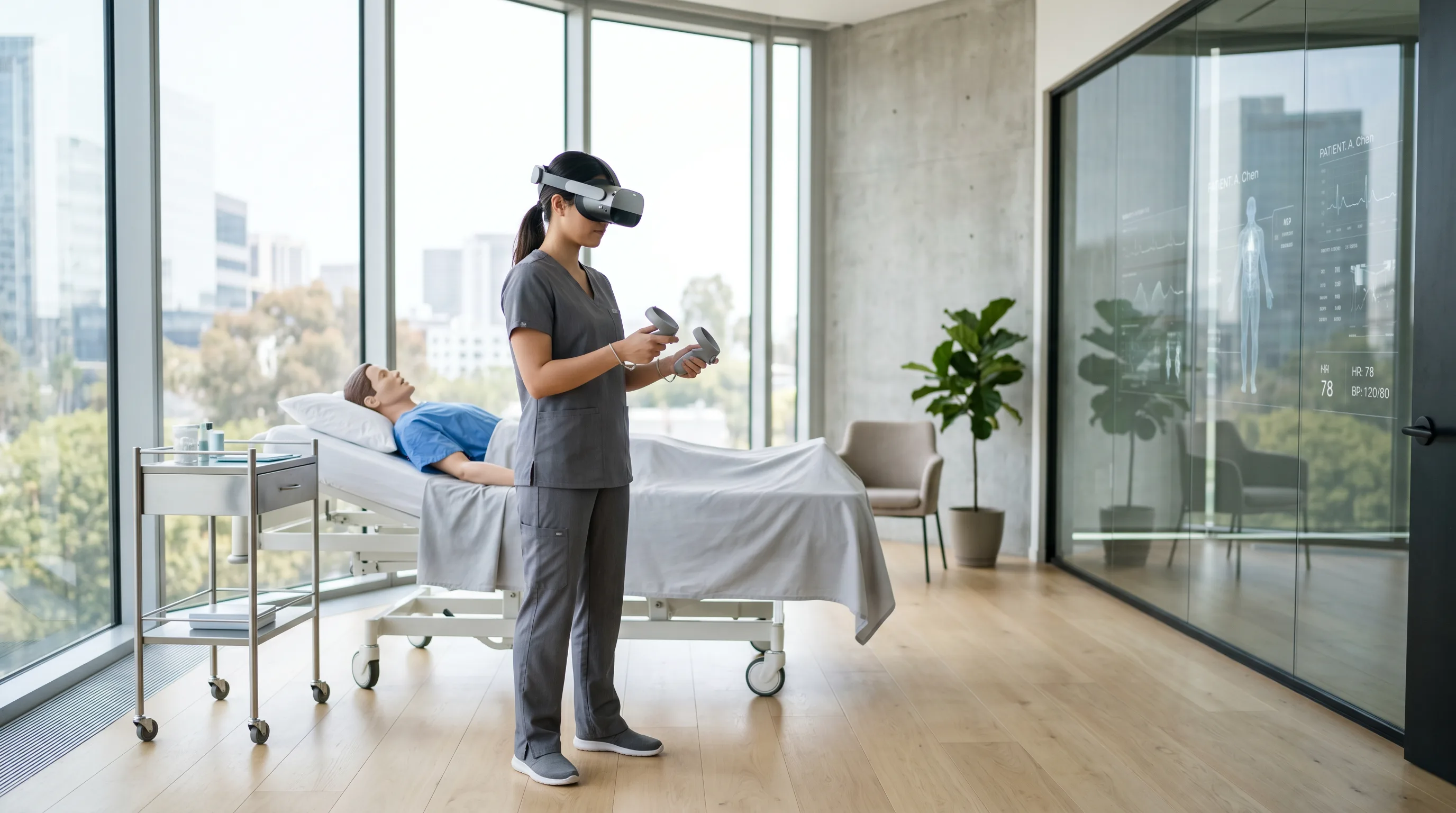
Virtual patient simulation platforms such as SimX VR Platform, Oxford Medical Simulation Platform, and Body Interact Cloud create immersive, interactive learning environments. Learners engage with virtual patients who respond dynamically to interventions, enhancing knowledge transfer effectiveness and decision-making skills.
VR medical training leverages spatial computing and AI-driven scenarios, similar to innovations discussed in Frame Sixty’s AI in virtual reality development. These systems support immersive learning in healthcare, enabling scalable, remote, and repeatable experiences.
Surgical Simulation and Procedural Training
Surgical simulation tools like VirtaMed ArthroS, 3D Systems Healthcare, and Inovus Medical provide realistic procedural training through haptic feedback and 3D visualization. These simulators replicate tissue resistance, instrument handling, and procedural flow, allowing surgeons to refine their technique without risk to patients.
Modern surgical simulators integrate with AI-powered performance dashboards to track competency assessment and response time analysis, aligning with quality frameworks such as ISO 9001 Quality Management.
Remote and Cloud-Based Simulation
Cloud-based platforms like SimCapture, CAE Maestro, and Health Scholars VR enable distributed learning, supporting hybrid and distance nursing education technology. These systems allow instructors to monitor learner performance remotely and conduct virtual debriefings.
Remote simulation aligns with the digital transformation trends seen in Frame Sixty’s Android app development agency, which emphasizes scalable, cross-platform learning solutions.
Key takeaway: From high-fidelity mannequins to cloud-based VR systems, each simulation type serves distinct educational goals, collectively enhancing clinical competence and patient safety.
Building a Healthcare Simulation Lab
A healthcare simulation lab is a purpose-built environment designed to replicate clinical settings for immersive training. It integrates physical equipment, digital systems, and structured workflows.
Essential Equipment and Infrastructure
A well-equipped simulation lab includes:
- High-fidelity mannequins (adult, pediatric, obstetric)
- VR and AR systems for VR medical training
- Audio-visual recording for debriefing
- Control rooms for scenario management
- Networked data systems for analytics
Integrating AR visualization and 3D modeling enhances realism. Tools similar to those offered by Frame Sixty’s 3D modeling for manufacturing and industrial design can be adapted for medical environments, enabling precise spatial layouts and ergonomic design.
Simulation Lab Design and Workflow Optimization
Effective lab design prioritizes scenario completion rate and learner engagement score. Workflow optimization ensures smooth transitions between setup, simulation, and debriefing phases.
Simulation labs often align with ISO 9001 Quality Management and ANSI/AAMI Standards to maintain quality and compliance. These frameworks promote consistency, safety, and continuous improvement in simulation operations.
Training ROI and Cost Considerations
Simulation labs represent significant investments. Estimating training ROI involves evaluating performance benchmarking metrics such as improved clinical outcomes, reduced onboarding time, and enhanced learner satisfaction. Funding models vary from institutional budgets to public-private partnerships.
Organizations like CAE Healthcare provide modular solutions that scale with institutional needs, while consulting partners like Frame Sixty help design and implement custom simulation environments.
Key takeaway: A well-designed simulation lab integrates technology, pedagogy, and compliance frameworks to deliver measurable educational and operational value.
Standards and Frameworks Guiding Simulation-Based Learning
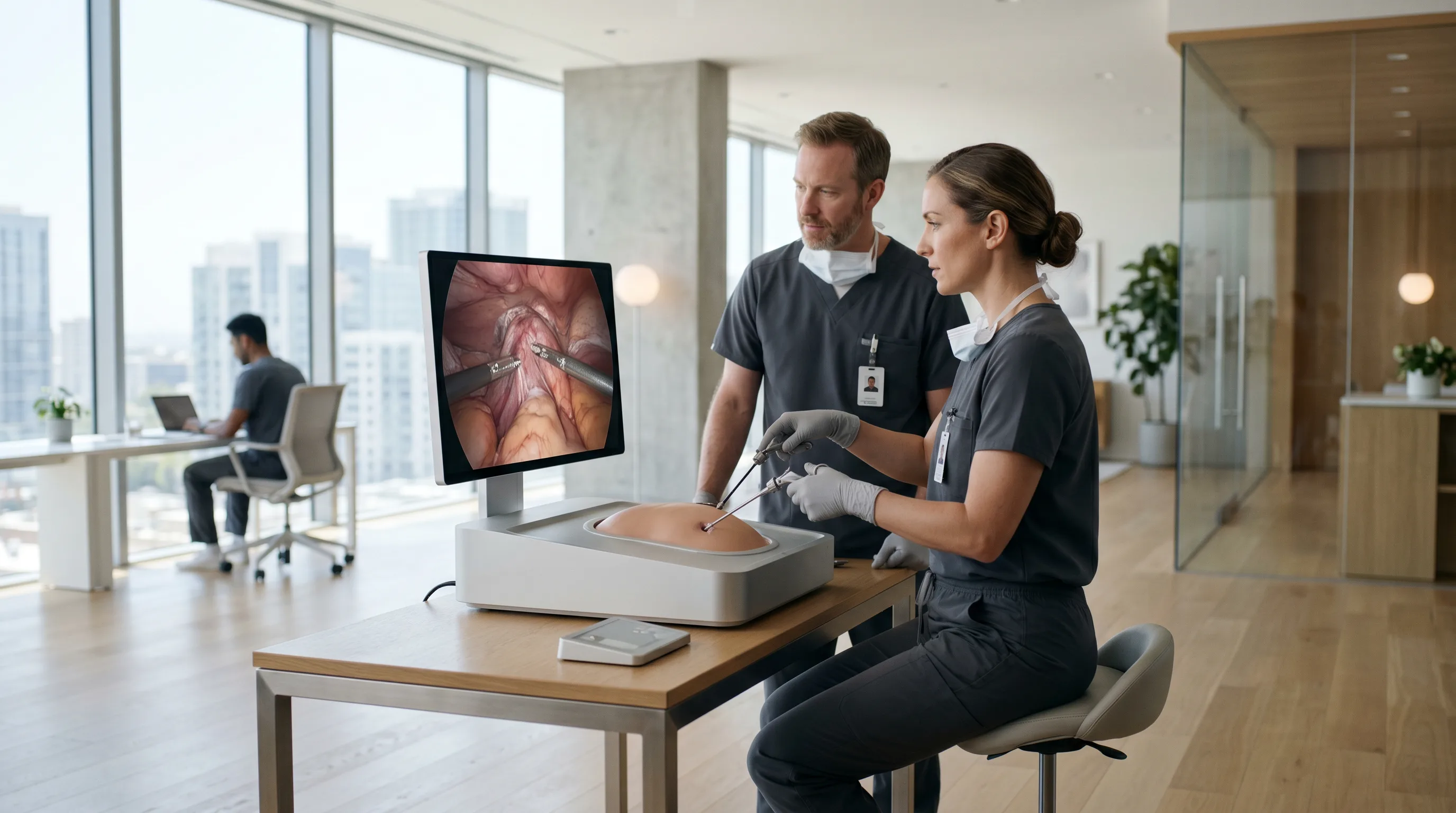
Simulation-based learning operates within a structured ecosystem of global standards, accreditation processes, and educational frameworks.
Global and Institutional Standards
The Society for Simulation in Healthcare (SSH) and the INACSL Healthcare Simulation Standards of Best Practice provide foundational guidelines for simulation program design, implementation, and evaluation. These standards emphasize ethical practice, scenario design, facilitation, and debriefing quality.
Institutions seeking accreditation align their simulation centers with SSH and INACSL benchmarks to ensure consistency and credibility.
Alignment with Medical Education Frameworks
Simulation aligns closely with competency-based frameworks such as the AAMC Core Entrustable Professional Activities and ACGME Milestones. These frameworks define the skills and behaviors expected of medical graduates and residents.
The WHO Patient Safety Curriculum integrates simulation as a key strategy for teaching safe practice principles, reinforcing the global emphasis on patient safety.
Quality and Compliance Metrics
Simulation programs track competency assessment, skill retention rate, and error reduction rate to demonstrate effectiveness. These metrics align with quality management systems like ISO 9001 Quality Management.
Key takeaway: Adherence to global standards ensures that simulation-based learning remains credible, measurable, and aligned with patient safety goals.

Measuring Simulation Effectiveness and Learner Outcomes
Evaluating the impact of simulation requires both quantitative and qualitative methods that capture learning outcomes, behavioral changes, and clinical performance improvements.
Quantitative Metrics and Analytics
Simulation centers use response time analysis, knowledge transfer effectiveness, and scenario completion rate to quantify learner performance. AI-driven dashboards, similar to those developed by Frame Sixty’s AI developer, provide real-time analytics for instructors and administrators.
These metrics inform performance benchmarking, enabling institutions to compare results across cohorts and programs.
Educator Assessment and Feedback Models
Educators assess simulation performance using structured rubrics, peer review, and post-scenario debriefing. Debriefing remains the most critical phase, allowing learners to reflect on decisions and outcomes.
Best practices from the INACSL Healthcare Simulation Standards of Best Practice emphasize structured debriefing models that enhance learner engagement score and skill retention rate.
Institutional Benchmarking
Hospitals and universities measure simulation effectiveness by linking training outcomes to patient safety training metrics. Data from the National Patient Safety Foundation (NPSF) show that simulation-based interventions can reduce adverse event rates and improve team communication.
Key takeaway: Continuous measurement and feedback ensure that simulation-based education translates into tangible improvements in clinical performance and patient safety.
The Role of AI and Data in Next-Generation Medical Simulation
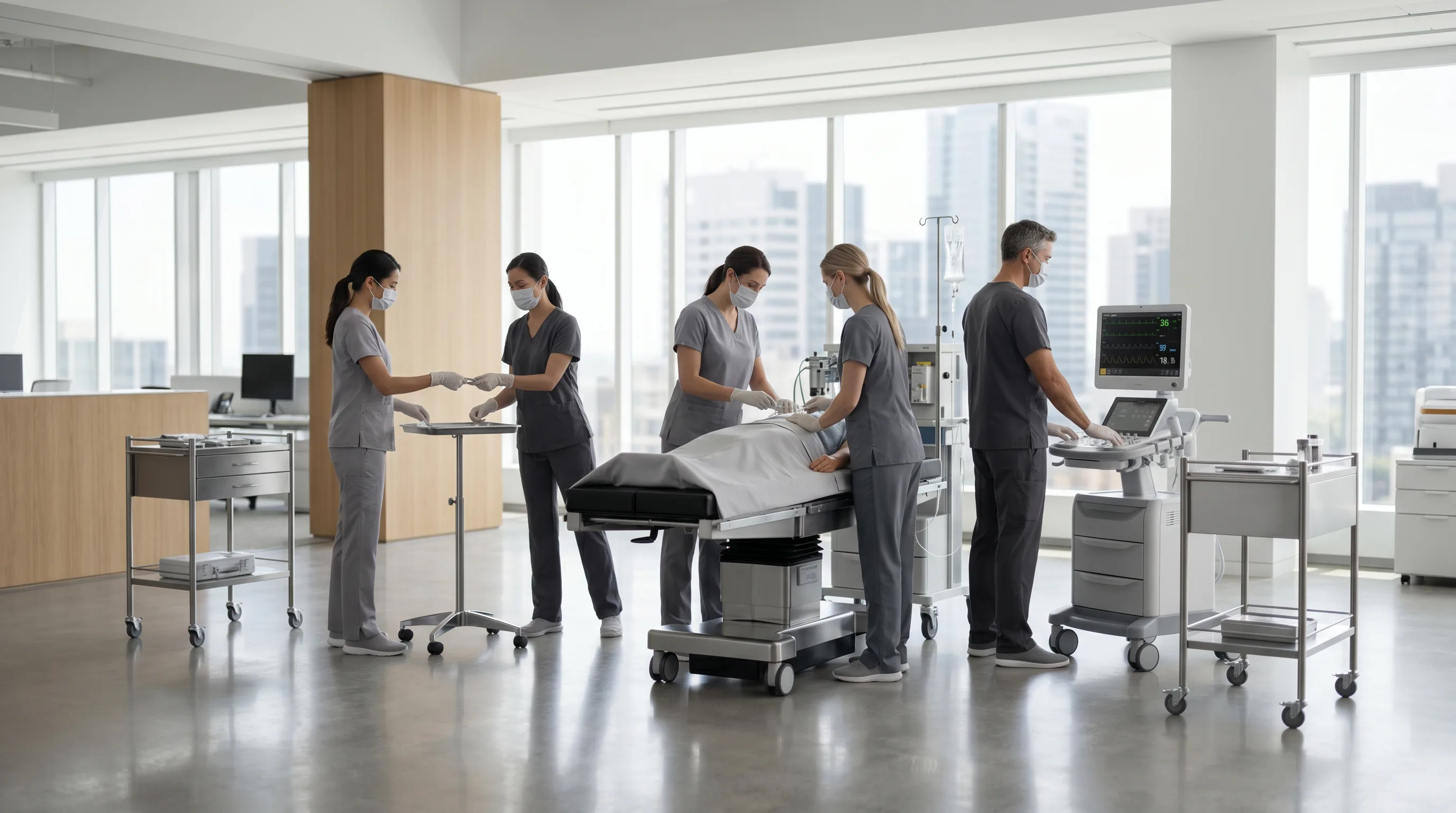
AI and data analytics are transforming medical simulation by enabling adaptive learning, predictive insights, and personalized feedback.
AI-Driven Scenario Generation and Adaptive Learning
AI algorithms dynamically generate clinical scenarios based on learner performance. These adaptive systems adjust difficulty, introduce complications, and provide real-time feedback. Similar innovations are explored in Frame Sixty’s AI in virtual reality development projects.
AI-driven simulations personalize clinical skills training, ensuring that learners focus on areas requiring improvement.
Predictive Analytics and Competency Forecasting
Predictive analytics use data such as learner engagement score and error reduction rate to forecast competency progression. Platforms like Laerdal LLEAP and CAE Maestro integrate these analytics to guide individualized learning paths.
These methods align with quality frameworks like ISO 9001 Quality Management, ensuring that data-driven insights support continuous improvement.
Ethical and Data Governance Considerations
AI in healthcare education raises concerns about data privacy, transparency, and algorithmic bias. Institutions must establish governance policies that align with FDA medical device and ISO standards to ensure ethical use of learner data.
Key takeaway: AI enhances simulation through personalization and predictive insights, but its use requires strong ethical and data governance frameworks.
Emerging Trends and Future Directions
The future of medical training simulation is defined by the convergence of mixed reality, haptic feedback, and interprofessional collaboration.
The Rise of Mixed Reality and Haptic Feedback Systems
Mixed reality combines VR medical training with tactile realism, enabling learners to feel the resistance of tissues or the pulse of a patient. Companies like VirtaMed, SimX, and Body Interact lead innovations in this space.
Developments in spatial computing, similar to those discussed in Frame Sixty’s Apple Vision Pro insights and 8 apps for Apple Vision Pro, are expanding the boundaries of immersive healthcare training.
Interprofessional and Team-Based Simulation
Simulation increasingly focuses on interprofessional collaboration, bringing together nursing, surgical, and emergency teams. These exercises enhance communication, leadership, and teamwork—key components of competency assessment.
Metrics such as learner engagement score and scenario completion rate are used to evaluate team performance and identify areas for improvement.
The Future of Simulation-Based Credentialing
Simulation is becoming integral to licensure and continuing education. Programs like the AHA Resuscitation Quality Improvement (RQI) initiative use simulation to maintain clinical certification. As regulatory bodies recognize simulation outcomes, credentialing processes will increasingly incorporate simulation-based learning.
Key takeaway: The future of medical training simulation lies in mixed reality, interprofessional collaboration, and credentialing integration, ensuring continuous competence across the healthcare workforce.
Conclusion
Medical training simulation has matured into a sophisticated ecosystem that blends technology, pedagogy, and data science. From high-fidelity mannequins to AI-driven virtual environments, simulation empowers healthcare professionals to develop and refine their skills in safe, controlled settings. Adherence to standards from SSH, INACSL, and ISO ensures consistency, quality, and global alignment.
As simulation technologies evolve, institutions must focus on measurable outcomes—competency assessment, skill retention rate, and error reduction rate—to demonstrate educational value. Integrating AI, predictive analytics, and mixed reality will further personalize and enhance learning experiences.
For organizations seeking to design or upgrade their simulation infrastructure, collaboration with experts in 3D modeling, AI, and immersive development is essential. Frame Sixty offers deep expertise in spatial computing, VR integration, and simulation design, helping institutions achieve excellence in healthcare education.
To explore how advanced simulation design and AI integration can elevate your medical training programs, get in touch with Frame Sixty today.
Medical Training Simulation Insights
This FAQ explores practical, technical, and strategic aspects of medical training simulation, addressing common questions about implementation, technology, and outcomes in healthcare education.
The main purpose of medical training simulation is to replicate real clinical scenarios in a controlled environment so learners build decision-making and procedural skill before treating actual patients. Programs combine high-fidelity mannequins, virtual and mixed reality systems, and AI-driven adaptive platforms, and they measure progress through metrics such as competency assessment and error reduction rate rather than classroom hours alone.
Medical training simulation spans four main types: high-fidelity mannequins such as Laerdal's SimMan 3G and CAE Healthcare's patient simulators, virtual patient and VR platforms like SimX and Oxford Medical Simulation, surgical simulators with haptic feedback such as VirtaMed ArthroS, and remote or cloud-based systems like SimCapture and CAE Maestro. Each type serves a distinct goal, from resuscitation practice to distributed nursing education.
Medical training simulation programs are guided by the Society for Simulation in Healthcare (SSH) and the INACSL Healthcare Simulation Standards of Best Practice, which cover scenario design, facilitation, and debriefing quality. They also align with competency frameworks such as the AAMC Core Entrustable Professional Activities and ACGME Milestones, the WHO Patient Safety Curriculum, and quality systems like ISO 9001.
Yes - AI can personalize medical training simulation by generating scenarios dynamically, adjusting difficulty and feedback based on learner performance, and forecasting competency progression from data such as engagement scores and error reduction rates. Platforms like Laerdal LLEAP and CAE Maestro already integrate this kind of predictive analytics, though institutions still need governance policies covering data privacy and algorithmic bias.
Medical training simulation lab costs vary widely with equipment fidelity, space design, and technology integration: a basic setup may run into the hundreds of thousands of dollars, while advanced labs combining high-fidelity mannequins, VR systems, and AI analytics can reach several million. Funding models range from institutional budgets to public-private partnerships, and modular vendor solutions let labs scale in phases.
Designing a medical training simulation environment usually takes a partner with expertise in 3D modeling, AI integration, and immersive development working alongside the institution's clinical educators. Frame Sixty, an AR/VR development agency, helps design and implement custom simulation environments, from anatomically accurate 3D modeling to AI-driven analytics dashboards for instructors.
Get in touch
We’re interested to see how we can help. Send us a message and we will get back to you within 24 hours.