
10M+
Downloads
Our combined experience has resulted in a staggering 10 million+ downloads.
Our Web AR development services deliver augmented reality experiences directly through web browsers. We specialize in creating interactive, cross-platform AR solutions accessible without any app downloads, helping brands engage customers with just a tap or scan. Our professional team blends cutting-edge WebXR technology and 3D modeling expertise to build Web AR experiences that drive user engagement and real-world results.




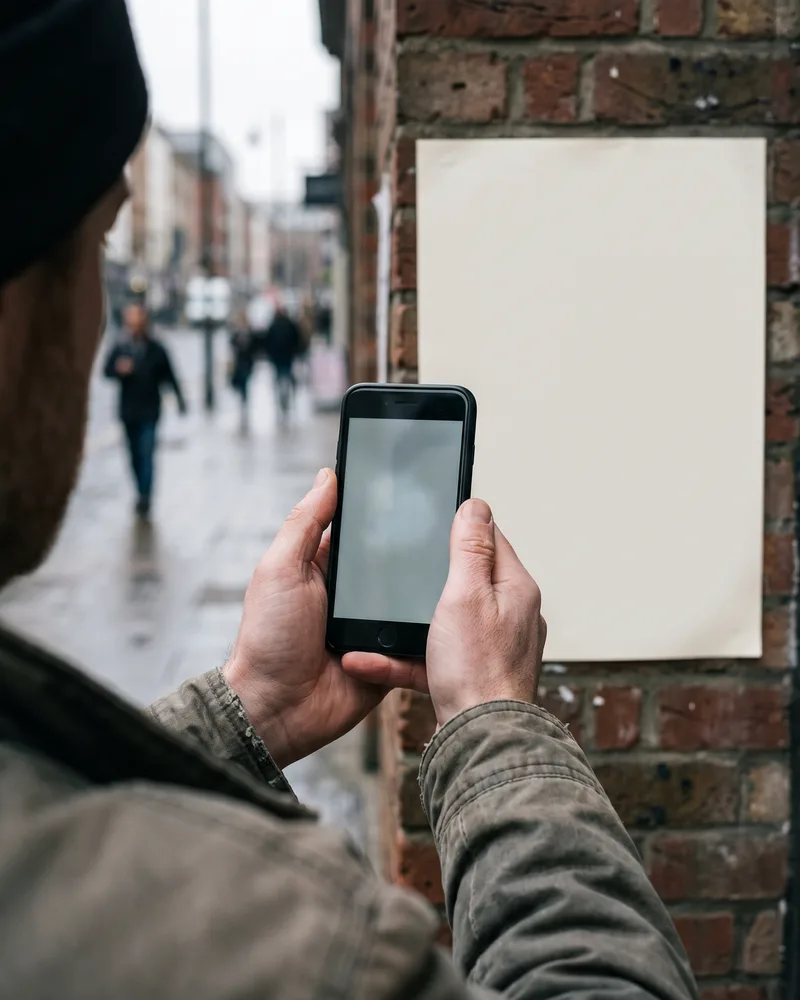
WebAR — web-based augmented reality — is AR that runs directly in the browser, with no app to download. A user taps a link or scans a QR code, grants camera access, and sees digital content placed in the real world: a product in their room, a game on a pizza box, a car on their street. WebAR works on most modern iPhones and Android phones through Safari and Chrome, built on technologies like WebXR, 8th Wall, AR Quick Look, A-Frame and AR.js. Because there is no install step, WebAR reaches far more users than app-based AR — which is why it powers retail try-ons, packaging experiences and marketing campaigns.
Where an experience outgrows the browser — persistent worlds, headset support, heavy 3D — our AR and VR app team takes it native, and our 3D modelling team builds the assets either way.
Our engineers build immersive browser-based AR projects tailored to your needs. We leverage WebXR frameworks with advanced JavaScript APIs to create AR experiences that work seamlessly across devices and platforms. From AR e-commerce try-ons to gamified promotions, we code robust, scalable experiences all with no native app required.
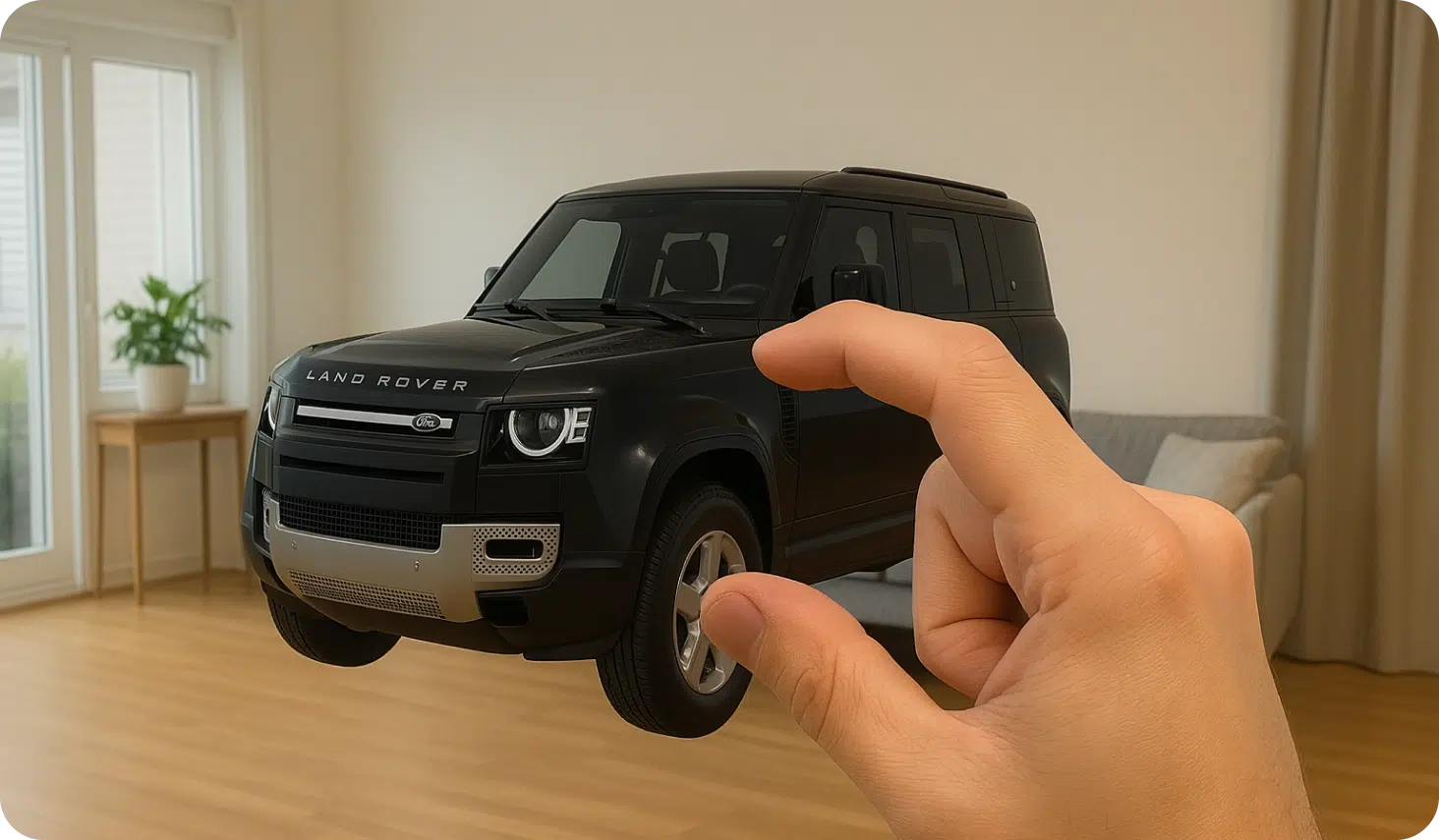
Bring ideas to life with high-quality 3D models and animations optimised for WebAR and WebXR platforms. Our artists create photorealistic 3D content – from products to characters – while ensuring efficient performance for web delivery. Every asset is crafted for smooth loading and flawless integration into your AR projects.
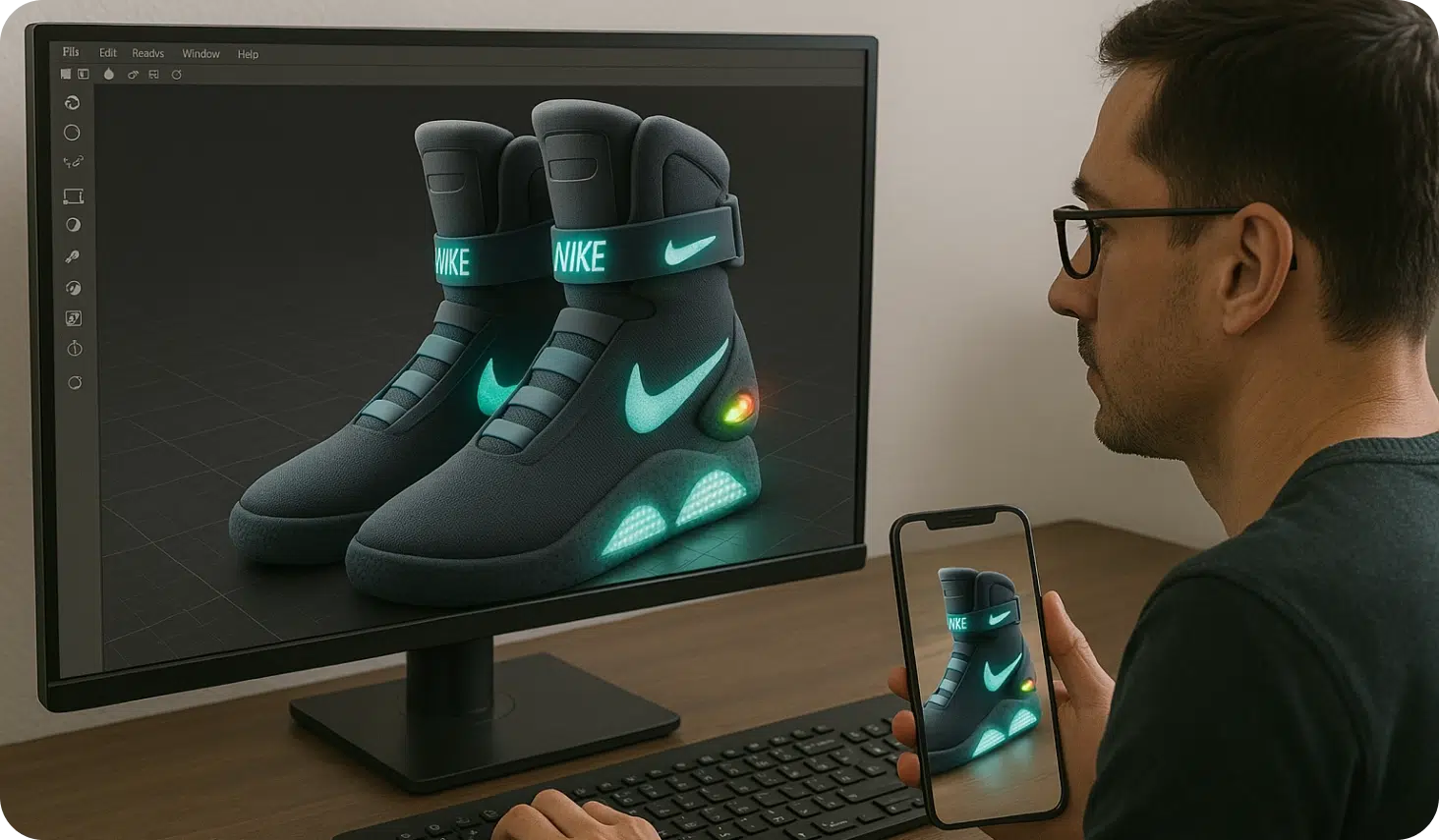
We guide you from concept to launch with expert strategy for Web AR development. Our team consults on use-case ideation, user experience planning, and technical roadmapping to align Web AR development with your business goals. This ensures a clear vision and an actionable roadmap for effective, results-driven AR initiatives from day one.

We create immersive, browser-based virtual reality experiences as a natural extension of Web AR development. Using WebXR and WebGL technologies, we deliver interactive environments for training, marketing, or entertainment. Users can explore 3D spaces directly in their browser, supporting devices like Meta Quest and desktop VR headsets.

Our engineers build immersive browser-based AR projects tailored to your needs. We leverage WebXR frameworks with advanced JavaScript APIs to create AR experiences that work seamlessly across devices and platforms. From AR e-commerce try-ons to gamified promotions, we code robust, scalable experiences all with no native app required.
Bring ideas to life with high-quality 3D models and animations optimised for WebAR and WebXR platforms. Our artists create photorealistic 3D content – from products to characters – while ensuring efficient performance for web delivery. Every asset is crafted for smooth loading and flawless integration into your AR projects.
We guide you from concept to launch with expert strategy for Web AR development. Our team consults on use-case ideation, user experience planning, and technical roadmapping to align Web AR development with your business goals. This ensures a clear vision and an actionable roadmap for effective, results-driven AR initiatives from day one.
We create immersive, browser-based virtual reality experiences as a natural extension of Web AR development. Using WebXR and WebGL technologies, we deliver interactive environments for training, marketing, or entertainment. Users can explore 3D spaces directly in their browser, supporting devices like Meta Quest and desktop VR headsets.
Web AR development includes a variety of dynamic platforms, each offering unique advantages for crafting immersive experiences in mobile browsers. From 8th Wall’s robust tools for interactive AR to the seamless integration of AR Quick Look and the versatility of A-Frame and AR.js, these technologies enable developers to create engaging Web AR.


8th Wall is a leading platform for Web AR development, enabling interactive AR experiences directly in mobile browsers without any apps. We build with 8th Wall to unlock features like world tracking, face effects, and image targets. Compatible with both iOS and Android, it delivers high-performance Web AR experiences that work seamlessly across devices. Our team leverages 8th Wall’s powerful tools and integrations to create engaging campaigns, from branded AR games to virtual product showcases. With cloud hosting and analytics built in, 8th Wall powers scalable, global deployments.


AR Quick Look is Apple’s native browser-based AR viewer, allowing users to explore 3D models in their environment with incredible realism. We author the USDZ assets AR Quick Look needs and integrate it to ensure fast loading and high visual fidelity across iPhones and iPads. Customers can view products at true scale and see rich details like textures and reflections right in Safari. By optimizing 3D assets for AR Quick Look, we create frictionless shopping experiences and immersive product demos. With just a tap, users place objects in their space, enhancing customer confidence and delivering a seamless, app-free experience.


A-Frame is a powerful, web-based framework for crafting immersive AR and VR environments in the browser. We use A-Frame to build interactive, browser-first projects that merge virtual scenes with real-world interaction. Its component-based architecture allows for rapid creation of AR experiences, from virtual showrooms to educational environments. Supporting WebXR natively, A-Frame enables users to seamlessly switch between AR and VR modes. As an open-source tool, it provides flexibility and fast iteration. Our developers customise A-Frame experiences to run cross-platform.


AR.js is an open-source library that empowers accessible and efficient Web AR development across nearly any device. We use AR.js to build lightweight, marker-based AR for retail, events, and interactive marketing campaigns. Its broad browser compatibility ensures maximum reach even on entry-level smartphones. AR.js supports image tracking, location-based AR, and smooth performance in mobile web environments. With AR.js we deliver highly accessible AR activations, perfect for print media campaigns or QR code-triggered experiences.
A decade of shipped immersive work behind every WebAR build: experiences in production worldwide, downloads in the millions, and patented engineering in augmented reality and machine learning.
Our combined experience has resulted in a staggering 10 million+ downloads.
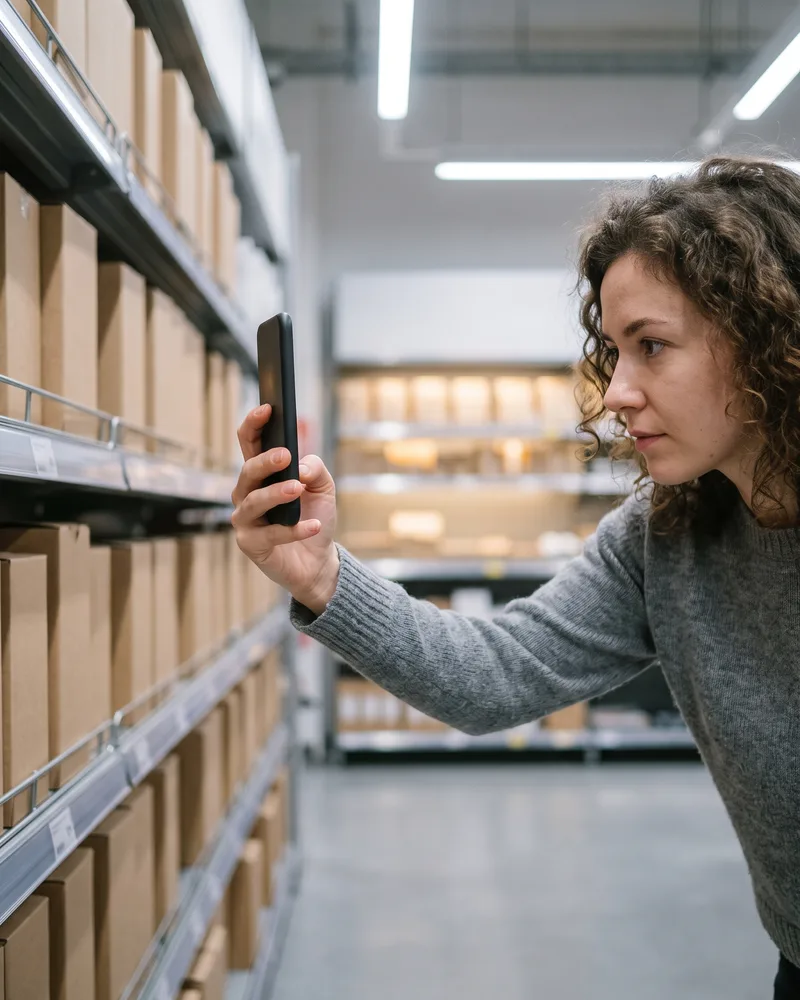
We have successfully developed over 100 apps and AR experiences, accessible across the globe.
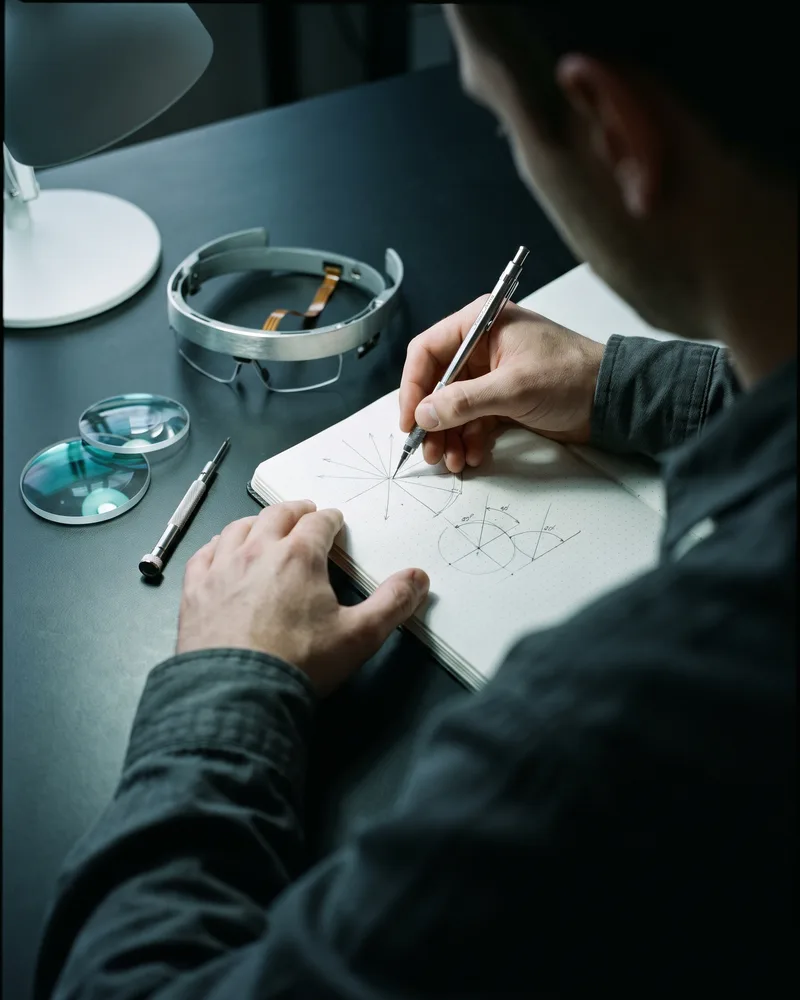
We hold seven published technology patents in augmented reality and machine learning.
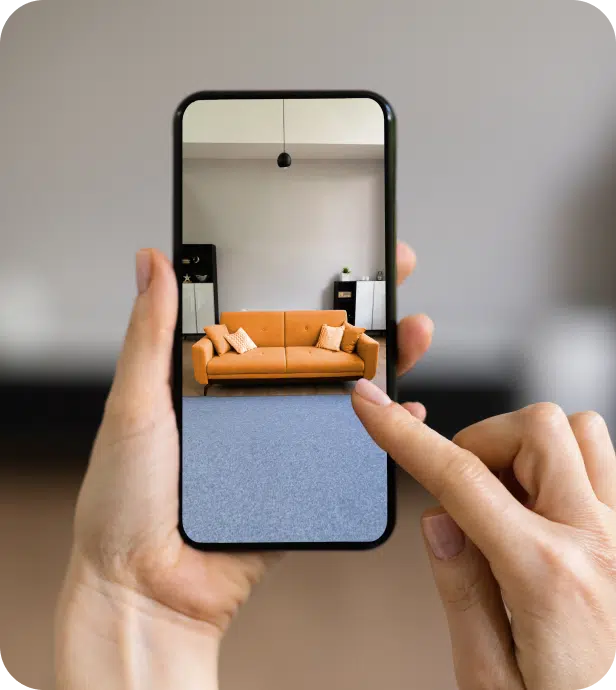
Web AR brings the in-store experience directly to customers anywhere in the world. We create immersive, browser-based shopping experiences where users can view products in 3D, place items in their home environment, and even try on virtual products—all through a simple link or QR code. Our Web AR development for retail supports realistic product visualization with accurate scale, textures, and interactive features like color changes or dynamic configurations.
Customers can explore furniture, fashion, accessories, and more with ease, increasing buyer confidence and reducing returns. By eliminating the need for an app download, Web AR development ensures a frictionless path to purchase, boosting engagement and conversion rates. We also integrate Web AR solutions directly into your e-commerce platform, creating a seamless flow from discovery to checkout. Whether you’re launching a new product line or enhancing your online store, our Web AR development approach brings the showroom into your customers’ hands—anytime, anywhere.
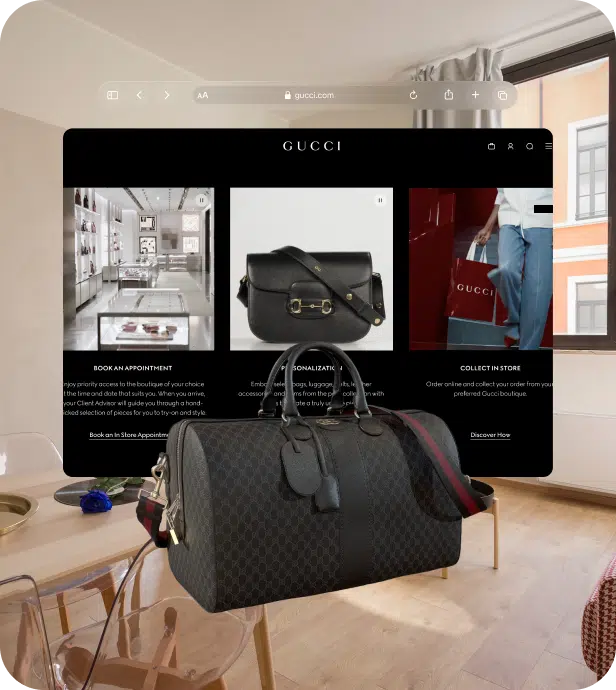
QR codes are a simple yet powerful gateway to browser-based AR. We design AR activations that users can instantly access by scanning a QR code with their smartphone camera, launching interactive content in their browser without an app. Whether placed on product packaging, in-store displays, event signage, or printed ads, QR codes bridge the physical and digital worlds. Our Web AR development solutions leverage QR code triggers to deliver experiences like virtual product demonstrations, AR games, or immersive brand storytelling. These experiences are fast-loading, easy to distribute, and perfect for campaigns aiming to reach a wide audience effortlessly.
We customize each Web AR experience to ensure it matches your brand, functions reliably across devices, and delights users with engaging 3D content. QR Code AR also enables dynamic updates, so you can refresh your campaigns anytime without reprinting materials. By integrating QR codes into your Web AR development strategy, you create instantly accessible experiences that engage users at critical touchpoints.
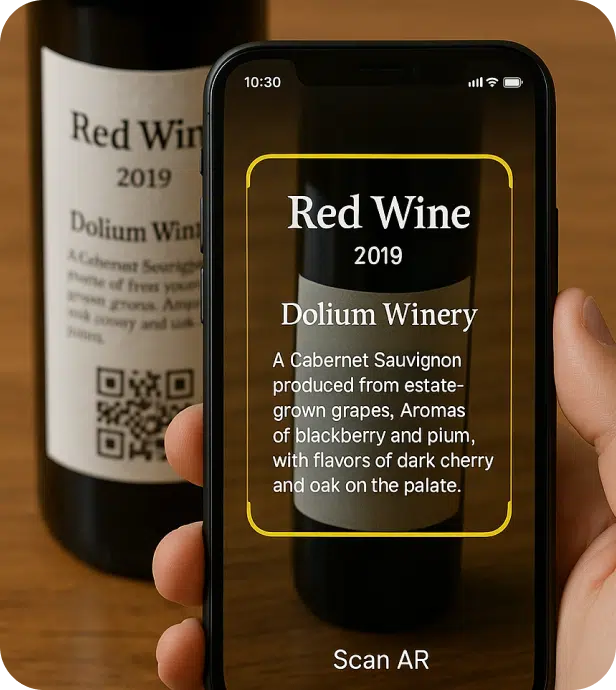
Location-based AR creates context-aware experiences that unlock digital content in specific real-world locations. Using GPS, Wi-Fi triangulation, and advanced visual positioning systems, we build AR activations that trigger based on a user’s physical position. Imagine visitors at a theme park scanning a QR code to reveal an interactive map, or tourists at a historical site unlocking an AR scene that reconstructs the past. Our Web AR development approach integrates precise geolocation data to anchor virtual objects accurately in outdoor or indoor environments.
Whether for city-wide scavenger hunts, retail activations, or destination marketing, location-based AR drives deeper engagement by adding relevance to the experience. We design for reliability, ensuring fast loading even in areas with variable connectivity. These location-tied experiences also encourage exploration and repeat visits, turning real-world spaces into interactive playgrounds. By embedding location intelligence into Web AR development, we make every place an opportunity to connect with your audience in meaningful, memorable ways.
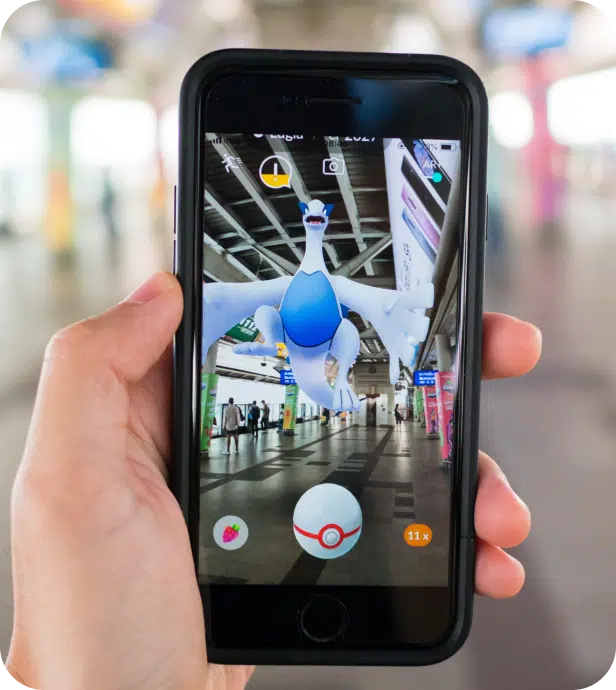
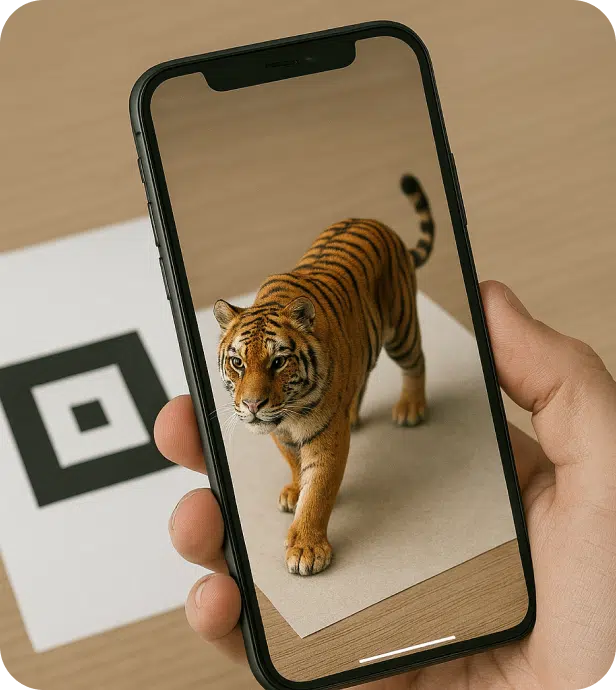
Marker-based AR and image tracking bring physical media to life, and we use both to make printed media interactive. By scanning printed images, logos, or custom-designed markers, users can trigger rich AR experiences directly in their mobile browser. Our Web AR development solutions use high-performance image recognition algorithms to ensure fast, stable tracking in a variety of lighting conditions and angles. Whether it’s a magazine ad that launches an interactive product demo or packaging that reveals an animated brand story, marker-based AR enhances physical assets with digital magic.
We customize the AR content to stay perfectly anchored to the marker, allowing users to move around and explore the experience from every angle. Ideal for retail, events, and print media campaigns, this technology adds interactive depth without requiring hardware upgrades or app installations. By integrating marker-based tracking into your Web AR development strategy, we create captivating experiences that turn everyday objects into gateways to immersive content.
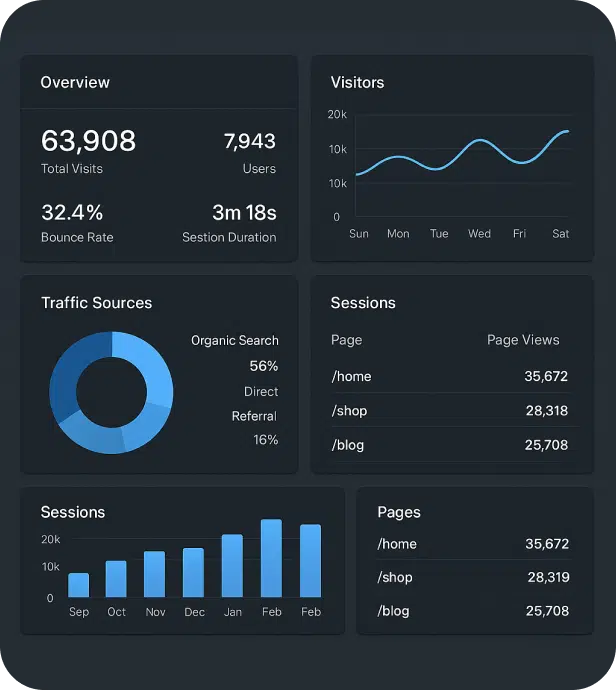
Understanding user behaviour is essential to optimising an AR experience, and our analytics integration makes it seamless. We equip every AR experience with data tracking to capture meaningful metrics like engagement time, interaction rates, conversion paths, and geographic usage patterns. These insights help you measure the effectiveness of your Web AR development campaigns and guide future improvements. Our team integrates platforms like Google Analytics or custom dashboards to monitor performance in real-time, providing clear visibility into what’s working and what can be refined. You’ll see which products users engage with most, how long they interact, and where drop-offs occur—all critical data for ROI analysis.
Importantly, our analytics setups are privacy-conscious, respecting user consent and data protection regulations. With actionable insights at your fingertips, you can fine-tune experiences to maximize impact. Data-driven decisions are the backbone of successful Web AR development, and our analytics tools ensure you stay informed, agile, and ahead of the competition.
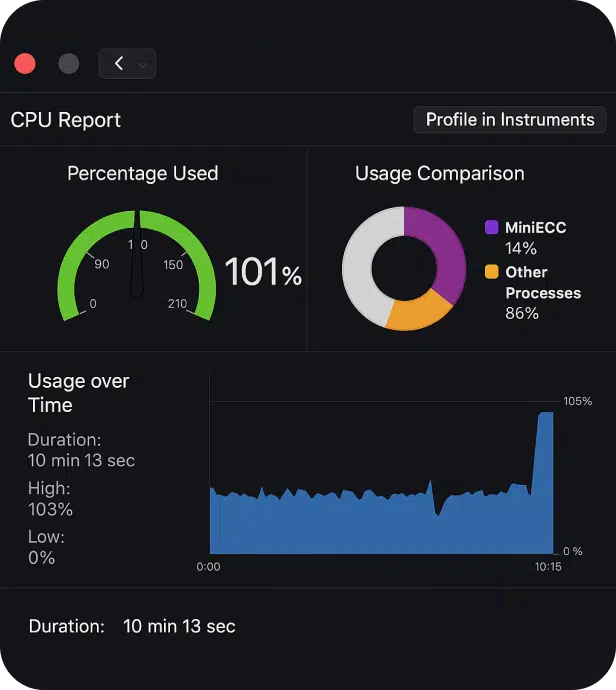
Performance is at the heart of delivering a fast, fluid AR experience that keeps users engaged. We engineer every AR project for quick load times, smooth animations, and minimal data usage, ensuring compatibility across a wide range of mobile devices and network conditions. Our optimization process includes compressing 3D assets, optimizing textures, minimizing code bloat, and implementing lazy loading so that content appears exactly when needed. We rigorously test Web AR development projects on various browsers and devices to maintain high frame rates and responsiveness.
Whether it’s a lightweight product viewer or an immersive multi-layered AR game, our team balances visual fidelity with performance for a seamless user experience. These optimizations not only improve usability but also enhance SEO rankings and conversion rates.
An AR Link is the simplest way to launch an AR experience instantly, with no download or setup required. We create single-tap AR Links that open immersive AR scenes directly in the mobile browser, turning any digital or physical touchpoint into an entryway to augmented reality. These links are easy to share across social media, SMS, email campaigns, and printed materials, expanding the reach of your Web AR development initiatives. Whether you’re showcasing a new product, delivering an interactive tutorial, or creating an AR-powered marketing moment, AR Links remove friction and accelerate user engagement.
Our team ensures that AR Links load quickly and work across devices, providing a seamless transition from click to experience. You can also pair AR Links with analytics to track performance and optimize campaigns in real time. By integrating AR Links into your Web AR development strategy, you empower users to explore immersive content effortlessly—anytime, anywhere, with just a single tap.
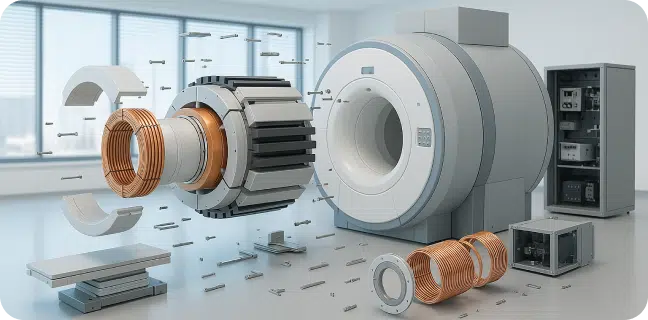
Interactive, browser-based demos bring products to life, showing features and functionality in real time. Customers can explore detailed 3D models, test configurations, or view animated how-tos simply by clicking a link or scanning a QR code.
These experiences let users engage with products at their own pace, from anywhere, without downloading an app. Whether it’s a new tech gadget, vehicle, or home appliance, AR product demos increase understanding and build purchase confidence. By integrating AR into your sales funnel, you deliver immersive experiences that drive informed decisions and accelerate conversions.
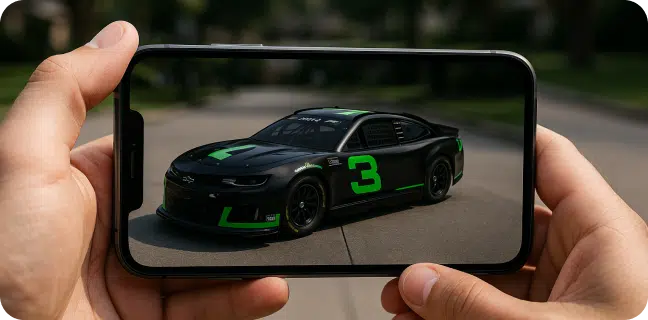
Campaigns and live events gain unforgettable moments when interactive digital layers are added to physical spaces. Attendees can scan event signage or promotional materials to unlock AR games, branded animations, or exclusive content instantly in their browser.
Brands drive viral sharing by making experiences easy to access and fun to engage with. From pop-up activations to global product launches, we design AR interactions that surprise and delight audiences. The result turns events into memorable, shareable experiences that build buzz and deepen audience connection.
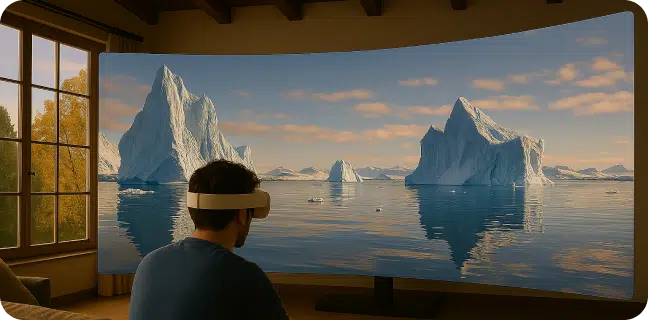
Travel and tourism brands turn real-world destinations into immersive, educational experiences. Tourists can scan landmarks or signage to reveal historical reconstructions, interactive maps, or cultural stories—all accessible through their browser. Museums and heritage sites use it to bring exhibits to life, offering virtual guides and layered content without requiring app downloads.
Whether it’s a walking tour or an interactive visitor center, our work makes exploration more engaging and informative. By merging physical surroundings with digital storytelling, we enrich travel experiences and connect visitors to places like never before.
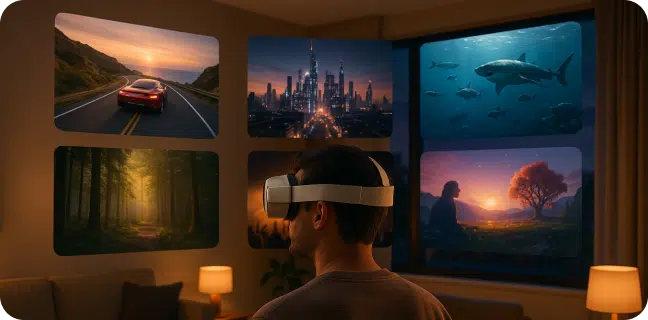
Entertainment and media brands extend their story worlds into the real environment. Fans can scan posters, merchandise, or QR codes to unlock AR scenes from movies, shows, or music videos directly in their browser. Musicians and filmmakers use it to create interactive album art, promotional games, or behind-the-scenes experiences that spark viral engagement. Because it’s web-based, fans can instantly join in without downloading an app.
It turns passive media consumption into interactive, shareable experiences that boost audience connection and fuel creative, cross-platform storytelling.
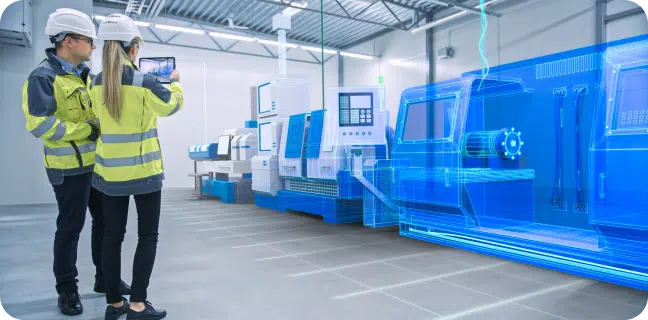
Industrial and manufacturing teams get instant access to vital information on-site. Technicians can scan machinery to view AR overlays showing maintenance steps, safety instructions, or part diagrams directly in their browser. Training programs use it to simulate real-world tasks, reducing downtime and accelerating onboarding.
By integrating AR into manufacturing workflows, we enable visual problem-solving and real-time collaboration without the need for complex hardware or apps. These experiences increase efficiency, minimise errors, and empower workers with hands-free, interactive access to critical data and procedures.
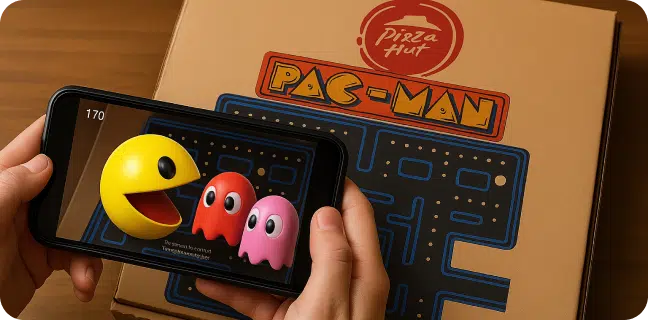
In food and beverage, customer engagement changes when packaging and menus carry interactive experiences. Diners can scan QR codes to reveal AR menus, explore ingredients, or watch animated food preparation stories right at the table. Beverage brands use it for immersive storytelling, turning bottles and cans into gateways for promotions or virtual tastings.
With no need for app downloads, users enjoy instant access to branded AR moments that deepen loyalty and spark social sharing. The result is a memorable experience that blend digital flavor with real-world enjoyment.
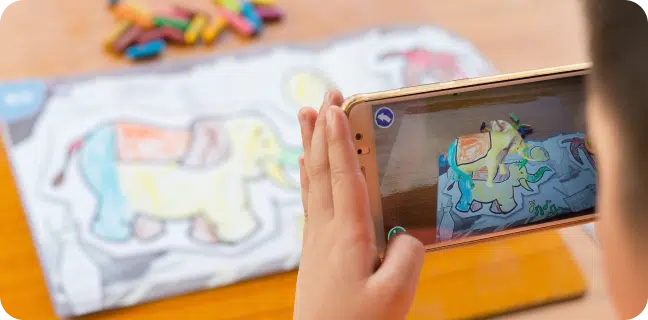
Education becomes more engaging and accessible when lessons turn into interactive, real-world experiences. Students can explore 3D models of historical landmarks, biological structures, or scientific phenomena using just their mobile browser. Teachers and institutions use it to bring textbooks to life, enhancing understanding and retention through visual and interactive learning.
Whether in classrooms or remote settings, AR makes complex subjects more tangible. These experiences scale to schools and training programmes worldwide, offering an immersive, app-free way to inspire curiosity and foster deeper educational experiences.

Retail and e-commerce put interactive product experiences directly on customers’ phones. Shoppers can visualize products in their space, try virtual items, and explore 3D product features—all in their browser, no app needed. From furniture and fashion to electronics, AR boosts customer confidence and drives higher conversion rates.
We integrate AR into your existing online store, enabling seamless transitions from browsing to buying. Retailers reduce returns and increase engagement, turning every digital interaction into an immersive shopping experience that customers remember and share.
Retail and e-commerce put interactive product experiences directly on customers’ phones. Shoppers can visualize products in their space, try virtual items, and explore 3D product features—all in their browser, no app needed. From furniture and fashion to electronics, AR boosts customer confidence and drives higher conversion rates.
We integrate AR into your existing online store, enabling seamless transitions from browsing to buying. Retailers reduce returns and increase engagement, turning every digital interaction into an immersive shopping experience that customers remember and share.
Education becomes more engaging and accessible when lessons turn into interactive, real-world experiences. Students can explore 3D models of historical landmarks, biological structures, or scientific phenomena using just their mobile browser. Teachers and institutions use it to bring textbooks to life, enhancing understanding and retention through visual and interactive learning.
Whether in classrooms or remote settings, AR makes complex subjects more tangible. These experiences scale to schools and training programmes worldwide, offering an immersive, app-free way to inspire curiosity and foster deeper educational experiences.
In food and beverage, customer engagement changes when packaging and menus carry interactive experiences. Diners can scan QR codes to reveal AR menus, explore ingredients, or watch animated food preparation stories right at the table. Beverage brands use it for immersive storytelling, turning bottles and cans into gateways for promotions or virtual tastings.
With no need for app downloads, users enjoy instant access to branded AR moments that deepen loyalty and spark social sharing. The result is a memorable experience that blend digital flavor with real-world enjoyment.
Industrial and manufacturing teams get instant access to vital information on-site. Technicians can scan machinery to view AR overlays showing maintenance steps, safety instructions, or part diagrams directly in their browser. Training programs use it to simulate real-world tasks, reducing downtime and accelerating onboarding.
By integrating AR into manufacturing workflows, we enable visual problem-solving and real-time collaboration without the need for complex hardware or apps. These experiences increase efficiency, minimise errors, and empower workers with hands-free, interactive access to critical data and procedures.
Entertainment and media brands extend their story worlds into the real environment. Fans can scan posters, merchandise, or QR codes to unlock AR scenes from movies, shows, or music videos directly in their browser. Musicians and filmmakers use it to create interactive album art, promotional games, or behind-the-scenes experiences that spark viral engagement. Because it’s web-based, fans can instantly join in without downloading an app.
It turns passive media consumption into interactive, shareable experiences that boost audience connection and fuel creative, cross-platform storytelling.
Travel and tourism brands turn real-world destinations into immersive, educational experiences. Tourists can scan landmarks or signage to reveal historical reconstructions, interactive maps, or cultural stories—all accessible through their browser. Museums and heritage sites use it to bring exhibits to life, offering virtual guides and layered content without requiring app downloads.
Whether it’s a walking tour or an interactive visitor center, our work makes exploration more engaging and informative. By merging physical surroundings with digital storytelling, we enrich travel experiences and connect visitors to places like never before.
Campaigns and live events gain unforgettable moments when interactive digital layers are added to physical spaces. Attendees can scan event signage or promotional materials to unlock AR games, branded animations, or exclusive content instantly in their browser.
Brands drive viral sharing by making experiences easy to access and fun to engage with. From pop-up activations to global product launches, we design AR interactions that surprise and delight audiences. The result turns events into memorable, shareable experiences that build buzz and deepen audience connection.
Interactive, browser-based demos bring products to life, showing features and functionality in real time. Customers can explore detailed 3D models, test configurations, or view animated how-tos simply by clicking a link or scanning a QR code.
These experiences let users engage with products at their own pace, from anywhere, without downloading an app. Whether it’s a new tech gadget, vehicle, or home appliance, AR product demos increase understanding and build purchase confidence. By integrating AR into your sales funnel, you deliver immersive experiences that drive informed decisions and accelerate conversions.
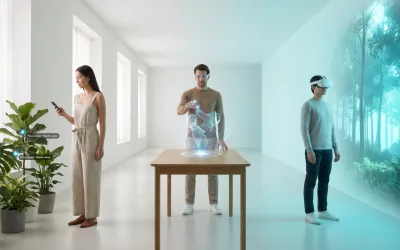
A plain guide to immersive technology: how AR, VR, MR, and spatial computing differ, where each is used across industries, and where the field is headed.
Continue Reading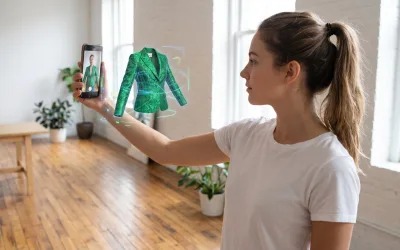
A virtual showroom lets customers explore, configure, and buy products in 3D, AR, or VR. Here are the three formats, real brand results, and what a build costs.
Continue Reading
Virtual reality property walkthroughs let buyers explore a home from a headset, browser, or phone before visiting. This guide breaks down the formats, real costs, the technology, and how to commission one.
Continue ReadingClient happiness has been our top priority for over a decade. We listen intently to clients and their customers, assume nothing, and fearlessly create innovative solutions. Relentless dedication ensures the perfect outcome.
 Gabe CostaLogitech
Frame Sixty was a great partner in supporting our Apple Vision Pro initiative. Their mixed reality team brought strong technical expertise and a clear understanding of the Apple ecosystem. They were friendly, committed, and easy to work with throughout the process. Most importantly, they delivered on time and met our expectations, making the collaboration smooth and efficient from start to finish.
 Stephen RuizSMR Consulting
They handled everything incredibly well.
Frame Sixty, LLC helped the client engage influencers and brick-and-mortar retailers. They ensured agile project management and completed the beta version on time and within budget, exceeding the client’s expectations. Frame Sixty, LLC’s flexibility and resourcefulness were hallmarks of their work.
 Nick AlfieriBlitz Media, LLC
They work with an incredible urgency, getting tasks done with a great turnaround and creative problem-solving that saves us time and money.
Frame Sixty, LLC has successfully improved the app with luxury features and enhanced its speed and overall UI/UX. The team ensures a transparent workflow by working efficiently and providing valuable insights and guidance. Their keen understanding of the client’s vision and goals stands out.
 Justin HosekHosek Enterprises
Frame Sixty far exceeded my expectations on design. They also went above and beyond to add some features that were not in our original scope but were discovered as needed during the build.
They always delivered on time or early. They were available night and day for any needs I might have had.
All of the staff are intelligent with great attitudes, which makes the entire process quick, easy and enjoyable.
 Dave M.The Image Resolution
Frame Sixty was instrumental in transforming my vision of an XR 3D movie streaming app into reality, guiding me through every stage of the process. With deep expertise in AR/VR development, they supported everything from initial ideation to design and Unity development, ultimately achieving a successful launch on the Meta Oculus Store. The synergy of their spatial design skills and the technical depth of their senior Unity engineers made for a collaboration that was both professional and personable. Their commitment and industry knowledge were key in bringing my project to life.
 Walter MarquezWalter Marquez Miami
Frame Sixty was instrumental in swiftly developing my responsive WordPress website. Their meticulous approach to detail and support in account creation and configuration ensured a seamless website launch.
This exceptional team, led by experienced senior developers and project managers, not only displayed technical proficiency but also guided me through content creation for each page. Regular communication facilitated timely delivery of the website. I’m excited to collaborate with Frame Sixty in the future.
 JustiniRobot
In the 20 years that I have been developing technical products, this was the very first time that a developer successfully deployed code to an IoT device that worked the very first time without any bugs or prior testing.
Explore common questions about Web AR development, its possibilities, and how it can elevate your brand. Whether you’re new to browser-based AR or ready to launch your next immersive campaign, this guide helps clarify how Web AR Development works and what it can achieve.
Web AR development is the creation of augmented reality experiences that run directly in the browser — a user taps a link or scans a QR code and sees digital content placed in the real world, with no app to download. Frame Sixty, an official 8th Wall partner, builds WebAR on technologies including WebXR, 8th Wall, AR Quick Look, A-Frame, and AR.js.
WebAR removes the app-install step, so users reach an AR experience instantly in the browser from a link or QR code — which is why it reaches far more users for retail try-ons, packaging, and marketing campaigns. When an experience outgrows the browser — persistent worlds, headset support, heavy 3D — Frame Sixty's AR and VR app team takes it native.
WebAR works on most modern iPhones and Android phones through Safari and Chrome, with no installation required. Some experiences also extend to desktop browsers and to AR/VR headsets that support WebXR, so a single browser-based build can reach phones, tablets, and headsets worldwide.
Yes — WebAR enables virtual try-ons for products like eyewear and accessories, and lets shoppers place furniture in their own rooms at accurate scale. Frame Sixty integrates these experiences directly into e-commerce platforms, so users move from viewing a product in AR to purchase within the same flow.
A WebAR experience can launch from a QR code, a single-tap AR Link, an image marker on printed media, or location-based activation. Because triggers are just links, campaigns can be shared through social media, SMS, email, packaging, and event signage without asking anyone to install an app.
Yes — Frame Sixty integrates analytics into every WebAR build, tracking engagement time, interaction rates, conversion paths, and geographic usage. We connect Google Analytics or custom dashboards for real-time monitoring, with privacy-conscious setups that respect user consent, so campaigns can demonstrate ROI and improve over time.
A simple WebAR experience can be developed in a few weeks, while larger campaigns with custom 3D assets and interactive features take longer. Frame Sixty provides a clear timeline at project kickoff, and existing 3D models can often be repurposed and optimized for the web to shorten production.
The cost of a WebAR experience depends on scope: a single-product AR viewer is a different budget from a multi-scene branded campaign with analytics. Project work is quoted as a fixed bid after a discovery call, so the full cost is clear before development begins.
Yes — WebAR content can be refreshed at any time without users downloading anything, because the experience lives at a URL. Frame Sixty updates assets, adjusts scenes, and rotates campaign content post-launch, and provides ongoing performance monitoring and analytics reviews to keep experiences effective long-term.
We’re interested to see how we can help. Send us a message and we will get back to you within 24 hours.
Get the latest tech news and updates for mobile, web and Apple Vision Pro delivered to your Inbox.