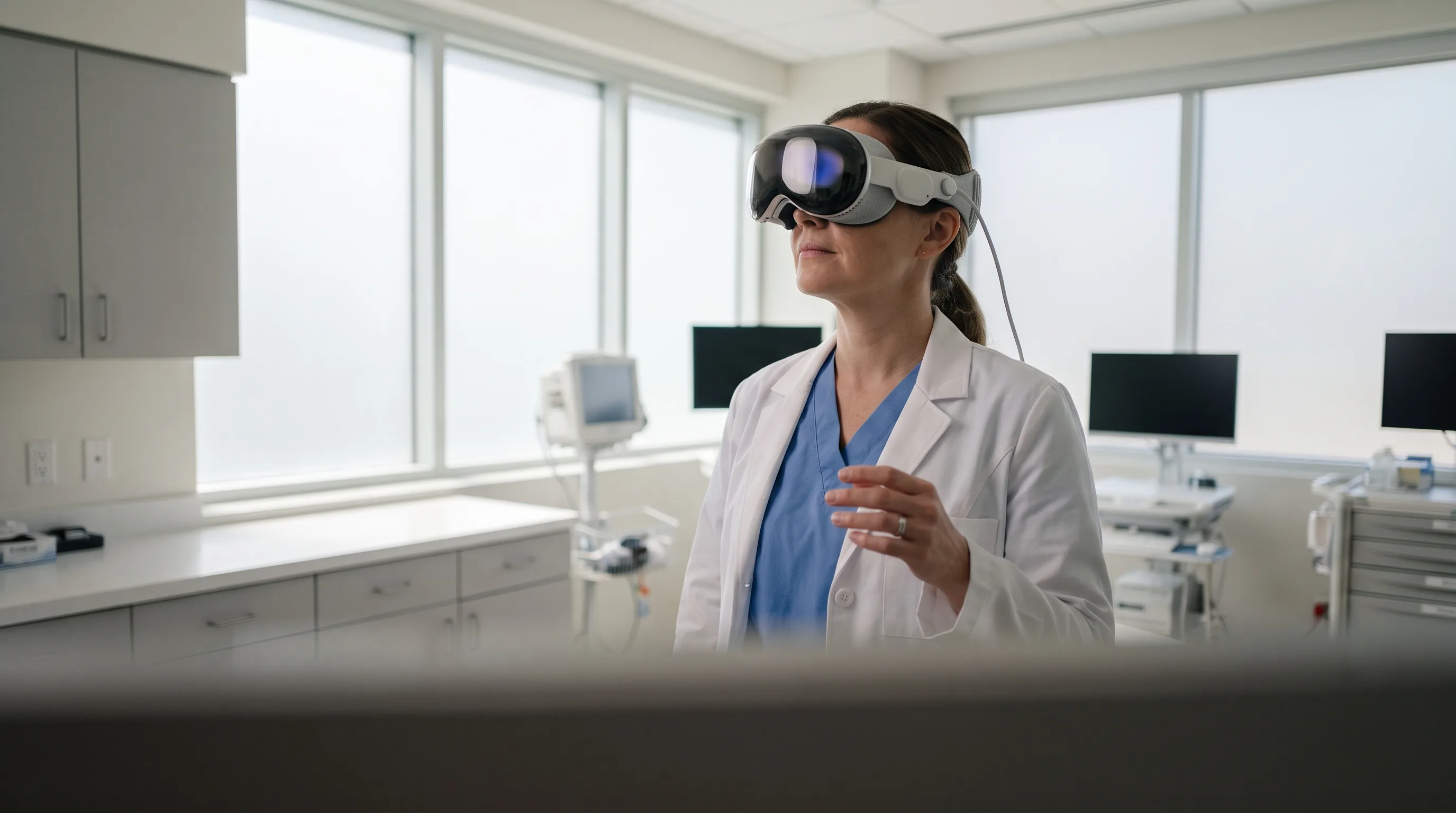
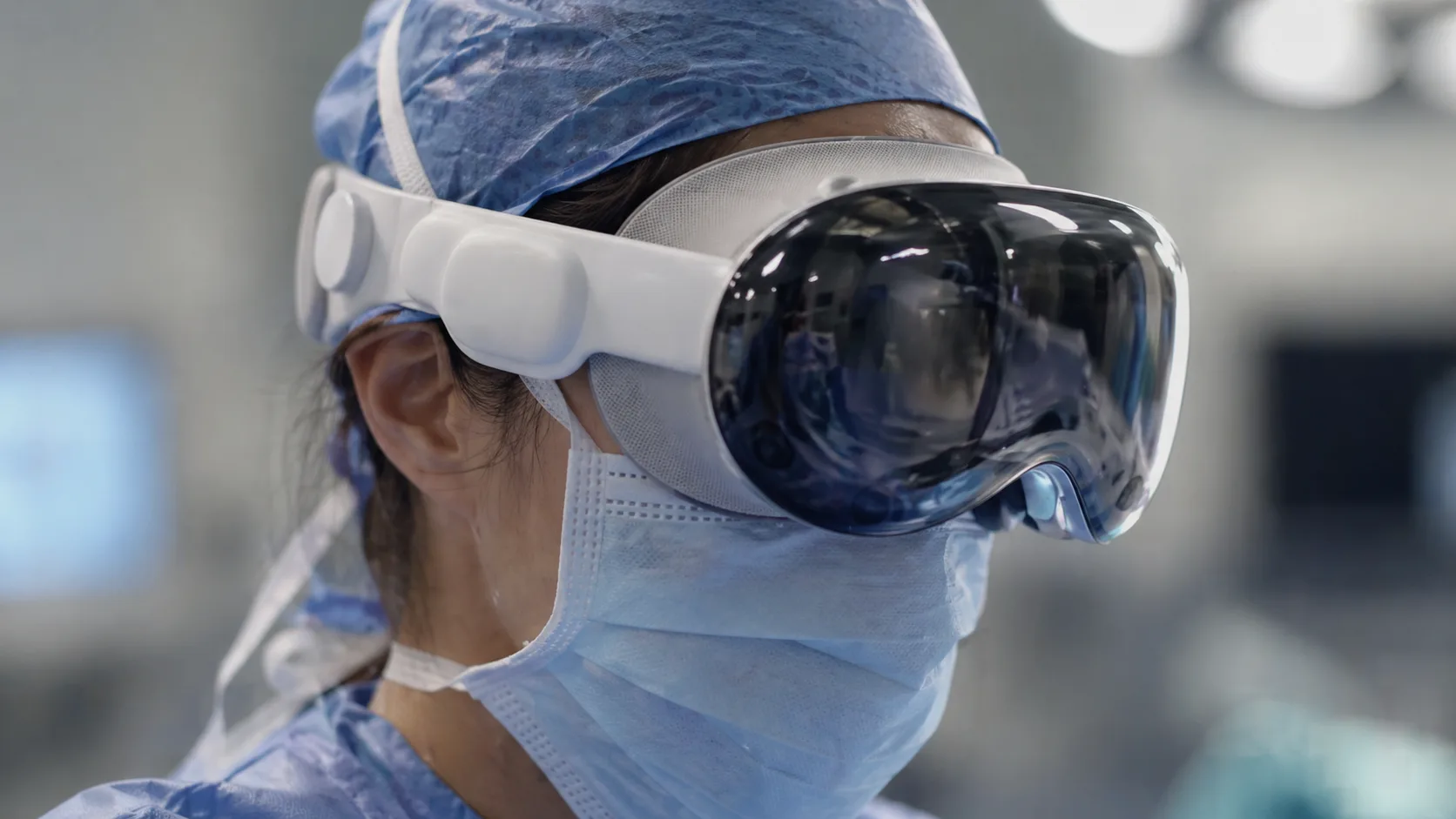
Frame Sixty is a US-based studio building virtual and augmented reality for healthcare. We develop medical XR applications — 3D imaging viewers, surgical training simulations, patient education tools, and therapy experiences — for Apple Vision Pro and Meta Quest. Our healthcare work includes a research partnership with a Fortune 100 healthcare company and a shipped medical scan viewer for Vision Pro.
From the first research question to hospital deployment, we connect product strategy, interaction design, and device-specific engineering into working medical XR.
MRI and CT studies become interactive 3D anatomy that clinicians can inspect, discuss, and understand at a glance.
PATIENT EXPERIENCE
Education, rehabilitation, and guided care
Patient education and therapy experiences shaped for the patient, the environment, and the care team that runs them.
How Virtual Reality Is Used in Healthcare
Today, virtual reality in healthcare spans six core applications, from clinical imaging to facility planning. These are the ones we design and build most.
3D Medical Imaging & Visualization
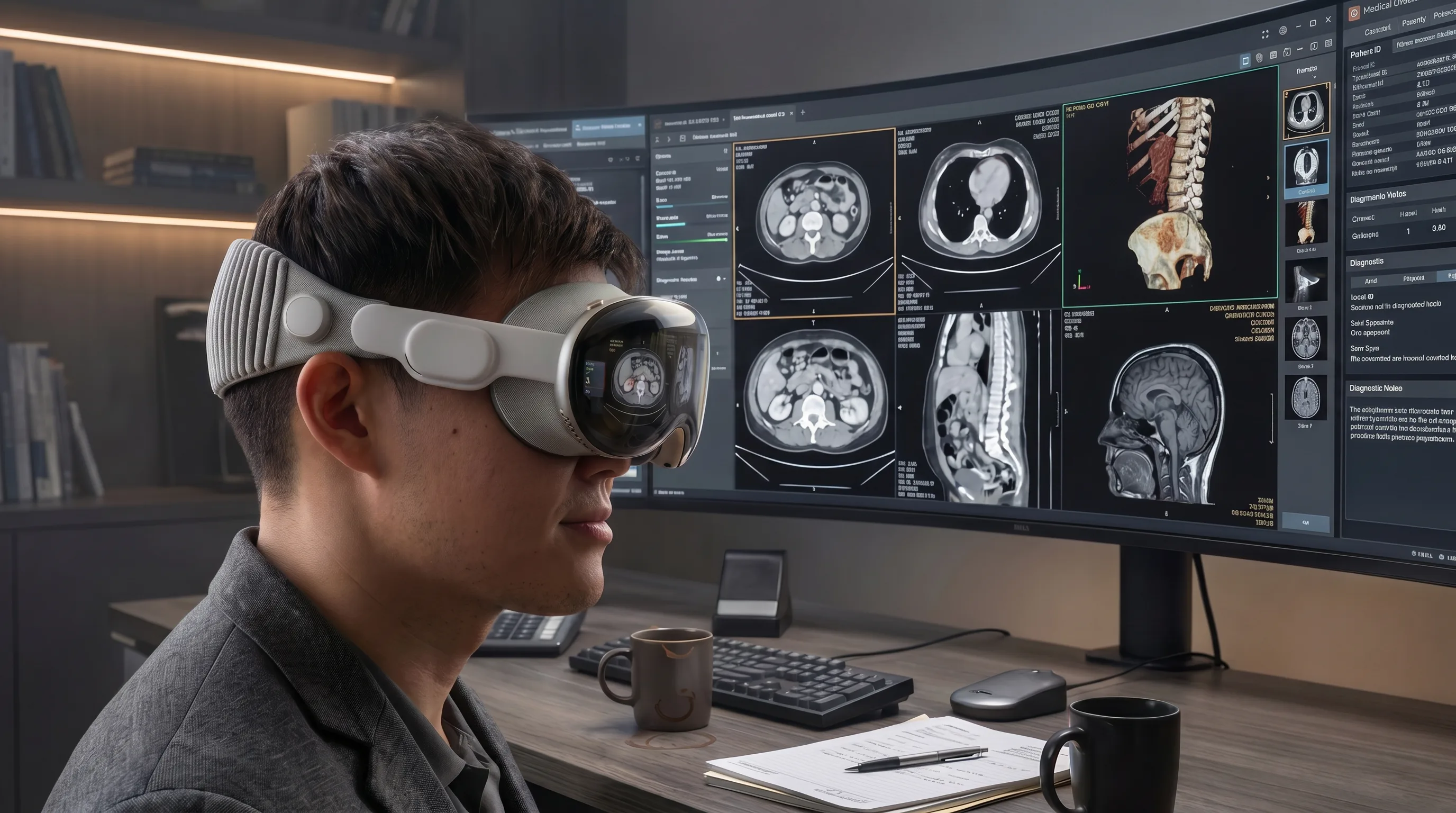
We turn MRI and CT data into interactive 3D anatomy that clinicians can walk around, section, and scale on Apple Vision Pro. Our VR Medical Scan Viewer converts DICOM imaging into spatial models — the difference between reading slices and standing inside the scan.
Patient Education
We create XR experiences that show patients their own condition and upcoming procedure in 3D, replacing plastic models and printouts. Clearer understanding supports informed consent and calmer patients.
Surgical Training & Simulation
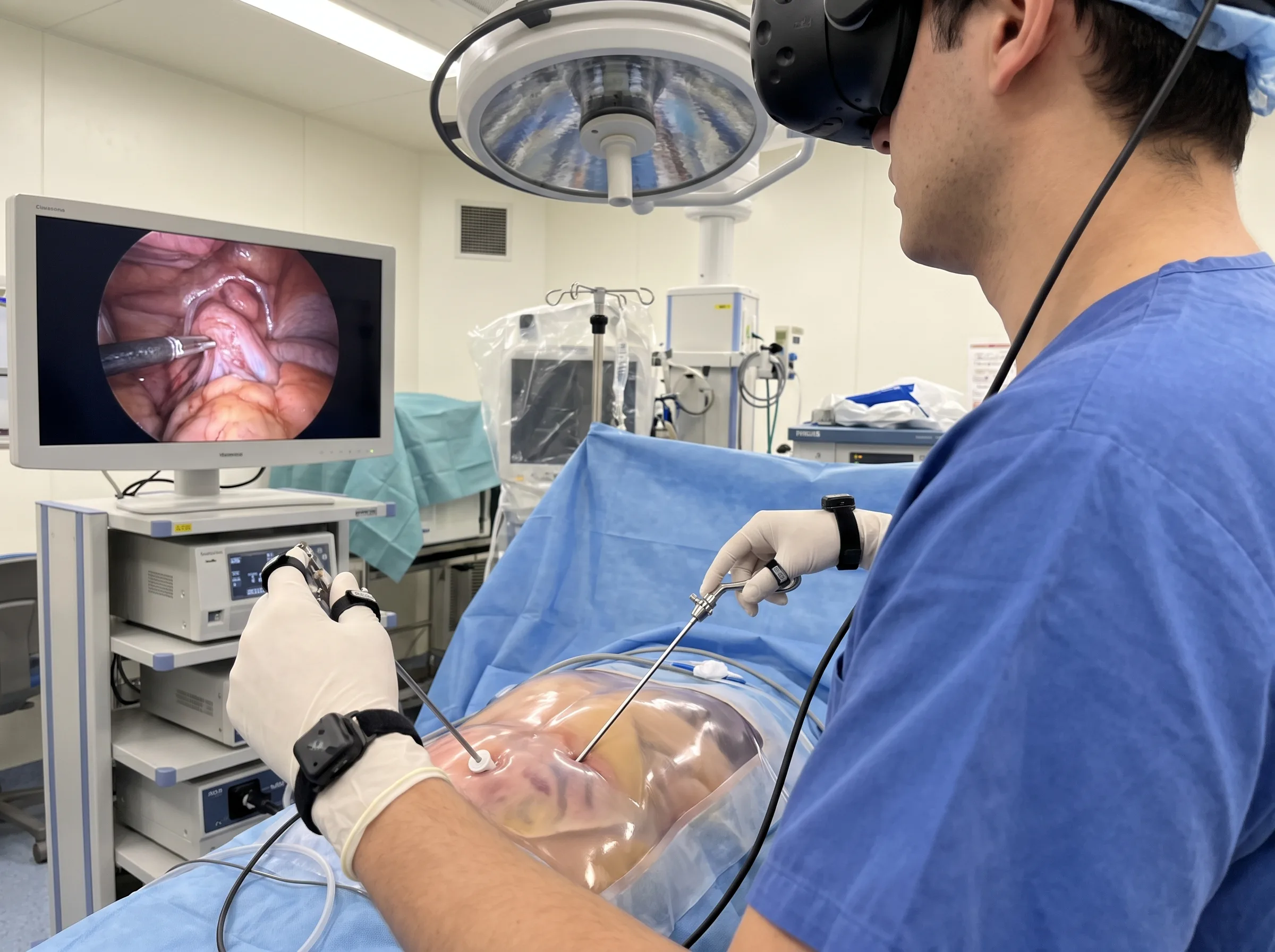
We build VR surgical training that lets teams rehearse procedures repeatedly without patients, cadavers, or OR time. Simulations track technique and decision points, giving programs a repeatable, measurable alternative to observe-and-assist learning.
VR Therapy & Rehabilitation
We build VR experiences used in therapy and rehabilitation settings — guided environments for exposure work, motor rehabilitation exercises, and distraction during procedures — designed in collaboration with the clinical teams who run them.
Clinical Skills & Staff Training
We develop VR training for the skills hospitals teach constantly: safety protocols, equipment operation, patient interaction, and emergency response. Headset-based practice scales across facilities and shifts without pulling trainers or rooms.
Digital Twins for Healthcare Facilities
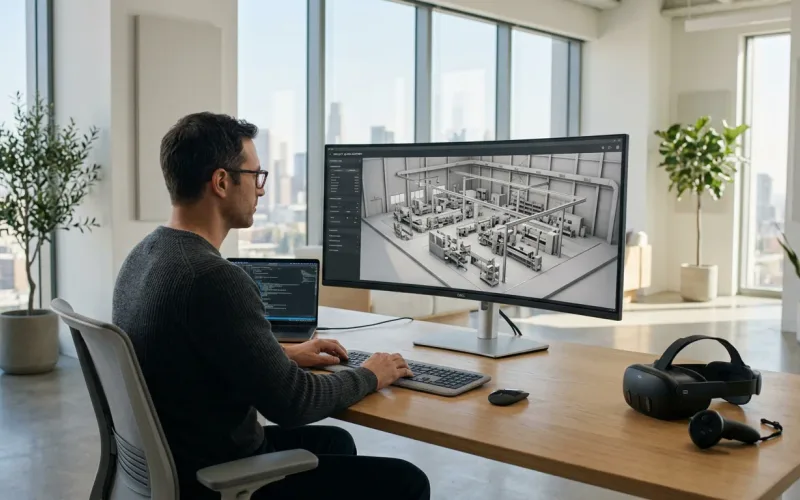
We create walkable 3D twins of clinical spaces for planning, training, and equipment layout — a hospital wing you can review in a headset before a single wall moves.
Augmented Reality in Healthcare
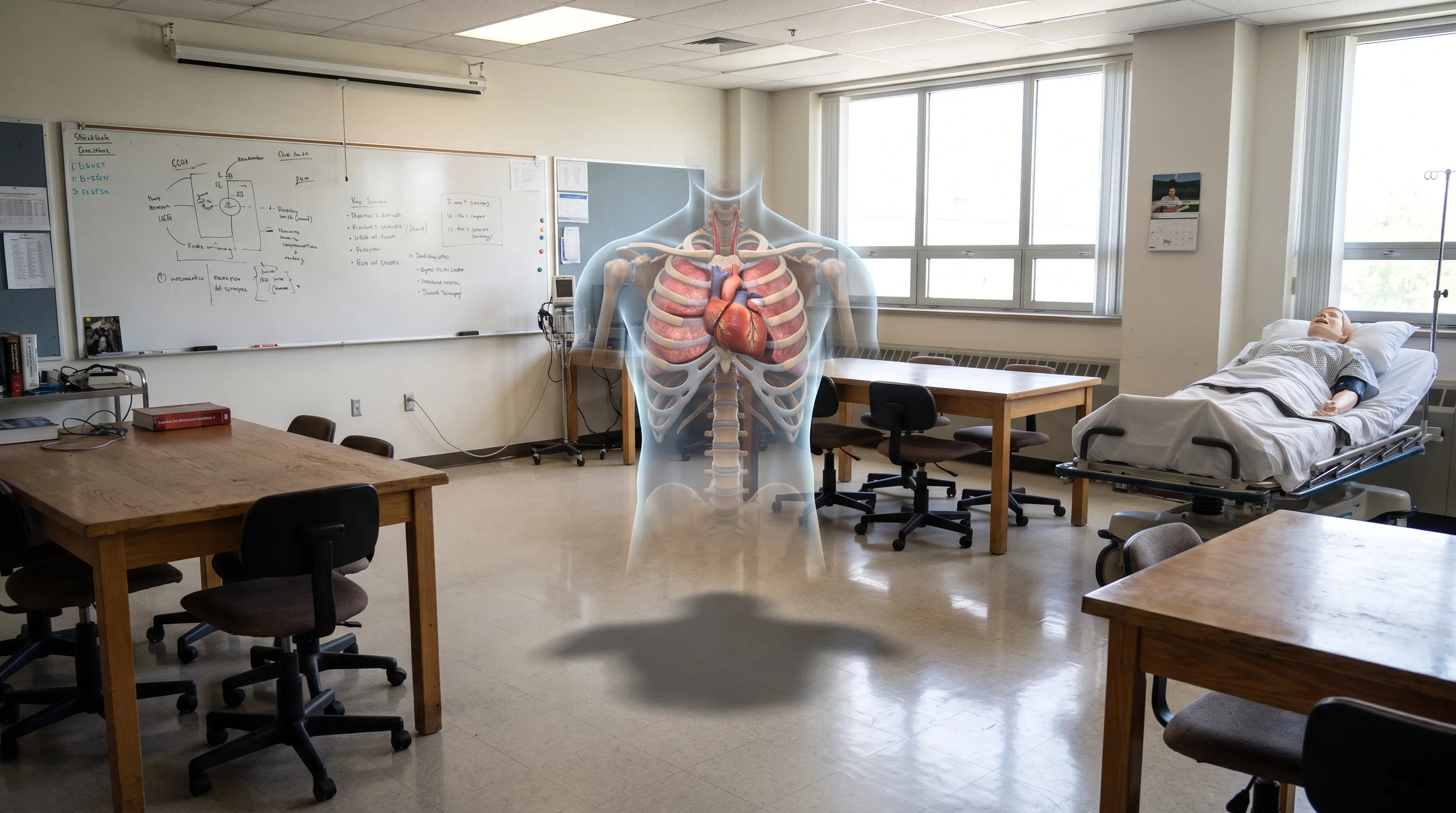
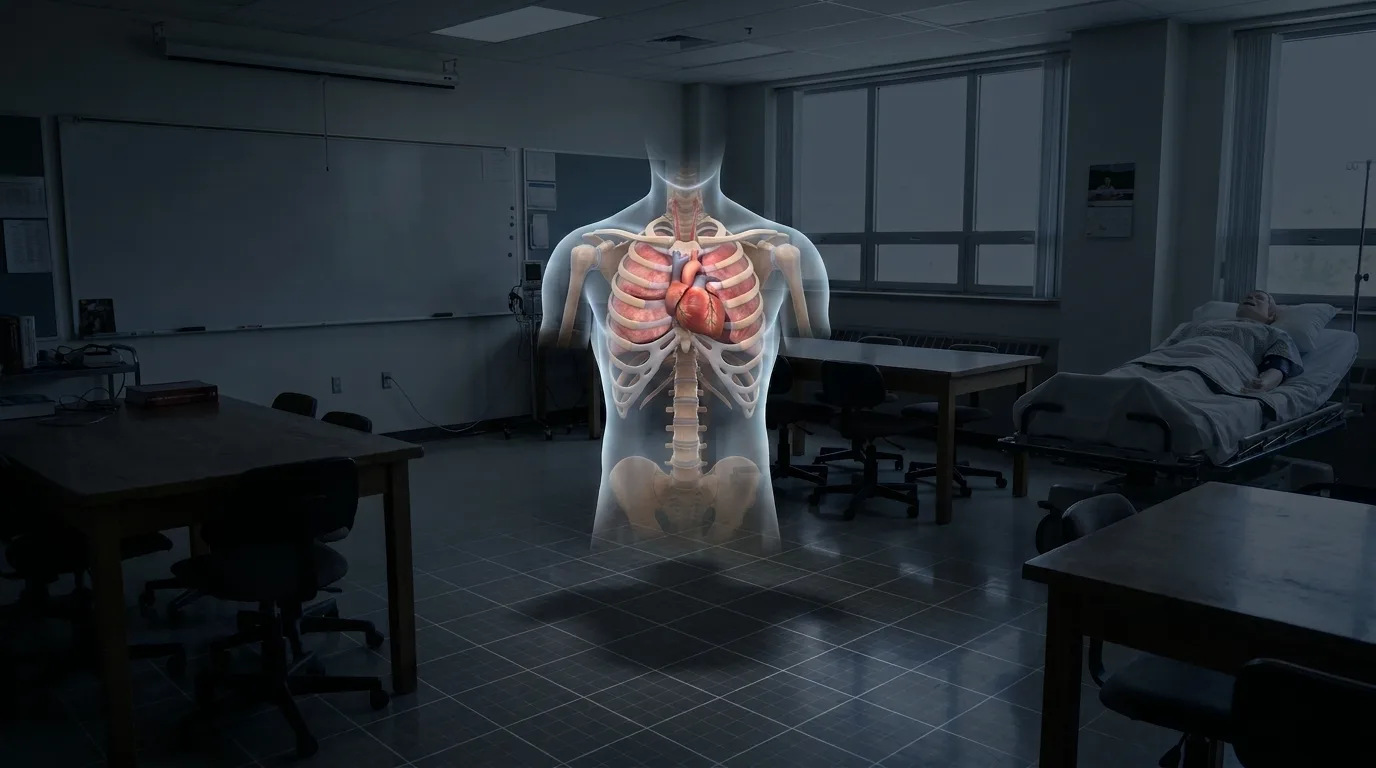
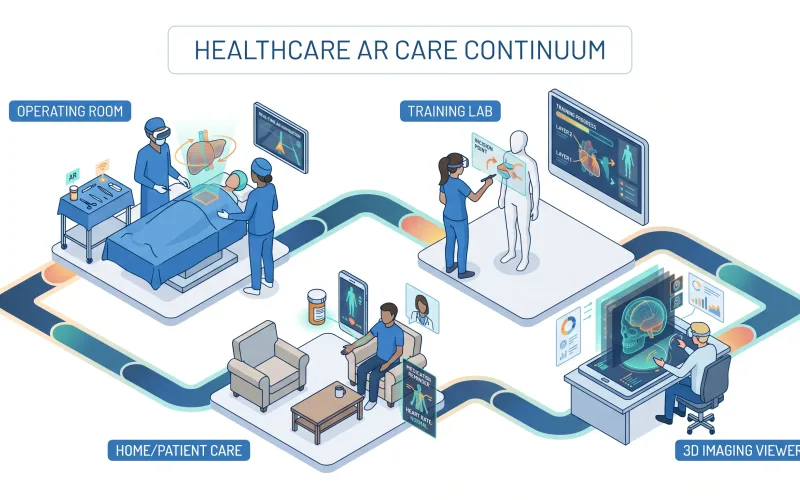
Augmented reality in healthcare overlays digital information onto the physical world: anatomy projected onto a training mannequin, device instructions floating beside the equipment, or a patient's imaging visible during a consult. We build medical AR for iPhone, iPad, and headsets — often as a companion to the same 3D content that powers a VR experience.
Healthcare teams comparing medical VR companies should look beyond a headset demo. The work has to connect spatial interaction, real-time 3D, platform engineering, data handling, and a deployment path. Frame Sixty brings that work together with shipped medical imaging software, confidential enterprise research, and senior XR engineering.
SHIPPED WORK
VR Medical Scan Viewer
A shipped Apple Vision Pro application that converts DICOM data from MRI and CT imaging into interactive spatial models. Users can review standard scan planes alongside a three-dimensional volume, then scale, section, rotate, and inspect the anatomy in space.
The right headset for virtual reality in healthcare depends on what the experience must show, how many people need it, where it will run, and how it will be managed.
HIGH-FIDELITY REVIEW
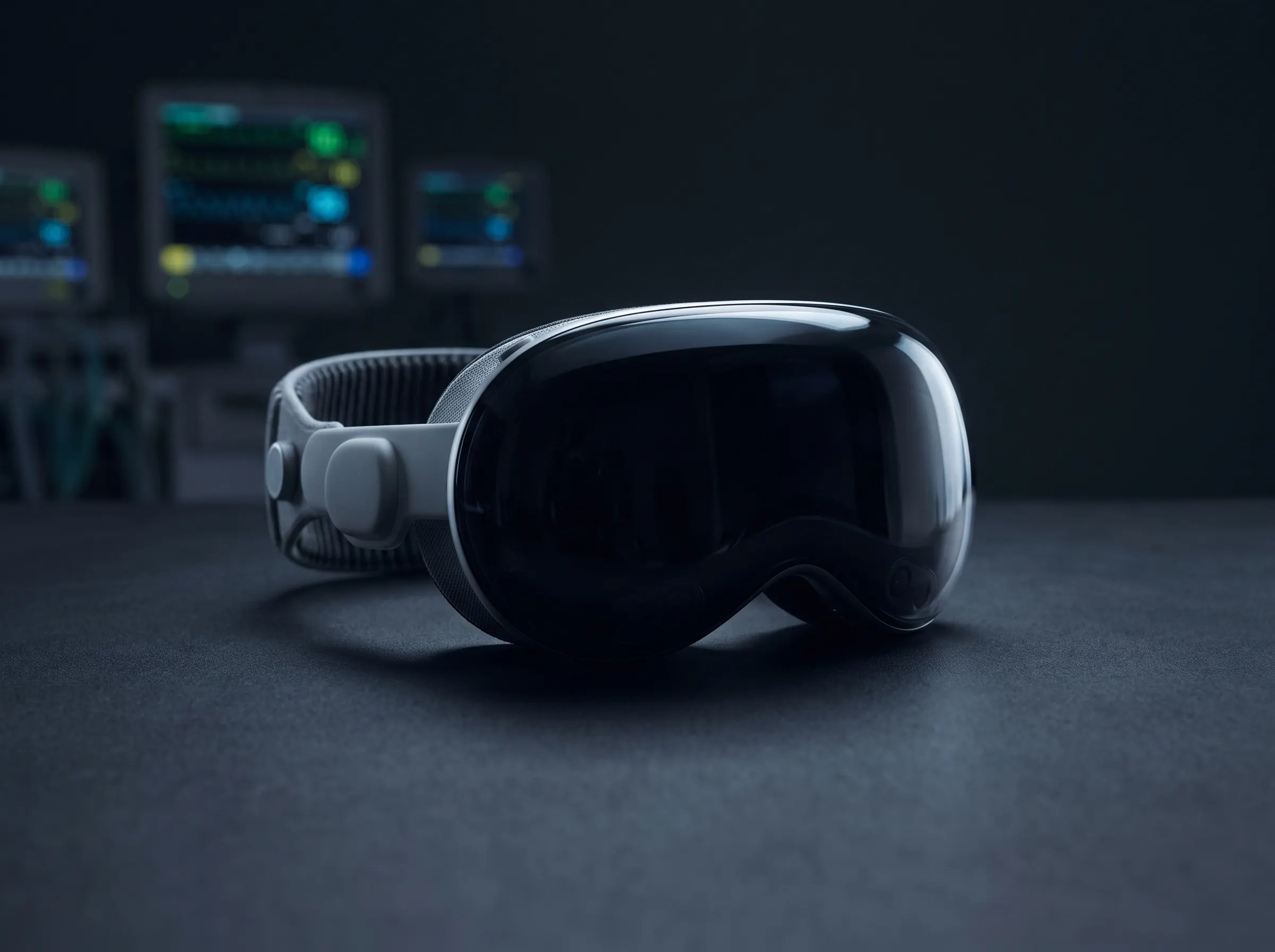
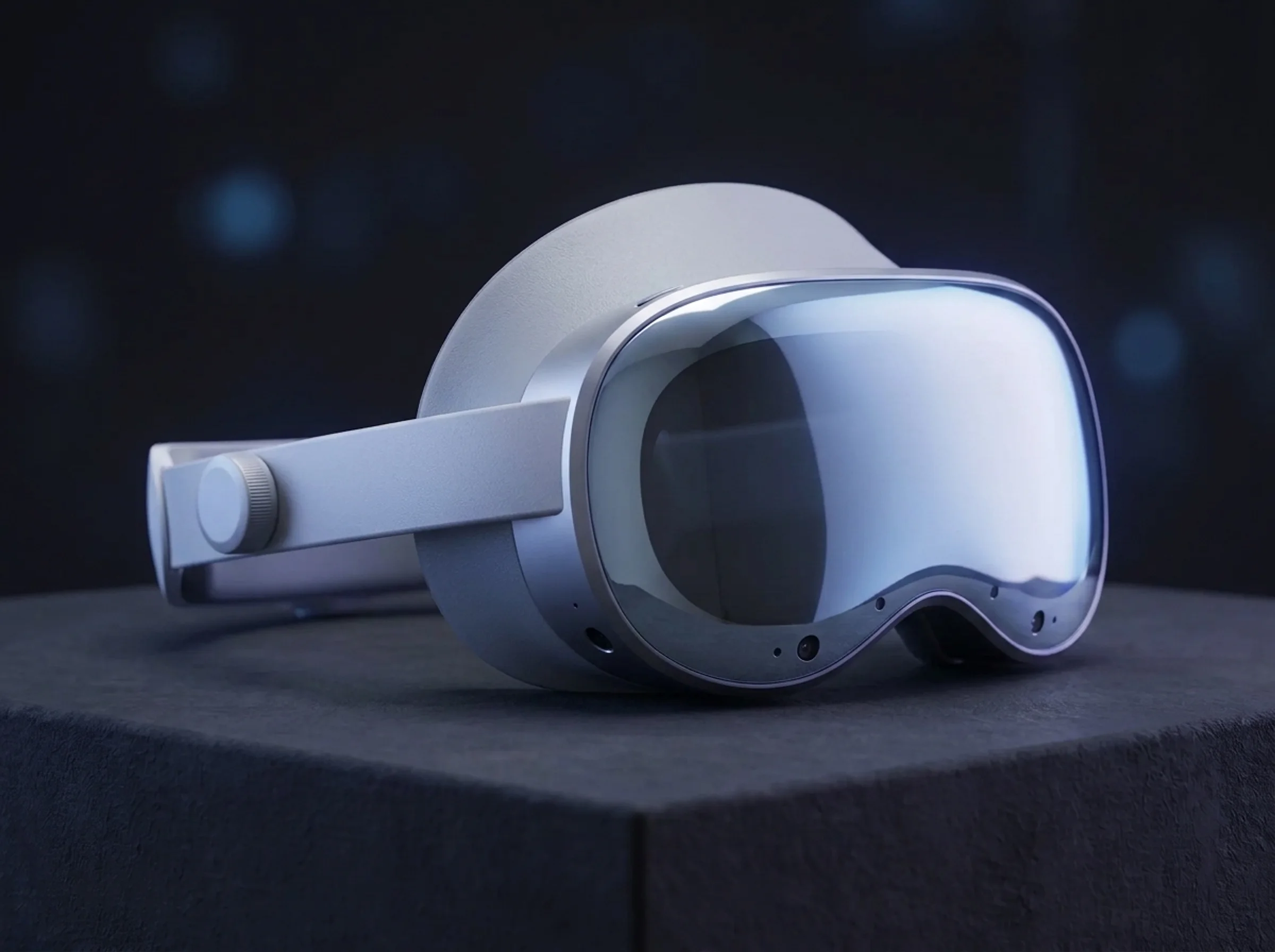
Apple Vision Pro
Apple Vision Pro is a strong fit when display fidelity, spatial interfaces, and native integration matter most — particularly for medical imaging, visualization, and high-detail review experiences.
visionOSSwiftUIRealityKitMetalUnity
SCALABLE TRAINING
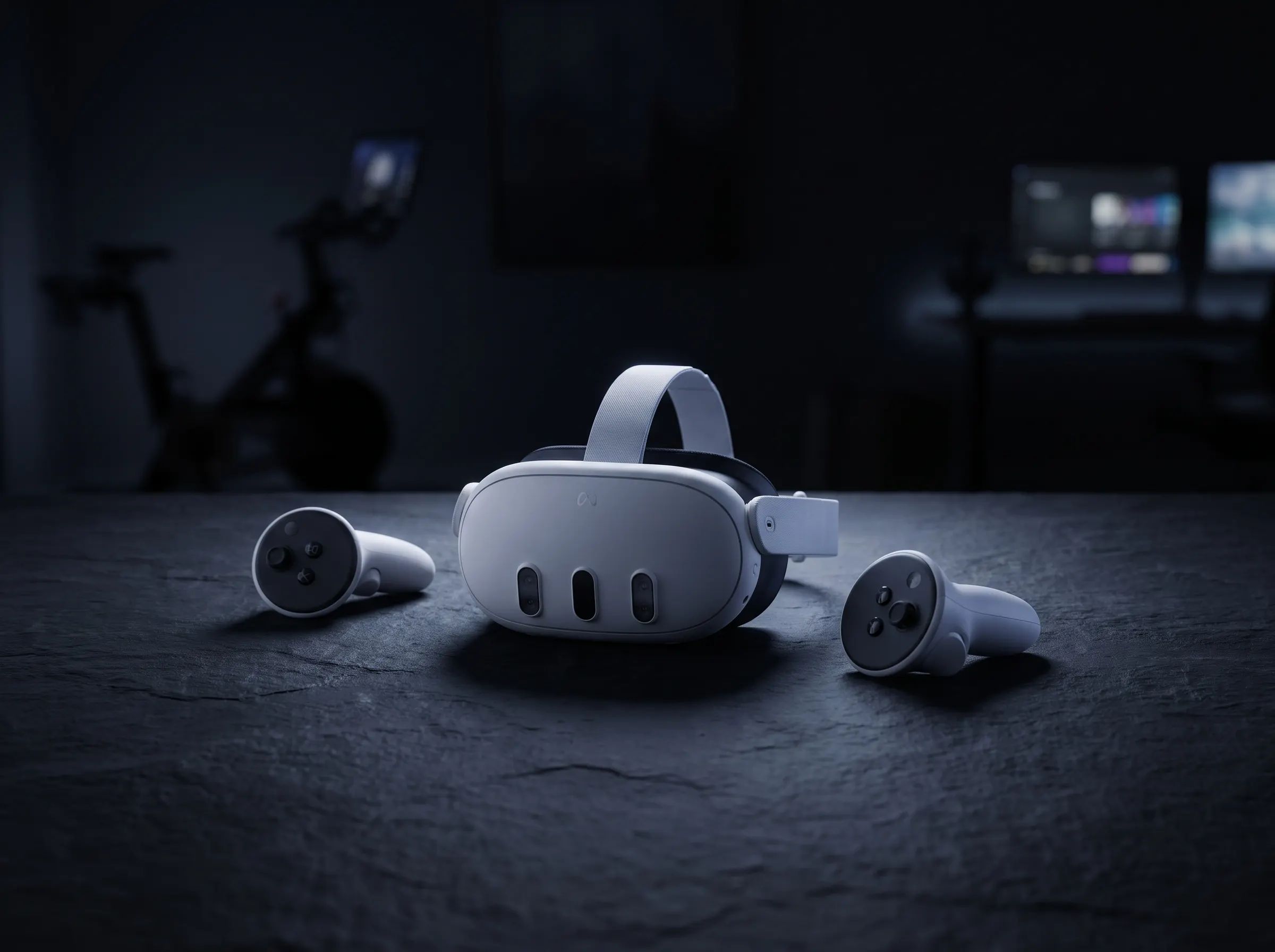
Meta Quest
Meta Quest is a strong fit for repeatable training programs and multi-headset deployments where device economics, portability, and cross-platform Unity development shape the rollout.
Mobile AR puts medical experiences in every clinician's and patient's hands — anatomy overlays, patient education, and imaging companions built with ARKit and ARCore, no headset required.
ARKitARCoreiOSUSDZ
ZERO INSTALL
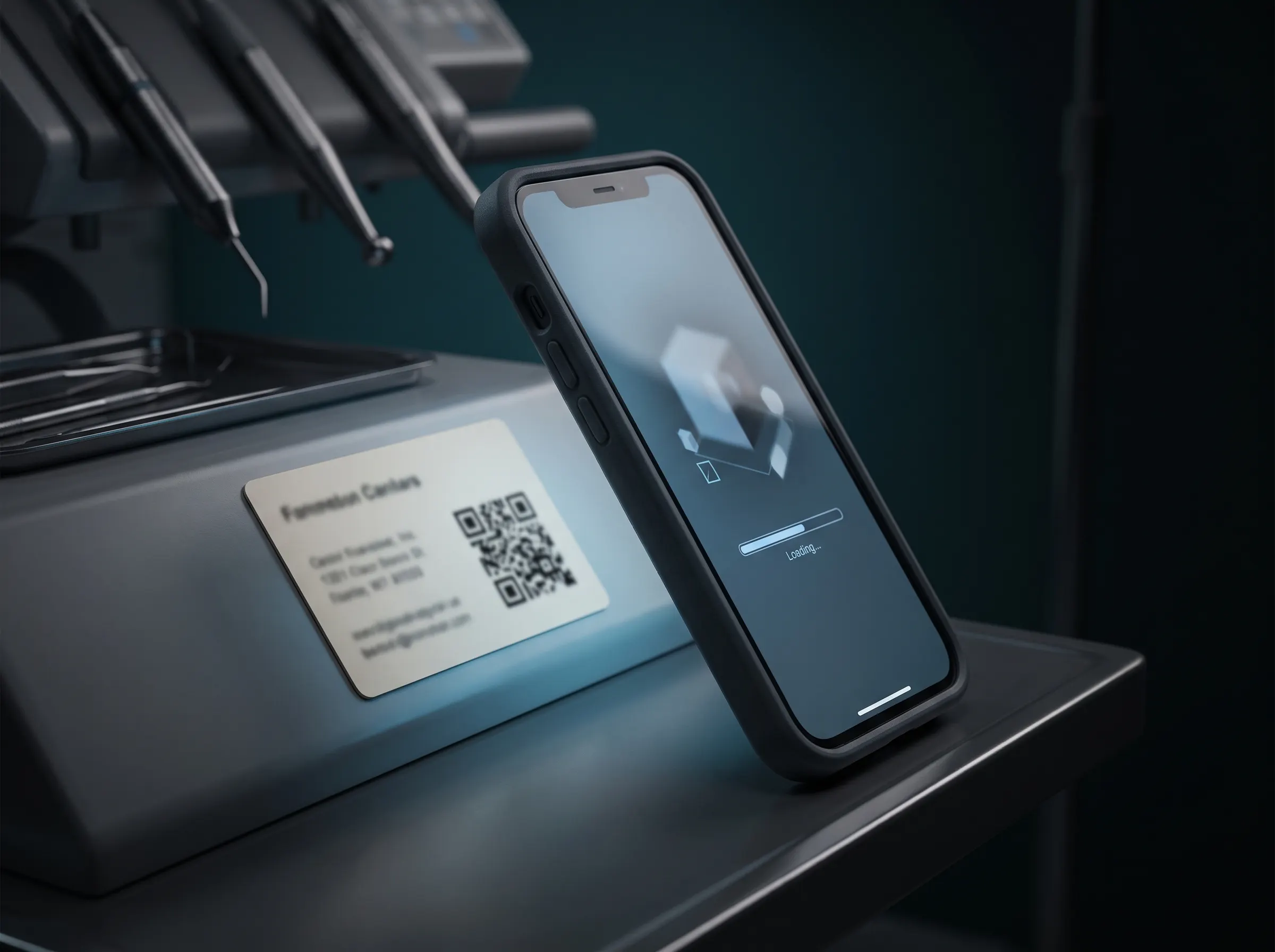
WebAR
Browser-based AR launches from a link or QR code — device instructions, patient education, and training aids that run instantly on any modern phone, with nothing to install or manage.
WebARWebXRQR LAUNCHINSTANT DEPLOY
EMERGING PLATFORM
Samsung Galaxy XR
Android XR opens a new class of headsets for healthcare deployments — Samsung Galaxy XR runs the same Unity content as Quest, extending training programs without rebuilding them.
ANDROID XRUNITYCROSS-PLATFORM
Healthcare architecture
Building HIPAA-Compliant Medical Applications
Trust belongs in the architecture.
HIPAA compliance in a medical XR application is an architecture decision, not a paperwork step. How imaging moves, where PHI lives, who can authenticate, and what gets logged all have to be designed in from the first build.
We design healthcare XR with HIPAA alignment in mind from the architecture stage: minimizing stored PHI, encrypting data in transit and at rest, and working within your organization's security review. We sign BAAs where required and build to the requirements your compliance team sets.
HOW PHI STAYS PROTECTED ON ITS WAY TO THE HEADSET
01PHI minimized at DICOM ingest
02Encrypted in transit (TLS)
03Encrypted at rest
04Role-based access + audit logs
05Headset session — no PHI cached
The exact safeguards map to your organization's HIPAA security review — retention rules, identity provider, device management, and deployment environment all shape the final architecture.
Minimize PHI
Avoid storing protected health information when it is not required, de-identify imaging where the workflow allows, and limit access to the minimum necessary components.
Apply the Security Rule safeguards
Encryption in transit and at rest, approved authentication, environment separation, and audit logging — planned into the architecture, not patched on after.
Sign BAAs, pass security review
We sign Business Associate Agreements where required, document how PHI moves through the system, and build to the requirements your compliance team sets.
Planning an engagement
What Healthcare VR Development Costs
The cost of healthcare VR development depends on scope: a proof-of-concept imaging viewer is a different budget from a validated multi-module training program. Project work is quoted as a fixed bid after a discovery call, so the full cost is clear before development begins.
01
Proof of concept
Prove one core interaction or data pipeline
Validate the target headset
Establish technical feasibility
Use representative or synthetic data
02
Pilot
Expand the workflow
Add stakeholder review
Connect required integrations
Prepare security and device testing
03
Production deployment
Multi-module experience
Production architecture and QA
Distribution or fleet planning
Support, maintenance, and roadmap
WHAT CHANGES SCOPE
Enterprise integrationsModules and user rolesSimulation fidelitySecurity requirementsPlatform countAnalytics and reportingDevice fleetReview requirements
Start with the workflow, the users, and the decision the experience needs to support.
Augmented reality for healthcare reached a USD 3.05B market in 2025 and 98% accuracy in AR-guided spinal surgery — clinical uses, compliance, and shipped projects.
Virtual reality in healthcare is used for medical imaging visualization, surgical and clinical training, patient education, and therapy. Clinicians review MRI and CT data as 3D models, trainees rehearse procedures in simulation, patients see their own condition explained spatially, and therapists use guided VR environments in treatment settings.
What does healthcare VR development cost?
The cost of a healthcare VR application depends on scope: a proof-of-concept imaging viewer is a different budget from a multi-module training program rolled out across facilities. Project work is quoted as a fixed bid after a discovery call, so the full cost is clear before development begins.
Is VR training effective for medical education?
Published research on VR medical training has repeatedly reported improvements in skill acquisition, retention, and trainee confidence compared with traditional methods, which is why surgical programs and hospital systems continue to adopt it. Effectiveness depends on instructional design — we build simulations with the clinical educators who will run them.
Can you display MRI and CT scans in virtual reality?
Yes — converting medical imaging into interactive 3D is our flagship healthcare capability. We process DICOM data from MRI and CT into spatial models viewable on Apple Vision Pro, where clinicians can scale, section, and walk around the anatomy. Our shipped VR Medical Scan Viewer does exactly this.
How do you handle HIPAA and patient data?
We design healthcare XR with HIPAA alignment in mind from the architecture stage: minimizing stored PHI, encrypting data in transit and at rest, and working within your organization's security review. We sign BAAs where required and build to the requirements your compliance team sets.
Does a healthcare VR app need FDA approval?
It depends on the app's intended use. Training, education, and visualization tools generally fall outside FDA device regulation, while software intended for diagnosis or treatment may qualify as Software as a Medical Device. We help you scope regulatory questions early, alongside your regulatory and legal teams.
Which headset is right for healthcare: Vision Pro or Meta Quest?
Apple Vision Pro leads for imaging and visualization, where display fidelity matters most. Meta Quest leads for training programs, where lower device cost makes multi-headset fleets practical. Many healthcare deployments use both — Vision Pro for clinical review, Quest for scaled training — and we help you sequence that decision.
Who owns the application and its code?
Your organization owns the application, the code, and the content — our contracts assign full IP ownership, including source, 3D assets, and imaging pipelines. We sign NDAs before discovery when needed; confidentiality is standard across our enterprise and research work.
Why choose Frame Sixty for healthcare XR?
Frame Sixty pairs shipped healthcare work with senior XR talent: a research partnership with a Fortune 100 healthcare company, a medical scan viewer live on Apple Vision Pro, seven published patents in augmented reality and machine learning, and 100+ apps shipped. You work with a team that has already built for clinical environments.
Get in touch
We’re interested to see how we can help. Send us a message and we will get back to you within 24 hours.
Subscribe to our newsletter
Get the latest tech news and updates for mobile, web and Apple Vision Pro delivered to your Inbox.