
Advanced Virtual Reality Training Simulation for Equipment Operators
Transforming industrial safety training with advanced virtual reality training simulation solutions that improve awareness, reduce risk, and enhance operational readiness.
Introduction
A leading U.S.-based energy producer manages a broad portfolio of mining, energy, and industrial assets across multiple regions. To strengthen safety and operational readiness, the organization implemented a custom virtual reality training simulation designed to enhance operator awareness and improve performance in high-risk environments.
The company places a strong emphasis on employee safety, operational excellence, and the adoption of next-generation training technologies to support a modern workforce.
The Real Problem
Training heavy-equipment operators in a safe, controlled environment is critical to operational success. Yet limited access to secure training conditions — combined with the inherent risks of live machinery — creates significant operational and safety challenges. These gaps highlight the growing need for a scalable virtual reality training simulation that can replicate real-world conditions without real-world risk.
1. Limited Controlled Training Environments. Operating haul trucks, cranes, and diesel-powered machinery on active job sites exposes trainees to unnecessary safety risks and unpredictable variables. Live environments are rarely optimized for learning, making structured skill development difficult.
2. Elevated Risk During Hands-On Instruction. Training with active equipment increases the potential for accidents, equipment damage, and injury to both operators and instructors. Even minor errors can result in costly consequences.
3. High Cost of On-Site Training. Running real machinery consumes fuel, requires dedicated supervision, and accelerates equipment wear — leading to substantial operational expenses that scale with workforce growth.
4. Lack of Standardized Instruction. Inconsistent training methods reduce knowledge retention, limit performance benchmarking, and create variability in operator readiness. Without measurable training metrics, organizations struggle to ensure consistent workforce competency.
How We Solve It
Our virtual reality training simulation solution eliminates the risks and limitations of traditional equipment instruction by delivering a fully immersive, controlled learning environment. Built specifically for industrial operators, the system replicates real-world machinery behavior while enabling safe, repeatable skill development at scale.
Immersive VR/AR Training Environments. Trainees engage with virtual haul trucks, cranes, and diesel-powered systems inside realistic, interactive environments — without exposure to live operational hazards. This allows organizations to simulate high-risk scenarios safely and consistently.
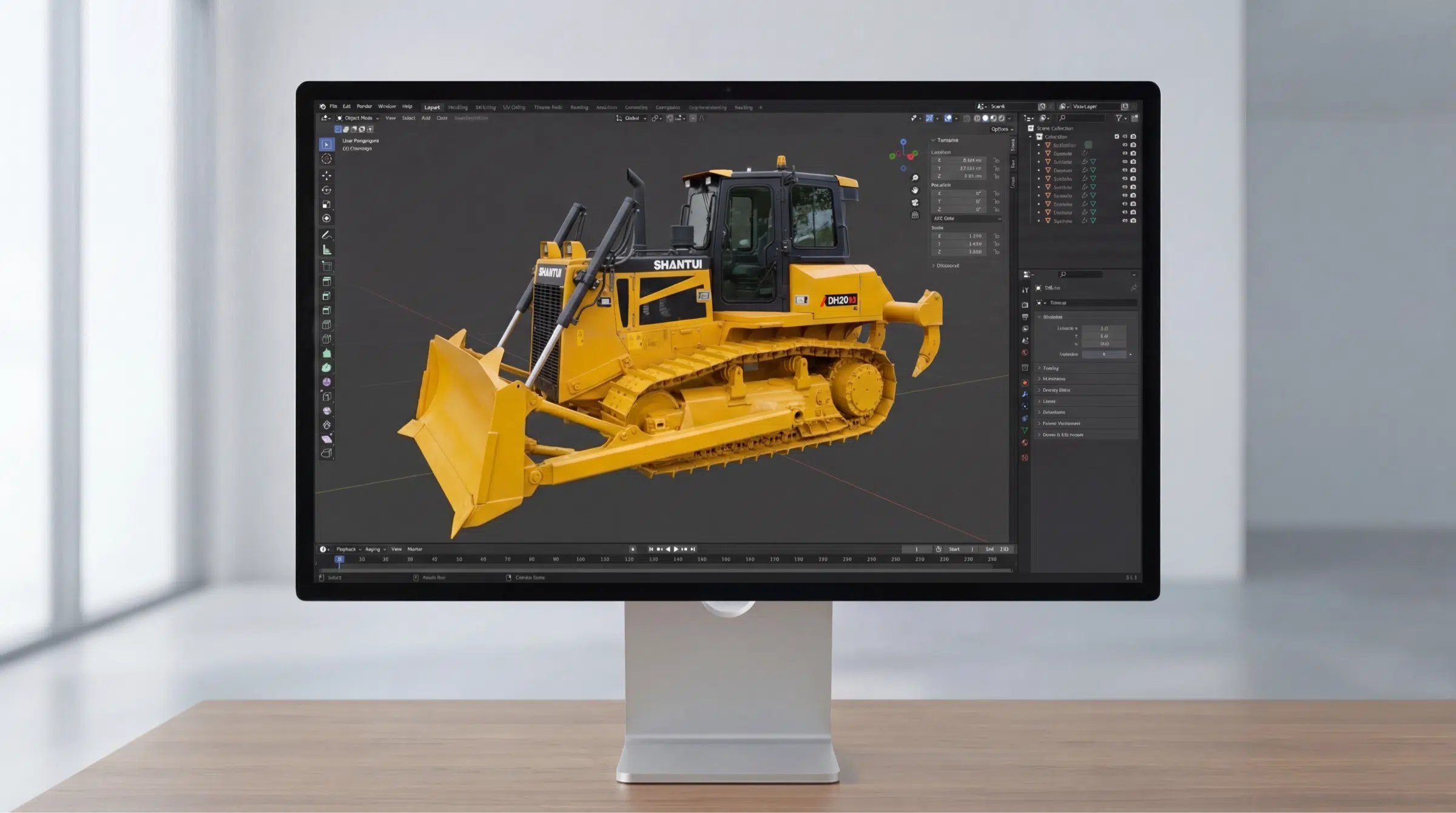
High-Fidelity 3D Machinery Simulations. Detailed 3D models, mechanical systems, and accurate animations are integrated into structured learning modules. Every component reflects real equipment behavior to ensure training relevance and technical accuracy.
Spatial Task-Based Workflows. Operators move naturally around virtual machinery, completing guided, step-by-step procedures that mirror real-world interaction. This spatial learning approach increases muscle memory and procedural retention.
Real-Time Performance Feedback. Built-in evaluation tools deliver immediate feedback and measurable performance data. Supervisors gain actionable insights into operator readiness, competency gaps, and overall training effectiveness.
Key Results of VR Training on Operations
Virtual Reality Property Walkthroughs: Cost, Technology, and How to Get One Built
Virtual reality property walkthroughs let buyers explore a home from a headset, browser, or phone before visiting. This guide breaks down the formats, real costs, the technology, and how to commission one.
How Much Does Apple Vision Pro App Development Cost? A 2026 Buyer’s Guide
Apple Vision Pro app development costs anywhere from $15,000 for an iOS port to $80,000+ for a fully immersive build in 2026. This guide breaks down what sets the price, how long a project takes, and how to scope one before you call a studio.

XR Development Agency: AR, VR & Spatial Computing Services
An XR development agency plans, designs, and builds AR, VR, mixed reality, and spatial computing applications across Apple Vision Pro, Meta Quest, Android XR, WebAR, and smart glasses. Learn what these agencies do, what projects cost, and how to choose the right partner.
Android XR App Development: What Businesses Need to Know in 2026
Android XR is shipping on real hardware in 2026, from the $1,799 Samsung Galaxy XR to XREAL AURA display glasses. Here is what the platform costs to build for and when it beats Apple visionOS.
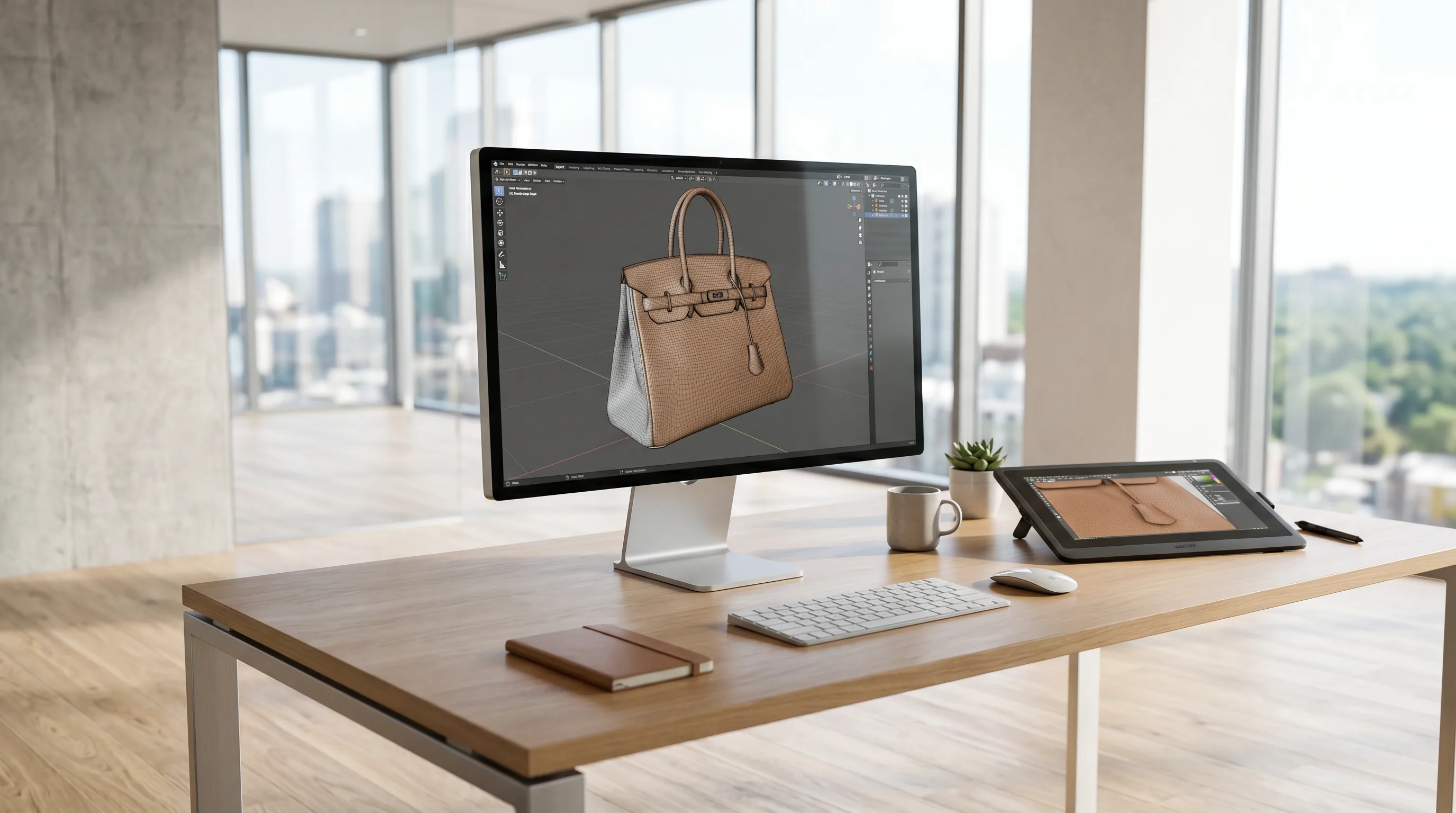
AR Try-On and Spatial Commerce: The ROI Case for Retail in 2026
AR try-on has crossed from gimmick to conversion tool. Here is the ROI data on conversion and returns, plus the three ways retailers can build it.
Get in touch
We’re interested to see how we can help. Send us a message and we will get back to you within 24 hours.