
Reimagining Medical Imaging in Immersive 3D
A scientific-grade VR platform that transforms CT & MRI data into dynamic volumetric experiences — empowering clinicians with deeper insight and faster decisions.
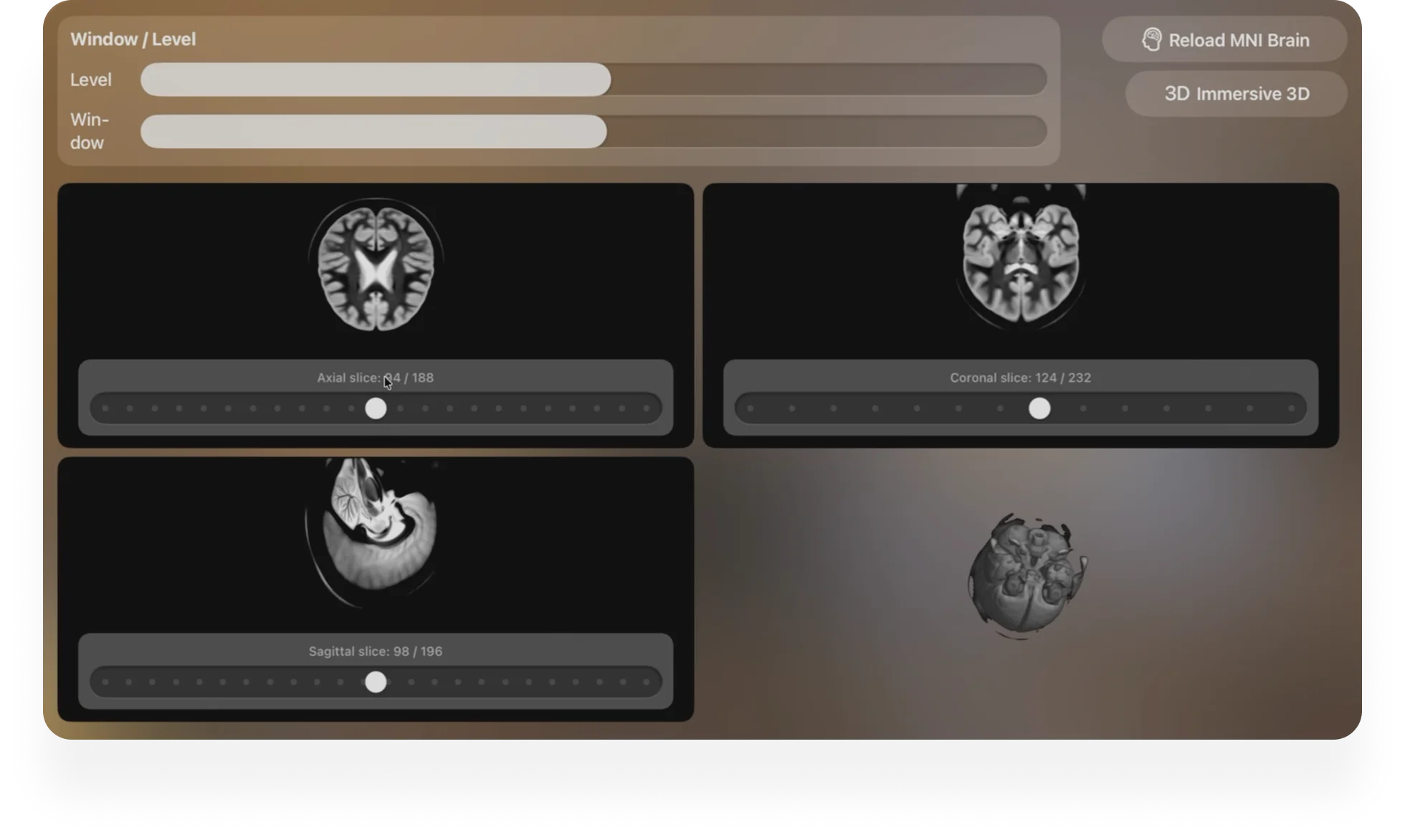
Immersive Medical Visualization
Transform raw CT & MRI data into interactive 3D volumes with scientific-grade precision.
Clinical-Grade Visualization
High-fidelity rendering designed to support clarity and confident clinical workflows.
Immersive Diagnostics
Transform raw CT & MRI data into interactive 3D volumes with scientific grade precision.
Clinical-Level Accuracy
High-fidelity rendering ensures diagnostic clarity and supports confident decision-making.
A Smarter Way
to See Medical Data
CT and MRI scans contain immense depth, yet most tools still reduce them to flat slices. We set out to change that. Frame Sixty transforms volumetric imaging into an XR spatial application built for education, research, and professional use. By placing data on an immersive 3D canvas, we enable more intuitive exploration than traditional desktop visualization tools allow.
Why Medical Imaging Needed a Paradigm Shift
Traditional CT and MRI tools are limited to 2D views, making complex structures difficult to interpret. Clinicians, educators, and researchers needed an intuitive, immersive way to work directly with volumetric data on an XR headset.
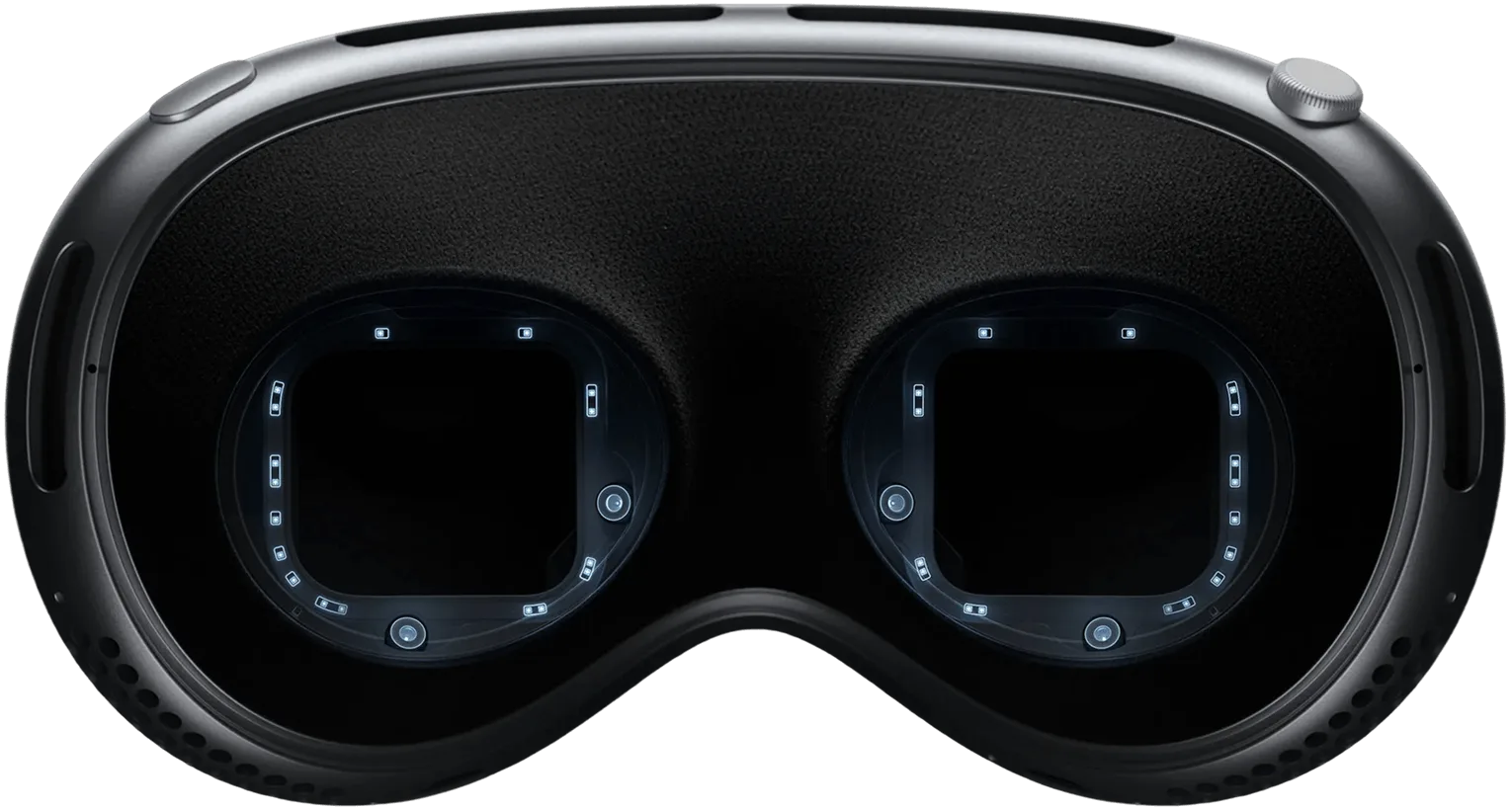
Redefining 3D Medical Imaging
Multi-Axis Slicing
Explore volumetric data using axial, sagittal, and coronal slicing to better understand internal structures from any orientation. This approach allows users to move beyond fixed viewpoints and examine data dynamically in three dimensions.
By combining traditional slice views with spatial context, multi-axis slicing makes it easier to interpret complex relationships within volumetric datasets when working inside an XR environment.
True 3D Volumes
CT and MRI data are rendered as full 3D volumes rather than disconnected 2D slices. This reveals spatial relationships that are difficult to perceive using traditional desktop-based visualization tools.
Viewing data as a continuous volume enables more intuitive exploration, helping users better understand scale, depth, and structure within immersive XR applications.
Layered Data Control
Layered data control allows datasets to be isolated, blended, or combined within a single spatial view. Users can focus on specific structures or explore how multiple layers relate to one another in three-dimensional space.
This flexible approach supports clearer analysis and visualization of complex volumetric data, especially when working with multiple datasets or segmented information.
Interactive Exploration
Volumetric data can be manipulated through intuitive XR interactions such as rotation, scaling, clipping, and real-time inspection. These interactions allow users to explore data naturally within a spatial canvas.
By engaging directly with 3D volumes, users gain a more hands-on way to examine and understand complex datasets compared to traditional mouse-and-keyboard workflows.
Product Walkthrough

Advanced Volumetric Rendering
We utilize an advanced, low-level Metal-based rendering pipeline designed specifically for XR devices. By leveraging single-pass volumetric rendering techniques, the application efficiently renders complex 3D datasets with high visual fidelity while maintaining performance required for real-time, immersive interaction.

DICOM & NIfTI Support
The application supports industry-standard DICOM and NIfTI formats, allowing volumetric CT and MRI datasets to be ingested directly without manual preprocessing. This ensures compatibility with common medical imaging workflows while enabling consistent volumetric visualization across education, research, and professional review use cases.
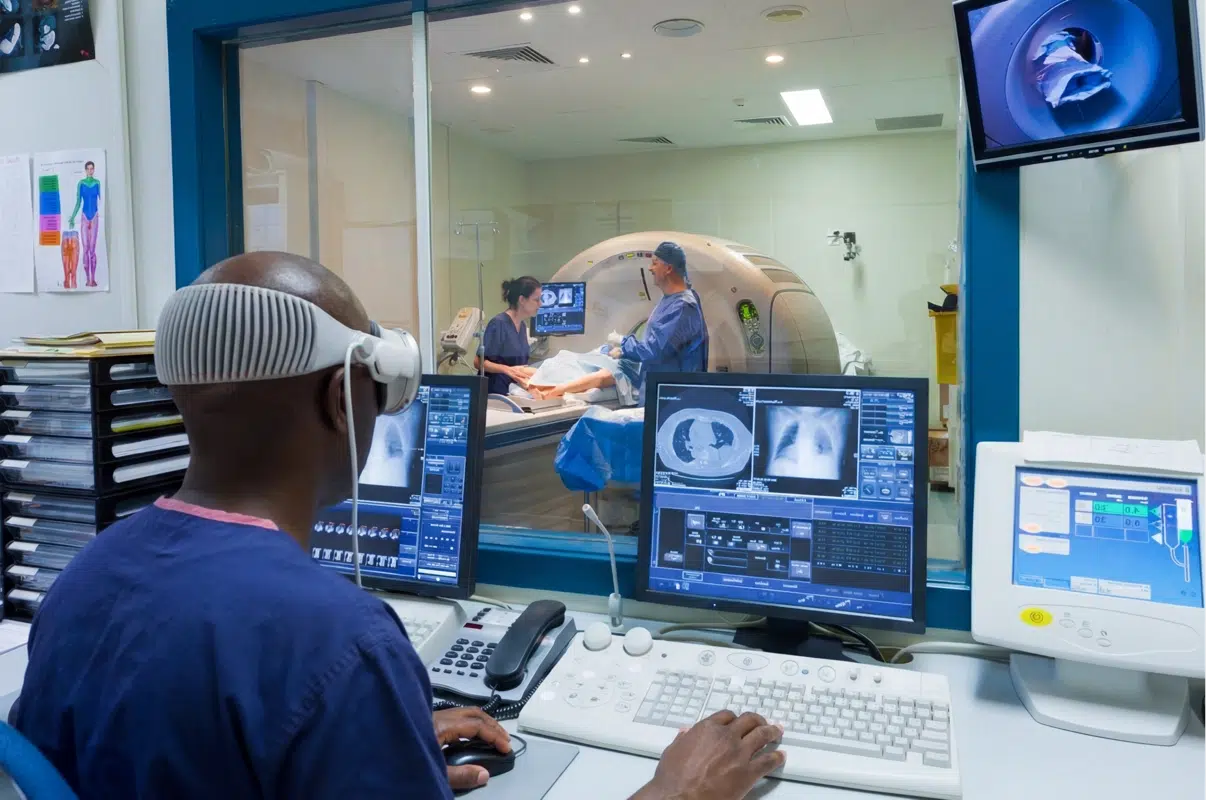
Multi-Device Support
The application is designed to run across multiple XR and mobile platforms, including Apple Vision Pro, Meta Quest, iOS, and Android. This multi-device support ensures volumetric data can be explored consistently across headsets and mobile devices, enabling flexible deployment for research, education, and professional environments.
Spatial Understanding at Scale
Immersive volumetric visualization reveals depth and structure that flat, slice-based views cannot convey.
XR-Native Interaction
Hands-on controls allow users to rotate, slice, and explore volumetric data naturally in 3D space.
Cross-Platform Accessibility
Consistent volumetric visualization across XR headsets and mobile devices supports flexible workflows.
Virtual Reality Property Walkthroughs: Cost, Technology, and How to Get One Built
Virtual reality property walkthroughs let buyers explore a home from a headset, browser, or phone before visiting. This guide breaks down the formats, real costs, the technology, and how to commission one.
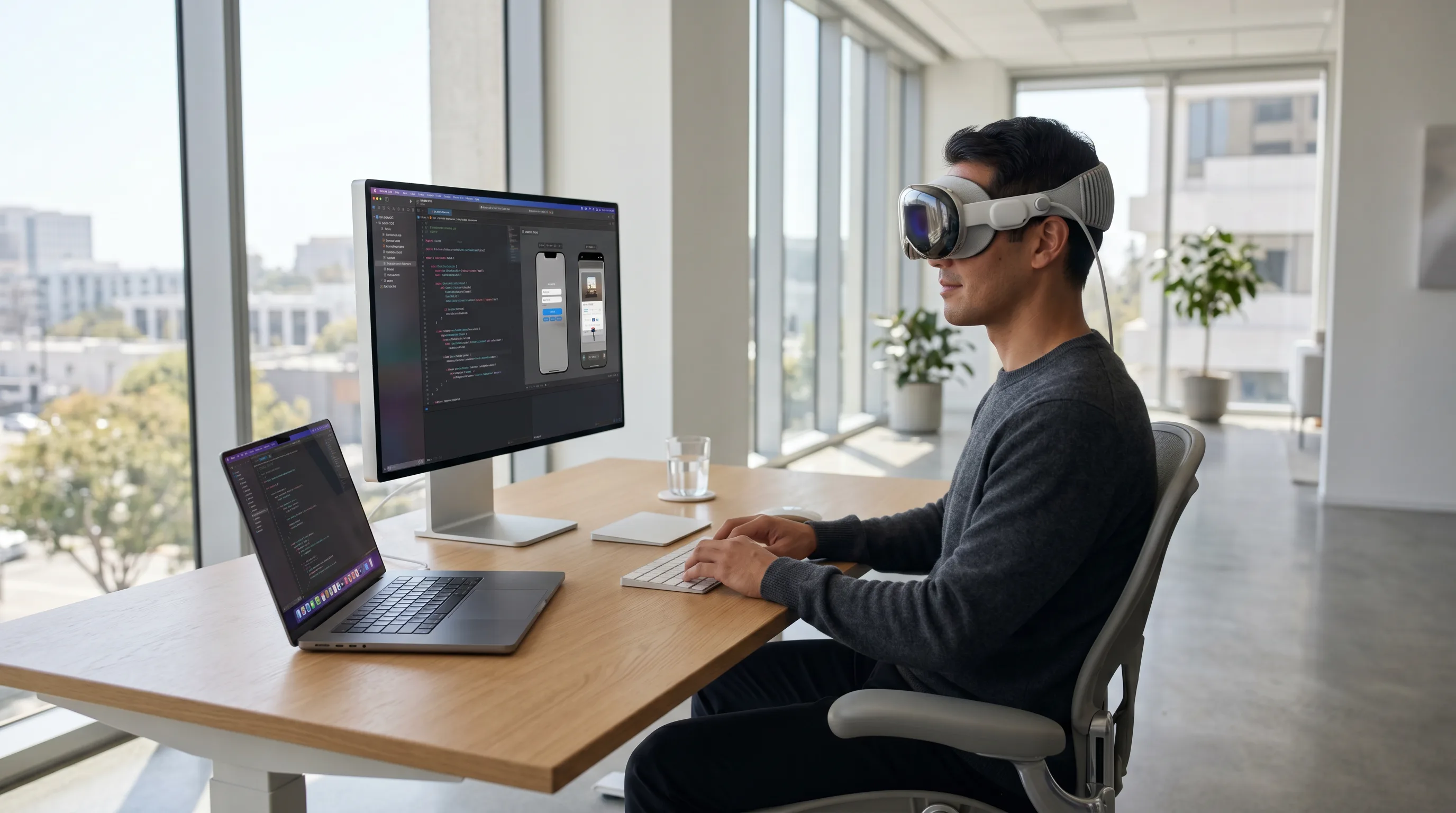
How Much Does Apple Vision Pro App Development Cost? A 2026 Buyer’s Guide
Apple Vision Pro app development costs anywhere from $15,000 for an iOS port to $80,000+ for a fully immersive build in 2026. This guide breaks down what sets the price, how long a project takes, and how to scope one before you call a studio.

XR Development Agency: AR, VR & Spatial Computing Services
An XR development agency plans, designs, and builds AR, VR, mixed reality, and spatial computing applications across Apple Vision Pro, Meta Quest, Android XR, WebAR, and smart glasses. Learn what these agencies do, what projects cost, and how to choose the right partner.
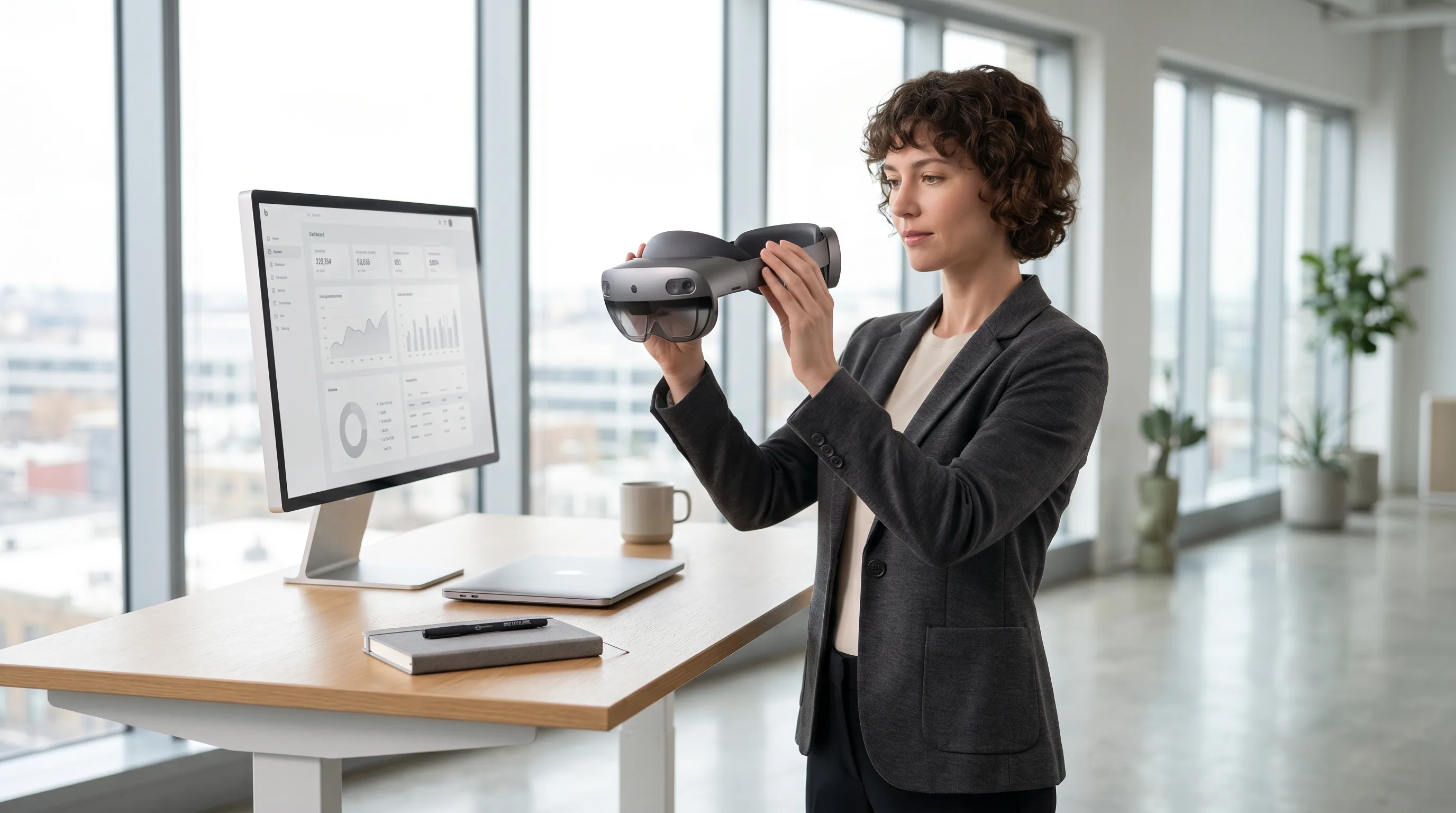
Android XR App Development: What Businesses Need to Know in 2026
Android XR is shipping on real hardware in 2026, from the $1,799 Samsung Galaxy XR to XREAL AURA display glasses. Here is what the platform costs to build for and when it beats Apple visionOS.
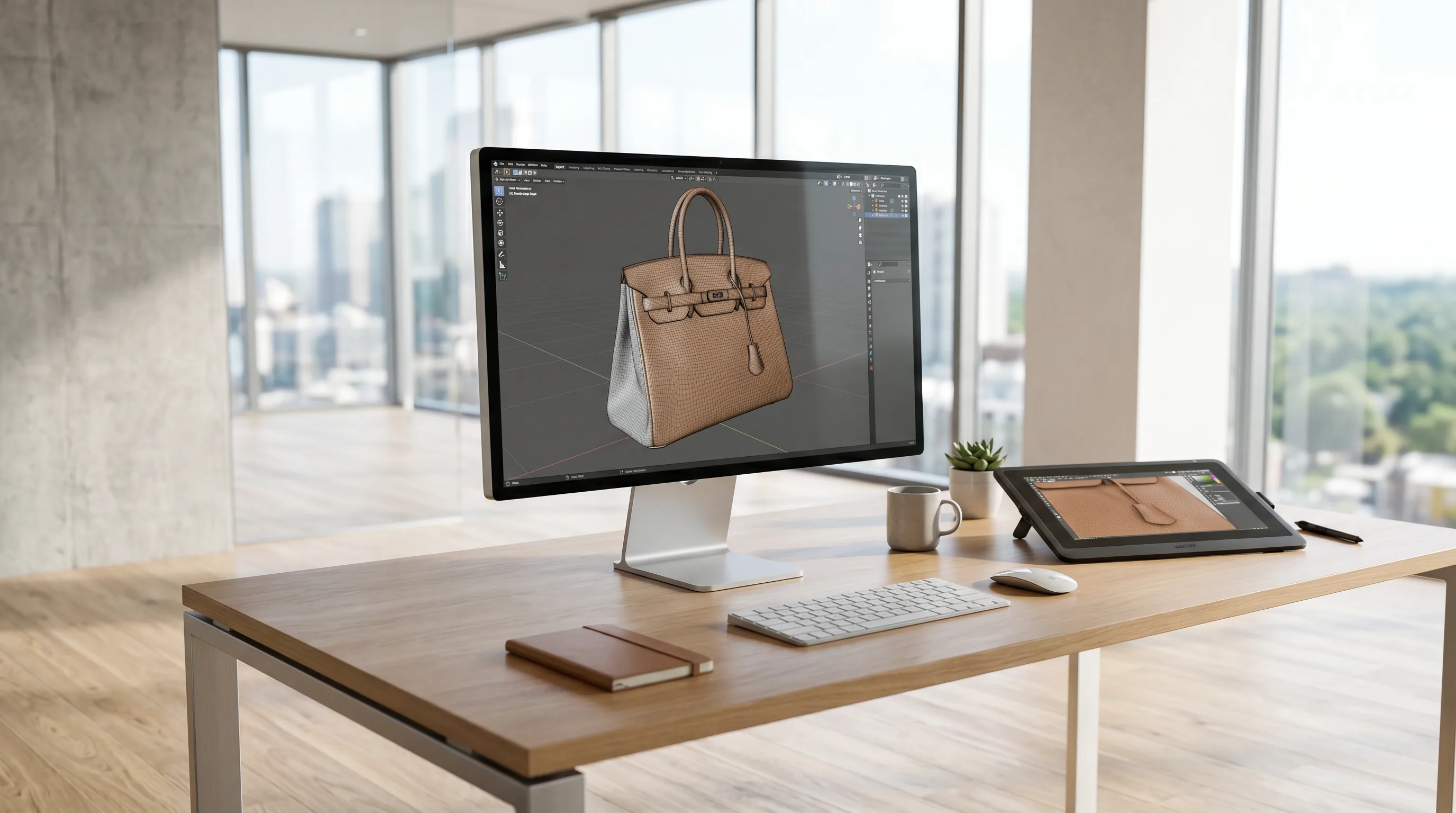
AR Try-On and Spatial Commerce: The ROI Case for Retail in 2026
AR try-on has crossed from gimmick to conversion tool. Here is the ROI data on conversion and returns, plus the three ways retailers can build it.
Get in touch
We’re interested to see how we can help. Send us a message and we will get back to you within 24 hours.