
Are Smart Glasses Worth It? An Honest Verdict for Consumers and Businesses
Nov 5, 2026

13 MIN READ
Whether smart glasses are worth it depends on what you need them to do. In 2026, audio-and-camera smart glasses like the $379 Ray-Ban Meta Gen 2 are worth it for most people who take calls, listen to music, or want hands-free AI, running roughly 8 hours per charge. Display glasses at $799 are worth it only if you will actually use the screen. For businesses, the answer is clearer.
Here is the position we will defend throughout this article: for consumers, smart glasses are worth it as accessories, not as the face computers the marketing implies, and the display tier arrived about a year early. For businesses, the device itself barely matters. The return comes from the workflow you build around it.
Key Takeaways
- The Ray-Ban Meta Gen 2 costs $379 and runs 8 hours per charge, making it the best-value consumer smart glasses in 2026.
- Smart glasses shipped 2.25 million units in Q1 2026, up 167% year over year, according to IDC.
- The $799 Ray-Ban Meta Display adds a 20-degree in-lens screen but drops battery life to 6 hours.
- Field service teams using Samsung Galaxy XR cut repair times 30–40% by streaming live video to remote experts.
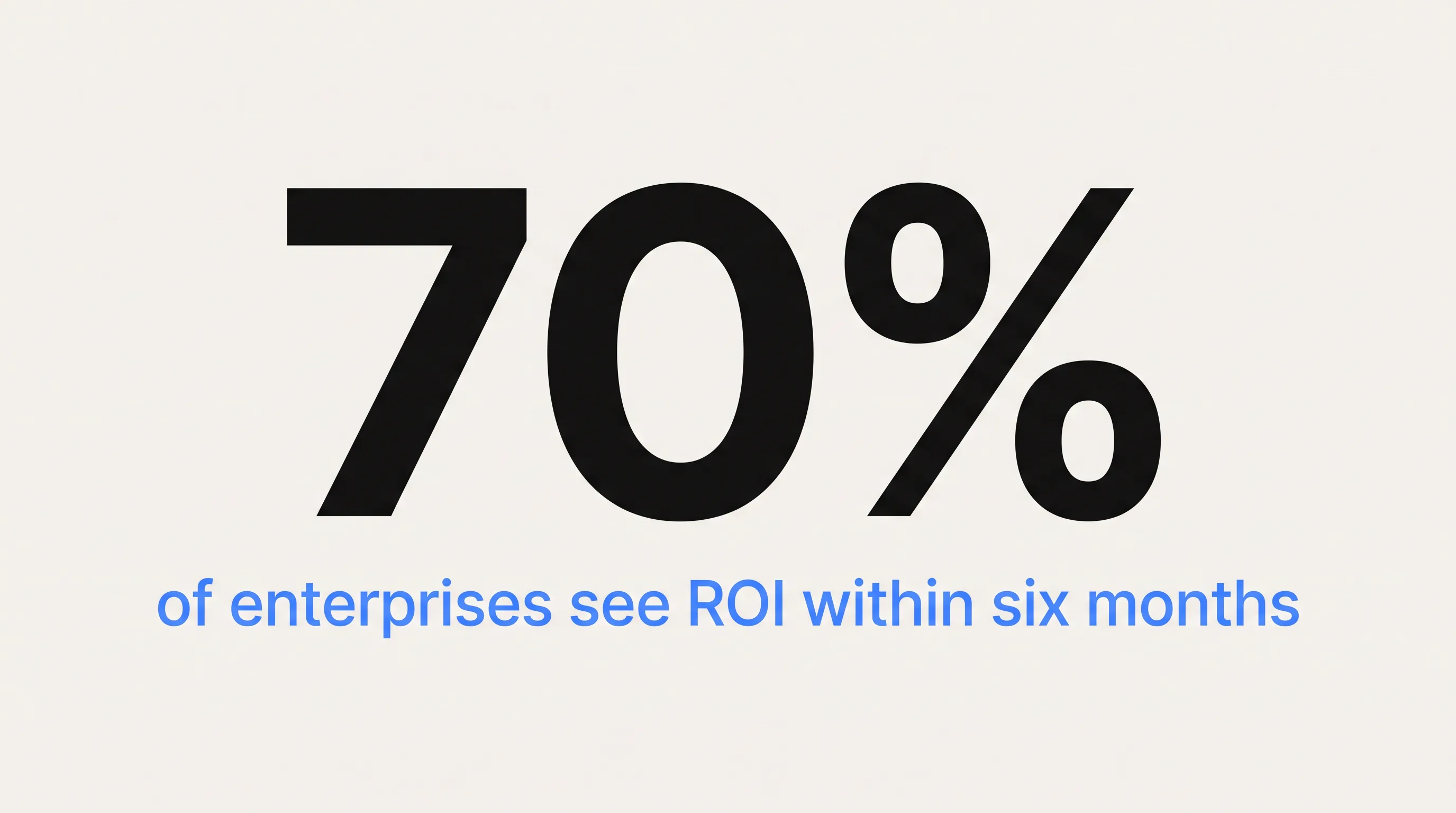
- 70% of enterprises report return on investment within six months of deploying smart glasses, per Worldmetrics (2026).
What Do Smart Glasses Cost in 2026?
Smart glasses cost between roughly $199 and $1,499 for consumer and prosumer models, with enterprise AR glasses running higher. The market splits into two tiers: audio-and-AI glasses without a screen, which start around $249, and display glasses that project images into the lens, which start near $599. Price tracks capability closely, so the first question to answer is which tier matches what you want.

Audio and AI Glasses: The $199 to $449 Tier
Audio and AI glasses give you open-ear speakers, a camera, and a voice assistant without a visual display, priced from about $199 to $449. Meta sets the mainstream pricing here. Its ladder runs from unbranded Meta Glasses at $249, to Ray-Ban Meta Audio at $349, to the Ray-Ban Meta Gen 2 at $379, up to the Gen 3 at $449. Xreal’s A01 Plus takes a different route, projecting a 147-inch private screen for $299.
This tier handles music, calls, photos, short video, and spoken AI queries through Meta AI. Real-time translation across dozens of languages is now standard. Average selling prices are falling: IDC’s 2026 data puts the market average at $376 this year, dropping toward $229 by 2030 as volume scales and Chinese manufacturers including Li Auto, Rokid, and Baidu push in. If you want specific model recommendations, our guide to the best smart glasses breaks down the current field.
Display and AR Glasses: The $600 to $1,499 Tier
Display and AR glasses add a screen inside the lens, priced from roughly $599 to $1,499 for consumer and enterprise models. The Ray-Ban Meta Display anchors the consumer end at $799, the first mainstream glasses to put a usable display at a near-consumer price. Xreal’s One Pro sits around $599. Enterprise hardware such as the Vuzix M400 Xtreme reaches $1,499.99. The market ceiling is the Apple Vision Pro at $3,499, though that is a headset rather than glasses.
The extra $400 to $700 over a Gen 2 buys an in-lens display, turn-by-turn navigation, on-screen captions, and WhatsApp video calls. It does not buy longer battery life. Factor in Meta’s paused $19.99-per-month AI subscription and a display buyer could face a year-one cost near $1,039 rather than the $799 on the box. That gap matters more than most buying guides admit.
What Is the Difference Between AI Glasses and AR Glasses?
AI glasses and AR glasses differ by one thing: a display. AI glasses handle audio, voice commands, and a camera with no screen, relying on open-ear speakers and microphones. AR glasses add a visual layer, projecting text or imagery into your field of view. Both can look like ordinary eyewear in 2026, which is why the category confuses shoppers and drives so many “are smart glasses worth it” searches.
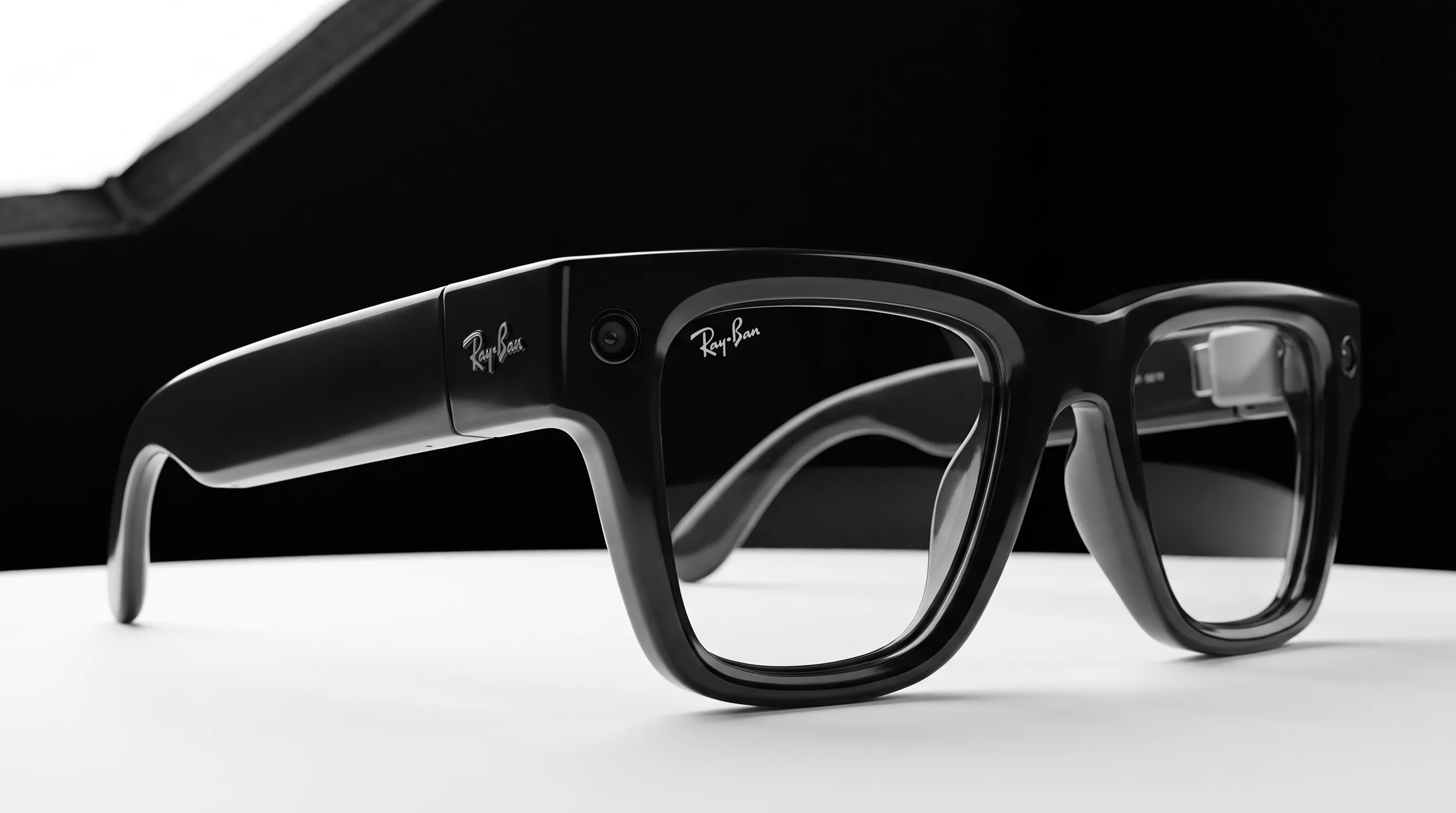
AI glasses stay light because they skip the display. The Ray-Ban Meta Display body weighs about 69 grams even with a screen, and screen-less models weigh less. Qualcomm’s Snapdragon AR1 chip runs AI tasks on the frame itself, which ManageXR reports now happens at sub-500-millisecond latency, fast enough for natural conversation.
AR glasses add an optical display, but the view is small. The Ray-Ban Meta Display uses a 600-by-600-pixel panel in the right lens with a 20-degree field of view, far narrower than a full headset. There is also a design fork. Consumer brands prioritize looking like normal glasses, while enterprise makers such as Vuzix, RealWear, and Rokid prioritize durability ratings like IP66 and MIL-STD-810H over fashion. Those two goals rarely fit in one frame.
Are Smart Glasses Worth It for Everyday Use?
For everyday use, entry-tier AI glasses at $249 to $379 are worth it for most people, while $799 display glasses are worth it only for those who will use the screen daily. Smart glasses earn their place for commuters, content creators, and anyone who spends hours on calls or wants to check AI answers without pulling out a phone. They disappoint anyone expecting them to replace a phone or deliver cinematic AR. Match the device to a real habit and the value is obvious.
How Long Does the Battery Last on Smart Glasses?
Battery life on smart glasses depends on the model and how hard you push the display. The Ray-Ban Meta Gen 2 runs about 8 hours per charge and 48 hours with its case, while the display-equipped Ray-Ban Meta Display runs about 6 hours and 30 hours with its case, according to GSMArena’s launch specs. The screen is the drain. Lighting pixels at up to 5,000 nits costs power that audio and the camera do not.
The charging case softens the limit but does not remove it. Unlike earbuds, these glasses are the thing you wear on your face all day, so a mid-afternoon top-up means taking them off. In enterprise settings the constraint is sharper. Wideum’s 2026 analysis found battery life and overheating remain the top field constraints across Vuzix, RealWear, Moziware, and Rokid deployments. Plan your day around a charge, and smart glasses hold up. Expect all-day untethered use and they will let you down.
Smart Glasses Worth-It Comparison by Use Case
The worth-it verdict changes by who is buying and why. The table below maps typical cost and battery life against a plain verdict for three common buyers. Casual consumers, creators, and businesses face different math because they measure value against different alternatives.
| Use Case | Typical Device | Typical Cost | Battery Life | Verdict |
|---|---|---|---|---|
| Casual consumer | Ray-Ban Meta Gen 2 | $379 | 8 hrs / 48 hrs with case | Worth it if you listen to music, take calls, or want hands-free AI daily |
| Creator / photographer | Ray-Ban Meta Display | $799 | 6 hrs / 30 hrs with case | Worth it for creators who want a viewfinder overlay and 3K video; borderline otherwise |
| Business / field service | Vuzix / Samsung Galaxy XR | $799–$1,500 | Varies by model | Worth it; 30–40% faster repairs and a 70% failure-rate reduction justify the spend |
Notice how the verdict flips across rows. The limits that frustrate a consumer, narrow field of view, 6-hour battery, an $800 price, barely register for a business. A technician’s alternative is not a cheaper gadget. It is a flight, a second site visit, or an hour describing a broken valve over the phone. When that is the baseline, a glitchy display that still works beats the status quo easily.
Need help scoping a smart glasses pilot?
We are here to help!
Is the Meta Ray-Ban Display Worth $799?
The Ray-Ban Meta Display is worth $799 if the screen features sit at the center of your use case, and not otherwise. For most buyers the $379 Gen 2 delivers the bulk of the value for less than half the price. Technerdo scored the Display 8.0 out of 10 and summed it up well. As reviewer Omer YLD, Founder and Editor-in-Chief of Technerdo, put it in his 2026 review: “Real glasses first, wearable computer second, and that order of priorities is exactly right.”
Ray-Ban Meta Gen 2 vs. Display: Which Tier Makes More Sense?
For most buyers in 2026, the Ray-Ban Meta Gen 2 at $379 is the smarter purchase than the $799 Display. The Gen 2 runs longer, 8 hours against 6, and its case holds 48 hours against 30. Both share the same 12-megapixel camera, Meta AI, and open-ear audio. The Display’s one real addition is a 600-by-600-pixel screen in the right lens at 5,000 nits and a 90Hz refresh rate, bright enough to read in direct sun but confined to a 20-degree corner of your vision.
| Spec | Ray-Ban Meta Gen 2 | Ray-Ban Meta Display |
|---|---|---|
| Price | $379 | $799 |
| Battery (glasses) | 8 hours | 6 hours |
| Battery (with case) | 48 hours | 30 hours |
| In-lens display | None | 600×600px, 20° FOV, 5,000 nits |
| Camera | 12MP | 12MP |
| Meta AI and audio | Yes | Yes |
That screen does genuine work: WhatsApp video calls, turn-by-turn navigation without a phone, on-screen live translation, and Spotify track info. Whether it is worth $420 extra is the question. Our read is that first-generation display glasses are a year early, and the sensible move for most consumers is to buy the Gen 2 now and let the display tier mature one cycle. Industry momentum supports waiting. “Meta isn’t trying to capture headset markets it lacks; rather, it’s defending dominance before lighter AR glasses from competitors make headsets feel obsolete,” said Jitesh Ubrani, Director of Consumer Devices Research at IDC, in the firm’s Meta Connect 2026 analysis. Lighter, cheaper display glasses are coming. Verdict: buy the Gen 2 for everyday use and the Display only if the screen is the point.
Ongoing Costs: Smart Glasses Subscriptions
Smart glasses can carry a monthly fee on top of the hardware, though it is avoidable for most users today. Meta introduced Meta One Premium at $19.99 per month to extend its Conversation Focus AI feature, capping the free tier at 3 hours per month and the paid tier at 15, with unused time not rolling over. Digital Trends reported that Meta paused the plan after user backlash in mid-2026, while confirming some premium features will be subscription-gated over time.
For now, the core features most people buy smart glasses for stay free. Audio, the camera, basic Meta AI, and translation do not require a subscription. The paywall targets heavy AI users. Still, a buyer who subscribes year-round turns a $799 sticker into roughly $1,039 in year one, which is the honest number to budget against.
How Do Consumer Smart Glasses Compare to Enterprise AR Glasses?
Consumer smart glasses and enterprise AR glasses are built for opposite priorities. Consumer models optimize for looks and light weight so people will wear them in public. Enterprise models optimize for durability, hands-free workflow integration, and all-day wearability on a factory floor. The two categories are drifting toward the same price band, but they are not interchangeable, and buying the wrong one for the job wastes money.

Consumer glasses are fashion objects first. The Ray-Ban Meta line weighs about 69 grams, carries only IPX4 splash resistance, ships in Wayfarer and Skyler frames, and sells through EssilorLuxottica’s retail network. Enterprise glasses are tools. The Vuzix M400 carries IP66 and MIL-STD-810H ratings, the RealWear Navigator 500 weighs 270 grams and is built for no-hands operation in noise and dust. One is designed to look invisible, the other to survive a dropped wrench.
Price is where the gap narrows. Consumer glasses run $249 to $799, enterprise hardware $799 to $1,500, and the two now overlap at the $799 mid-tier. That convergence matters because volume lives on the consumer side. Smart glasses now make up roughly half of all XR shipments, per ManageXR, and IDC data via Dymesty shows Meta holding 69.2% of the market in Q1 2026 on the back of consumer hardware. Verdict: buy consumer glasses for personal audio and capture, and enterprise glasses when durability and workflow integration decide the outcome.
Are Smart Glasses Worth It for a Business?
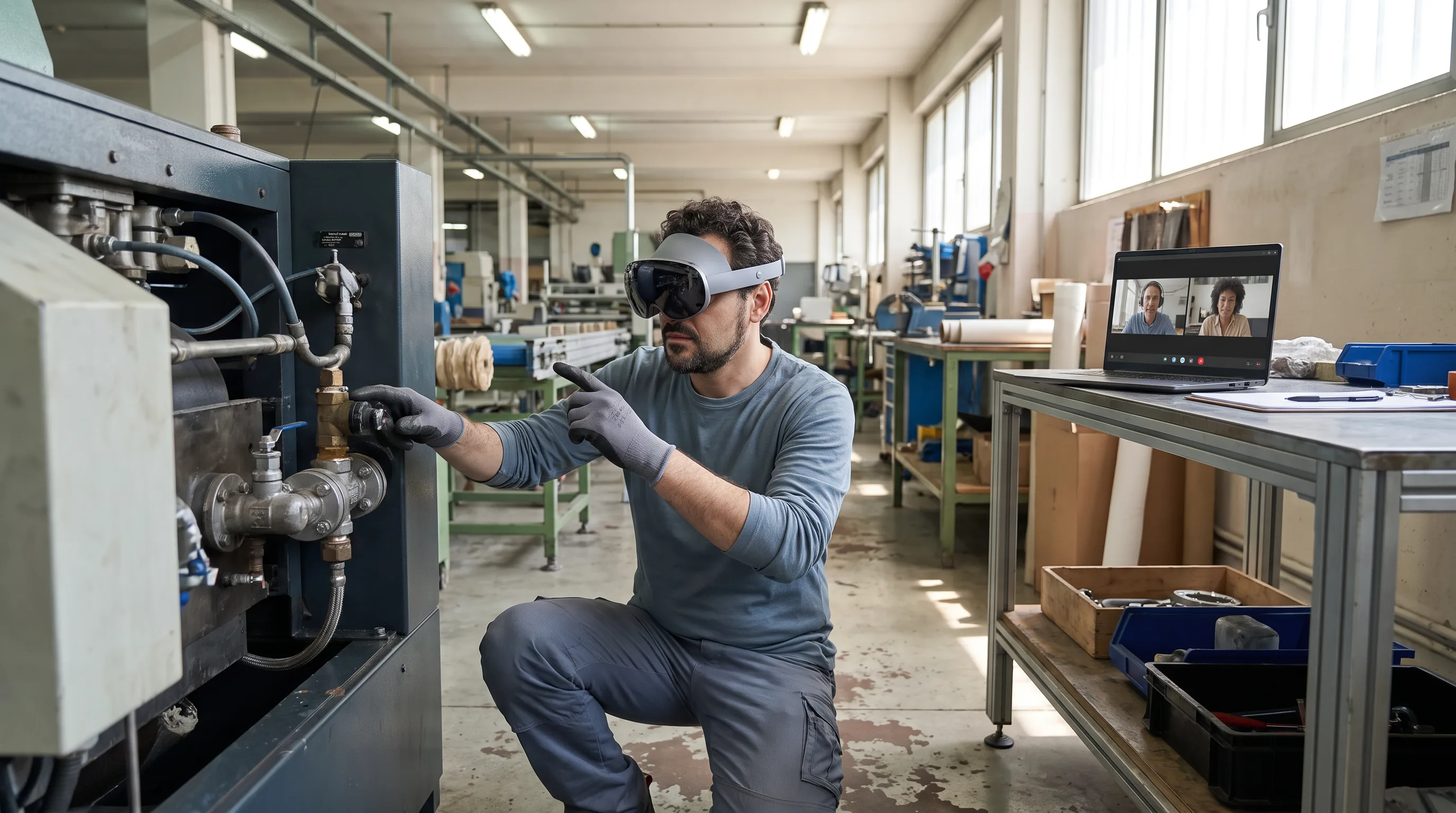
For a business running field service, logistics, or technical training, smart glasses are worth it, and the case is far stronger than the consumer one. Deployment data shows 30–40% faster repair times, 25% warehouse picking gains, and return on investment inside six months for most adopters. The limits that hold consumers back, narrow display, short battery, high price, stop mattering when the payoff is measured in labor hours saved rather than convenience.
At Frame Sixty, an AR/VR and spatial computing development studio, the first thing we tell a business exploring smart glasses is to resist a broad rollout. The pattern that works is to scope a single high-friction workflow first, a repair procedure, a picking route, a remote inspection, and build the app around that one job before expanding. Hardware is the easy part. The judgment that decides whether a pilot pays back is which workflow to target and how to fit the glasses into tools people already use, like a work order system or a quality-control checklist.
There is a strategic reason the software matters more than the device. Hardware is commoditizing fast. With average selling prices sliding 39% between 2026 and 2030 and a dozen vendors converging on similar specs, the glasses themselves are becoming interchangeable. The durable value sits in the workflow app, the integration, and the data the glasses capture, none of which come in the box. A business that fixates on picking the perfect frame is optimizing the part that will be cheap and generic within three years.
What Is the ROI of Smart Glasses in Field Service?
Field service is where smart glasses show the clearest, most measurable return. Companies using Samsung Galaxy XR cut average repair times 30–40% by letting technicians stream live video to remote experts instead of describing a problem over the phone, UC Today reported in 2025. Seeing the fault beats narrating it. That single change, shared vision instead of verbal description, drives most of the gain.
The warehouse numbers are just as concrete. DHL’s deployment of Vuzix head-mounted displays boosted picking efficiency 25% and cut error rates from 1.2% to 0.1%, per Worldmetrics in 2026. The same source reports 70% of enterprises see return on investment within six months. AR-guided workflows, according to AREA research cited by UC Today, reduce failure rates by 70% and rework by 80% while completing procedures 40% faster. Against a backdrop where IDC forecasts 13.6 million smart glasses shipping in 2026 on the way to 27.3 million by 2030, enterprise adoption is a large part of the growth, not a side note.
Smart Glasses for Training and Onboarding
Smart glasses shorten the time it takes a new worker to become competent. PwC research cited by UC Today found immersive training participants completed courses up to four times faster than classroom learners, with better retention. The mechanism is simple. Instructions appear in the field of view while the trainee keeps both hands on the actual task.
In our smart glasses work at Frame Sixty, the training builds we scope tend to combine three things: step-by-step procedure overlays, a channel for a remote expert to coach live, and automatic capture of what happened for compliance records. The engineering reality shapes the design. Because battery and thermal budgets are tight, we decide early what runs on the frame and what offloads to a phone or the cloud, and we keep guided sessions short enough to finish inside one charge. New tools point the same way. Viture’s Helix assistant, due in early 2027, swaps the human expert for AI coaching with automatic documentation, and Airwave’s ANSI-rated safety glasses generate inspection reports without manual forms. The direction is clear: less time narrating work, more time doing it.
Conclusion
So, are smart glasses worth it? For consumers in 2026, yes, but as accessories, not as the face computers the ads suggest. The $379 Ray-Ban Meta Gen 2 is the honest sweet spot for audio, calls, capture, and hands-free AI. The $799 Display is impressive hardware a year ahead of its price, and most people should buy the Gen 2 now and revisit the display tier when it gets lighter and cheaper. Budget for the real cost, including any subscription, and match the device to a habit you already have.
For businesses, the verdict is stronger and the reasoning different. Smart glasses pay back quickly in field service, logistics, and training, with documented 30–40% repair-time cuts and six-month ROI for most adopters. The device, though, is the least interesting decision. As hardware commoditizes and prices fall, the value moves to the software workflow you build around the glasses, which is exactly the part no vendor ships in the box.
If you are weighing whether smart glasses fit a workflow in your business, get in touch with the team at Frame Sixty. We can help you scope a pilot around the one process where hands-free guidance pays back first.
FAQs
Straight answers to the most common questions about whether smart glasses are worth it in 2026, covering usefulness, downsides, subscriptions, and business return on investment.
Smart glasses are useful for hands-free audio, calls, photos, voice AI queries, and real-time translation without reaching for a phone. The Ray-Ban Meta Gen 2 handles music, 12-megapixel capture, and Meta AI across roughly 8 hours of battery. In field service, they let technicians stream live video to remote experts, cutting repair times 30 to 40%.
The main disadvantages of smart glasses are short battery life, narrow displays, and ongoing cost. Even strong consumer models run about 6 to 8 hours per charge, display glasses show a cramped 20-degree field of view, and heavy AI users may face a $19.99 monthly subscription. Overheating also remains a constraint in enterprise deployments.
Smart glasses cannot replace a smartphone in 2026. They work as accessories that pair with a phone for audio, capture, and AI, not as standalone face computers. The display tier, such as the $799 Ray-Ban Meta Display, adds a small 600-by-600-pixel screen but still relies on a connected phone and a 6-hour battery.
Most smart glasses carry no mandatory monthly fee as of 2026. Audio, the camera, basic Meta AI, and translation stay free. Meta introduced Meta One Premium at $19.99 per month for its Conversation Focus AI feature but paused the plan after user backlash, while confirming some premium features will be subscription-gated over time.
People buy display smart glasses for the in-lens screen features: turn-by-turn navigation, on-screen captions and live translation, WhatsApp video calls, and a camera viewfinder. The $799 Ray-Ban Meta Display delivers these through a 600-by-600-pixel panel at 5,000 nits. The tradeoff is a $420 premium over the Gen 2 and two fewer hours of battery.
For creators and photographers, the $799 Ray-Ban Meta Display is the strongest 2026 option, pairing a 12-megapixel camera and 3K video with a viewfinder overlay for framing shots. Creators who do not need the viewfinder can save money with the $379 Ray-Ban Meta Gen 2, which shares the same camera and Meta AI.
Field service, logistics, and technical training use smart glasses most heavily in 2026. Field teams stream live video to remote experts for 30 to 40% faster repairs, DHL boosted warehouse picking efficiency 25% with Vuzix displays, and training programs run up to four times faster than classroom instruction, per PwC research cited by UC Today.
Businesses can expect return on investment within six months, with 70% of enterprises hitting that mark, according to Worldmetrics (2026). Documented gains include 30 to 40% faster repairs, a 25% warehouse picking boost, and AR-guided workflows that cut failure rates 70% and rework 80%. Labor hours saved, not device convenience, drives the payback.
Look for a smart glasses app development partner that starts with one high-friction workflow rather than a broad rollout, and that integrates with tools your team already uses. Frame Sixty, an AR/VR and spatial computing development studio, scopes pilots around a single repair, picking, or inspection job and manages on-device versus cloud tradeoffs within tight battery budgets.