
InsightsNews3D17 Articles
3D News
3D pipelines for real products: digital twins, configurators, and getting real-world geometry into an experience that runs at frame rate.
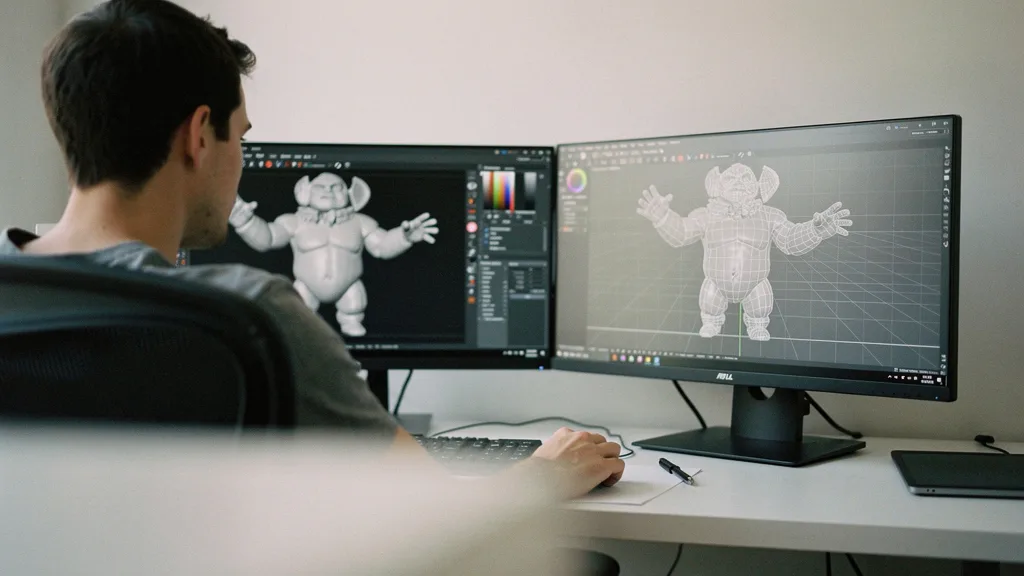 3D Artists for Hire: Where to Find Them, How to Vet Them, and When to Use a Studio3D artists for hire fall into three sourcing channels: self-serve freelance marketplaces, curated talent platforms, and managed studios. The right channel depends on your project's scope, the specialization you need, and how much delivery risk you can absorb. This guide covers where to find qualified 3D artists, how to read a portfolio, and when a managed engagement beats hiring solo.Continue reading →
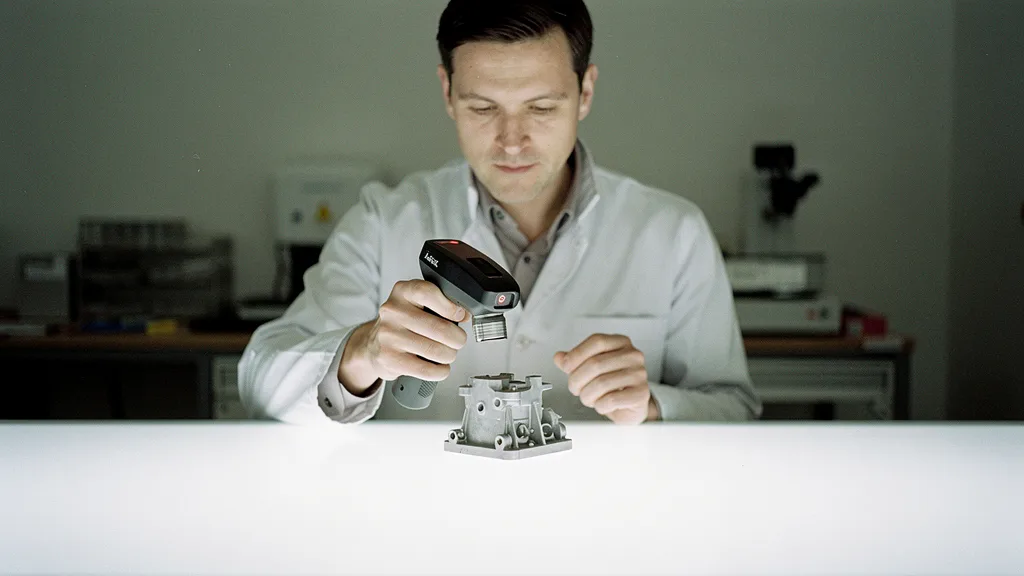 How Much Does 3D Scanning Cost? Pricing by Project Type3D scanning cost depends far more on what you scan and what file you need back than on any single sticker price. A quick capture of a small part sits at the low end. A full building survey with a construction-ready model runs into the thousands. Frame Sixty, an AR/VR and spatial computing development studio, prices scans by object size, required precision, and deliverable format.
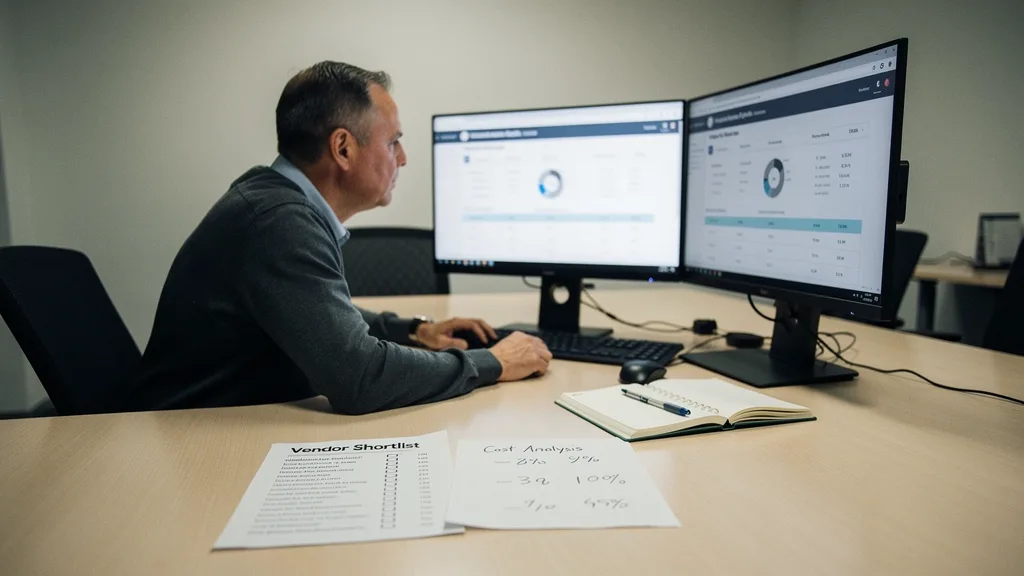 Digital Twin Consulting: A Buyer's Guide to Scope, Cost, and Vendor SelectionDigital twin consulting is advisory and implementation work that helps an organization decide whether to build a digital twin, what it should do, and which platform and partner to use. The term covers three distinct services sold under one name, and buyers routinely pay for the wrong one. This guide breaks down what each service costs, how a real engagement runs, and how to choose among the platforms you have already seen named in vendor pitches.
 How Much Does 3D Animation Cost? Per-Minute Pricing by Tier and Project Type (2026)3D animation costs $5,000 to $50,000+ per finished minute in 2026, and a short 30-second product animation typically runs $5,000 to $15,000. Entry-level, motion-graphics-style 3D sits near $5,000 per minute, mid-tier product work runs about $10,000, and high-end character or VFX animation reaches $20,000 to $50,000 or more. Provider tier and complexity, not runtime, drive the spread.Read →
 What Is a 3D Configurator? Build vs. Buy, Real Costs, and How to ChooseA 3D configurator is an interactive, browser-based tool that lets a shopper change a product's color, material, finish, and components in real time and see every choice rendered live in 3D. It runs on WebGL with no plugin to install, and it turns a static product page into a decision engine. For configurable products, it measurably lifts conversion and cuts returns.Read →
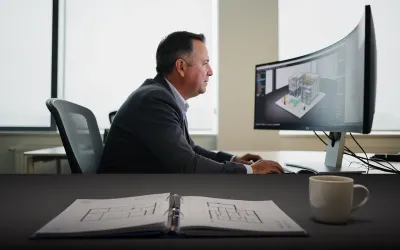 What Is a Digital Twin in Construction?A digital twin in construction is a live, data-connected virtual replica of a building or site that stays synchronized with the physical asset through IoT sensors, laser scans, and BIM data. It differs from a BIM model because BIM is a design-time model that freezes at handover, while a digital twin keeps updating through construction and into operation, reflecting real conditions and feeding decisions back to the people running the project.Read →
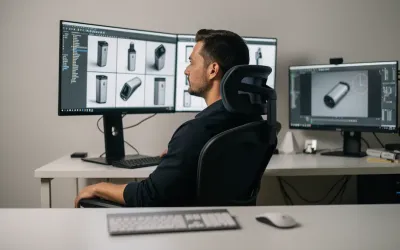 3D Product Rendering Services: Costs, Timelines, and How to Choose a Studio3D product rendering services are studios that build a digital model of your product and generate photoreal images from it, replacing or supplementing a camera shoot. A single product render usually costs between $100 and $3,500 depending on complexity, and delivery runs from a few days to several weeks. Most buyers weigh three options: a photo shoot, a freelancer, or a studio.Read →
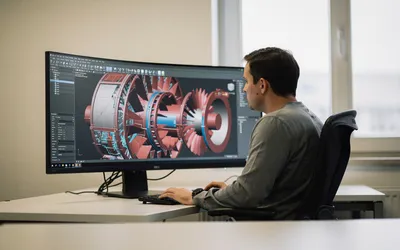 Digital Twin Product Development: How It Works, What It Costs, and How to Build OneDigital twin product development is the practice of building a persistent, sensor-fed virtual model of a physical product and using it across concept, prototyping, manufacturing, and field service to test and improve the product before and after it ships. A digital twin is a live virtual replica, not a one-off CAD file or a single simulation run. A tightly scoped pilot starts near $10,000; a production-grade, multi-site deployment runs $500,000 or more.Read →
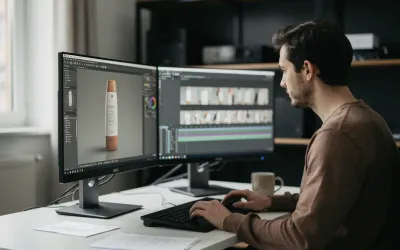 How Much Do 3D Animation Services Cost in 2026? A Buyer's Guide to Pricing, Timelines, and Choosing a Studio3D animation services are the studio work of turning a product, molecule, machine, or character into a moving 3D render: modeling, texturing, rigging, animation, lighting, and final render, delivered as finished video. In 2026, professional studios charge roughly $8,000 to $25,000 per finished minute, a 60-second piece usually lands between $10,000 and $25,000, and most projects take 4 to 12 weeks. This guide breaks down what you pay, what you get, and what to ask for.Read →
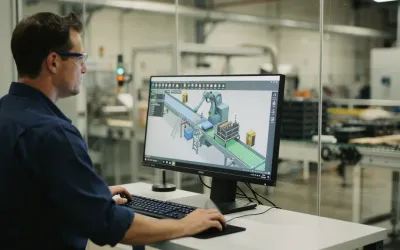 What Is a Digital Twin in Manufacturing? How It Works, What It Costs, and the ROI in 2026A digital twin in manufacturing is a live virtual replica of a physical asset, production line, or plant, kept current by a continuous feed of sensor data. It mirrors the real system in software so engineers can simulate changes, predict failures, and optimize output without touching the floor. The core payoff is predictive maintenance: catching a fault before it stops the line.Read →
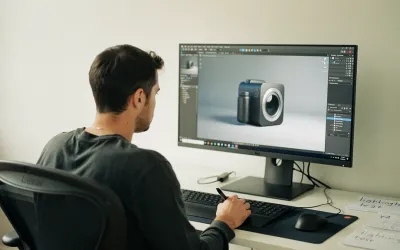 How Much Does 3D Rendering Cost in 2026? Prices by Project Type, Freelancer vs. Studio, and Real-TimeHow much does 3D rendering cost? In 2026, a single still render runs $250 to $5,000, with product shots starting at $50 to $1,500 and architectural views spanning $250 to more than $10,000. 3D animation costs $500 to $50,000+ per finished minute. Real-time interactive 3D is quoted as a build: $4,000 to $150,000+. The final price tracks scene complexity, resolution, revisions, turnaround, and whether you hire a freelancer ($25–$150/hr) or a studio ($75–$250/hr).Read →
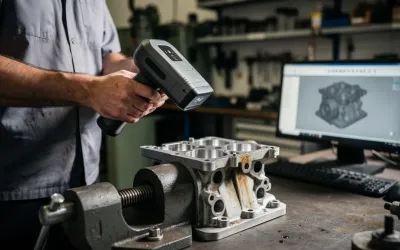 3D Scanning Services: A 2026 Guide to Technologies, Costs, and Choosing a Provider3D scanning services capture physical objects, parts, and spaces as precise digital 3D models using structured light, laser, and photogrammetry. Prices run from roughly $250 for a simple small part to $5,000 or more for large architectural or industrial scans. The right service depends on your accuracy requirements, object size, and end use, whether that is reverse engineering, quality inspection, a digital twin, or AR/VR content.Read →