
Digital Twin Consulting: A Buyer's Guide to Scope, Cost, and Vendor Selection
Sep 15, 2026
15 MIN READ
Digital twin consulting is advisory and implementation work that helps an organization decide whether to build a digital twin, what it should do, and which platform and partner to use. The term covers three distinct services sold under one name, and buyers routinely pay for the wrong one. This guide breaks down what each service costs, how a real engagement runs, and how to choose among the platforms you have already seen named in vendor pitches.
Here is the position this guide will defend: most digital twin projects fail not because the technology is immature, but because the buyer hires the wrong type of consultant and skips the data audit. The technology works. The scoping is what breaks.
Key Takeaways
- Digital twin consulting splits into three services — strategy, platform integration, and real-time 3D visualization — and each solves a different problem.
- A single-asset pilot costs $45,000–$100,000; enterprise multi-site deployments reach $250,000–$500,000+ (Azilen, 2026).
- Around 80% of digital twin projects fail to reach full deployment, usually from poor data readiness, not technology limits (M Accelerator, 2026).
- Azure Digital Twins and Bentley iTwin are the only major platforms with published pricing (Reliamag, 2026).
- If your sensors do not exist or your CAD is stale, fix the data before hiring anyone.
What Is Digital Twin Consulting? The Three Services Sold Under That Name
Digital twin consulting is a category, not a single service. Three different kinds of firm sell under the label: strategy advisers who produce roadmaps, platform integrators who wire data into software, and real-time 3D studios who make the twin usable by people. Each solves a different problem, produces a different deliverable, and carries a different price. Knowing which one you need is the first decision, and the one buyers most often get wrong.

The reason the mismatch matters is money. A company that needs an operator interface hires a strategy firm and gets a slide deck. A company that needs a business case hires a 3D studio and gets a beautiful model nobody trusts. The three categories are complements, not substitutes, and a good partner tells you which one your problem actually requires.
Strategy and Advisory
Strategy and advisory consulting produces the business case: the roadmap, the ROI model, and the stakeholder alignment needed before capital is committed. Large management and engineering consultancies dominate here. The deliverable is a document, not software. This work earns its fee when a board needs a defensible investment thesis or when several departments must agree on scope before anyone writes code.
Its weakness is that it stops before anything runs. You can spend six figures on a strategy engagement and still not have a working twin. For organizations that already know the use case, this phase is often overhead.
Platform Integration
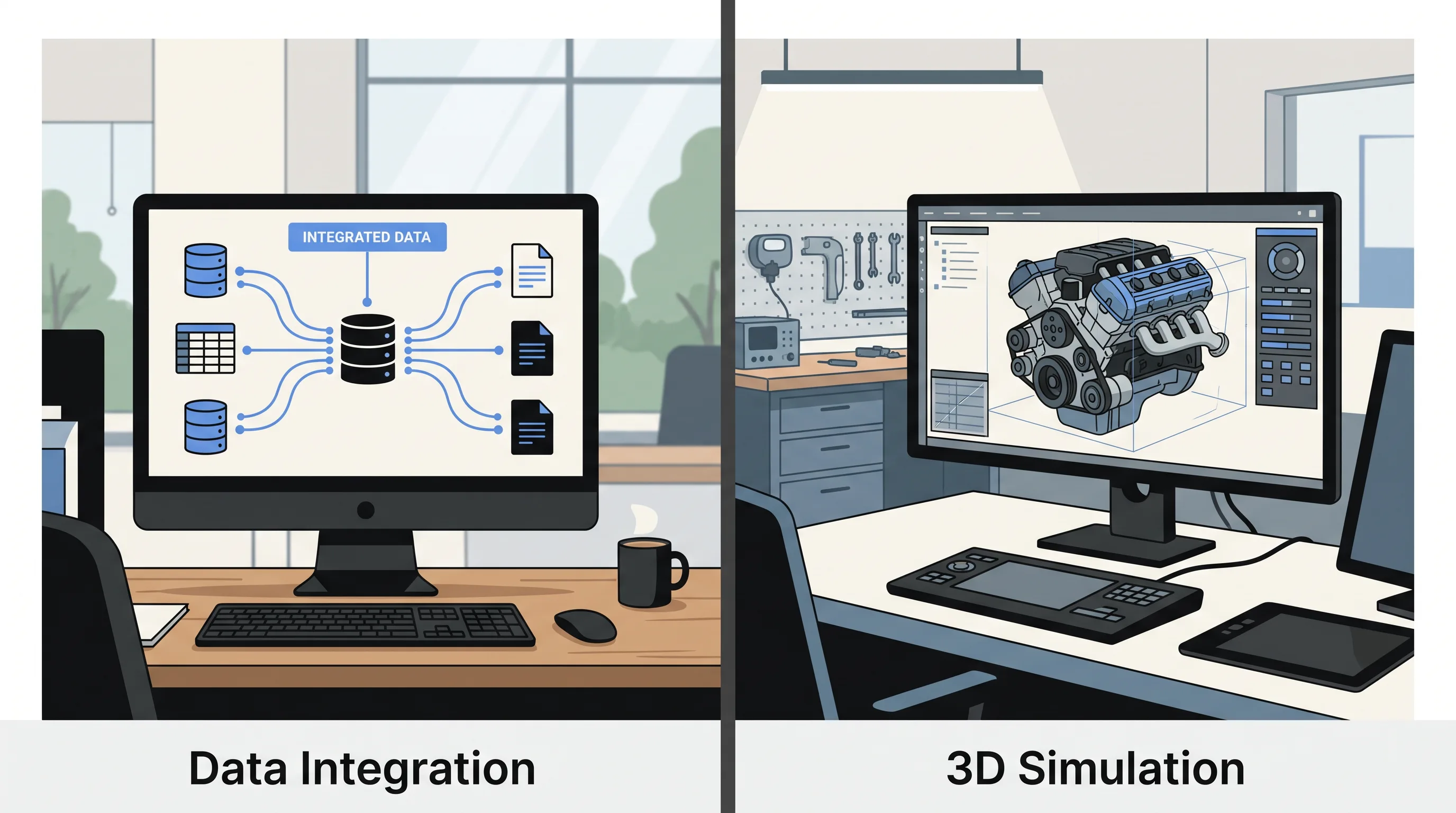
Platform integration connects your real data to a chosen platform: IoT sensor feeds, PLM records, BIM models, and historian exports flowing into Azure Digital Twins, Siemens Xcelerator, or Velotic. The deliverable is a live data model that reflects the asset in something close to real time. Logic20/20 frames this stage as aligning data, systems, and processes so the twin reflects how the business actually runs, and reports that 62% of organizations now use digital twin technology in some form (Altair survey, via Logic20/20).
Integration is essential and invisible. It does not, by itself, give an operator anything to look at or interrogate. That interface is a separate workstream, and confusing the two is a common budgeting error. Teams building twins around product data often pair this work with dedicated digital twin product development rather than treating it as one line item.
Real-Time 3D Visualization and Simulation
Real-time 3D visualization and simulation turns the connected data into something a human can use: an interactive model an operator can walk through, query, and run scenarios against. This is the layer that makes a twin a decision tool instead of a database. Frame Sixty, an AR/VR and spatial computing development studio, builds this category through its real-time 3D and spatial computing services.
The deliverable is a running twin, not a rendering. That distinction runs through the rest of this guide, because it separates twins that change decisions from twins that only look impressive in a demo.
How Much Does Digital Twin Consulting Cost?
Digital twin consulting costs vary by service type and scale, but the useful split is advice versus build. A scoping or feasibility engagement is a fixed-fee study that runs a few weeks. A build — platform plus development — is where the real money sits, ranging from around $10,000 for a proof of concept to $500,000 and beyond for an enterprise deployment (Azilen, 2026). Consulting fees and build costs are separate budgets, and conflating them produces the sticker shock that kills projects before they start.
Consulting Engagement Costs
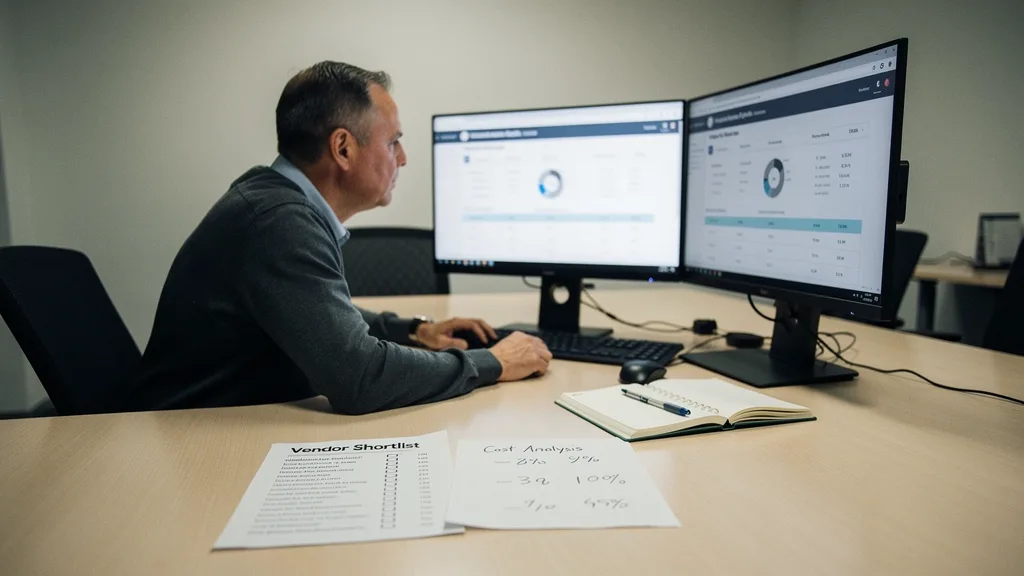
A discovery or feasibility engagement is typically priced as a fixed-fee package lasting two to eight weeks, ending in a go/no-go recommendation and a scoped plan. Broader strategy programs from generalist consultancies scale with complexity, running into five and six figures for roadmaps and multi-year phased plans before any software exists. A specialist studio often charges a discovery fee that applies toward the build if you proceed, which keeps the advice honest and the buyer’s risk low.
The question to ask is simple. Am I paying for a document or for working software? Both are legitimate. They are not the same purchase.
Build Costs by Deployment Scale
Build costs track the scale of what you are twinning. The table below uses published 2026 figures from Azilen’s cost guide.
| Deployment scale | Typical cost | Source |
|---|---|---|
| Proof of concept | $10,000–$45,000 | Azilen, 2026 |
| Single-asset pilot | $45,000–$100,000 | Azilen, 2026 |
| Mid-scale industrial | $100,000–$250,000 | Azilen, 2026 |
| Enterprise multi-site | $250,000–$500,000+ | Azilen, 2026 |
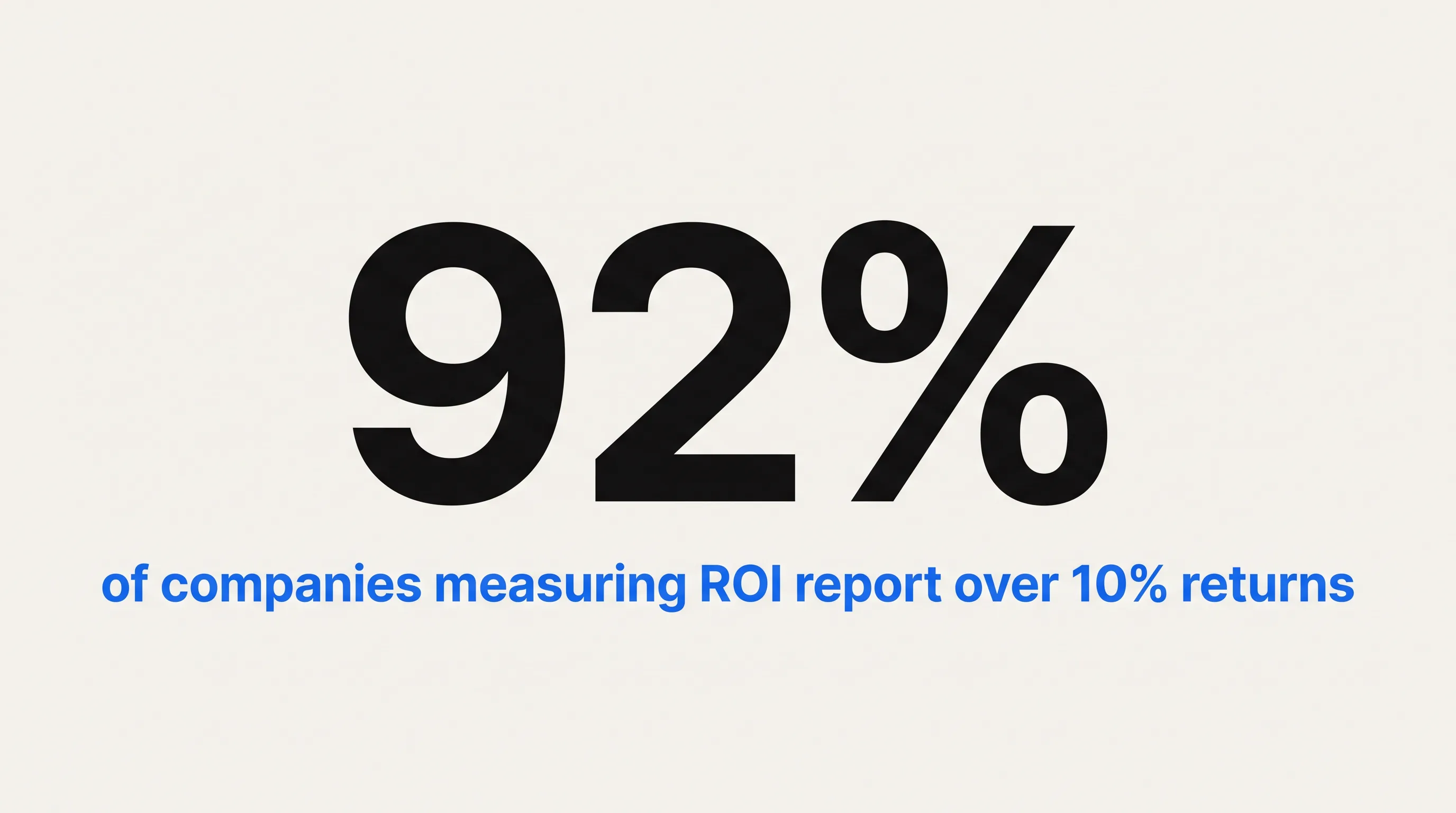
Costs also vary sharply by industry. Azilen’s 2026 cost guide puts manufacturing twins at $50,000–$500,000+, healthcare at $100,000–$1M+, construction and real estate at $1.2M–$4.2M, and energy and utilities at $5M–$45M+. The return justifies the spend for most who track it: 92% of companies measuring digital twin ROI report returns above 10%, and half report returns above 20%, according to a Hexagon survey of 660 executives cited by Azilen in 2026. Payback typically arrives within 12 to 36 months. McKinsey figures reported by MindInventory in August 2026 put operational cost reduction at up to 15% for mature deployments.
The takeaway on cost: budget the pilot as a real line item, not a rounding error, and keep the consulting fee and the build cost in separate columns.
The Four Phases of a Digital Twin Consulting Engagement
A well-run digital twin engagement moves through four phases: discovery, data audit, pilot, and scale. The order matters. Buyers who compress or skip the first two phases are the ones who later describe their digital twin as a failure. Each phase produces a specific artifact, and each has a rough duration you can hold a vendor to.

Phase 1 — Discovery and Feasibility (2–8 Weeks)
Discovery and feasibility scopes the problem before anyone builds. Over two to eight weeks, depending on asset complexity, it produces a business case, a target use case, a high-level data architecture, and a vendor shortlist. The single most important output is a go/no-go recommendation. If a prospective partner will not commit to one, treat that as a warning sign — discovery exists to tell you when not to proceed, and a firm that only ever says “proceed” is selling, not advising.
Phase 2 — The Data Audit (Where Most Projects Die)
The data audit is the phase where most digital twin projects quietly die, and almost no buyer’s guide names it. The audit checks four things: sensor coverage (are the assets actually instrumented?), CAD and BIM fidelity (is the 3D model current, or two revisions stale?), historian access (can operational data be exported without a bespoke integration?), and data latency (how old is the “real-time” feed?). Weakness in any one of these sets the ceiling on everything built afterward.
This is not a theoretical risk. Gartner predicted in 2025 that 60% of AI projects would be abandoned through 2026 because of poor data readiness, and digital twins sit squarely in that category. If the audit finds bad data, the correct move is to fix the data infrastructure first. No amount of consulting rescues a twin built on absent sensors or a stale model.
Phase 3 — Pilot on One Asset or Line (3–6 Weeks)
The pilot builds a working twin for exactly one asset or production line before any enterprise commitment. A focused pilot build typically takes three to six weeks and should deliver a live twin with a documented data model and a defined refresh latency — not a rendering. Restraint here is protective. M Accelerator’s 2026 analysis found that companies whose year-one integration costs exceeded $200,000 showed 70% lower success rates than those that started simpler. Small and real beats big and speculative.
Phase 4 — Scale
Scaling extends the proven pilot across more assets, sites, or use cases. Building a production-ready data foundation for an enterprise deployment usually takes six to nine months. Governance matters most at this stage: before signing a scale contract, establish what year-two operating cost looks like, because a twin that is cheap to pilot can be expensive to run. Scale the thing that worked, phase by phase, rather than committing to a full rollout on a single successful demo.
Platform Comparison: Azure Digital Twins, NVIDIA Omniverse, Siemens Xcelerator, Velotic, Bentley iTwin, and Ansys
The six platforms buyers most often name each solve a different problem, and choosing the wrong one adds integration cost to every phase that follows. The table below summarizes best fit, published pricing, and poor fit for each, drawn from independent 2026 comparisons.
| Platform | Best for | Pricing | Poor fit |
|---|---|---|---|
| Azure Digital Twins | Cloud IoT graphs, multi-site operations | $2.50/M operations, $1.00/M messages, $0.50/M queries (East US) | Not a visualization or simulation tool on its own |
| NVIDIA Omniverse | Physics-accurate 3D simulation, factory layout, robotics | Free for development; enterprise support unpublished | Not turnkey; needs GPU infrastructure and engineering skill |
| Siemens Xcelerator | Product, production, and performance twins on one stack | Subscription; contact Siemens | High lock-in; steep curve outside the Siemens ecosystem |
| Velotic (ThingWorx, Kepware, Proficy) | IIoT connectivity, discrete manufacturing, PLC-agnostic data | Contact sales | No longer integrated with PTC Creo and Windchill |
| Bentley iTwin | Infrastructure, BIM/GIS federation, roads, rail, utilities | Standard $199/mo; Premium $499/mo | Not built for production-line or product-lifecycle twins |
| Ansys Twin Builder | Physics-based asset twins, predictive maintenance | Contact sales | Steep engineering curve; not a data-connectivity platform |
Pricing transparency alone tells you something. Reliamag’s 2026 platform comparison notes that Azure Digital Twins and Bentley iTwin are the only major platforms publishing rates; the rest route you through sales. NVIDIA Omniverse is free to develop and redistribute, with production support gated behind a separately priced NVIDIA AI Enterprise license.
Two developments reshape this market for buyers in 2026. Siemens unveiled its Digital Twin Composer at CES 2026 built on NVIDIA Omniverse libraries and connected to MES, QMS, PLC, and IIoT sources, which means Siemens and Omniverse increasingly stack together rather than compete for complex factory twins. Separately, TPG acquired ThingWorx and Kepware from PTC for $725 million and launched Velotic on March 17, 2026, combining them with GE Vernova’s Proficy. Schnitger Corporation’s March 2026 analysis describes existing customers keeping their product lines under new ownership — but any buyer with ThingWorx in a multi-year plan should re-check support and roadmap commitments before signing. MindInventory’s 2026 platform guide reaches the same practical conclusion: identify what you are twinning before you pick the tool.
In our own work at Frame Sixty, the platform question rarely arrives clean. We sit in the visualization and simulation layer, which means we take whatever the integrator has wired up — an Azure Digital Twins graph, an Omniverse scene, a historian feed — and turn it into something an operator can actually use in a headset or on a screen. When a data feed refreshes on a slow interval, an interactive twin that promises live monitoring is misleading, so we treat refresh latency as a design constraint from the first sprint, not an afterthought. Readers weighing Omniverse for headset delivery can see how we approach spatial streaming of Omniverse twins to Vision Pro and Quest.
Need help scoping your digital twin project?
We are here to help!
Digital Twin Consulting by Industry
Digital twin consulting looks different across industries because the data sources, platforms, and constraints differ. The four sectors below account for most enterprise demand. Each has a natural platform fit and a characteristic failure mode worth knowing before you scope.
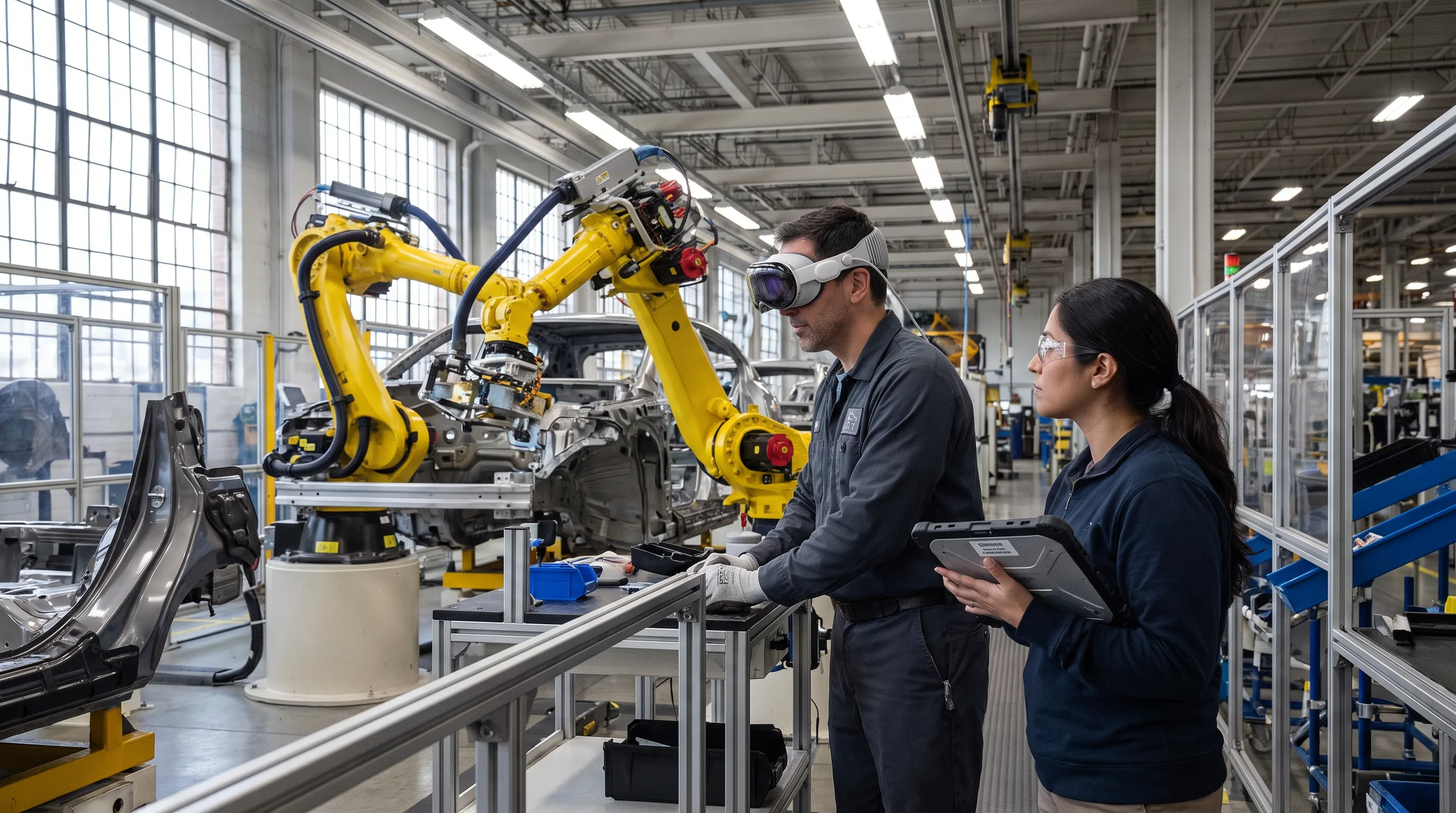
Manufacturing and Factory Floor
Manufacturing twins fit Siemens Xcelerator for full product-to-performance lifecycles, Velotic for PLC-agnostic IIoT data, and NVIDIA Omniverse for factory layout and robotics simulation. Common use cases are predictive maintenance, bottleneck analysis, and AGV routing, with build costs of $50,000–$500,000+ (Azilen, 2026). RSM reports a chocolate manufacturer that avoided a $3.5 million capital investment by testing changes in simulation first. For a deeper treatment, see our explainer on what a digital twin is in manufacturing.
Construction and BIM
Construction and BIM twins fit Bentley iTwin for infrastructure assets and Azure Digital Twins for smart-building IoT overlays. Use cases include clash detection, schedule compression, and facility handover, and Bentley’s $199/month Standard tier covers most AEC pilots. Azilen’s 2026 guide reports that on a $20 million project, digital twin coordination compressed the schedule by 12 weeks and saved $1.2 million in financing costs. Our companion post covers digital twins in construction in more depth.
Energy and Utilities
Energy and utility twins fit Azure Digital Twins for grid topology, Ansys Twin Builder for physics-based asset models like turbines and transformers, and Siemens Xcelerator for process industries. These are the largest deployments, at $5M–$45M+ (Azilen, 2026), because of infrastructure scale. The characteristic data gap is uneven sensor coverage on secondary assets even when the main historian is solid, which is exactly what a Phase 2 audit exists to surface before the budget is set.
Healthcare Facilities
Healthcare facility twins fit Azure Digital Twins for building IoT — HVAC, bed flow, equipment tracking — and real-time 3D engines for spatial simulation like operating-room throughput or evacuation modeling. Build costs run $100,000–$1M+ (Azilen, 2026), and MindInventory’s 2026 data shows 66% of healthcare executives expect rising digital twin investment over the next three years. The constraint that trips up generic platform templates is patient-data governance, which adds compliant-pipeline work most vendor defaults do not handle.
Is Digital Twin Still Relevant? What the Failure Rate Actually Tells You
Digital twin technology is mature and adoption is real, but a high project failure rate exposes a gap between strategy and execution. MindInventory’s August 2026 data shows 75% of large enterprises investing in digital twin technology and 69% of manufacturers already using it. Yet M Accelerator’s 2026 analysis estimates that 80% of digital twin projects fail to reach full deployment despite investments of $500,000 to $2 million. Both facts are true at once. Relevance is not the problem; delivery is.
The abandonment pattern is consistent across the wider category. S&P Global found that 42% of companies abandoned most of their AI initiatives in 2025, up from 17% in 2024. As Ajith Vallath Prabhakar, an AI strategist and researcher, put it in a January 2026 analysis of enterprise digital twins: “The core barrier to scaling is not infrastructure, regulation, or talent. It is learning.” M Accelerator names three failure predictors that match what practitioners see: insufficient data maturity, unstandardized processes, and unclear value quantification. None of them is a technology limit.
What separates the twins that stick is discipline, not budget. The projects that survive model the 20% of operations driving 80% of the cost, integrate simply before automating, assign one technical owner with operational credibility, and insist the pilot produce a living twin rather than a rendering. Deloitte’s June 2025 strategy report frames the same maturity gap from the demand side: only 26% of organizations currently deploy extended reality in their twin stack, even as the market is projected to grow from $13 billion in 2023 to $259 billion by 2032 (Fortune Business Insights, via Deloitte). The demand is early, not absent. The failures are self-inflicted, which means they are avoidable.
When You Should Not Hire a Digital Twin Consultant
There are three situations where hiring a digital twin consultant adds overhead instead of value, and naming them plainly matters more than winning the engagement. First, if you have one clean, well-instrumented asset and an off-the-shelf platform, go straight to a pilot — a consultant between you and the software is a tax. Second, if your CAD is stale or your sensors do not exist, no consultant can build a useful twin from missing data. Fix the data first. Spend the money on instrumentation and a current model, then revisit.
Third, if you only need a photorealistic 3D model for a presentation or a sales tool, you need a visualization studio, not a consultancy, and you should not pay advisory rates for a rendering. Where consulting genuinely earns its fee is the messy middle: multiple data sources, an unclear platform choice, or a large capital decision that needs a validated business case before commitment. If none of those describe you, keep your money and start building.
Eight Questions to Ask a Digital Twin Partner Before You Sign
Vetting a digital twin partner comes down to whether they can show a running system and tell you what happens after handover. The eight questions below separate operators from slide-makers. Ask all of them, and weigh the answers to the last one most heavily.
- Who owns the data model at handover — you, or the vendor?
- Can you show a running twin from a comparable project, not a rendering?
- What is the refresh latency on the live data feed?
- What does year-two operating cost look like after handover?
- What happens if the platform vendor changes ownership or pricing, as PTC did in 2026?
- How do you handle sensor coverage gaps found during the data audit?
- What is your go/no-go gate at the end of discovery?
- Which of the three consulting types do you actually deliver, and who do you partner with for the rest?
That last question is the one we answer most directly. Frame Sixty builds the real-time 3D visualization and simulation layer — category three — and we work alongside platform integrators rather than pretending to replace them. When a prospective client needs the data plumbing wired up, we say so and point to the right integration partner; when they need an operator-ready twin they can interrogate in a headset or on the factory floor, that is the work we take on. Buyers who want to see the project experience behind that judgment can review our background as a digital twin technology company before scoping a discovery conversation.
Conclusion
Digital twin consulting is not one purchase but three — strategy, integration, and visualization — and the most expensive mistake is buying the wrong one. Get the category right, insist on a real data audit, and pilot a single asset before committing enterprise budget. Do that, and you sidestep the failure pattern that claims an estimated 80% of projects (M Accelerator, 2026). The platforms are capable and, in Azure and Bentley’s case, transparently priced. The discipline is what separates a twin that changes decisions from a model that only looks good in a demo.
Return to the position this guide opened with: the technology works, and the scoping is what breaks. That is defensible on any client call, because the failure data points at data readiness and value definition, not at the tools. A partner who tells you when not to build is worth more than one who says yes to every engagement.
If you are weighing a digital twin and want a straight answer about whether you need strategy, integration, or the visualization layer we build, get in touch with Frame Sixty. We would rather scope the right engagement — or tell you to skip consulting and go straight to a pilot — than sell you the wrong one.
FAQs
Common questions about digital twin consulting — what it costs, how engagements run, which platform fits your sector, and when to skip consulting entirely.
A digital twin consultant advises on strategy, scope, and vendor selection, while a systems integrator wires real data — IoT feeds, PLM records, BIM models — into a platform such as Azure Digital Twins. The consultant produces a business case and roadmap; the integrator produces a live data model. Many engagements need both, plus a real-time 3D studio to make the twin usable.
Digital twin technology remains relevant and widely adopted, with 75% of large enterprises investing and 69% of manufacturers already using it (MindInventory, August 2026). The challenge is delivery, not relevance: an estimated 80% of projects fail to reach full deployment (M Accelerator, 2026), usually from poor data readiness rather than any limit of the technology itself.
Look for a digital twin consulting partner who can show a running twin from a comparable project — not a rendering — and who states clearly which of the three consulting types they deliver. Ask who owns the data model at handover, what the refresh latency is, and what year-two operating cost looks like. Frame Sixty builds the real-time 3D visualization layer and works alongside platform integrators rather than replacing them.
A single-asset digital twin pilot typically costs $45,000–$100,000, according to Azilen's 2026 cost guide. A smaller proof of concept runs $10,000–$45,000, while mid-scale industrial deployments reach $100,000–$250,000. A focused pilot build usually takes three to six weeks and should deliver a live twin with a documented data model and defined refresh latency, not just a rendering.
Digital twin consulting and the build are separate budgets. A discovery or feasibility engagement is a fixed-fee study lasting two to eight weeks that ends in a go/no-go recommendation, while broader strategy programs run into five and six figures. The build itself ranges from around $10,000 for a proof of concept to $500,000 and beyond for enterprise multi-site deployments (Azilen, 2026).
Build a digital twin business case by tying the pilot to one measurable operational cost, then modeling payback, which typically arrives within 12 to 36 months (Azilen, 2026). Among companies tracking ROI, 92% report returns above 10% and half report returns above 20% (Hexagon survey of 660 executives, 2026). Scope the 20% of operations driving 80% of cost first.
For manufacturing and factory-floor digital twins, Siemens Xcelerator suits full product-to-performance lifecycles, Velotic (formerly PTC ThingWorx) handles PLC-agnostic IIoT data, and NVIDIA Omniverse covers factory layout and robotics simulation. Common use cases are predictive maintenance and bottleneck analysis, with build costs of $50,000–$500,000+ (Azilen, 2026). Match the platform to what you are twinning before committing.
For construction, BIM, and infrastructure digital twins, Bentley iTwin fits infrastructure assets while Azure Digital Twins suits smart-building IoT overlays. Bentley's $199/month Standard tier covers most AEC pilots. Azilen's 2026 guide reports that on a $20 million project, digital twin coordination compressed the schedule by 12 weeks and saved $1.2 million in financing costs.
For healthcare and hospital facility digital twins, Azure Digital Twins suits building IoT such as HVAC, bed flow, and equipment tracking, paired with real-time 3D engines for spatial simulation like operating-room throughput. Build costs run $100,000–$1M+ (Azilen, 2026). The main constraint is patient-data governance, which adds compliant-pipeline work most vendor platform defaults do not handle.
Get in touch
We’re interested to see how we can help. Send us a message and we will get back to you within 24 hours.