
How Much Do 3D Animation Services Cost in 2026? A Buyer's Guide to Pricing, Timelines, and Choosing a Studio
Aug 6, 2026
12 MIN READ
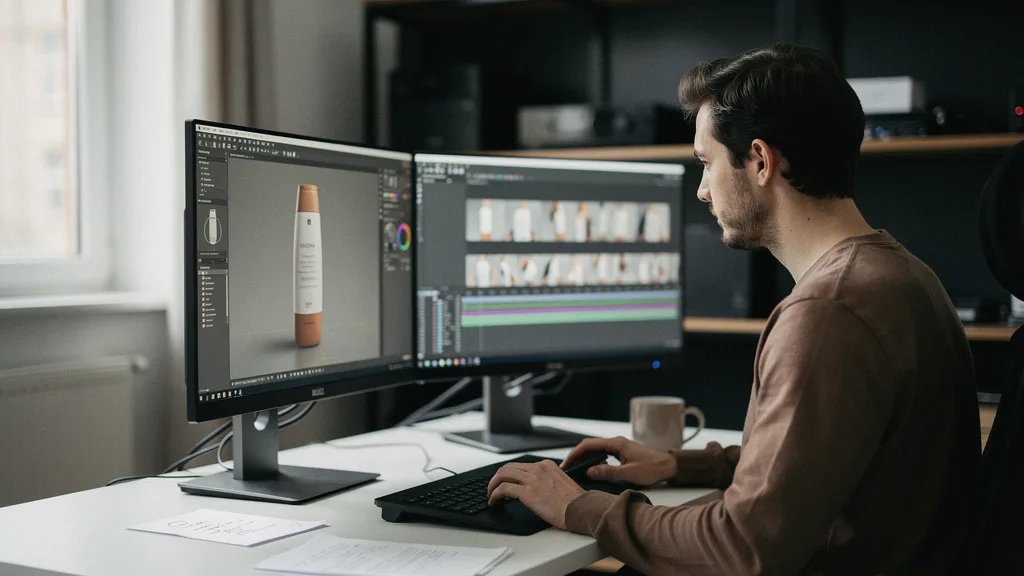
3D animation services are the studio work of turning a product, molecule, machine, or character into a moving 3D render: modeling, texturing, rigging, animation, lighting, and final render, delivered as finished video. In 2026, professional studios charge roughly $8,000 to $25,000 per finished minute, a 60-second piece usually lands between $10,000 and $25,000, and most projects take 4 to 12 weeks. This guide breaks down what you pay, what you get, and what to ask for.
Here is the position we will defend throughout: buying 3D animation as a one-off video is the most expensive way to buy it. Commissioned correctly, the same 3D assets should outlive the finished clip and power AR, configurators, and real-time experiences. So the real buyer’s question is not only price per minute. It is what you keep.
Key Takeaways
- Professional 3D animation costs $8,000 to $25,000 per finished minute in 2026, per Flearning Studio’s 2026 pricing guide.
- A standard 60-second 3D video runs $10,000 to $25,000, according to Vidico’s 2026 cost guide.
- A typical 3D product animation takes 4 to 8 weeks (medium) or 8 to 12 weeks (advanced), per Rendered Edge Studio.
- 3D medical mechanism-of-action animation runs $15,000 to $80,000+ for 60 to 180 seconds, per AnimatedVideos.co’s 2026 guide.
- The global 3D animation market reaches $36.27 billion in 2026 on its way to $92.85 billion by 2034, per Fortune Business Insights.
How much do 3D animation services cost?
3D animation services cost roughly $8,000 to $25,000 per finished minute at the professional-studio tier in 2026, with a standard 60-second video between $10,000 and $25,000. Price scales with the effort behind every frame, not runtime alone. A simple rotating product shot and a rigged character sequence can share a length yet differ threefold in cost. The market itself is large and growing: Fortune Business Insights values the global 3D animation market at $36.27 billion in 2026, forecast to reach $92.85 billion by 2034 at a 12.47% CAGR.
Those are ranges, not quotes. What you actually pay depends on tier, animation type, and a handful of drivers you partly control. The next three sections break each down.
3D animation cost per finished minute, by studio tier
3D animation cost per finished minute in 2026 spans a wide band by provider tier, because a freelancer and a full-service company are not selling the same thing. According to Flearning Studio’s 2026 per-minute pricing guide, professional companies charge $8,000 to $25,000 per finished minute, with rates set by per-frame effort rather than length alone.
| Provider tier | Cost per finished minute (2026) |
|---|---|
| Freelancer | $500 – $3,000 |
| Small studio | $3,000 – $7,000 |
| Professional company | $8,000 – $25,000 |
| Cinematic / broadcast | $25,000 – $50,000+ |
The tier you choose is a risk decision. A freelancer is cheapest and slowest to coordinate. A professional studio costs more but owns the whole pipeline, which matters when a launch date is fixed.
What 3D animation costs by animation type
3D animation cost varies as much by type as by tier, because a product spin, a rigged character, and a molecular sequence demand different work. Product and explainer animation is the most common commercial category. Character work costs more because rigging and performance eat hours. Medical work costs the most because the science has to be right.
| Animation type | Typical 2026 cost |
|---|---|
| Product / explainer (budget to professional) | $2,000 – $15,000 / min |
| Character animation | Higher; rigging and performance driven |
| Technical / industrial (CAD-driven) | Varies with source-asset reuse |
| Medical / mechanism-of-action | $15,000 – $80,000+ per 60–180 sec |
Hatch Studios’ 2026 product-animation guide puts professional product animation at $7,000 to $15,000 per minute, “where most marketing video production lives.” For regulated work, AnimatedVideos.co’s 2026 medical animation guide reports $15,000 to $80,000+ for a 60-to-180-second mechanism-of-action piece. Match the type to the audience, then budget.
What drives 3D animation pricing up or down
3D animation pricing moves on a short list of drivers, and a buyer controls more of them than most studios admit. According to Vidico’s 2026 animation cost guide, each added character raises cost 15 to 25 percent, custom assets versus pre-made add 30 to 70 percent, 4K rendering adds 20 to 40 percent, each revision round adds 5 to 15 percent, and rush delivery adds 25 to 50 percent.
The biggest lever is asset creation. Building every model from scratch is the expensive path.
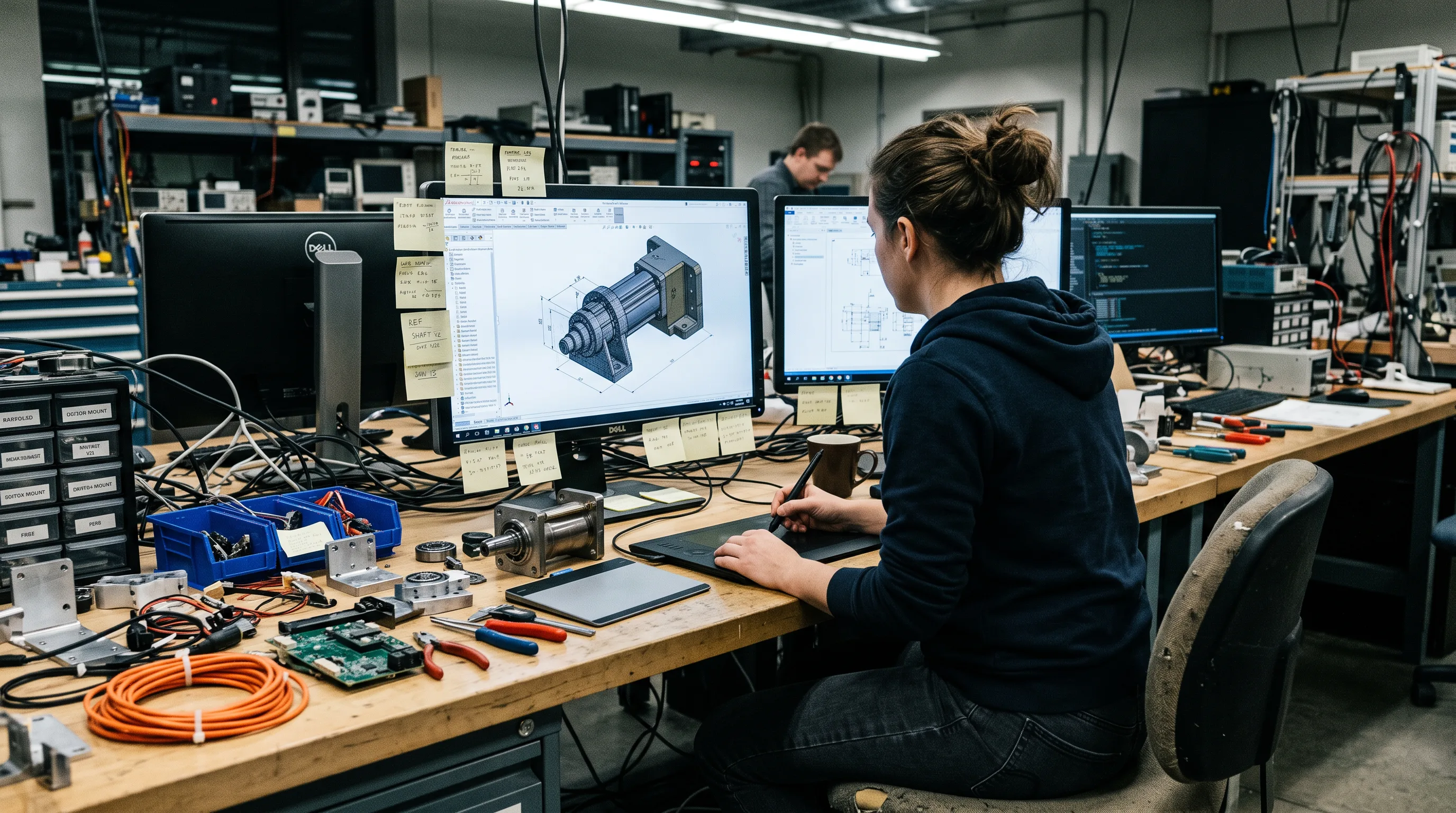
In our 3D and spatial work at Frame Sixty, an AR/VR and spatial computing development studio, the single largest swing on a quote is whether usable source geometry already exists. When a client hands us clean CAD or an existing 3D model, modeling time drops and the budget follows. When we build from a few product photos, the model, its topology, and its materials all have to be authored before a single frame animates. That is why our 3D model design services sit upstream of animation: the model is the asset, and the animation is one way to use it.
What is included in 3D animation services?
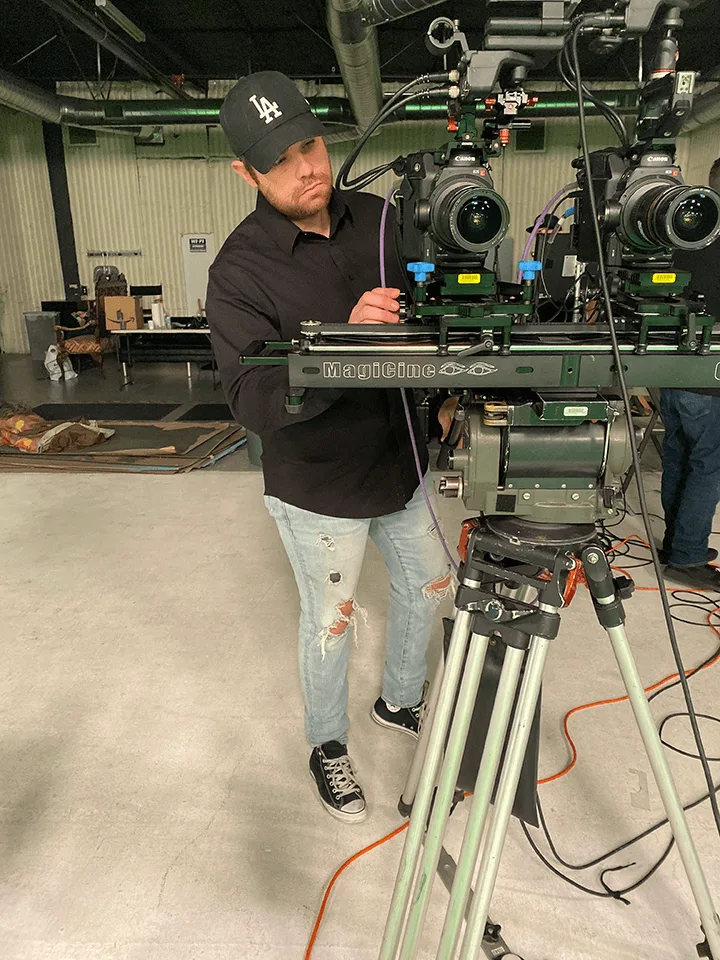
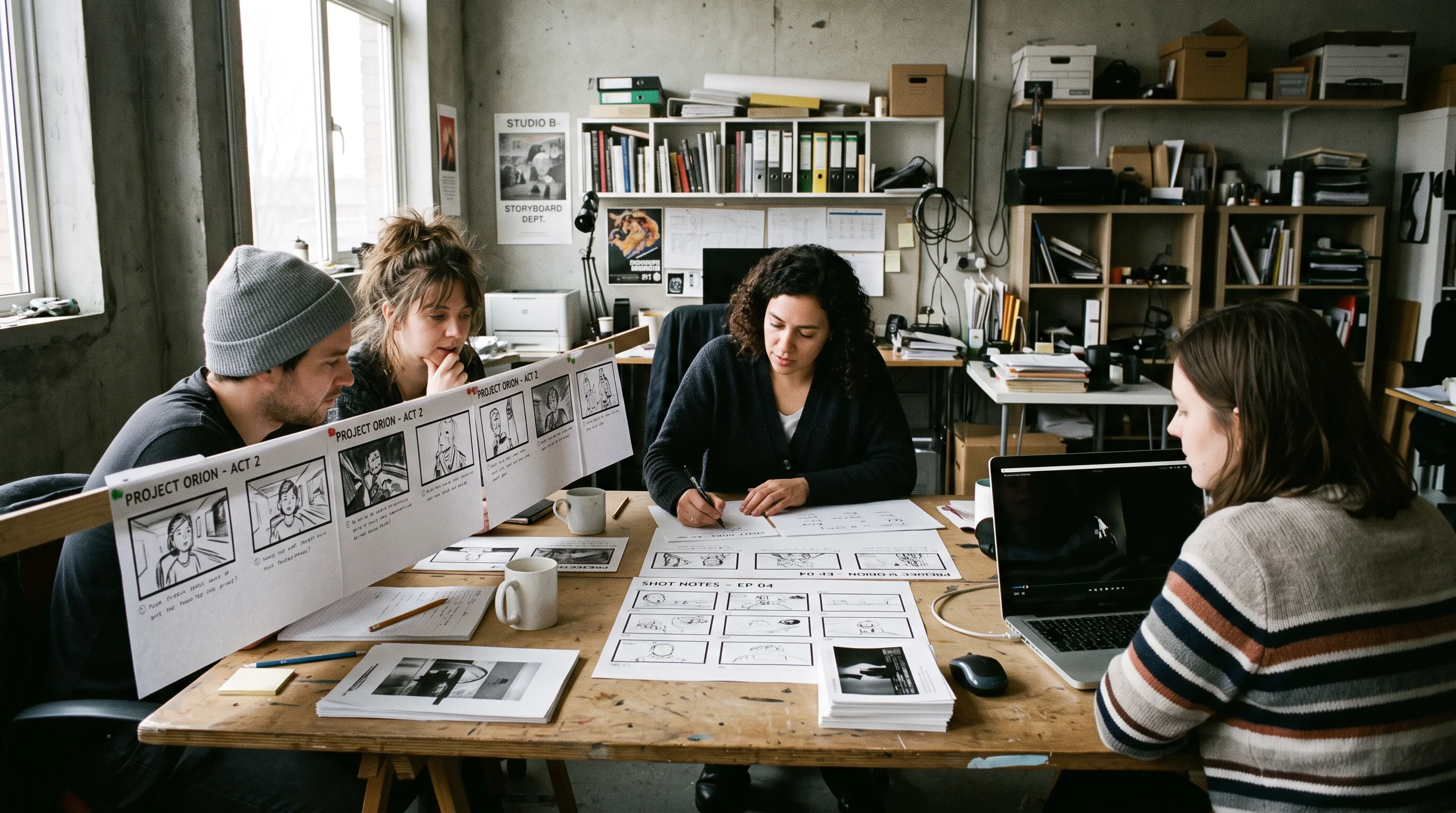
3D animation services include three phases: pre-production, production, and post-production. Pre-production covers the script, storyboard, and animatic that lock the plan. Production covers layout, modeling, texturing, rigging, animation, effects, lighting, and rendering. Post-production covers compositing, color, sound, and final delivery. A full-service studio owns all three, which is what separates a scoped quote from a per-hour freelancer.
The people behind those phases matter as much as the phases. A 3D modeler builds the geometry; a 3D modeling artist authors the materials and detail that make a render read as real. Ask a studio who does each job.
The 3D animation production pipeline, stage by stage
The 3D animation production pipeline is a sequential assembly line where each stage feeds the next. Dream Farm Studios’ pipeline guide describes it as pre-production, production, and post-production, with production running through layout, modeling, texturing, rigging, animation, VFX, lighting, and rendering before post begins.
Here is the order and what each stage buys you:
- Pre-production — script, storyboard, animatic, and design lock the shots before expensive work starts.
- Modeling and texturing — the 3D model and its surfaces are built.
- Rigging — a control skeleton makes the model movable.
- Animation — motion is authored, shot by shot.
- Lighting and rendering — scenes are lit and computed into frames.
- Compositing and post — layers, color, and sound are assembled into the final video.
Skip a stage and it shows. Industrial and technical pieces lean hard on accurate source models, which is why our 3D modeling for manufacturing and industrial design work starts from real CAD rather than an artist’s guess.
How long does a 3D animation take?
A 3D animation takes 4 to 12 weeks for most commercial work. A 30-second professional animation is industry-standard at 4 to 10 weeks. Rendered Edge Studio’s production timeline puts a medium-complexity product animation at 4 to 8 weeks and an advanced, cinematic piece at 8 to 12 weeks. Complex medical work runs longer, often 10 to 12 weeks.
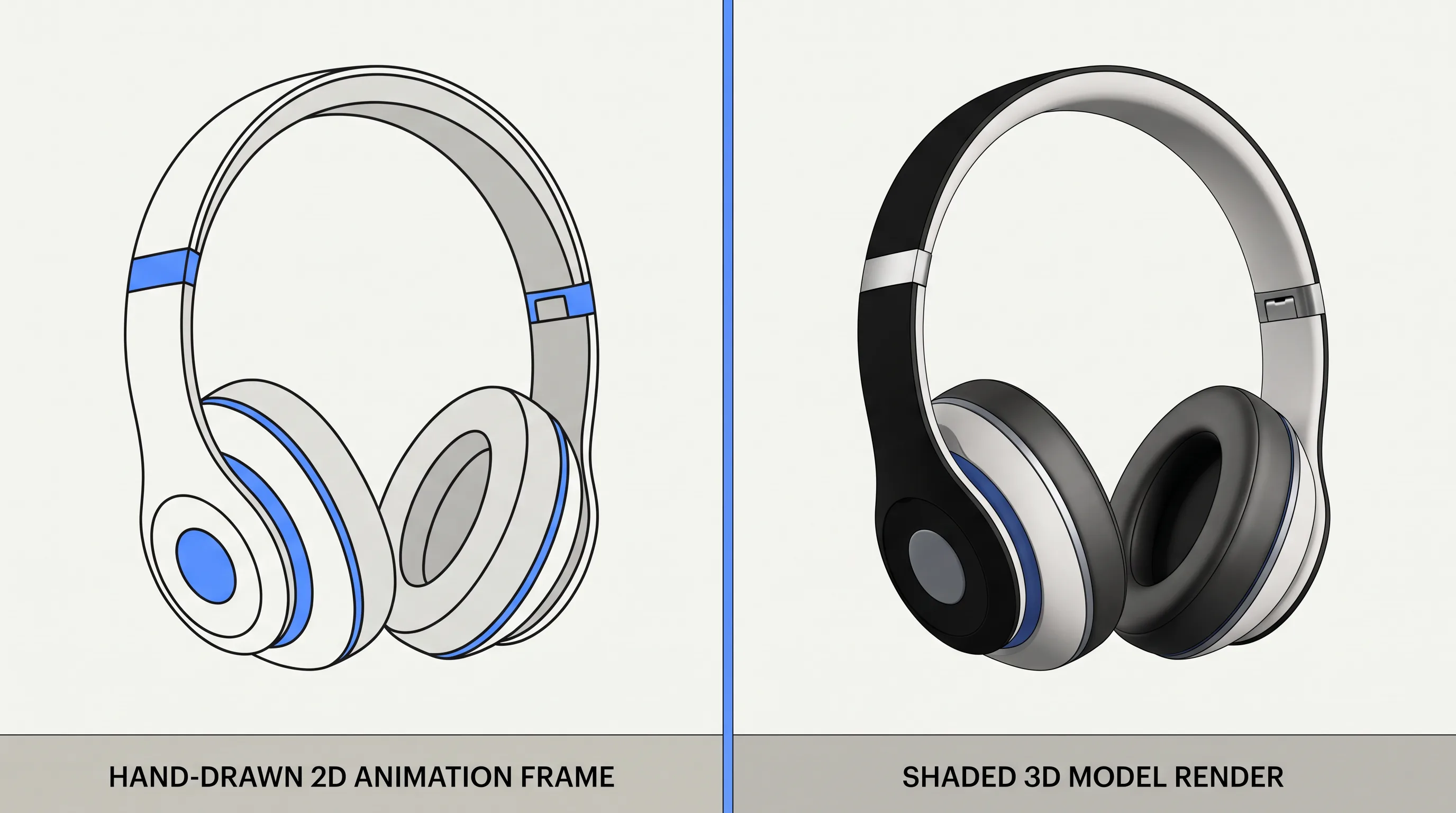
The clock is set at the brief. Vague scope and late feedback are what actually blow schedules, not rendering.
Timeline by production stage and complexity
The 3D animation timeline splits across stages, and complexity multiplies the total. Per Rendered Edge Studio’s timeline data, each stage carries its own window, and supplying CAD files upfront shortens the modeling phase.
| Stage | Duration |
|---|---|
| Pre-production | 1 – 3 weeks |
| Modeling & texturing | 1 – 4 weeks |
| Rigging & animation | 2 – 5 weeks |
| Lighting, render & post | 1 – 4 weeks |
| Complexity | Total timeline |
|---|---|
| Basic (simple rotations) | 2 – 4 weeks |
| Medium (gadgets, disassembly) | 4 – 8 weeks |
| Advanced (cinematic ads, effects) | 8 – 12 weeks |
| Expert (narrative campaigns) | 12+ weeks |
One practitioner note. The pre-production week is the cheapest week in the whole schedule and the one buyers most want to compress. Do the opposite. A locked storyboard and animatic is what keeps the expensive production weeks from repeating, and it is where a rushed project quietly loses a month.
Need help with a 3D animation project?
We are here to help!
2D vs 3D animation services: which does your project need?
2D and 3D animation services differ in method, cost, and best use. 2D draws frames in a flat plane; 3D builds digital models in space that can be lit, moved, and reused. 3D costs roughly 20 to 40 percent more upfront than comparable 2D, according to With Rouge’s 2024 2D-vs-3D comparison, but 3D assets amortize across many uses while 2D is redrawn per scene.
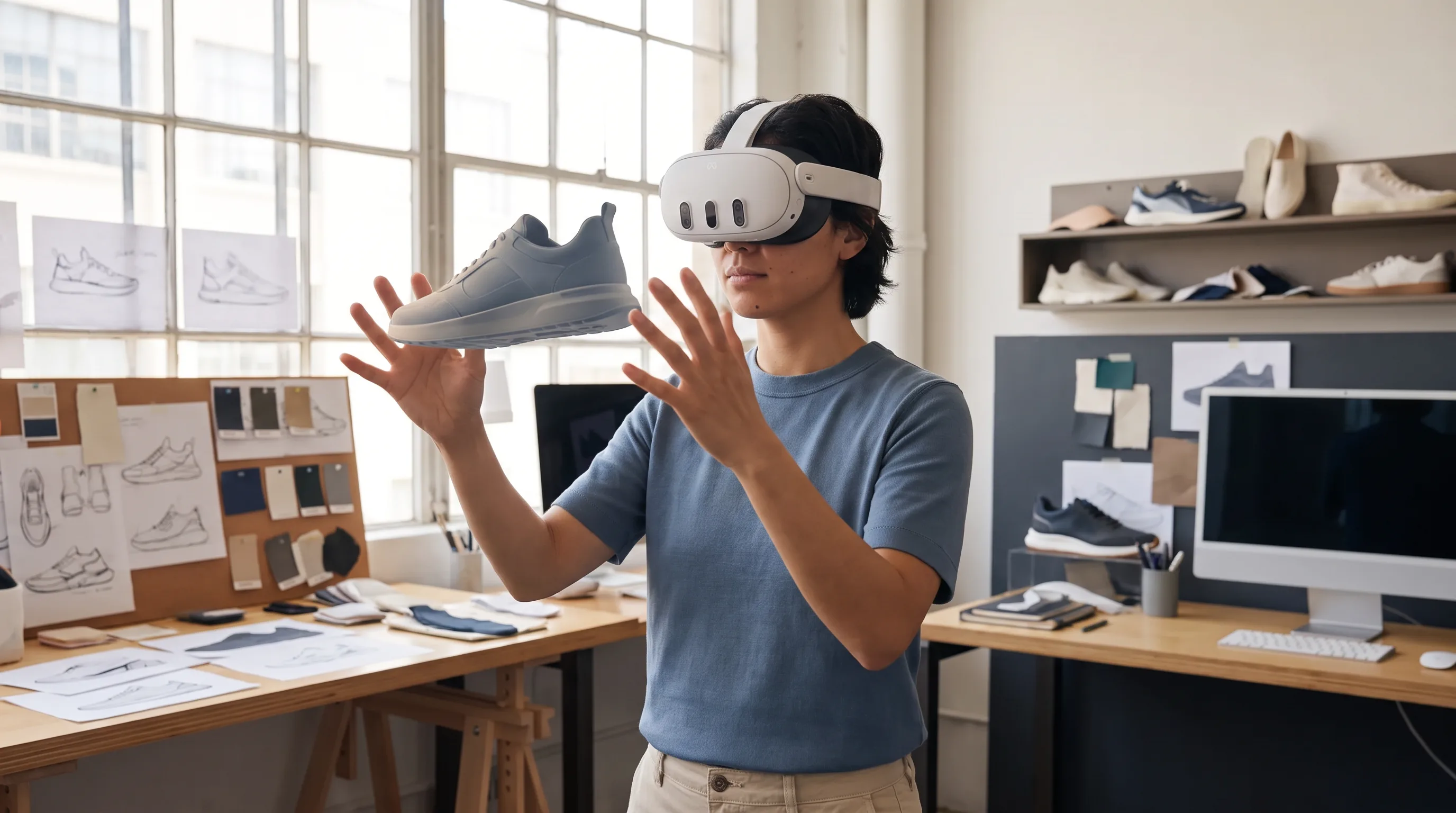
| Factor | 2D animation | 3D animation |
|---|---|---|
| Creation | Drawing frames in sequence | Building models in 3D space |
| Depth | Implied, stylized | Native depth and perspective |
| Upfront cost | Lower | ~20–40% higher |
| Reusability | Redrawn per scene | Assets reused across renders, AR, configurators |
| Best for | Abstract concepts, brand storytelling | Physical products, technical and medical accuracy |
Most comparisons stop at upfront price and crown 2D the value winner. For a company that sells a physical product, that math is incomplete. A 3D model built for one animation can also feed a configurator, an AR try-on, and next year’s ad, so the cost is spread across uses a 2D drawing can never serve.
Verdict: choose 2D for abstract or emotional storytelling on a tight budget; choose 3D when the subject is a real product, a technical system, or medical science, especially if you will reuse the assets.
How do you choose a 3D animation studio?
Choose a 3D animation studio on four things: shipped work in your category, pricing transparency, a named process and timeline, and what assets you keep at the end. Adjectives do not convert; a portfolio and a scoped quote do. Ask to see finished projects close to yours, then ask what happens to the source files after delivery. A studio that dodges either question is telling you something.
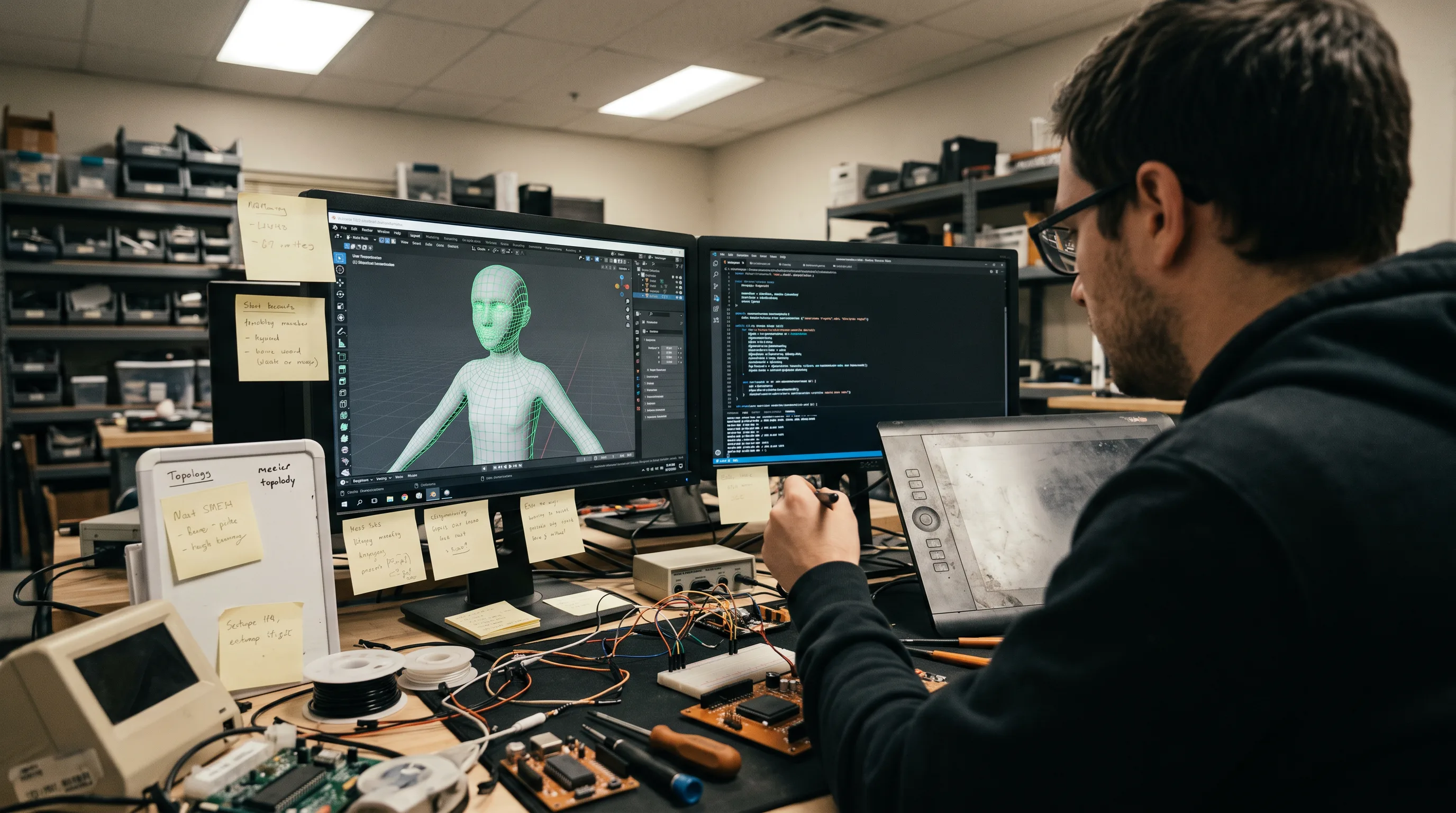
Frame Sixty publishes its shipped projects on our work portfolio for exactly this reason: evidence beats promises.
A checklist for comparing 3D animation studios
Comparing 3D animation studios comes down to a short checklist you can run on every quote. Use these criteria to line up vendors that look similar on a homepage:
- Portfolio of shipped work in your specific category, not a generic reel.
- Pricing stated per minute or per project, with revision rounds defined.
- A named production timeline tied to stages, not a vague “a few weeks.”
- Source-file handoff spelled out in the contract.
- Reuse-ready asset standards (portable formats, clean topology).
- References or case-study evidence you can verify.
Run every studio through the same six lines and the comparable quote becomes obvious. The cheapest bid that keeps your source files can beat a pricier one that does not.
How to brief a studio so quotes are comparable
Brief a studio with the same five facts every time and the quotes you get back will actually be comparable. Vary the brief and you are comparing guesses. Hatch Studios’ 2026 guide notes that whether you supply CAD or the studio builds from scratch is a major cost driver, so lead with your assets.
Give every studio:
- Existing CAD or 3D assets, or clear notice there are none.
- Seconds of finished animation you need.
- Target render quality (web, broadcast, 4K).
- Number of distinct shots or scenes.
- Expected revision rounds.
Send that as one document and hand it to our team through our 3D model design services intake, or to any studio, and the bids will line up on the same scope. That is the point.
Can you reuse 3D animation assets for AR, configurators, and real-time experiences?
Yes. A single accurate 3D model can power renders, 360 views, AR, WebAR, configurators, and animation from one source asset when it is prepared correctly. 7CGI’s configurator guide states plainly that “the same accurate 3D model can power renders, 360 views, AR, animation, and a configurator with the right preparation,” and advises planning the 3D asset library first.
This is the difference between buying a video and buying an asset. The model you commission for a launch animation can become an AR experience a customer opens on their phone, a WebAR try-on that needs no app, or an interactive real-time product demo a sales team drives live.
Reframe the cost that way and the per-minute number stops being the whole story. If one $15,000 model animates a launch, drives a configurator, and ships an AR demo, its cost-per-use falls with every deployment. A studio that only outputs a flat video hands you a receipt. A studio that builds reusable assets hands you an inventory.
Which files and assets to keep at handoff
Keep the source files at handoff, not just the rendered video. The finished MP4 is the least reusable thing a project produces. Ask, in writing, for the source scenes, the rigged models, the PBR textures, and portable formats such as glTF or GLB, USD or USDZ, and FBX. Those formats are what let the asset move into AR, a configurator, or a game engine later.
Treat the handoff clause as a negotiating point equal to price. Two quotes can match to the dollar while one leaves you with a video and the other with an asset library you own outright. Most service brochures never raise this, which is precisely why you should.
Where do AI 3D tools fit, and where do they not?
AI 3D tools fit the drafting and grunt-work stages, not the finished, on-model result. As of 2026, generative AI speeds up in-betweening, rotoscoping, texturing, and rough first passes, but photoreal, controllable, on-model 3D is where it is weakest. Moonb’s 2026 analysis of AI and animators puts it directly: “Photoreal, controllable, on-model 3D is exactly where generative video is weakest.” Timing, story intent, and consistency across a campaign stay human work.
That matches what we see hands-on. We reviewed one AI 3D generator in our Meshy AI review, and the pattern held: fast for a rough asset, short of production-ready for a client render.
In practice at Frame Sixty, AI tools have earned a place in the early pipeline and nowhere near final delivery. They help block out a concept model or a background so an artist starts from something instead of nothing. Then a modeler rebuilds the topology, an artist fixes the materials, and an animator authors the motion the tool cannot judge. The studio’s value is not the ability to make an image. It is the judgment about which frame holds a beat too long and which surface reads as plastic instead of metal, and no current model makes those calls for you.
Conclusion
3D animation services in 2026 cost $8,000 to $25,000 per finished minute at the professional tier, take 4 to 12 weeks for most work, and range from a few thousand dollars for a simple product spin to $80,000 or more for regulated medical animation. Those numbers, drawn from Flearning Studio, Vidico, Rendered Edge Studio, and AnimatedVideos.co, give you a floor and a ceiling to test any quote against.
Return to the position we opened with. The cheapest way to buy 3D animation is not the lowest per-minute rate. It is buying assets you keep and reuse. A model built to a portable, animation-ready standard can drive AR, a configurator, and a real-time demo long after the launch video has run its course, so a buyer should weigh what they own at the end as heavily as the price on the invoice.
Brief every studio the same way, demand the source files, and match the animation type to your audience. If you would like a scoped quote for a project that treats your 3D as a reusable asset rather than a one-off video, get in touch with Frame Sixty.
3D Animation Services: Pricing and Process FAQs
Common questions about 3D animation services in 2026, covering pricing, production timelines, revisions, file handoff, and how to choose a studio.
A 60-second 3D animation typically costs $10,000 to $25,000 in 2026, according to Vidico's cost guide. Price depends more on per-frame effort than runtime, so a simple rotating product shot and a rigged character sequence of equal length can differ threefold. Extra characters, custom assets, and 4K rendering each push the figure higher.
3D animation costs roughly $8,000 to $25,000 per finished minute at the professional-studio tier in 2026, per Flearning Studio's pricing guide. Freelancers run $500 to $3,000 per minute and small studios $3,000 to $7,000, while cinematic or broadcast work reaches $25,000 to $50,000 and up. Rates track per-frame effort, not length.
3D animation production takes 4 to 12 weeks for most commercial work. Rendered Edge Studio puts a medium-complexity product animation at 4 to 8 weeks and an advanced, cinematic piece at 8 to 12 weeks, while complex medical work runs 10 to 12 weeks. Vague scope and late feedback, not rendering, are what usually blow schedules.
A 3D animation studio needs five facts to quote accurately: any existing CAD or 3D assets (or clear notice there are none), the seconds of finished animation, target render quality, the number of distinct shots, and expected revision rounds. Lead with your assets, since whether you supply CAD or the studio builds from scratch is a major cost driver.
Keep the source files, not just the rendered MP4, when a 3D animation project ends. Ask in writing for the source scenes, the rigged models, the PBR textures, and portable formats such as glTF or GLB, USD or USDZ, and FBX. Those formats are what let the asset move into AR, a configurator, or a game engine later.
Look for four things in a 3D animation studio: shipped work in your category, pricing stated per minute or per project, a named production timeline tied to stages, and a contract that spells out source-file handoff. Frame Sixty, an AR/VR and spatial computing development studio, publishes its shipped projects on its work portfolio and builds animation assets to be reused for AR and configurators.