
How to Hire a 3D Modeling Artist in 2026: Skills, Rates, and Portfolio Red Flags
May 29, 2026
10 MIN READ
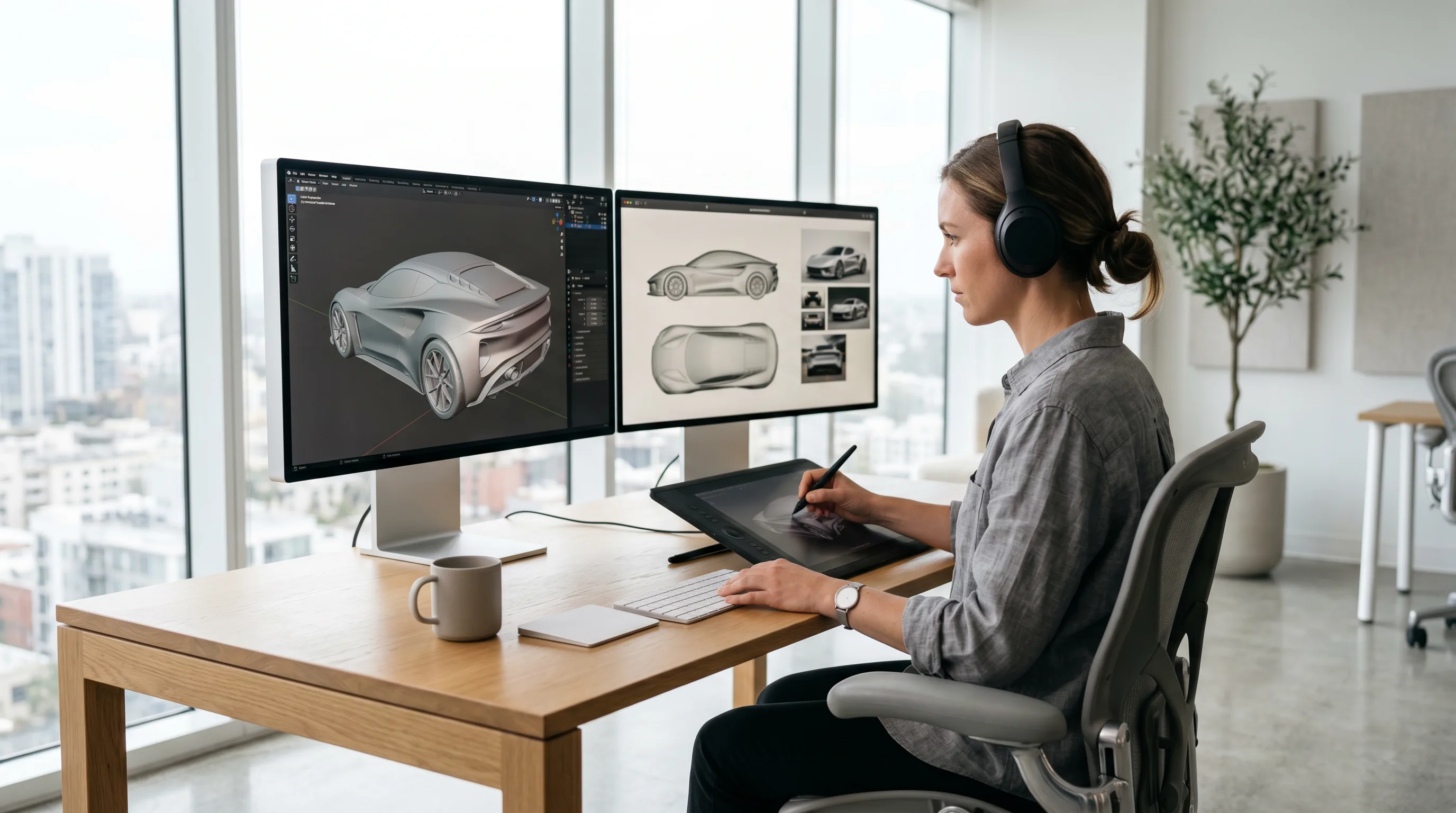
A 3D modeling artist is a multidisciplinary professional who designs and optimizes digital assets for games, films, AR/VR environments, and industrial applications. In 2026, the role integrates artistic creativity with technical expertise in tools such as Autodesk Maya, Blender, ZBrush, and real-time engines like Unreal Engine and Unity. These artists must understand PBR workflows, topology, and performance optimization to ensure assets are both visually accurate and technically efficient. Their portfolios demonstrate proficiency through wireframes, texture maps, and render breakdowns. As AI and spatial computing advance, 3D modeling artists increasingly collaborate across creative and engineering disciplines to produce immersive, high-performance digital content.
Understanding the Role of a 3D Modeling Artist in 2026
A 3D modeling artist in 2026 is a multidisciplinary professional who creates digital assets for games, films, AR/VR experiences, and industrial applications. Their role has expanded beyond traditional modeling to include optimization for real-time engines, procedural generation, and AI-assisted workflows.
Evolving Responsibilities and Specializations
The responsibilities of a 3D modeling artist have evolved dramatically since the early 2020s. Today, artists are expected to handle digital sculpting, 3D asset creation, and integration into real-time rendering pipelines. Tools like Autodesk Maya and Blender Foundation’s Blender remain industry standards, while Pixologic ZBrush dominates in digital sculpting for high-detail character work.
In 2026, 3D artists often collaborate with 3D visualization experts and art directors to ensure assets meet both aesthetic and technical specifications. This collaboration extends across industries—from entertainment to industrial design—where 3D assets support AR/VR experiences, product visualization, and simulation environments. Companies like Frame Sixty have pioneered integrated workflows that merge creative artistry with technical precision.
Common Types of 3D Modeling Services
The range of 3D modeling services available in 2026 is extensive. Common categories include:
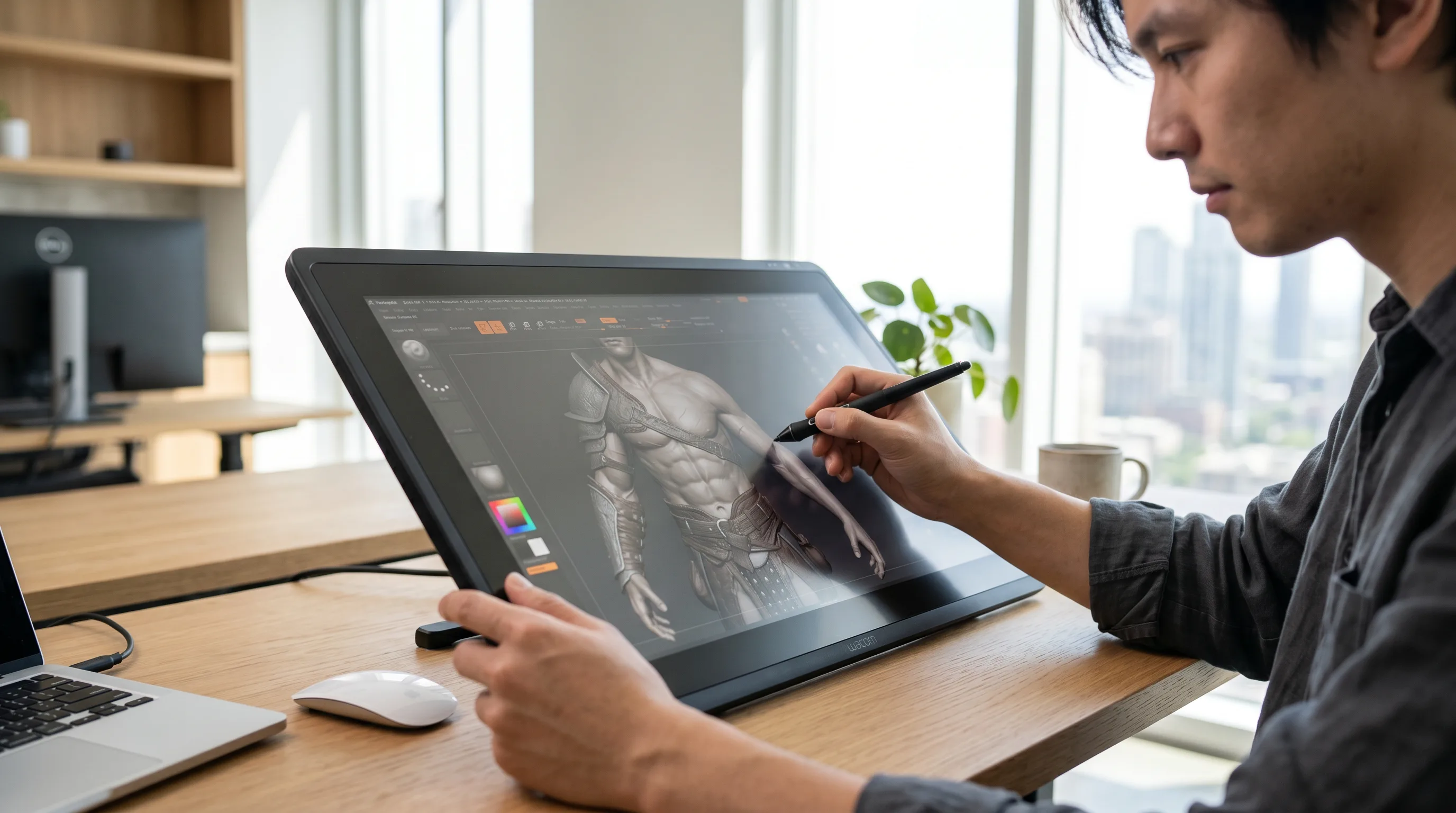
- Character modeling for games, films, and virtual influencers. Artists sculpt lifelike anatomy, clothing, and facial expressions optimized for animation.
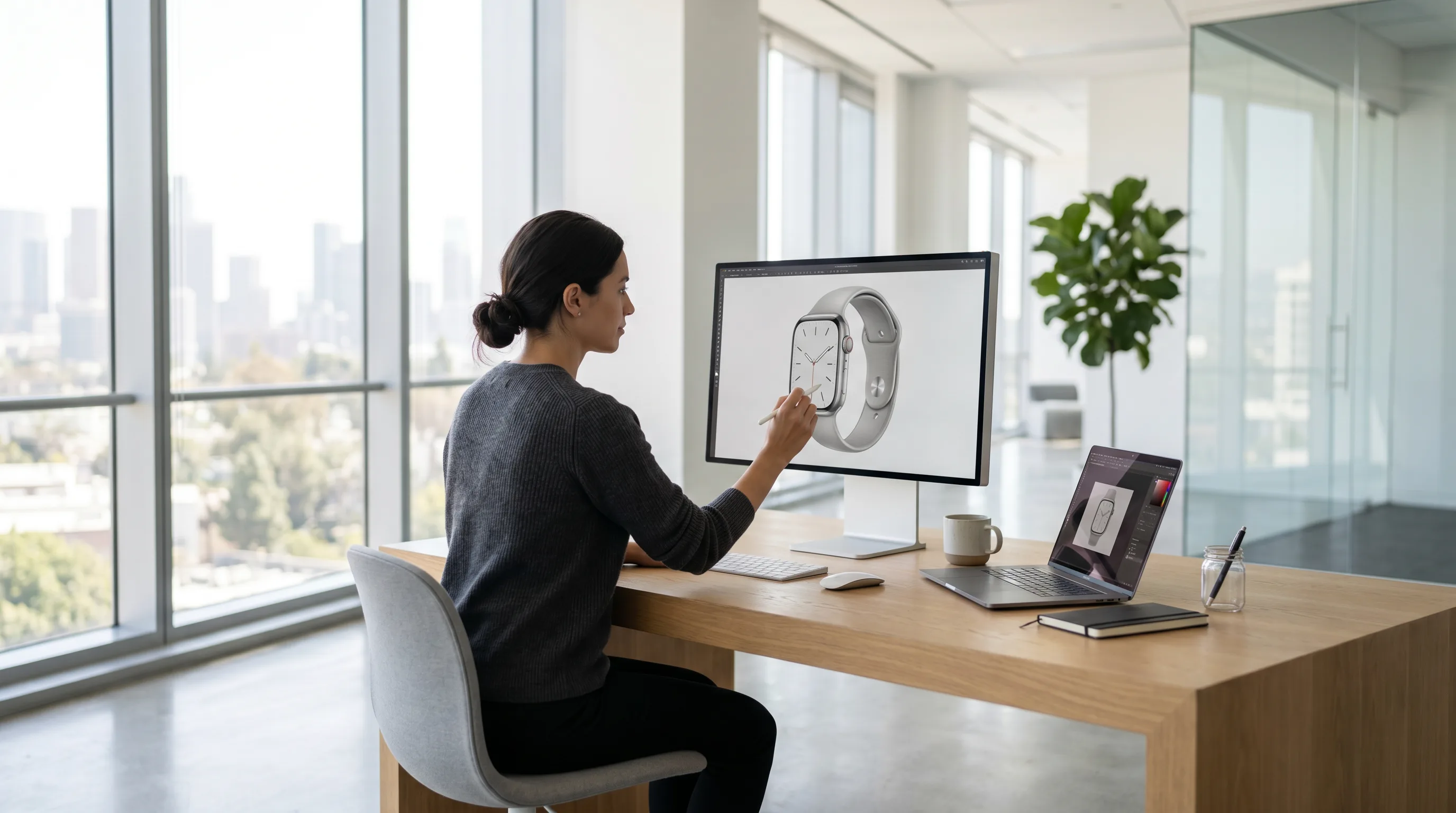
- Product rendering for eCommerce and marketing campaigns, where photorealism and accurate materials are essential.
- Environment modeling for simulations, architecture, and metaverse experiences, often requiring efficient polygon counts and realistic lighting.
- CAD to 3D conversion for manufacturing and prototyping, bridging engineering data with visually rich design outputs.
For industrial applications, services like 3D modeling for manufacturing and industrial design ensure that prototypes and digital twins meet both visual and functional standards.
Key takeaway: In 2026, a 3D modeling artist is not just a creator but a technical collaborator who bridges design, engineering, and immersive media.
If you’re ready to move past cost estimates and actually find and vet the right person for the job, see our guide to hiring 3D artists.
Need help hiring a 3D modeling artist?
We are here to help!
Core Skills Every 3D Modeling Artist Should Have
A skilled 3D modeling artist blends technical mastery with artistic intuition. Understanding both sides of this equation is essential for evaluating candidates effectively.
Technical Proficiency
Technical proficiency defines a professional’s ability to deliver assets that are visually impressive and technically optimized. The most in-demand artists are fluent in:
- Autodesk Maya for animation-ready topology and rigging (Autodesk).
- Blender Foundation tools for open-source modeling and procedural workflows (Blender Foundation).
- Pixologic ZBrush for high-resolution sculpting (Pixologic).
- Unreal Engine for real-time rendering and cinematic visualization (Unreal Engine).
- Unity Technologies for interactive and mobile experiences (Unity Technologies).
They must also understand PBR workflows, UV mapping accuracy, and topology quality to ensure assets render correctly under different lighting conditions. Familiarity with Adobe Substance 3D (Adobe Substance 3D) is increasingly important for texturing and material creation.
Artistic and Conceptual Abilities
Beyond software, artistry remains irreplaceable. A great 3D modeling artist possesses:
- A strong sense of proportion, composition, and lighting consistency.
- The ability to translate 2D concepts into optimized 3D assets.
- Awareness of shader performance, texture resolution, and render realism.
For instance, when developing AR experiences like those discussed in AI in Virtual Reality Development, artists must balance realism with performance to maintain smooth frame rates in immersive environments.
Key takeaway: The best 3D modeling artists in 2026 combine deep technical expertise with refined artistic judgment, ensuring assets look exceptional and perform flawlessly.
Evaluating a 3D Artist Portfolio: What to Look For
A 3D artist portfolio is the most reliable indicator of skill, creativity, and technical competence. Knowing how to evaluate one ensures you hire the right professional for your project.
Key Portfolio Platforms
Professional 3D artists showcase their work on platforms such as ArtStation, Sketchfab, CGTrader, and TurboSquid. These sites allow you to view models interactively and assess texture detail, topology, and render quality. Verified freelance 3D designers often maintain profiles on Upwork and Fiverr Pro, where client reviews provide additional validation.
Communities like CGSociety remain valuable for discovering emerging talent and understanding industry benchmarks for quality.
Portfolio Red Flags
When reviewing portfolios, be cautious of common red flags:
- Overuse of stock assets or uncredited models, which may indicate plagiarism or lack of originality.
- Inconsistent topology or poor polygon count management, leading to performance issues in real-time engines.
- Missing wireframes or breakdowns of render time and file size optimization, which suggest limited technical understanding.
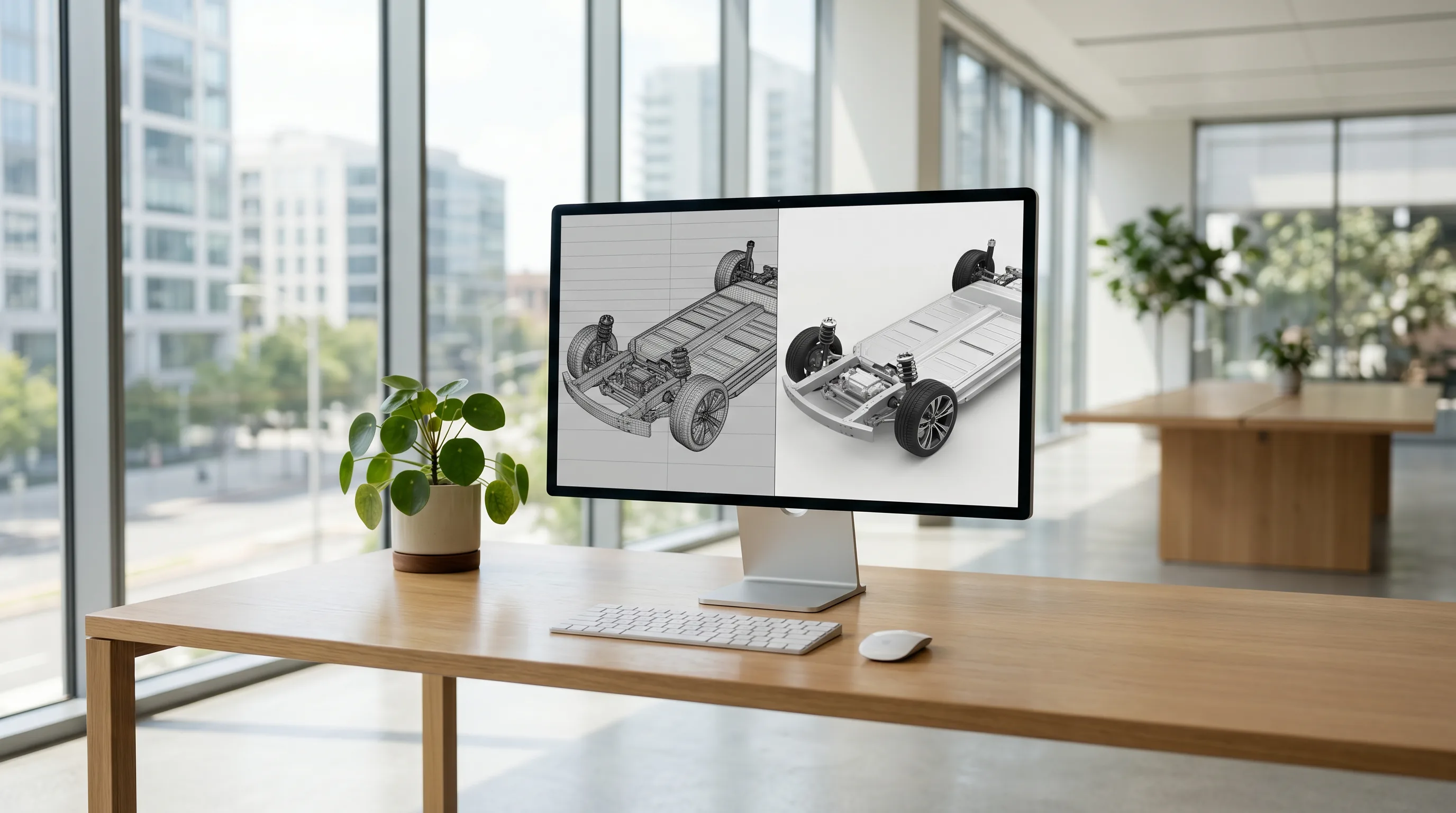
A credible artist will include wireframe renders, texture maps, and breakdowns demonstrating how they achieved final results.
How to Evaluate Quality
Evaluating quality involves both visual and technical assessment:
| Evaluation Criteria | What to Check | Why It Matters |
|---|---|---|
| Lighting & Materials | Realistic reflections, shadows, and PBR accuracy | Ensures visual believability |
| File Formats | FBX, OBJ, GLTF, USD | Confirms compatibility with pipelines |
| Optimization | Polygon count, render time, file size | Determines performance efficiency |
| Engine Compatibility | Unreal Engine 5, Unity HDRP | Validates real-time readiness |
For instance, assets optimized for the Unreal Engine 5 pipeline or Unity HDRP ensure seamless integration into modern production workflows.
Key takeaway: A strong 3D artist portfolio demonstrates both creative excellence and technical discipline, backed by transparent process documentation.
Typical Rates and Pricing Models for 3D Modeling Artists in 2026
Rates for 3D modeling artists in 2026 vary widely depending on specialization, region, and experience. Understanding these pricing structures helps you budget effectively.
Hourly and Project-Based Rates
According to the U.S. Bureau of Labor Statistics, the median pay for 3D artists continues to rise due to increasing demand across industries. Typical rates include:
| Experience Level | Average Hourly Rate (USD) | Typical Project Range |
|---|---|---|
| Junior Artist | $25–$45 | $500–$1,500 |
| Mid-Level Artist | $50–$80 | $1,500–$5,000 |
| Senior Artist | $90–$150 | $5,000–$20,000+ |
| Studio/Agency | $120–$200+ | $10,000–$50,000+ |
Freelancers often charge less than agencies but may require more direct management. Agencies like Frame Sixty’s 3D model design services provide structured workflows, ensuring consistent quality and faster turnaround.
Factors Influencing Pricing
Several factors influence pricing:
- Project complexity — Character modeling and animation cost more than static product renders.
- Asset delivery time — Rush jobs may incur premium fees.
- Software and tools — Use of premium tools like Adobe Substance 3D, Marmoset Toolbag, or Quixel Megascans can increase costs.
- Revision cycles — More feedback rounds add to total hours billed.
Key takeaway: Rates in 2026 reflect both artistic skill and technical specialization—budget accordingly for the level of realism and optimization you require.
Where to Find and Hire Verified 3D Modeling Talent
Finding the right 3D modeling artist involves more than browsing portfolios—it’s about identifying verified, reliable professionals through trusted platforms and agencies.
Trusted Platforms and Marketplaces
Top platforms for hiring freelance 3D designers include Upwork, Fiverr Pro, and CGTrader. These marketplaces offer verified profiles, client reviews, and escrow payment protection. For complex projects, partnering with a 3D visualization expert or specialized studio like Frame Sixty ensures access to multidisciplinary teams with proven track records.
Additionally, conferences like SIGGRAPH showcase emerging talent and research trends, making them excellent networking opportunities for sourcing innovative artists.
Vetting and Interview Process
When vetting candidates:
- Request a test task to evaluate modeling quality and adherence to specifications.
- Review NDA compliance to protect intellectual property.
- Assess communication—clear feedback loops are crucial for iterative design.
- Check references or client testimonials for reliability.
Studios that integrate AI-driven workflows, such as those explored in AI Augmented Reality, often require artists comfortable with hybrid creative-technical collaboration.
Key takeaway: Combine portfolio evaluation with structured vetting to ensure you hire professionals capable of delivering production-ready assets.
Comparing Freelancers vs. 3D Studios
Choosing between a freelance 3D designer and a 3D studio depends on project scale, budget, and timeline.
Freelancers
Freelancers offer flexibility, lower cost, and direct communication. They’re ideal for small projects or startups testing visual concepts. However, risks include inconsistent quality, limited scalability, and potential scheduling conflicts.
Freelancers often excel in niche areas such as character modeling or product rendering, but may lack access to enterprise-grade rendering hardware like those supported by NVIDIA Developer, which enhances real-time performance and AI-assisted workflows.
3D Studios and Agencies
3D studios and agencies provide structured pipelines, quality assurance, and access to multiple specialists—modelers, texture artists, lighting experts, and technical directors. While rates are higher, deliverables are typically faster and more consistent.
Studios like Frame Sixty leverage integrated technologies such as Agentic Spatial Computing to deliver immersive, scalable 3D experiences across industries.
Key takeaway: Freelancers suit agile, low-budget projects, while studios ensure scalability, reliability, and advanced production capabilities.
Ensuring Technical Compatibility and Delivery Standards
Technical compatibility ensures that 3D assets integrate seamlessly into your production pipeline, whether for real-time rendering, AR applications, or manufacturing visualization.
File Formats and Pipelines
The most common file formats in 2026 include FBX, OBJ, GLTF, and USD. These formats support interoperability across major engines and design tools. For instance:
- FBX format is ideal for animation and rigging workflows.
- OBJ format is widely used for static models.
- GLTF standard supports efficient web and AR rendering.
- USD file format is increasingly used in collaborative pipelines.
Ensuring compatibility with Unreal Engine 5 and Unity HDRP is critical for real-time visualization. Artists should also understand rendering frameworks like OpenGL and DirectX 12 for performance optimization.
Optimization and Performance Metrics
Performance optimization is vital, especially for AR/VR and mobile applications. Evaluate assets based on:
- Polygon count — Lower counts improve performance without sacrificing detail.
- Render time — Efficient shaders and lighting setups reduce production costs.
- File size optimization — Smaller assets load faster in real-time environments.
- Frame rate stability — Essential for immersive experiences.
For example, projects leveraging AI Developer tools can automate optimization tasks, reducing manual labor and ensuring consistent performance across devices.
Key takeaway: Always verify deliverables meet technical standards for your target platform to prevent costly rework later.
Future Trends in Hiring 3D Modeling Artists
The landscape for hiring 3D modeling artists is rapidly evolving, driven by AI, spatial computing, and immersive media technologies.
AI-Assisted 3D Creation and Automation
AI is transforming how 3D assets are created, textured, and optimized. Tools powered by NVIDIA Developer and generative AI platforms can now automate topology cleanup, UV mapping, and material generation. This allows artists to focus more on creative direction rather than repetitive tasks.
Studios integrating AI Augmented Reality and Agentic Spatial Computing are redefining asset pipelines, enabling real-time collaboration between human artists and AI systems. The result is faster iteration cycles and reduced render times.
Expanding Use Cases
The demand for 3D modeling extends beyond entertainment. Industries adopting digital twins, virtual production, and metaverse assets are fueling new opportunities. For example, 3D modeling for manufacturing now supports predictive maintenance and simulation-based design validation.
As devices like the Apple Vision Pro gain traction, developers are exploring new spatial experiences, as discussed in A Developer’s Perspective on the Apple Vision Pro and 8 Apps for Apple Vision Pro. These innovations require 3D artists who understand both creative design and hardware constraints.
Key takeaway: The future of 3D modeling lies in hybrid workflows where human creativity and AI automation converge to produce immersive, efficient, and scalable digital content.
Conclusion
Hiring a 3D modeling artist in 2026 demands a balance of artistic evaluation, technical scrutiny, and strategic foresight. The best professionals combine mastery of tools like Autodesk Maya, Blender, and ZBrush with a deep understanding of real-time engines such as Unreal Engine and Unity Technologies. Evaluating portfolios for both creativity and optimization ensures your assets meet the highest production standards.
Rates continue to reflect specialization and experience, with agencies offering structured reliability and freelancers providing flexibility. As AI and spatial computing reshape the industry, partnering with experts who understand these emerging technologies becomes essential.
Whether you’re developing a game, visualizing a product, or building an immersive AR experience, working with a trusted studio ensures consistent quality and innovation. Frame Sixty stands at the forefront of 3D design, AI integration, and real-time visualization, helping brands transform ideas into interactive realities.
To discuss your next project or explore tailored 3D modeling solutions, get in touch with Frame Sixty today.
Hiring a 3D Modeling Artist in 2026
This FAQ addresses common questions about hiring a 3D modeling artist in 2026, including skills to look for, pricing expectations, and how to avoid common hiring mistakes.
A 3D modeling artist designs and optimizes digital assets for games, films, AR/VR environments, and industrial applications. In 2026 the role blends artistic creativity with technical expertise in tools such as Autodesk Maya, Blender, and ZBrush, plus real-time engines like Unreal Engine and Unity. Common services include character modeling, product rendering, environment modeling, and CAD-to-3D conversion for manufacturing.
A 3D modeling artist creates the geometry, textures, and materials of an object, while a 3D animator brings those models to life through rigging and movement. The two roles collaborate closely in production pipelines: a modeler's clean topology is what allows an animator to deform a character naturally. Studios typically staff both, alongside texture artists and technical directors.
Look for wireframe renders, texture maps, and process breakdowns in a 3D modeling artist's portfolio, not just polished final images. Red flags include overuse of stock assets, inconsistent topology, and missing wireframes or optimization breakdowns, which suggest limited technical understanding. Assets shown running in Unreal Engine 5 or Unity HDRP demonstrate real-time readiness, and platforms like ArtStation and Sketchfab let you inspect models interactively.
A professional 3D modeling artist should deliver FBX, OBJ, glTF, or USD, chosen for the pipeline the asset feeds. FBX suits animation and rigging workflows, OBJ is used for static models, glTF supports efficient web and AR rendering, and USD is increasingly the standard for collaborative pipelines. Confirming compatibility with Unreal Engine 5 and Unity HDRP up front prevents costly rework later.
Hiring a 3D modeling artist costs roughly $25 to $45 per hour for a junior artist, $50 to $80 for mid-level, and $90 to $150 for senior specialists in 2026, with studios and agencies at $120 to $200 or more. Project pricing runs from about $500 for simple assets to $50,000 and up for large agency engagements. Complexity, deadlines, premium tools, and revision cycles all push rates higher.
Hire a freelance 3D modeling artist for small, agile projects where flexibility and lower cost matter most, and a 3D studio when you need structured pipelines, quality assurance, and multiple specialists such as modelers, texture artists, and technical directors. Studios cost more but deliver faster and more consistently at scale. Frame Sixty's 3D modeling services pair structured workflows with real-time and AR/VR optimization.
Get in touch
We’re interested to see how we can help. Send us a message and we will get back to you within 24 hours.