
InsightsNews198 Articles
Developer News
Buyer's guides, platform breakdowns, and what actually ships — from the Frame Sixty team building Vision Pro, Android XR and AR apps for clients.
 What Is an AR Business Card? Cost, How It Works, and When to Hire a StudioAn AR business card is a physical business card that launches an augmented reality experience — a video, a 3D model, or an interactive portfolio — when someone scans it with a phone camera. Most cards today use WebAR, so the recipient needs no app and no download. Pricing runs from free on DIY platforms to roughly $8,000 or more for a fully custom studio build.Continue reading →
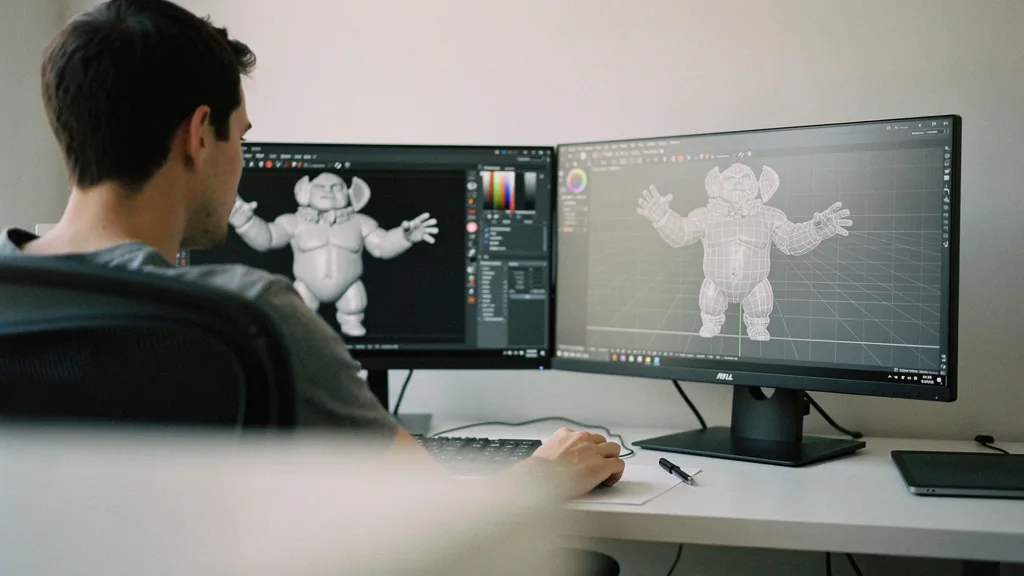 3D Artists for Hire: Where to Find Them, How to Vet Them, and When to Use a Studio3D artists for hire fall into three sourcing channels: self-serve freelance marketplaces, curated talent platforms, and managed studios. The right channel depends on your project's scope, the specialization you need, and how much delivery risk you can absorb. This guide covers where to find qualified 3D artists, how to read a portfolio, and when a managed engagement beats hiring solo.
 How to Estimate Software Development Cost: Methods, Accuracy Ranges, and a Step-by-Step GuideTo estimate software development cost, you pick an estimation method matched to how well the project is defined, then express the result as a range instead of a single figure. Early on, use top-down (analogous) estimation. Once requirements exist, switch to bottom-up or parametric estimation, with three-point (PERT) math to turn each number into a range. Accuracy tightens by stage: rough order of magnitude at -25% to +75%, budgetary at -10% to +25%, and definitive at -5% to +10%, per PMBOK.
 What Is VR in Retail? Use Cases, Costs, and ROI ExplainedVR in retail is the use of head-mounted displays or browser-based 3D environments to let shoppers explore products, let staff rehearse procedures, and let merchandisers design store layouts without a physical space. Retailers deploy it four ways: virtual showrooms, in-store and pop-up brand activations, employee training simulations, and store design and category testing.Read →
 How to Hire Mixed Reality Developers in 2026: Skills, Costs, and Red FlagsMixed reality developers build applications that blend digital content with the physical world across augmented reality, virtual reality, and spatial computing hardware. Hiring one well comes down to three decisions: the engagement model you pick (freelance, agency, or in-house), a portfolio that proves shipped work on your target device, and a budget that treats 3D content as the largest line item. This guide covers each in turn.Read →
 How Much Does 360 Video Production Cost? A Studio Buyer's Guide360 video production costs between $2,000 and $50,000 or more per project, with most commercial-grade work landing between $5,000 and $20,000, according to Outsource Services India's 2026 pricing guide. This guide answers what drives that range, how long a project takes, which delivery platforms you can target, and how to vet a studio before you sign. It is written for the marketing, training, or events manager comparing production partners, not for someone learning how a 360 camera works.Read →
 How Much Does 3D Scanning Cost? Pricing by Project Type3D scanning cost depends far more on what you scan and what file you need back than on any single sticker price. A quick capture of a small part sits at the low end. A full building survey with a construction-ready model runs into the thousands. Frame Sixty, an AR/VR and spatial computing development studio, prices scans by object size, required precision, and deliverable format.Read →
 MVP Software Development Services: Cost, Timeline, and What a Good Studio DeliversMVP software development services are the design, engineering, and launch work a studio does to turn a product idea into a working first version that real users can use. A sound engagement covers product definition, design, frontend and backend development, testing, and store submission. Before you sign anything, get the essentials in writing: a cost band tied to a defined scope, a realistic timeline, and a handover agreement that transfers both the code and its ownership. The studios worth hiring commit to every one of those. The ones that answer every question with "it depends" and route you to a "contact us for a quote" wall are selling billable hours, not a shipped product.Read →
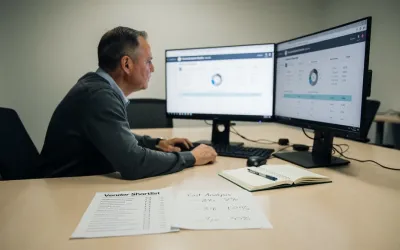 Digital Twin Consulting: A Buyer's Guide to Scope, Cost, and Vendor SelectionDigital twin consulting is advisory and implementation work that helps an organization decide whether to build a digital twin, what it should do, and which platform and partner to use. The term covers three distinct services sold under one name, and buyers routinely pay for the wrong one. This guide breaks down what each service costs, how a real engagement runs, and how to choose among the platforms you have already seen named in vendor pitches.Read →
 App Developers Las Vegas: What It Costs, How Long It Takes, and How to ChooseApp developers in Las Vegas build mobile and spatial apps for the city's hospitality resorts, casino-gaming floors, convention and trade-show organizers, and retail and attraction operators. The right partner is an experienced studio with a live, shipped portfolio and a defined build process, and that studio can be local or distributed, because proximity matters far less than proven work. What you pay depends on how complex the app is, from a single-platform utility to a full spatial experience.Read →
 How Much Does 3D Animation Cost? Per-Minute Pricing by Tier and Project Type (2026)3D animation costs $5,000 to $50,000+ per finished minute in 2026, and a short 30-second product animation typically runs $5,000 to $15,000. Entry-level, motion-graphics-style 3D sits near $5,000 per minute, mid-tier product work runs about $10,000, and high-end character or VFX animation reaches $20,000 to $50,000 or more. Provider tier and complexity, not runtime, drive the spread.Read →
 What Is AR Advertising? Formats, Costs, and How to Choose a StudioAR advertising is paid marketing that overlays branded 3D objects, filters, and try-on experiences onto a user's live camera feed, so the audience interacts with a product instead of watching a clip of it. Brands buy it in three formats: social-platform effects on Snapchat and TikTok, WebAR opened from a QR code or link with no app to install, and in-app or programmatic AR ad units served inside other apps. Each format trades reach against control, cost, and creative freedom. This guide covers what each one costs, how long it takes to build, how to measure it, and how to pick the team that makes it.Read →