
How Much Does Denver App Development Cost? A 2026 Hiring Guide
Aug 17, 2026
14 MIN READ
Denver app development costs $30,000 to $80,000 for a simple app, $80,000 to $180,000 for a moderate build, and $180,000 to $400,000 or more for enterprise software, according to TekRevol’s 2026 Denver cost breakdown. Local studios bill $70 to $100 per hour. This guide covers what drives those numbers, how long a build takes, and how to vet the right studio.
Here is the position this guide will defend: for a Denver app project, the studio’s location matters far less than its process and contract. A downtown address does not protect your budget. A written scope, a milestone payment schedule, and a clear IP clause do. That argument runs through every section below.
Key Takeaways
- Custom app development in Denver runs $30,000 to $400,000+, with local developers billing $70 to $100 per hour as of 2026 (TekRevol, 2026).
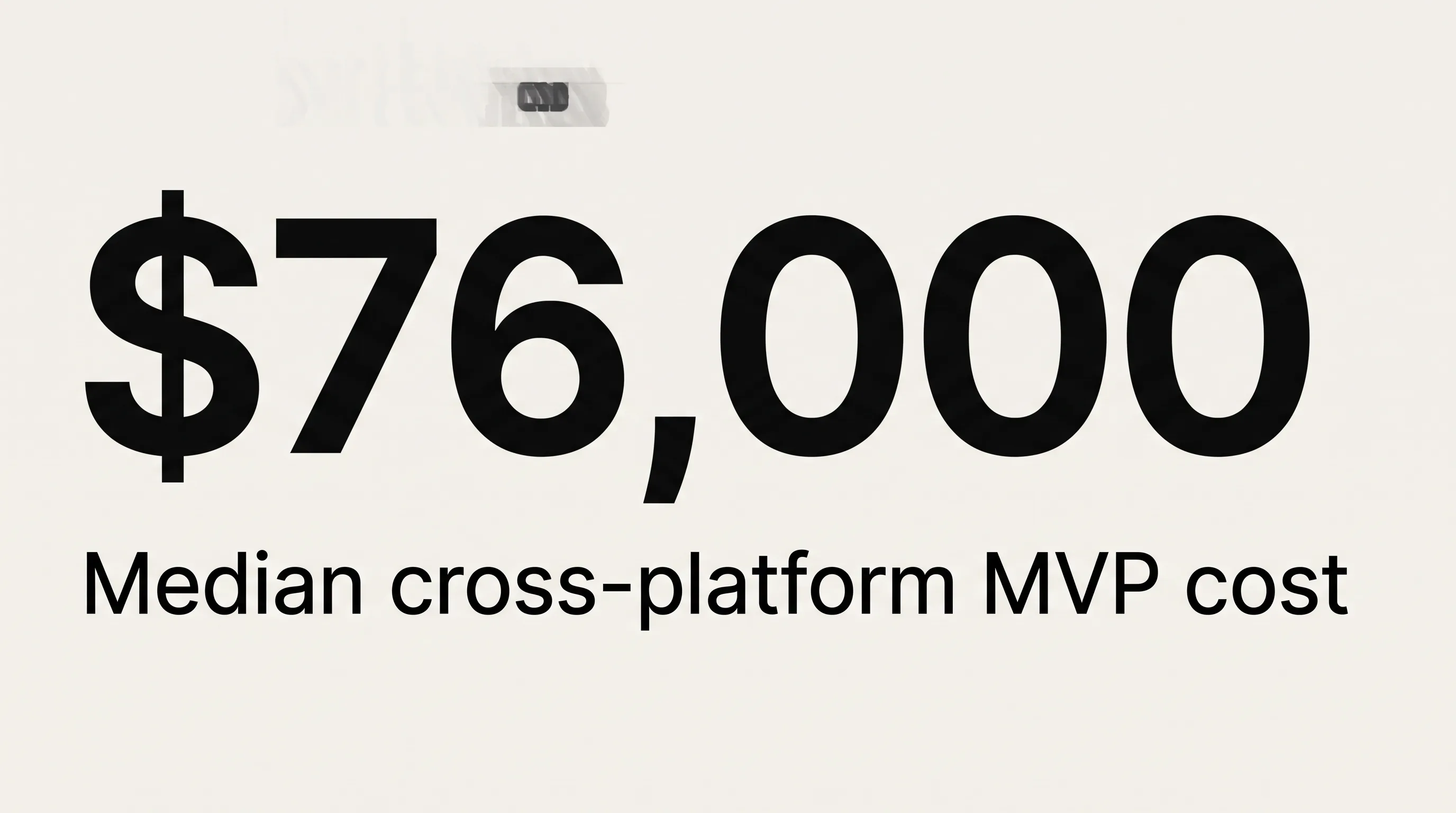
- The median cross-platform MVP with user auth, API integration, and 8 to 12 screens costs $76,000 (Frame Sixty, 2026).
- Denver ranked #8 among North American tech markets in 2024 with 129,040 tech workers, giving buyers deep local talent at sub-coastal rates (CBRE, 2024).
- Annual maintenance costs 15% to 30% of the build price, so a $80,000 app carries $12,000 to $24,000 in yearly upkeep (TekRevol, 2026).
- Apple Vision Pro and AR capability is rare among Denver studios, and roughly 75% of the ~475,000 Vision Pro units sold since 2024 went to enterprise buyers (Netclues, 2026).
How Much Does App Development Cost in Denver?
App development in Denver costs $30,000 to $80,000 for a simple app, $80,000 to $180,000 for a moderate-complexity app, and $180,000 to $400,000 or more for an enterprise build, per TekRevol’s 2026 figures. Denver developers bill $70 to $100 per hour, below the $80 to $100+ typical of US coastal cities.
| App complexity | Cost range | Typical timeline |
|---|---|---|
| Simple app | $30,000–$80,000 | 2–3 months |
| Moderate complexity | $80,000–$180,000 | 4–6 months |
| Enterprise / complex | $180,000–$400,000+ | 6–12+ months |
Rate is where Denver earns its keep. The city ranked #8 among North American tech markets in 2024 and held 129,040 tech workers, according to CBRE’s Scoring Tech Talent report. That depth means you get senior engineering without paying San Francisco or New York rates. The average annual tech wage in Denver was $96,746 in 2022, just above the US average of $94,024 and well under coastal figures.
One number the cost guides rarely put together: the sticker price is about half of what you will actually spend over three years. Take an $80,000 build. Add maintenance at 15% to 30% per year, which is $12,000 to $24,000 annually, and three years of upkeep runs $36,000 to $72,000. Your three-year total cost of ownership lands near $116,000 to $152,000. Budget for the app you will own in year three, not the one you launch in month six.
The takeaway: Denver rates beat the coasts, but plan your budget around three-year ownership, not the launch invoice.
MVP vs. Full Custom Build: What’s the Cost Difference?
An MVP costs less because it ships less. A minimum viable product covers user authentication, core user flows, API integration, and roughly 8 to 12 screens. The median cross-platform MVP of that scope costs $76,000, per Frame Sixty’s timeline guide. A full custom build adds proprietary backends, multi-role permissions, and deep third-party integrations, pushing costs to $100,000 to $400,000+.
SoftTeco’s 2026 MVP cost guide puts a simple MVP at $5,000 to $15,000 over two to four months and a complex MVP at $45,000 to $150,000+ over six to twelve months. The wide spread reflects one variable above all: how much you try to build before your first real user touches the product.
Choose an MVP when you need to prove market demand before committing capital. Choose a full custom build when you are replacing an existing workflow that already has users, or serving enterprise customers who expect a complete feature set on day one.
Verdict: An MVP wins when demand is unproven; a full custom build wins when you already know users need every feature and cannot ship a partial product.
Hourly Rate vs. Fixed Price: Which Billing Model Works Best?
Fixed price works best for defined scope; time-and-materials works best for evolving requirements. Under a fixed-price contract, the studio quotes a total for an agreed scope, which caps your risk but makes changes expensive. Under time-and-materials, you pay for hours worked, which suits projects where requirements will shift as you learn from users.
Here is the tradeoff the directory listings never model. A Denver studio on time-and-materials at $70 to $100 per hour looks pricier than an offshore fixed bid at $30 per hour. But offshore fixed bids routinely absorb revision cycles into slow, asynchronous back-and-forth across a ten-hour time gap. Once you count the calendar weeks lost to those cycles, a local team often reaches launch for a comparable total and far less management overhead. Cheap per hour is not cheap per outcome.
One rule holds across both models: any quote demanding 75% or more upfront is a warning sign, regardless of how the work is priced.
Top App Development Companies in Denver
Denver’s app development market spans boutique shops, web studios that added mobile, and full-product studios covering iOS, Android, and emerging platforms. The metro tracks more than 220 funded startups, per Chop Dawg’s 2026 Denver roundup, which feeds steady demand for development partners across the RiNo district and the Denver Tech Center. Denver was also designated a federal Tech Hub for quantum information technology, and cloud employers including Amazon, Microsoft, and Google keep a significant regional presence, according to Nucamp’s 2026 Denver tech-hub overview.
Verified agencies on Clutch’s Denver directory bill from $25 to $149 per hour, with minimum project sizes from $10,000 to $50,000+. That range is wide because it mixes three different kinds of shop:
- Generalist mobile agencies that build standard iOS and Android apps across many industries.
- Web-first studios that added mobile as a service line and lean toward cross-platform frameworks.
- Full-product studios that handle native development, backend, design, and newer platforms like AR and visionOS in one house.
Directory rankings measure review volume, not capability depth. A studio with 40 five-star reviews for simple apps may have never shipped the enterprise integration your project needs. Use Clutch and BuiltInColorado to build a shortlist, then evaluate each candidate against the vetting criteria later in this guide. For teams that need both a mobile app and a companion platform, look for a studio that also offers custom web application development so the two share one architecture.
Among full-product studios, Frame Sixty, an AR/VR and spatial computing development studio working with clients across the US, is one of the few that pairs standard app development with AR and Apple Vision Pro capability. That combination is rare in any market and matters for buyers who expect to extend to spatial hardware later, a point the final section returns to.
The takeaway: use directories to build a shortlist, then judge each Denver studio on capability depth, not review count.
How Long Does App Development Take in Denver?
Most Denver app builds take four to eight months from kickoff to launch, with simple apps at two to three months and enterprise apps at six to twelve or more. TekRevol’s 2026 data and Chop Dawg’s Denver roundup both put the typical build near six to eight months. Timeline tracks complexity, not the size of the team you hire.

| Phase | Duration | Budget share |
|---|---|---|
| Discovery and scoping | 2–4 weeks | 5–15% |
| UX design and prototyping | 2–6 weeks | 10–25% |
| Development | 6 weeks–6+ months | 50–70% |
| QA and testing | 2–4 weeks | 10–20% |
| App Store / Play review | 1 day–4 weeks | — |
The counterintuitive part is worth stating plainly, because it changes how you should negotiate. Adding developers to a late project usually pushes the finish date further out, since critical paths like 3D asset production and compliance testing do not parallelize, per Frame Sixty’s timeline guide. So when a studio promises to “add people and hit your date,” treat it as a red flag, not reassurance. The honest answer to a tight deadline is cutting scope, not adding bodies. Frame Sixty’s own guide on how long it takes to build an app walks through where the weeks actually go.
The takeaway: scope sets your Denver timeline, so negotiate features, not headcount, when the calendar is tight.
Need a Denver app development quote?
We are here to help!
The Denver App Development Process: From Discovery to Launch
The Denver app development process runs in four phases: discovery, design, development, and launch with ongoing maintenance. Understanding each phase tells you what you are paying for and where scope creep starts. The four sections below break down what happens in each, how long it takes, and what share of the budget it consumes.
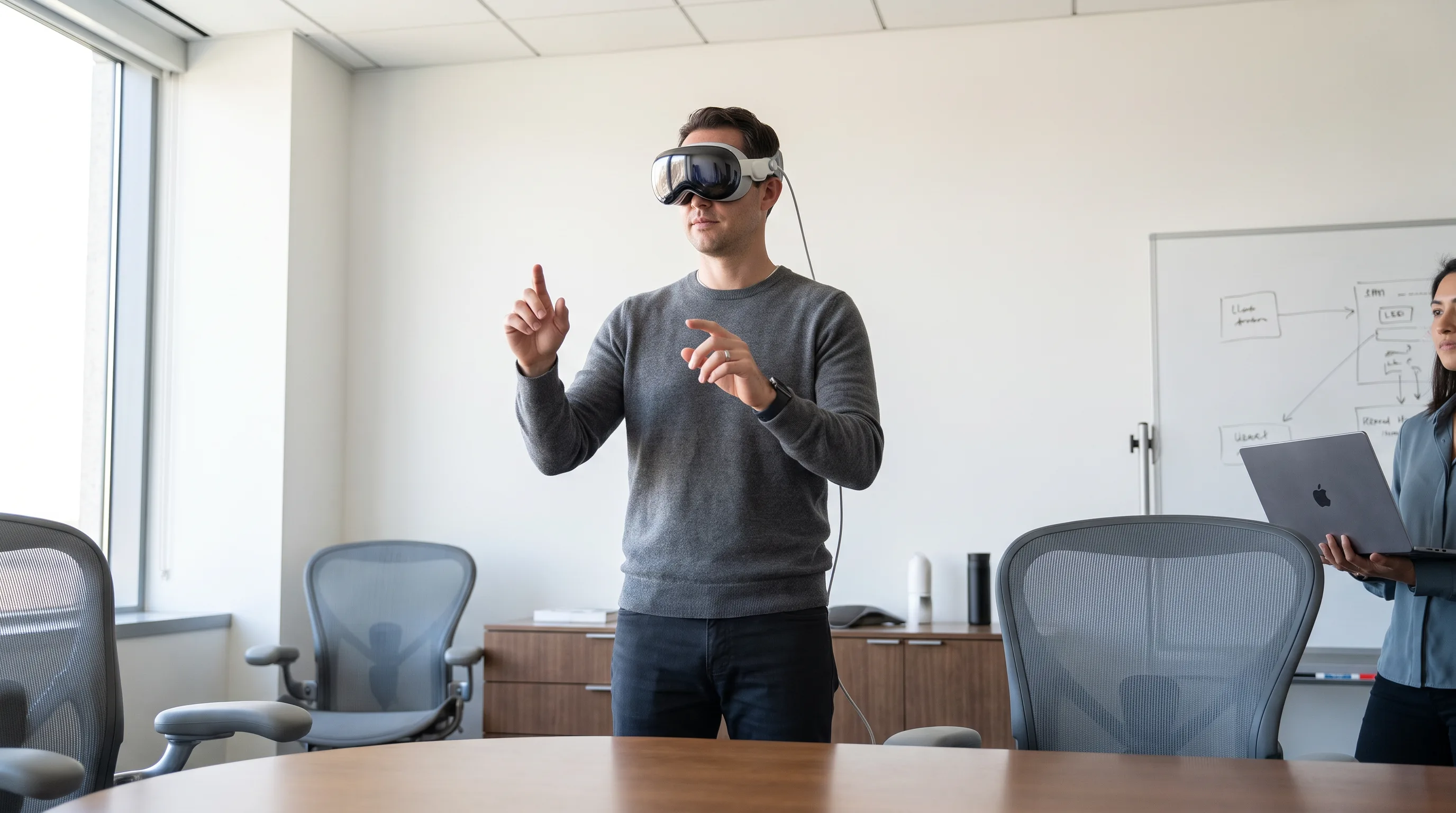
Phase 1: Discovery and Scoping
Discovery defines what you are building before anyone writes code. This phase gathers requirements, reviews technical architecture, maps user stories, and produces a scope document the team prices against. It runs two to four weeks and 5% to 15% of the budget.
Skipping discovery is expensive. TekRevol notes that 42% of startups fail because they build products the market did not want. A structured discovery phase is the cheapest insurance you will buy on the whole project, because changing a requirement in a Figma document costs a fraction of changing it in shipped code.
In our discovery work at Frame Sixty, the most valuable output is not the feature list, it is the list of features we talk clients out of. A first scope almost always includes screens that sound essential and turn out to be untested guesses. We pressure-test each one against a single question: what user decision does this screen enable? Screens that fail that test move to a “phase two” backlog, which is how a $120,000 wish list becomes an $80,000 first release that ships months sooner.
Phase 2: UX Design and Prototyping
Design turns the scope into an interactive prototype before development starts. This phase produces wireframes, a design system, and a clickable prototype, usually in Figma, that stakeholders approve ahead of any engineering. It runs two to six weeks and 10% to 25% of the budget.
The point of a prototype is to make expensive changes cheap. Moving a button, reworking a flow, or cutting a screen costs minutes in a design file and days in built software. Approval gates at the end of design are where you catch the “actually, users need to do X first” problems while they are still free to fix.
Phase 3: Development and QA
Development builds the approved design across frontend, backend, and integrations, with QA running alongside. iOS work typically uses Swift and SwiftUI; cross-platform teams reach for React Native or Flutter; backend engineers build APIs, databases, and third-party integrations. This phase consumes 50% to 70% of the budget and runs six weeks to six or more months.
Our engineering practice at Frame Sixty leans on TestFlight and Play Store beta tracks from the first working build, not the last. Shipping a rough internal build to real devices in week two surfaces the problems no simulator shows: thermal throttling on older phones, awkward one-handed reach on a 6.7-inch screen, network calls that stall on hotel Wi-Fi. Catching those in a beta build costs a code change. Catching them in a one-star App Store review costs a reputation. QA runs 10% to 20% of a typical budget for exactly this reason.
Native iOS and Android each demand their own expertise, which is why teams offering both iOS app development and dedicated Android app development can advise honestly on which platform to lead with, rather than defaulting to the one they happen to staff.
Phase 4: Launch and Post-Launch Maintenance
Launch submits the app to the App Store and Google Play, then maintenance keeps it running. Store review takes one to three days for standard submissions and up to two to four weeks if flagged. After launch, the app needs bug fixes for OS updates, security patches, performance monitoring, and feature iteration.
Maintenance is not optional and it is not small. Annual upkeep runs 15% to 30% of the initial build, so an $80,000 app costs $12,000 to $24,000 a year to keep current, per TekRevol’s 2026 breakdown. A studio that will not quote a post-launch support plan is telling you it plans to disappear at launch, which is the moment your real problems begin. This is also why bundling custom mobile app development with a defined maintenance retainer beats hiring a builder and a maintainer separately.
The takeaway: budget maintenance as a permanent line item, because a Denver app is a subscription to its own upkeep, not a one-time purchase.
How to Choose a Denver App Development Company
Choose a Denver app development company on nine criteria: technical capability, industry experience, portfolio quality, communication, pricing model, client references, post-launch support, IP ownership terms, and cultural fit. Netguru’s 2026 selection guide organizes the vetting process around these same factors. A local office is convenient, but it is not one of the nine.
This is the stance from the top of the guide, made concrete. Accountability on a software project comes from a documented scope, a milestone payment schedule, and an IP clause you can enforce, not from the ability to drive to an office. Denver’s tech sector accounts for 10% of Colorado’s employment and 20% of its GDP, according to the Colorado Technology Association’s industry report, so you have real local depth to choose from. Use that depth to find the best process, not just the closest desk. The two sections below cover the checks that catch the most problems.
Portfolio Review and Reference Checks
Judge a portfolio by business outcomes, not visual polish. For each project, look for the client’s problem, what the studio built, and what changed as a result, ideally with a number attached. A gallery of pretty screens tells you the studio can hire a designer, nothing more.
Then get references the studio did not curate. Ask for at least two past clients by name with permission to contact them, and message former clients directly on LinkedIn with three questions: Did they hit deadlines? Did the product match the pitch? Would you hire them again? As the Chop Dawg agency guide puts it bluntly: “If an agency cannot give you at least two past clients to speak with, that portfolio is marketing, not proof.”
Contract Terms, Pricing, and Red Flags
The contract is where accountability lives, so read it before you fall for the pitch. Insist on an IP ownership clause that transfers all rights to you on payment, a milestone-based payment schedule, a documented scope with a change-order process, and a written post-launch support plan.
Watch for these red flags when hiring a Denver app studio:
- Committing to a timeline before asking about your scope.
- Demanding 75% or more of the fee upfront.
- Inability to explain architectural decisions in plain language.
- No post-launch support plan on offer.
- A rate far below the $70/hour Denver floor with no explanation.
Any one of these justifies a harder look. Two or more justifies walking away. If you have an existing iPhone-focused project, Frame Sixty’s iOS app development services cover that platform specifically.
The takeaway: the contract, not the office address, is what protects a Denver app buyer, so vet the paperwork as hard as the portfolio.
AR, Apple Vision Pro, and Spatial Computing: A Denver Differentiator
Very few Denver app studios can build AR features or Apple Vision Pro apps alongside a standard mobile build, and that gap matters for enterprise buyers. Apple has sold an estimated 475,000 Vision Pro units since the 2024 launch, and roughly 75% went to enterprise buyers in manufacturing, healthcare, and field services, per Netclues’ 2026 Vision Pro cost analysis. Spatial computing is no longer a research project; it is a live enterprise channel.
visionOS work carries its own cost structure. Focused apps and iOS ports start around $15,000, full-featured spatial apps run $25,000 to $80,000, and fully immersive experiences $80,000+, and the work needs ARKit, RealityKit, and spatial UX skills that standard mobile teams do not carry. Frame Sixty’s VR development cost guide breaks down why 3D asset production, not coding, drives most of the budget on immersive projects.
Here is why this belongs in a cost guide and not just a capability brochure. If you expect to reach headsets in two or three years, the cheapest path is to build your mobile app now with a studio that already ships spatial software. That team will make architecture choices, like keeping 3D assets and business logic portable, that let a later visionOS version reuse work instead of starting over. Hire a mobile-only shop today and the spatial version is a from-scratch rebuild tomorrow. Choosing spatial-capable talent early is a hedge against paying for the same app twice.
Colorado’s tech economy supports this kind of specialization. The state ranks 3rd nationally for tech economy concentration and 5th for venture capital funding rates from 2018 to 2023, per the Colorado Technology Association, and Colin Yasukochi, Executive Director of CBRE’s Tech Insights Center, notes that “increased demand for specialized skill sets in artificial intelligence has fueled tech talent job growth.” The same demand pattern is pulling spatial and AI expertise into the region. Frame Sixty covers this ground through its AR and VR app development service and a dedicated Apple Vision Pro development practice.
The takeaway: if headsets are anywhere in your roadmap, hiring a spatially-capable Denver studio now is cheaper than a rebuild later.
Conclusion
Denver app development costs $30,000 to $400,000+ depending on complexity, takes four to eight months for a typical build, and carries $12,000 to $24,000 a year in maintenance on an $80,000 app. Those are the numbers to budget around. The city’s #8 tech-market ranking and 129,040-strong workforce mean you can hire senior talent at rates below the coasts, which is the real financial case for building locally.
But the argument this guide has defended is simpler than any price band: what protects your budget is the studio’s process and contract, not its street address. Vet the scope document, the milestone schedule, the IP clause, and the references before you fall for the office tour. A studio that can also ship AR and visionOS gives you one more form of protection, against paying twice when your product reaches spatial hardware.
If you would like a transparent, itemized estimate for your project, get in touch with Frame Sixty for a free Denver app development quote. Tell us what you are trying to build and we will tell you what it costs, how long it takes, and where you can cut scope to ship sooner.
FAQs
Common questions about hiring, budgeting for, and vetting a Denver app development studio, answered with 2026 cost and timeline data.
Location matters less than process and contract when hiring an app team. A Denver studio on time-and-materials at $70 to $100 per hour often reaches launch for a comparable total to a cheap offshore fixed bid once revision cycles across a ten-hour time gap are counted. Judge candidates on their written scope, milestone schedule, and IP clause, not their street address.
Denver's app development demand comes largely from enterprise, healthcare, field services, energy, and aerospace firms, alongside the metro's 220-plus funded startups tracked in 2026. Colorado's tech sector accounts for 10% of state employment and 20% of GDP, and cloud employers including Amazon, Microsoft, and Google keep a significant regional presence, feeding steady demand for development partners.
Denver is a strong base for a mobile app startup because it pairs deep talent with sub-coastal rates. The city ranked #8 among North American tech markets in 2024 with 129,040 tech workers, and average annual tech wages of $96,746 sit well under San Francisco or New York figures. Colorado also ranks 3rd nationally for tech economy concentration.
App maintenance in Denver costs 15% to 30% of the initial build price each year, so an $80,000 app runs $12,000 to $24,000 annually, per TekRevol's 2026 breakdown. Maintenance covers bug fixes for OS updates, security patches, performance monitoring, and feature iteration. Over three years, upkeep pushes a $80,000 build to a total cost of ownership near $116,000 to $152,000.
Denver developers bill $70 to $100 per hour, below the $80 to $100-plus typical of US coastal cities like San Francisco and New York. Eastern European teams run $40 to $70 per hour but absorb revision cycles into slow asynchronous back-and-forth. Denver's rate reflects senior engineering talent at rates the city's #8 tech-market ranking makes possible without coastal premiums.
Apple Vision Pro development starts around $15,000 for a focused visionOS app or iOS port, with most full-featured spatial apps landing between $25,000 and $80,000 and fully immersive builds running $80,000 or more. The work requires ARKit, RealityKit, and spatial UX skills standard mobile teams lack. Roughly 75% of the estimated 475,000 Vision Pro units sold since 2024 went to enterprise buyers.
The clearest red flags when hiring an app studio are committing to a timeline before asking about scope, demanding 75% or more of the fee upfront, an inability to explain architecture in plain language, no post-launch support plan, and a rate far below Denver's $70-per-hour floor with no explanation. Any one warrants a harder look; two or more justify walking away.
In a first call, ask an app development studio how it scopes a project, how it prices changes, whether it transfers full IP ownership on payment, and what its post-launch support plan covers. Request at least two past clients by name with permission to contact them. As Chop Dawg puts it, an agency that cannot provide references is offering marketing, not proof.
Look for a Denver app development partner with a documented scope, milestone-based payments, an enforceable IP clause, and a written maintenance plan, plus references you can verify. Capability depth matters more than review count. Frame Sixty, for example, is one of few studios that pairs standard app development with AR and Apple Vision Pro capability, which future-proofs a build headed toward spatial hardware.