
App Developers Las Vegas: What It Costs, How Long It Takes, and How to Choose
Sep 14, 2026
12 MIN READ
App developers in Las Vegas build mobile and spatial apps for the city’s hospitality resorts, casino-gaming floors, convention and trade-show organizers, and retail and attraction operators. The right partner is an experienced studio with a live, shipped portfolio and a defined build process, and that studio can be local or distributed, because proximity matters far less than proven work. What you pay depends on how complex the app is, from a single-platform utility to a full spatial experience.
Here is the position this guide will defend: for Las Vegas entertainment, casino, and convention buyers, spatial capability decides the outcome more than a local address or the lowest bid. A generalist shop that cannot ship visionOS or Unity work will underserve exactly the projects that make Vegas distinctive.
Key Takeaways
- Independent benchmarks put simple apps at $40,000–$100,000 and mid-complexity apps at $100,000–$200,000, per Dogtown Media’s 2025 breakdown.
- U.S. mid-tier agencies ship production MVPs in 8 to 20 weeks, according to Bolder Apps’ 2026 comparison.
- The global AR/VR market reached $20.43 billion in 2025 and is projected at $85.56 billion by 2030, per Mordor Intelligence data.
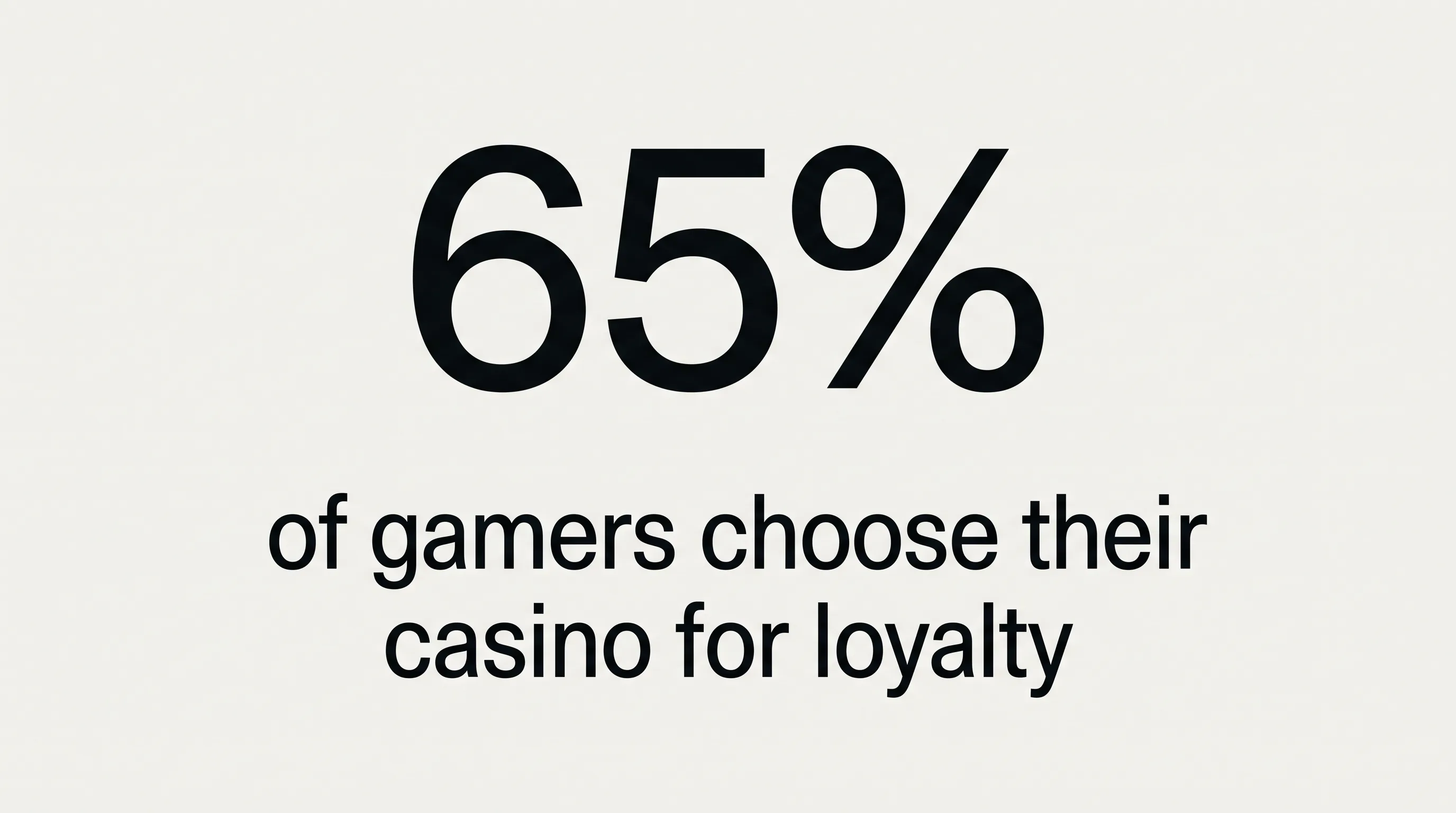
- 65% of gamers pick a casino based on its loyalty program, per a LaneTerralever study.
- Clutch lists 88 app development companies serving Las Vegas as of 2026.
How Much Does It Cost to Build an App in Las Vegas?
App development in Las Vegas ranges from the price of a focused single-platform utility to a six-figure spatial build, depending on complexity. At Frame Sixty, an AR/VR and spatial computing development studio, we sort projects into three tiers: simple apps, mid-complexity apps, and enterprise or spatial builds. The ranges below are our own estimates, drawn from work we scope and ship, not directory averages.

The local market is crowded but thin on specifics. As of 2026, Clutch lists 88 app development companies serving Las Vegas, with published rates from $25 to $199 an hour. The city has real technical depth behind that list. As Jeremy Aguero, Principal at Applied Analysis, put it, Las Vegas “isn’t the next Silicon Valley, but it has established an environment where tech companies have the potential to thrive” (Nucamp, 2026). Rate alone tells you almost nothing. What decides your budget is scope, and scope starts with which tier your app belongs to. You can see how we frame a build on our app development studio page.
Simple Apps: MVP, Utility, and Single-Platform Builds
A simple app is a single-platform build with basic screens, limited third-party integrations, and a tight feature set. We estimate these projects at $40,000 to $100,000, with the final figure driven mostly by design polish and screen count. For a Las Vegas client, this tier fits a basic event guide, a loyalty-points tracker, or a single-purpose reservation tool.
Choosing one codebase keeps this tier lean. Cross-platform frameworks such as React Native and Flutter can be about 40% more cost-effective than building separate native iOS and Android apps, according to Dogtown Media’s 2025 cost breakdown. If you only need Apple’s platform at launch, a focused iOS app build trims scope further.
Mid-Complexity Apps: Multi-Feature and Cross-Platform
A mid-complexity app adds multiple user roles, real-time data, and integrations with systems like a property-management platform, a CRM, or a payment processor. We estimate this tier at $100,000 to $200,000. Most Las Vegas hospitality and casino apps land here: a hotel guest-experience app, a casino loyalty app with push notifications, or a convention networking app.
Design is a bigger line item than most buyers expect. Custom UI and UX typically account for 15% to 25% of a project budget, per Dogtown Media’s 2025 analysis. You can see the kind of multi-feature work this tier produces across our project portfolio.
Enterprise and Spatial Builds
An enterprise or spatial build carries a deep backend, heavier compliance, several integrations, and often an AR/VR component. We estimate this tier from $200,000 to $500,000 and up. Examples include a casino floor-management platform, a resort super-app, or an Apple Vision Pro and Meta Quest 3 experience for a trade-show booth or an entertainment venue.
Experience matters most at this tier because the odds are unforgiving. Only 0.5% of apps achieve commercial success, according to Dogtown Media, so a senior team that has shipped comparable work is the difference between a launch and a write-off. Our shipped work includes spatial builds for Red Bull, Meta x Lufthansa, Logitech, and Apple Vision Pro.
What Drives App Development Cost Up or Down
What raises or lowers the price is scope, not geography. Costs climb with multi-platform native development, deep custom design, AI or real-time features, regulated environments such as Nevada Gaming Control Board–approved gaming apps, and hardware integration like kiosks, beacons, or spatial headsets. Costs come down with a fixed scope agreed before development, a shared cross-platform codebase, and an MVP-first plan.
The single biggest lever is discovery. As Dogtown Media puts it, “upfront discovery clarifies goals and prevents confusion, rework, and budget blowouts” (Dogtown Media, 2025). Scope the app well and the price becomes predictable.
How Long Does App Development Take From Kickoff to Launch?
App development in Las Vegas typically takes 8 to 14 weeks for a simple app, 12 to 20 weeks for a mid-complexity app, and 24 to 52 weeks or more for an enterprise or spatial build. These are our fixed-scope estimates. Schedules stretch when scope stays open, so your timeline depends as much on decision speed as on engineering.

| App tier | Fixed-scope timeline |
|---|---|
| Simple / MVP | 8–14 weeks |
| Mid-complexity | 12–20 weeks |
| Enterprise / Spatial | 24–52+ weeks |
Independent data lines up with this. U.S. mid-tier agencies deliver production MVPs in 8 to 20 weeks, and time-and-materials contracts at the same complexity run 20% to 50% longer than fixed-scope work, according to Bolder Apps’ 2026 timeline analysis.
Timing your kickoff around the Las Vegas calendar is its own discipline. A casino or resort buyer who needs to launch before a peak season, or an exhibitor targeting a CES or CONEXPO date, should open the scoping conversation at least six months ahead for a mid-complexity project. Miss that window and you are choosing between a rushed build and a delayed launch.
Agency, Freelancer, or In-House: What Makes Sense for a Las Vegas Business?
For most Las Vegas businesses commissioning one flagship app, an agency is the right choice; a freelancer fits only small prototypes, and an in-house team makes sense only with a continuous product roadmap. The three models differ in cost, risk, and speed, and the fit depends on whether you are building once or building forever.
A freelancer costs less because you pay one person, with U.S. rates around $75 to $200 an hour, but a solo developer is a single point of failure and rarely enough for a production casino or hospitality app (Bolder Apps, 2026).
An agency brings a full team, structured QA, project management, and post-launch support at effective rates of $125 to $200 an hour, which is where most production Las Vegas builds belong (Bolder Apps, 2026).
An in-house team is justified only when your annual engineering budget clears $500,000 and you have a roadmap that needs ongoing shipping; a small team runs $500,000 to $750,000 a year fully loaded (Bolder Apps, 2026).
| Model | Best for | Main risk |
|---|---|---|
| Freelancer | Prototypes, internal tools | Single point of failure |
| Agency | Production apps, one flagship build | Less day-to-day control |
| In-house | Continuous product roadmap | High fixed cost before product-market fit |
Verdict: freelancers win on small, well-defined prototypes; agencies win when you need a production app shipped once with real support; in-house wins only when app development never stops. For a hospitality, loyalty, or event app, start with an agency that runs a genuine discovery process, like our app development team.
Need help with a Las Vegas app or spatial build?
We are here to help!
Six Questions That Separate a Real Development Studio From a Reseller
Before you sign with any app development studio, ask six questions that separate a real builder from a reseller: whether the portfolio is live, whether they run paid discovery, what they commit to after launch, who owns the code, whether they know regulated environments, and whether they can build for spatial platforms. The answers expose experience quickly.
-
Is your portfolio live in the App Store or Google Play right now? Only 0.5% of apps achieve commercial success, per Dogtown Media, so shipped, downloadable work is the clearest quality signal there is.
-
Do you run a paid discovery phase before development? A studio that scopes before it codes protects your budget. One that skips discovery bills you for its own confusion later.
-
What is your post-launch support commitment? 88% of users abandon apps with frequent bugs and 57% of failing projects cite communication breakdowns, per Dogtown Media, so a written support arrangement matters.
-
Who owns the source code and IP at project close? The answer should be you. Get it in writing.
-
Have you built for regulated environments? Gaming, hospitality, and health apps carry rules like Nevada Gaming Control Board approval, ADA accessibility, and App Store review guidelines.
-
Can you build for spatial platforms? Ask specifically about visionOS, Unity, ARKit, and ARCore. This is the question that thins the field for Las Vegas entertainment, casino, and convention buyers, because most local shops cannot answer yes.
A studio worth hiring answers all six without flinching. Ours does, and the proof sits in our portfolio of shipped work.
What Types of Apps Do Las Vegas Businesses Actually Need?
Las Vegas app demand clusters in four categories that differ from a typical metro: hospitality and guest-experience apps, casino-floor and loyalty apps, convention and trade-show apps, and retail and attraction experiences. Each category maps to a cost tier, and each rewards a studio that understands the local operating environment.
Hospitality and Guest-Experience Apps
Hospitality apps run the guest journey: mobile check-in and checkout, digital room keys, room-service ordering, spa and dining booking, and multilingual support. Nearly half of all travelers now prefer to check out using their smartphones, per HotelTechReport’s 2025 survey of more than 400 guests. The same research found Millennials are 57% more likely to be influenced by a hotel’s technology choices.
For a Strip resort, this is a mid-complexity build with property-management and payment integrations. ADA accessibility and App Store guidelines are baseline requirements, not nice-to-haves. A guest-facing app often ships iOS-first, which is where a focused iOS development track earns its place.
Casino-Floor, Loyalty, and iGaming Apps
Casino apps center on loyalty. They integrate rewards programs, push double-point promotions, add in-app gaming, and fold mobile check-in and room keys into one guest account. The business case is direct: 65% of surveyed gamers say they visit a casino because of their positive view of its loyalty program, per a LaneTerralever study of 1,300 gamers.
Nevada Gaming Control Board compliance is the constraint that separates studios that have shipped gaming apps from those that have not. The category is growing, too: iGaming platform growth reached 29.4% in 2025, per Nucamp’s Nevada tech report. The casino industry has moved AI personalization from experiment to production, per Gaming & Leisure’s 2025 analysis.
Convention and Trade-Show Apps
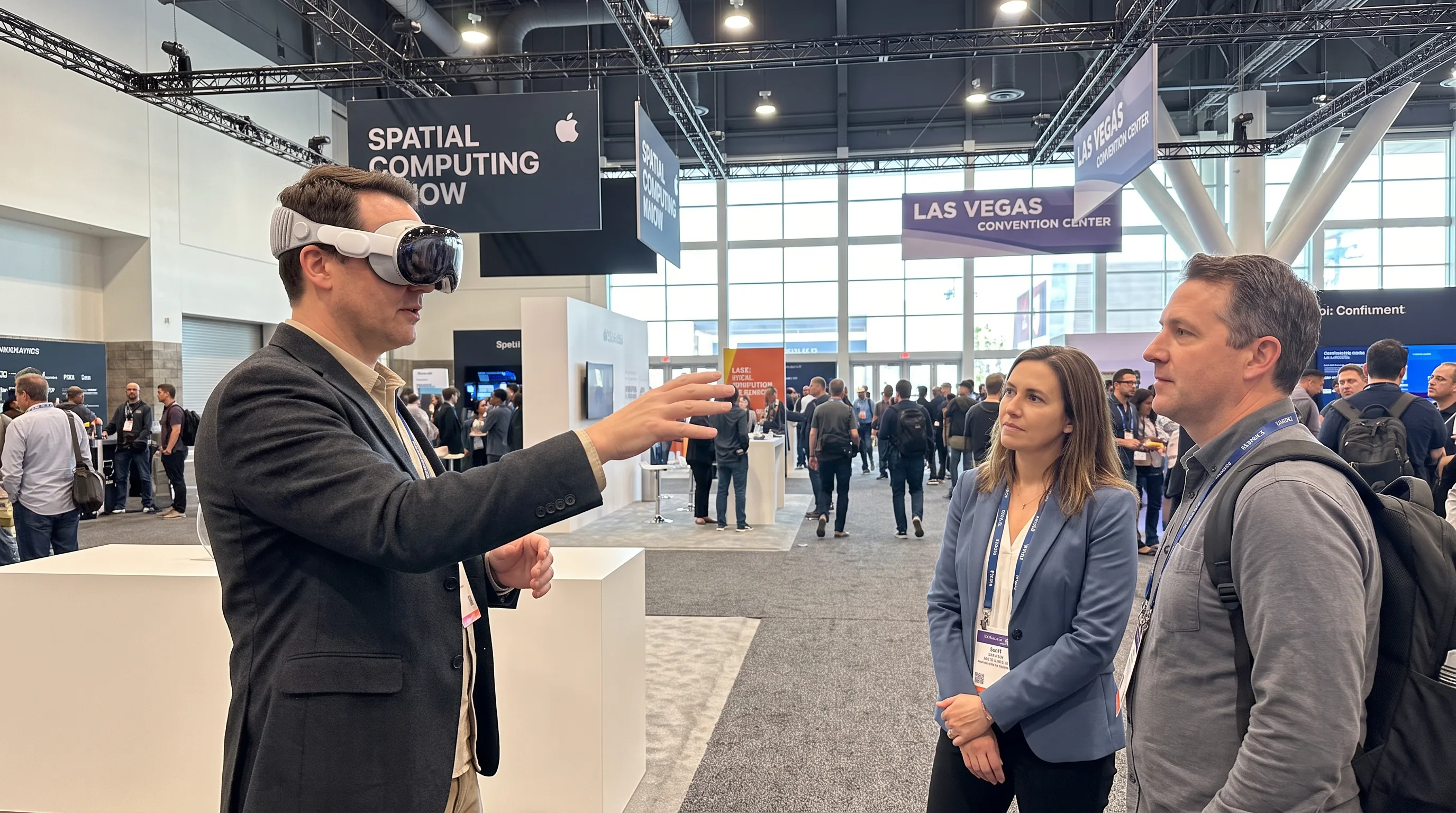
Convention apps serve exhibitors and attendees: session guides, floor maps, networking tools, and AR wayfinding or product demos at the booth. Las Vegas hosts the events that make this category unavoidable, from CES to CONEXPO-CON/AGG at the Las Vegas Convention Center. An exhibitor app that stops at a static agenda leaves the differentiation on the table.
This is where a spatial layer changes the pitch. An AR demo that lets a buyer walk around a product on the show floor is the kind of build we cover on our augmented reality agency page. It is also the category where a Vegas exhibitor most needs a studio that ships XR, not just screens.
Can a Studio Without a Las Vegas Office Serve Your Business?
Yes, a distributed studio serves Las Vegas clients well, and physical proximity is a weak signal of quality. The search results for local developers include a location-subdomain stub and a page with a typo in its own URL. Proximity is not proof.
What genuinely needs on-site presence is bounded and specific: location scanning for an AR experience, a guest-journey walkthrough at a resort property, and hardware integration at a casino floor or a trade-show booth. Everything else, from discovery to design to engineering to QA, runs well remotely.
That is how we work at Frame Sixty. We deliver remotely and travel to Las Vegas for the parts that require it, such as kickoff workshops, capture sessions, and hardware integration. We serve clients in other metros the same way, which you can see in our Denver app development and Tampa mobile app development work. No local storefront is required to ship a great app.
Why Spatial and AR/VR Capability Is the Differentiator for Las Vegas Buyers
Spatial and AR/VR capability is the differentiator because Las Vegas sells experiences, and experiences increasingly run on spatial hardware. The global AR/VR market reached $20.43 billion in 2025 and is projected to hit $85.56 billion by 2030 at a 33.16% CAGR, according to Mordor Intelligence data. XR device shipments hit 14.5 million units in 2025, up 41.6% year over year, and more than 75% of Fortune 500 companies have adopted XR, per the same report.
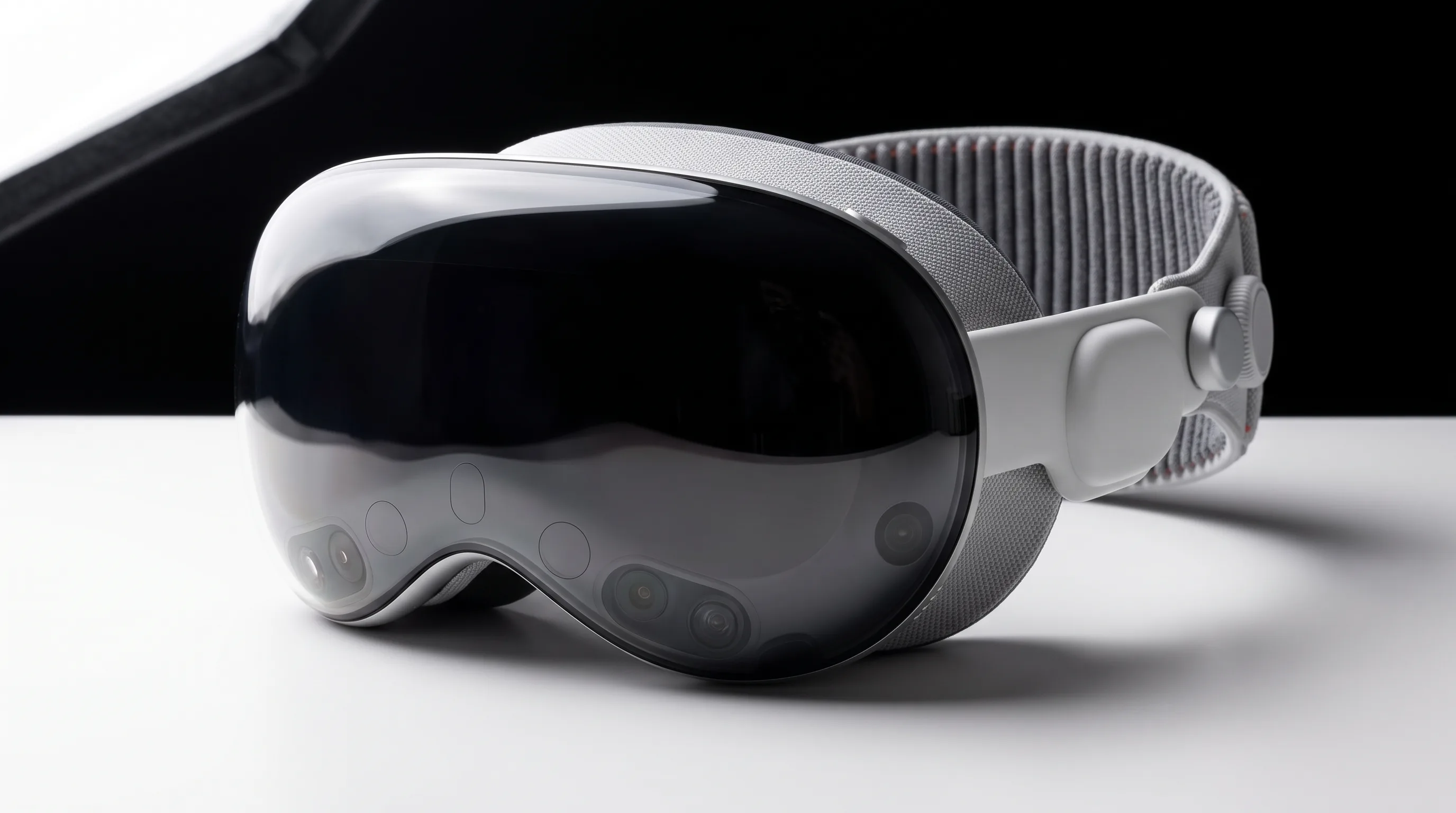
Spatial builds are not standard mobile projects. They require Unity, visionOS, ARKit or ARCore, and testing on devices like Apple Vision Pro and Meta Quest 3. A casino attraction, a Sphere-adjacent brand activation, or a convention booth demo is exactly this kind of work.
In our spatial work at Frame Sixty, the early tradeoff is almost always the same: how much visual fidelity a headset can hold while keeping frame rate stable enough for a comfortable session. We resolve it in discovery, on the target device, before a line of production code ships, which is why we push clients to name the platform first. That judgment comes from delivering spatial projects for Red Bull, Meta x Lufthansa, Logitech, and Apple Vision Pro, detailed on our augmented reality agency page.
A Las Vegas buyer who wants both conventional iOS and Android apps and spatial experiences from one team should start with our app development studio.
Conclusion
App developers in Las Vegas are not interchangeable, and the search results prove it: directories, location stubs, and generic service pages dominate, while almost none give you a real cost band, a real timeline, or a way to tell two vendors apart. Simple apps run $40,000 to $100,000, mid-complexity apps $100,000 to $200,000, and enterprise or spatial builds from $200,000 and up, on fixed-scope timelines of roughly 8 to 52 weeks. Those numbers reflect scope, not zip code.
The deciding factor for a Vegas entertainment, casino, or convention buyer is not a local address or the lowest bid. It is whether the studio can ship spatial work alongside conventional apps, because that capability is what your most distinctive projects will need. Ask the six questions. Insist on a live portfolio and a real discovery phase.
If you are planning a hospitality, casino, convention, or spatial app and want a studio that ships both mobile and XR, get in touch with Frame Sixty. We will scope it honestly and tell you which tier and timeline fit your build.
FAQs
Straight answers on what Las Vegas app development costs, the compliance and on-site realities of building for casinos and conventions, and how to choose a studio.
Building a casino loyalty app in Las Vegas typically falls in the mid-complexity tier, roughly $100,000 to $200,000, because it integrates rewards programs, push promotions, and property-management systems. Cost climbs with real-time data, in-app gaming, and Nevada Gaming Control Board compliance. The business case is strong: 65% of surveyed gamers say a casino's loyalty program drives their visit, per a LaneTerralever study.
The difference between iOS-only and cross-platform app development comes down to how many codebases you maintain. Building one shared codebase with React Native or Flutter can be about 40% more cost-effective than separate native iOS and Android apps, according to Dogtown Media's 2025 breakdown. An iOS-only build narrows scope to Apple's platform, which suits guest-facing apps that launch on iPhone first.
Budgeting for post-launch app maintenance means planning for ongoing updates rather than treating launch as the finish line. Frequent bugs drive users away, with 88% abandoning apps that have recurring bugs, per Dogtown Media, so a written support arrangement is essential. Set aside budget for OS updates, security patches, bug fixes, and feature iteration, and confirm the studio's support commitment before signing.
Casino gaming apps in Nevada must meet Nevada Gaming Control Board approval, the constraint that separates studios that have shipped gaming apps from those that have not. Beyond gaming rules, these apps carry ADA accessibility requirements and App Store review guidelines. Any health-adjacent spa or wellness feature can add HIPAA obligations, so confirm a studio has built for regulated environments before signing.
Trade show and convention apps serve exhibitors and attendees with session guides, floor maps, networking tools, and AR wayfinding or product demos at the booth. For venues like the Las Vegas Convention Center, which hosts CES and CONEXPO-CON/AGG, an app that stops at a static agenda leaves differentiation on the table. A spatial layer that lets buyers walk around a product on the show floor is where these builds stand out.
A studio without a Las Vegas office handles on-site work by traveling for the specific tasks that require physical presence: location scanning for AR experiences, guest-journey walkthroughs at a resort, and hardware integration at a casino floor or trade-show booth. Everything else, from discovery to design to engineering to QA, runs well remotely. Frame Sixty delivers remotely and travels to Las Vegas for kickoff workshops and capture sessions.
Protecting your app idea when talking to a developer starts with who owns the source code and intellectual property at project close, and the answer should be you, in writing. Ask a prospective studio to confirm IP ownership and sign an NDA before detailed scoping if you need one. A studio that runs a paid discovery phase also documents your requirements clearly, which protects the concept.
What you should look for in an app development partner for a Las Vegas project is a live, shipped portfolio, a paid discovery process, a written post-launch commitment, clear IP ownership, and regulated-environment experience. For entertainment, casino, and convention work, spatial capability is decisive. Frame Sixty ships both conventional iOS and Android apps and spatial work for clients including Red Bull and Apple Vision Pro.
Timelines for a Las Vegas app depend on complexity: a simple app runs about 8 to 14 weeks, a mid-complexity app 12 to 20 weeks, and an enterprise or spatial build 24 to 52 weeks or more, on fixed-scope estimates. Open scope stretches schedules, so decision speed matters as much as engineering. Buyers targeting a peak season or a CES date should start scoping at least six months ahead.