
How to Choose the Right Virtual Reality Development Service for Your Business
Apr 2, 2026
12 MIN READ
This guide is vendor-neutral; for how Frame Sixty runs these projects, see our virtual reality development service.
When researching companies to find the best virtual reality development service, it is crucial to look beyond basic software development capabilities. Building an immersive, enterprise-grade experience requires a unique blend of 3D artistry, spatial engineering, and strategic business alignment. These services combine expertise in software engineering, 3D modeling, and user experience design to create realistic, high-performance applications compatible with platforms such as Unity3D, Unreal Engine, and OpenXR. Effective providers ensure technical optimization, accessibility, and cross-platform functionality while aligning solutions with measurable outcomes like engagement and ROI. Selecting the right partner involves evaluating technical proficiency, design quality, industry experience, and adherence to standards that enable scalable, future-ready VR solutions.
Understanding the Role of a Virtual Reality Development Service
A professional virtual reality development service provides the end-to-end design, development, and deployment of interactive 3D environments tailored for business use. These services bring together core expertise in software engineering, 3D modeling, and human-computer interaction to build experiences that seamlessly simulate real or imagined settings
What a VR Development Partner Actually Does
A VR development partner manages the full process of creating immersive experiences—from concept design to deployment and maintenance. This includes:
- 3D asset creation using tools like Blender, Autodesk Maya, or proprietary modeling pipelines such as Frame Sixty’s 3D model design services.
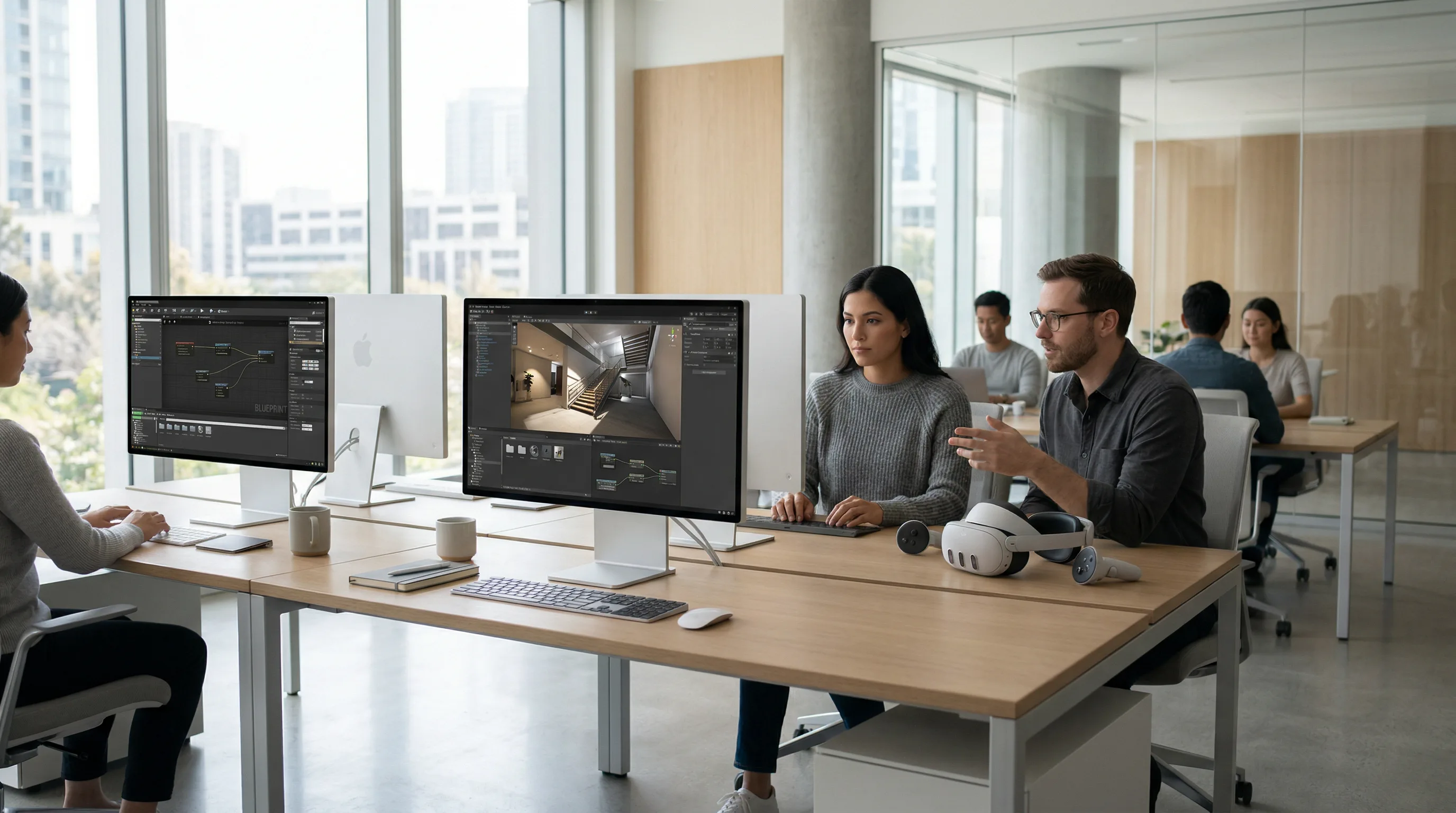
- Software development with engines such as Unity3D or Unreal Engine.
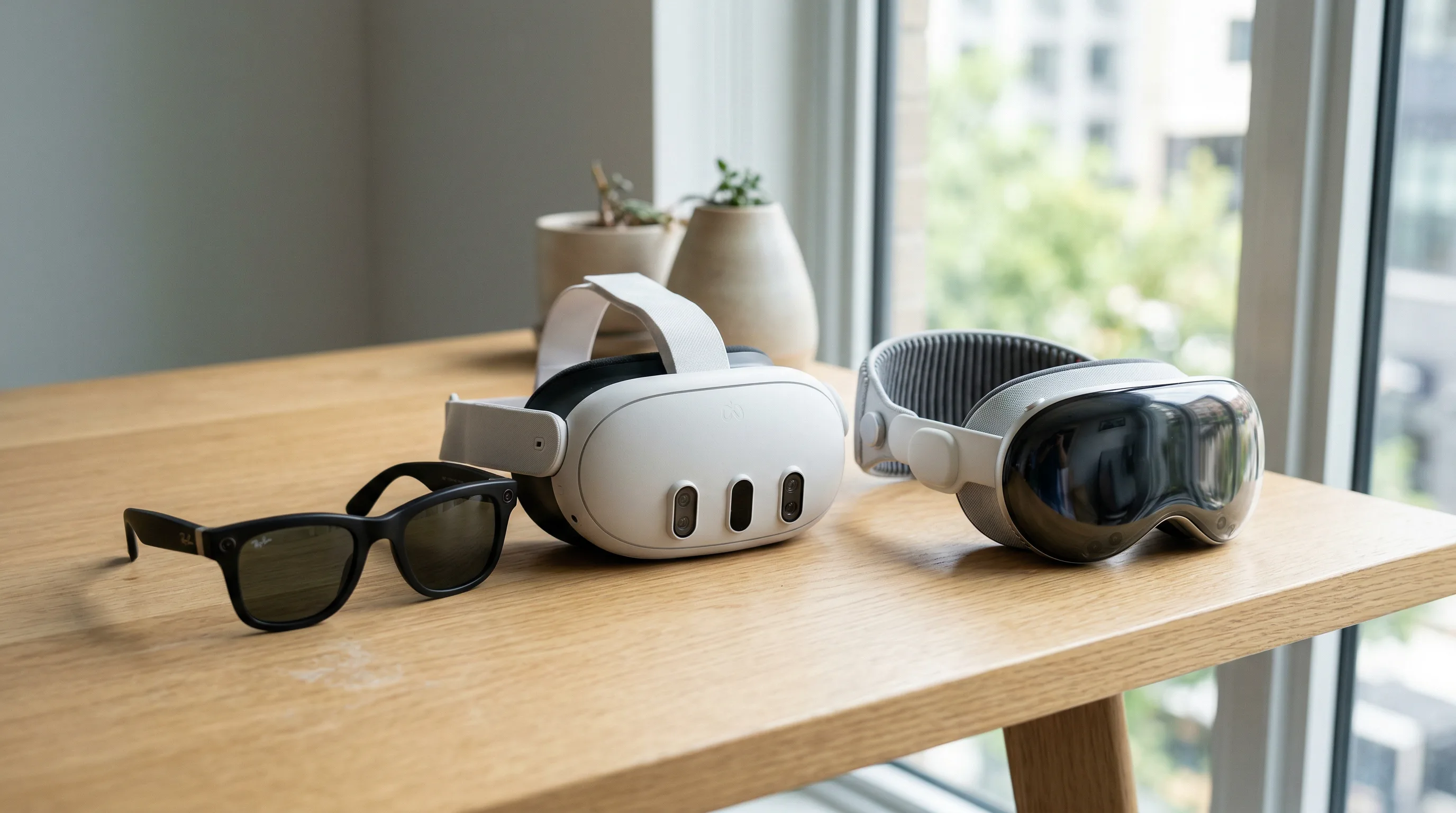
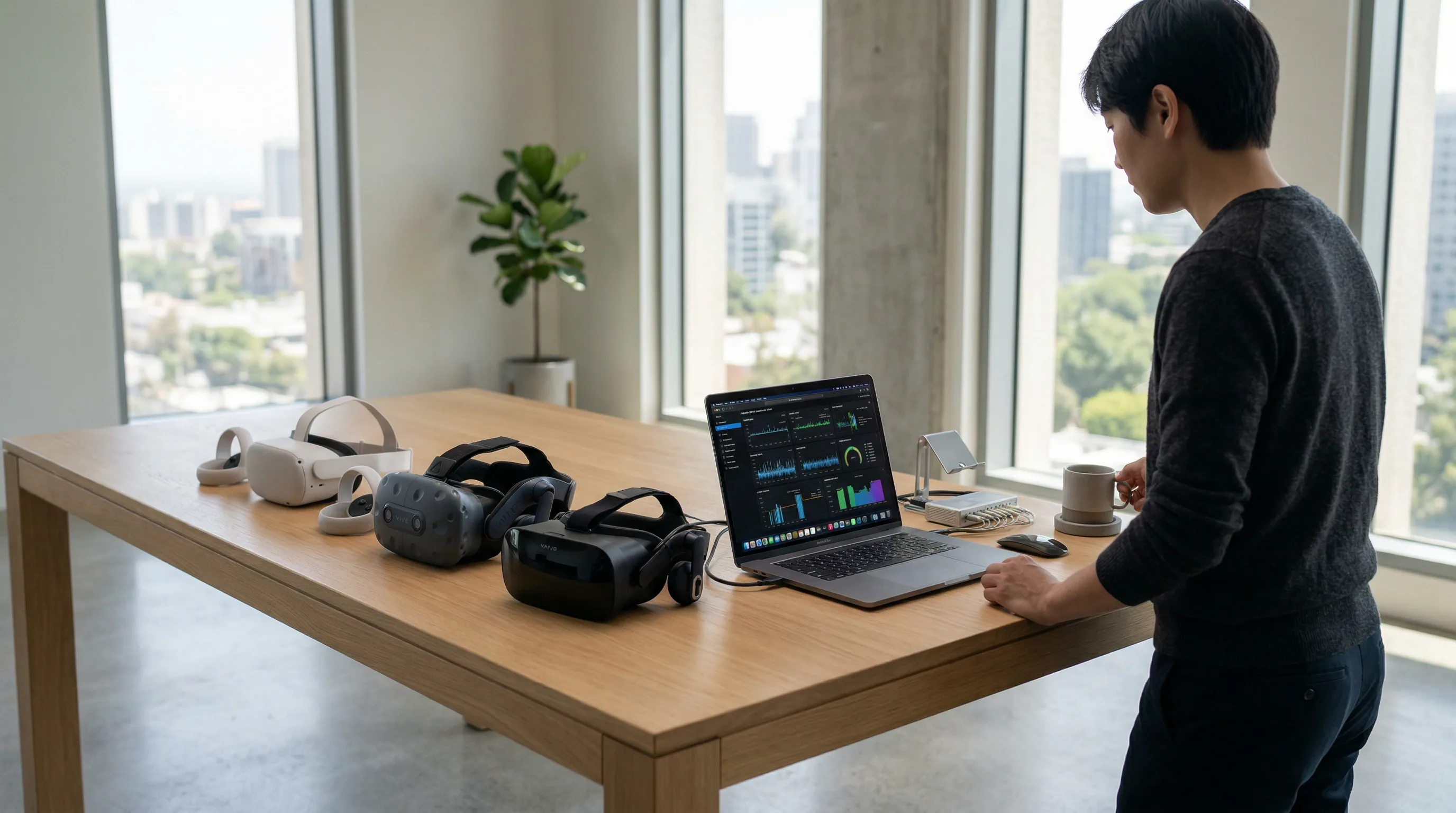
- Hardware integration for devices including Oculus Quest, HTC Vive, and Varjo headsets.
- Performance optimization to keep frame rates high and latency low.
- User testing and iteration to improve comfort, usability, and engagement.
Leading providers also consult on XR strategy, helping businesses decide whether VR, AR, or mixed reality (MR) best fits their needs. For example, Frame Sixty combines technical development with creative direction to ensure each project aligns with the brand and target audience.
Core Capabilities: From 3D Modeling to Immersive Experience Design
A capable VR studio should be skilled in 3D modeling services, animation, interaction design, and real-time rendering. These areas work together to produce realistic simulations and intuitive interfaces. In industrial settings, accurate 3D modeling is essential for virtual prototyping and training simulations—fields where 3D modeling for manufacturing and industrial design is especially important.
An effective VR partner also understands immersive experience design, which combines storytelling, spatial audio, and interface design to create engaging environments. This creative layer turns technical assets into purposeful experiences.
Distinguishing VR, AR, and XR Solutions for Business Applications
Virtual reality (VR) immerses users in a digital environment, augmented reality (AR) overlays digital elements on the real world, and extended reality (XR) includes both. Understanding these differences helps businesses choose the right provider. For example:
| Technology | Description | Common Business Use |
|---|---|---|
| VR | Fully immersive digital environment | Training, simulation, virtual tours |
| AR | Digital overlays on real-world view | Retail visualization, maintenance support |
| XR | Combination of VR and AR | Enterprise collaboration, spatial computing |
A company like Frame Sixty offers agentic spatial computing solutions that merge these technologies to create adaptive, intelligent environments.
Key takeaway: A VR development service should combine technical accuracy, creative design, and strategic planning to deliver immersive solutions that meet your business goals.
Need help with VR development?
We are here to help!
Identifying Your Business Goals and VR Use Cases
Choosing a virtual reality development service starts with defining clear business goals and use cases. VR can improve productivity, engagement, and innovation across industries.
Enterprise VR Applications: Training, Simulation, and Virtual Prototyping
Enterprise VR applications are among the fastest-growing areas of immersive technology. According to Statista, the global VR market continues to expand at double-digit rates, driven by corporate training and simulation.
VR-based training simulations let employees practice complex tasks in safe environments. Manufacturing companies use VR to train technicians on heavy machinery, while healthcare institutions use it for surgical simulations. These solutions lower costs, improve retention, and enhance safety.
Virtual prototyping allows designers to test models before physical production. This approach saves time and resources, especially when combined with 3D modeling for industrial design.
Marketing, Retail, and Customer Engagement Use Cases
In marketing and retail, VR enables immersive brand experiences that engage customers more deeply. Virtual showrooms, interactive product demos, and branded VR events let consumers explore products in 3D before purchasing.
Fashion brands use VR for digital runway shows, and automotive companies let customers test-drive vehicles virtually. These experiences can increase conversion rates and session duration, key indicators of engagement.
Industrial and Healthcare Applications of Spatial Computing
Spatial computing—the merging of physical and digital spaces—has become central to industrial and healthcare innovation. Frame Sixty’s agentic spatial computing solutions show how AI-driven environments can adapt to user behavior in real time.
In healthcare, VR supports pain management, rehabilitation, and medical education. Industrial firms use VR for remote collaboration, maintenance visualization, and digital twin simulations.
Key takeaway: Define your business objectives early—training, marketing, or industrial optimization—so your VR partner can tailor the solution to measurable results.

Evaluating Technical Expertise and Tools
The technical foundation of a VR project affects its performance, scalability, and user experience. A strong development partner demonstrates skill across multiple engines, frameworks, and hardware systems.
Comparing Leading Development Platforms: Unity3D vs. Unreal Engine
Two engines dominate VR development: Unity3D and Unreal Engine. Both offer powerful tools but differ in rendering pipelines, scripting languages, and optimization workflows.
| Feature | Unity3D | Unreal Engine |
|---|---|---|
| Developer | Unity Technologies | Epic Games |
| Programming Language | C# | C++ / Blueprints |
| Strengths | Flexibility, cross-platform support, asset store | Photorealistic rendering, cinematic quality |
| Ideal Use | Mobile and enterprise VR apps | High-end simulations, architectural visualization |
Unity works well for cross-platform VR app development, while Unreal Engine excels in photorealistic rendering. The best VR development service selects the engine based on your project’s performance and visual goals.
Understanding Hardware Ecosystems: Oculus Quest, HTC Vive, Varjo, and Microsoft HoloLens
Hardware compatibility is another key factor. The Oculus developer documentation provides details about Meta’s ecosystem, which supports standalone headsets like the Oculus Quest. HTC Vive and Varjo focus on enterprise-grade applications with higher resolution and tracking precision. Microsoft HoloLens combines AR and VR for mixed-reality experiences.
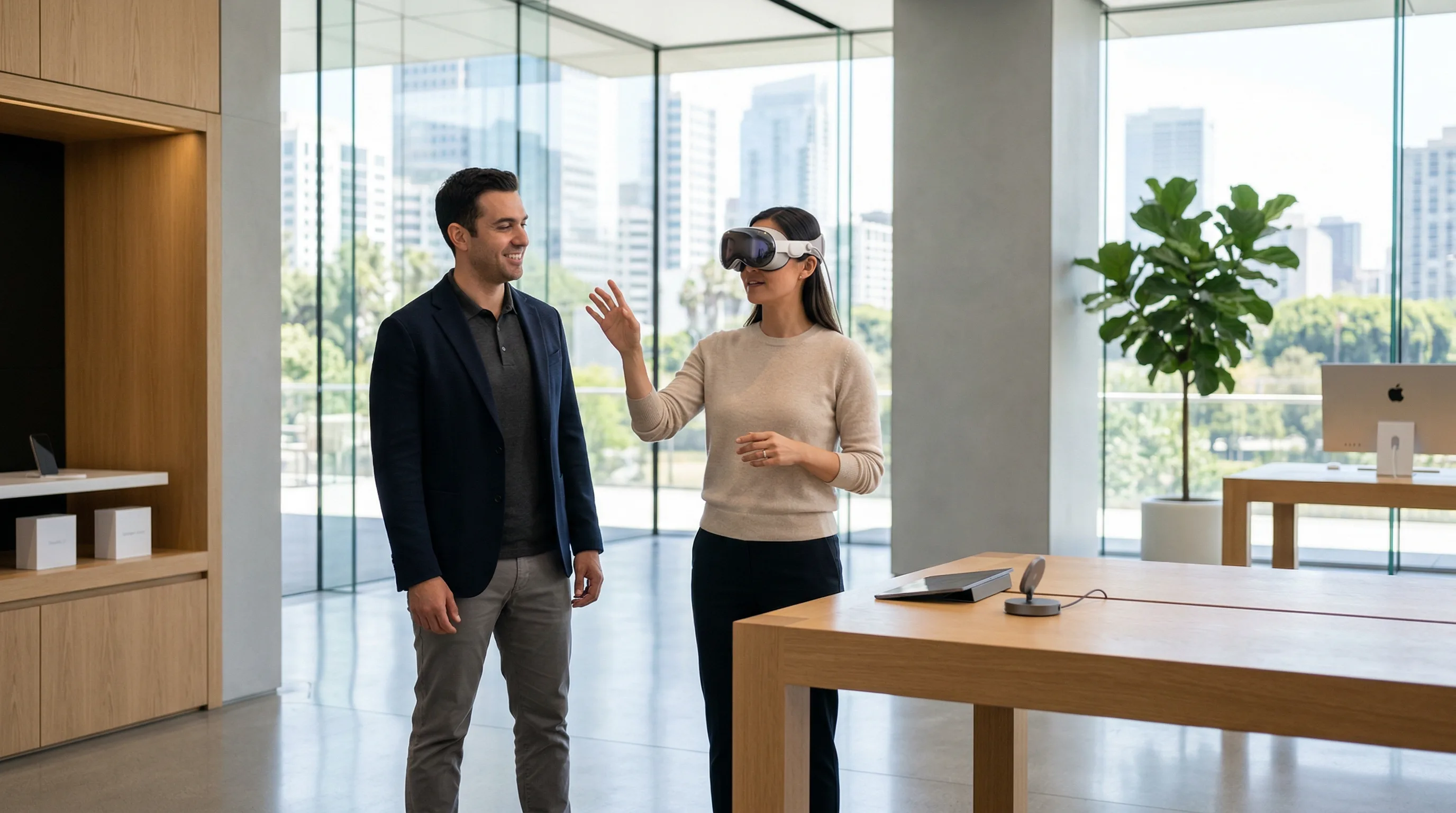
A capable VR partner ensures smooth deployment across these devices, optimizing performance for each. For instance, Frame Sixty’s developer insights on Apple Vision Pro explore how new hardware platforms are changing immersive design.
Integration with Standards and Frameworks: OpenXR, WebXR API, and IEEE VR Standards
Interoperability supports long-term scalability. The OpenXR standard lets developers build applications that run on multiple hardware systems without rewriting code. The W3C Immersive Web Community Group defines the WebXR API, which allows VR experiences to run in browsers.
Following IEEE VR standards ensures compliance with performance and safety benchmarks. A professional VR service should also follow NIST guidelines for measurement and calibration to maintain consistency across devices.
Assessing Real-Time Rendering and Performance Optimization Skills
Real-time rendering is central to immersive design. The NVIDIA Omniverse platform supports scalable rendering pipelines and spatial computing workflows. Developers must optimize frame rate, latency, and field of view to reduce motion sickness and maintain immersion.
A partner like Frame Sixty uses AI in virtual reality development to automate rendering optimization and scene management, ensuring smooth performance across devices.
Key takeaway: Evaluate a VR partner’s knowledge of engines, frameworks, and optimization methods to ensure technical quality and cross-platform stability.
Assessing Design and User Experience Capabilities
The success of a VR project depends on user experience (UX) as much as technical performance. A well-designed interface improves immersion and reduces discomfort.
The Importance of Interaction Design and Motion Comfort
Interaction design defines how users move through and manipulate virtual environments. Poorly designed interactions can cause disorientation or fatigue. A skilled VR development service ensures intuitive controls, spatial cues, and ergonomic interfaces.
Motion comfort relies on maintaining consistent frame rates (ideally 90 FPS or higher) and minimizing latency. Following IEEE VR standards helps developers meet these goals.
Evaluating Frame Rate, Latency, and Field of View Metrics
Performance metrics directly affect user comfort:
| Metric | Optimal Value | Impact |
|---|---|---|
| Frame Rate | 90–120 FPS | Smooth motion, reduced nausea |
| Latency | < 20 ms | Better responsiveness | | Field of View | 100°–120° | Greater immersion |
A reliable partner measures these using NIST performance standards and tests continuously during development.
Ensuring Accessibility and Cross-Platform Compatibility
Accessibility ensures inclusivity for all users. Developers should design for different physical abilities, vision levels, and hardware access. Cross-platform compatibility—supported by OpenXR and WebXR—ensures experiences run smoothly across devices and browsers.
Key takeaway: Choose partners who balance technical performance with user comfort, accessibility, and inclusive design.
Reviewing Portfolios and Industry Experience
A company’s portfolio shows its technical range, creativity, and industry understanding. Reviewing past projects helps you see whether their expertise matches your goals.
How to Evaluate a VR Development Company’s Past Projects
When reviewing portfolios, look for:
- Variety of projects across industries.
- Demonstrated ROI through engagement or conversion metrics.
- Visual quality and interaction design.
- Client testimonials or case studies.
Frame Sixty’s About Us page outlines their multidisciplinary team and cross-sector experience, showing how they customize solutions for enterprise, education, and creative industries.
Sector-Specific Expertise: Education, Manufacturing, and Healthcare
Each sector requires specific design and technical approaches:
- Education: Interactive simulations improve learning retention.
- Manufacturing: Virtual prototyping speeds up design iteration.
- Healthcare: Immersive training enhances procedural accuracy.
Frame Sixty’s industrial design services demonstrate how precise modeling supports manufacturing and engineering workflows.
Case Studies that Demonstrate ROI and User Engagement Rate Improvements
A credible VR partner should measure success through metrics such as user engagement rate, session duration, and conversion rate. Reports from McKinsey show that immersive training can increase knowledge retention by up to 75% compared to traditional methods.
Key takeaway: A strong portfolio with measurable outcomes shows a VR company’s ability to deliver real business results.
Understanding Project Scope, Timeline, and Costs
Budgeting and scheduling are key factors when selecting a VR development partner. Transparent pricing and realistic timelines reflect professionalism and reliability.
What Factors Affect VR Project Costs
VR project costs depend on:
- Complexity of the environment and number of interactive elements.
- Hardware targets (mobile VR vs. high-end PC VR).
- Level of realism in 3D modeling and animation.
- Integration with external systems such as AI or IoT.
Custom experiences, such as those made for Apple Vision Pro, often cost more due to hardware-specific optimization.
How Long Does a VR Project Take to Develop
Development timelines vary by scope:
| Project Type | Typical Duration |
|---|---|
| Basic VR demo | 4–6 weeks |
| Enterprise training simulation | 3–6 months |
| Full-scale immersive platform | 6–12 months |
Agile methods help manage complexity by delivering prototypes and collecting feedback early.
Balancing Quality, Speed, and Budget in VR App Development
Balancing these factors requires trade-offs. A skilled partner uses modular development, asset reuse, and automation to maintain quality while controlling costs. Frame Sixty’s AI developer services apply machine learning to speed up asset creation and testing.
Key takeaway: Clear cost estimates and agile scheduling keep your VR project on budget while maintaining high quality.
Evaluating Collaboration and Communication Practices
Effective collaboration ensures your vision is accurately translated into the final product. Transparent communication is a key trait of a reliable VR partner.
Agile Development in VR Projects
Agile methods—sprints, scrums, and iterative feedback—enable continuous improvement. Regular testing cycles ensure that user experience and technical performance evolve together.
Transparency in Milestones, Feedback Loops, and Deliverables
A professional VR service provides:
- Clear milestone definitions.
- Regular progress updates.
- Shared documentation and open communication channels.
These practices align expectations and prevent costly misunderstandings.
Partnering for Long-Term XR Solutions and Support
VR projects often expand into broader XR ecosystems involving AR and spatial computing. Long-term partnerships, such as those supported by Frame Sixty, provide maintenance, updates, and feature growth.
Key takeaway: Choose a VR partner that values transparency and offers long-term support for evolving XR needs.
Measuring Success and ROI from VR Investments
Measuring ROI confirms that your VR investment delivers measurable business results. Metrics and analytics reveal user engagement and performance.
Key Performance Metrics: Conversion Rate, Retention Rate, and Session Duration
Key metrics include:
- Conversion rate: Percentage of users completing desired actions.
- Retention rate: Frequency of returning users.
- Session duration: Average time spent in the experience.
Tracking these helps determine whether the VR solution meets engagement and learning goals.
Conducting ROI Analysis for Immersive Experience Design
ROI analysis compares the cost of VR implementation with benefits such as reduced training time or increased sales. According to McKinsey, companies using immersive technologies often see ROI within 12–18 months.
Using Analytics to Improve User Engagement and Reduce Motion Sickness Index
Analytics tools can track user gaze, movement, and interaction patterns to identify friction points. Reducing the motion sickness index improves comfort and retention. Frame Sixty’s AI in virtual reality development applies predictive analytics to refine user experiences dynamically.
Key takeaway: Ongoing measurement and optimization turn VR from a novelty into a data-driven business tool.
Ensuring Future Scalability and Innovation
Future-proofing your VR investment means preparing for new technologies and maintaining compatibility across evolving systems.
Preparing for Emerging Technologies: Spatial Computing and AI Integration
The next wave of immersive innovation involves spatial computing and AI-driven environments. Frame Sixty’s agentic spatial computing shows how adaptive systems can respond intelligently to user context. AI integration enhances personalization, automates content generation, and enables predictive interactions.
Supporting Cross-Platform Deployment with OpenXR and W3C Immersive Web Standards
Cross-platform deployment ensures scalability. The OpenXR framework and W3C Immersive Web standards let developers build once and deploy everywhere, reducing maintenance costs and expanding reach.
Building Sustainable VR Ecosystems with NVIDIA and Meta Platforms Toolchains
Sustainability in VR development involves using established ecosystems like NVIDIA Omniverse for real-time rendering and Meta Platforms’ Oculus SDK for hardware optimization. These technologies provide scalable infrastructure for enterprise immersive experiences.
Key takeaway: Work with partners who adopt open standards and emerging technologies to keep your VR solution ready for the future.
Conclusion
Choosing the right virtual reality development service requires balancing creativity, technical skill, and strategic planning. The ideal partner understands your business objectives, masters tools like Unity3D and Unreal Engine, and follows standards such as OpenXR and IEEE VR. They also focus on user comfort, accessibility, and measurable ROI.
A company like Frame Sixty reflects this approach—combining 3D modeling expertise, AI integration, and spatial computing innovation to create immersive solutions that produce real results. Their multidisciplinary team connects design and engineering, ensuring each project aligns with both technical and strategic goals.
As VR evolves alongside AI and spatial computing, businesses that invest in scalable, standards-based solutions will gain a competitive advantage. Whether you’re developing enterprise training simulations, interactive marketing experiences, or industrial digital twins, the right partner turns complex technology into meaningful engagement.
If you’re ready to see how immersive technology can support your business strategy, Get in touch with Frame Sixty to discuss your next VR project.
Choosing the Right Virtual Reality Development Service
This FAQ addresses common questions about selecting, evaluating, and managing a virtual reality development service for business applications, helping decision-makers understand technical, strategic, and cost-related factors.
A virtual reality development service handles the end-to-end design, development, and deployment of interactive 3D environments for business use. That covers 3D asset creation in tools like Blender and Autodesk Maya, software development in Unity3D or Unreal Engine, hardware integration for headsets such as Oculus Quest, HTC Vive, and Varjo, performance optimization, and user testing. Leading providers also consult on XR strategy, helping you decide whether VR, AR, or mixed reality fits your goal.
A business needs a virtual reality development service when it wants to improve training, marketing, or product design through immersive technology but lacks in-house 3D modeling or real-time rendering expertise. Outsourcing to a specialized provider delivers professional results and faster deployment, and a capable partner will align the project with measurable outcomes such as engagement, retention, and conversion before development begins.
A virtual reality development service chooses between Unity3D and Unreal Engine based on project goals, visual quality, and platform requirements. Unity3D, built on C#, offers flexibility and cross-platform support suited to mobile and enterprise VR apps, while Unreal Engine, using C++ and Blueprints, delivers photorealistic rendering for high-end simulations and architectural visualization. The right provider selects the engine to match your performance and visual targets, not its own preference.
Yes - a virtual reality development service can build one application for multiple headsets by following standards like OpenXR and the WebXR API, which let the same code run across devices and browsers without rewrites. That matters because providers commonly support several ecosystems, from Oculus Quest and HTC Vive to Varjo and Microsoft HoloLens. Cross-platform builds reduce maintenance costs and extend the reach of your VR investment.
Virtual reality development service costs range from a few thousand dollars for a simple demo to six figures for enterprise-grade simulations. The price is driven by environment complexity and the number of interactive elements, hardware targets, the level of realism in 3D modeling and animation, and integration with external systems such as AI. Hardware-specific optimization, for example for Apple Vision Pro, also raises cost.
A basic VR demo takes about 4 to 6 weeks, an enterprise training simulation 3 to 6 months, and a full-scale immersive platform 6 to 12 months. Agile providers manage that schedule by delivering prototypes early and collecting feedback in iterations. Frame Sixty runs projects this way through its virtual reality development service, using modular design and asset reuse to control both timeline and budget.
Get in touch
We’re interested to see how we can help. Send us a message and we will get back to you within 24 hours.