
Frame Sixty Nominated for AWE Auggie Awards 2026 for Real-Time 3D MRI & CT Spatial Rendering
Jun 2, 2026

13 MIN READ
The AWE Auggie Awards 2026 recognize global excellence in extended reality (XR), honoring projects that demonstrate innovation, measurable impact, and technical achievement across industries. In 2026, Frame Sixty was nominated for its Real-Time 3D MRI & CT Spatial Rendering project in the Best Healthcare and Wellness Solution category. This project transforms traditional 2D medical scans into interactive 3D environments, enabling clinicians to explore anatomy in real time and improve diagnostic accuracy. The nomination underscores the growing role of spatial computing in advancing medical imaging, diagnostics, and collaborative healthcare.
The Significance of the AWE Auggie Awards 2026
The AWE Auggie Awards 2026 represent the pinnacle of recognition for XR excellence, celebrating global innovation across augmented, virtual, and mixed reality. These awards validate projects that demonstrate measurable impact, technical achievement, and user-centered design in industries ranging from entertainment to healthcare.
Recognizing Global XR Innovation
The Auggie Awards are more than a ceremony—they are a global benchmark for XR innovation. Each year, the AWE XR Community evaluates hundreds of projects that push the boundaries of immersive technology. Winners and nominees gain international visibility, influencing the direction of the extended reality ecosystem. For healthcare, this recognition validates that XR is not just a visualization tool but a transformative technology improving diagnosis, treatment, and education.
The 2026 edition of AWE USA brings together thought leaders, developers, and researchers to showcase how XR can solve real-world problems. As XR adoption accelerates, recognition from AWE signals that a project has achieved both technical rigor and meaningful user outcomes.
Key takeaway: The AWE Auggie Awards are the highest standard for XR excellence, spotlighting projects that deliver measurable impact across industries.
Overview of the Best Healthcare and Wellness Solution Category
The Best Healthcare and Wellness Solution category honors XR technologies that enhance clinical outcomes, patient engagement, and wellness experiences. Solutions are assessed on innovation, usability, and measurable improvements in healthcare delivery.
Frame Sixty’s nomination places it alongside leading innovators who are redefining medical imaging, telemedicine, and wellness through immersive technology. The category emphasizes evidence-based results—projects must demonstrate how XR contributes to better diagnostics, training, or patient understanding.
Key takeaway: This category celebrates XR solutions that make healthcare more precise, accessible, and human-centered.
Why the Auggie Awards Define Leadership in the Extended Reality Ecosystem
Winning or even being nominated for an Auggie Award signals leadership in the extended reality ecosystem. The awards’ credibility stems from AWE’s rigorous evaluation process and its global influence on industry standards.
For companies like Frame Sixty, this recognition validates years of research and development in 3D medical visualization and AI-driven medical imaging. It also aligns with the AWE XR Community’s mission to create immersive technologies that improve lives.
Key takeaway: The Auggie Awards define XR leadership by recognizing projects that combine innovation, usability, and measurable real-world impact.

Need help with healthcare XR solutions?
We are here to help!
Frame Sixty’s Nomination: Advancing Healthcare XR Innovation
Frame Sixty’s nomination reflects its dedication to merging medical imaging technology with spatial computing to create more intuitive, real-time diagnostic tools.
Project Overview: Real-Time 3D MRI & CT Spatial Rendering
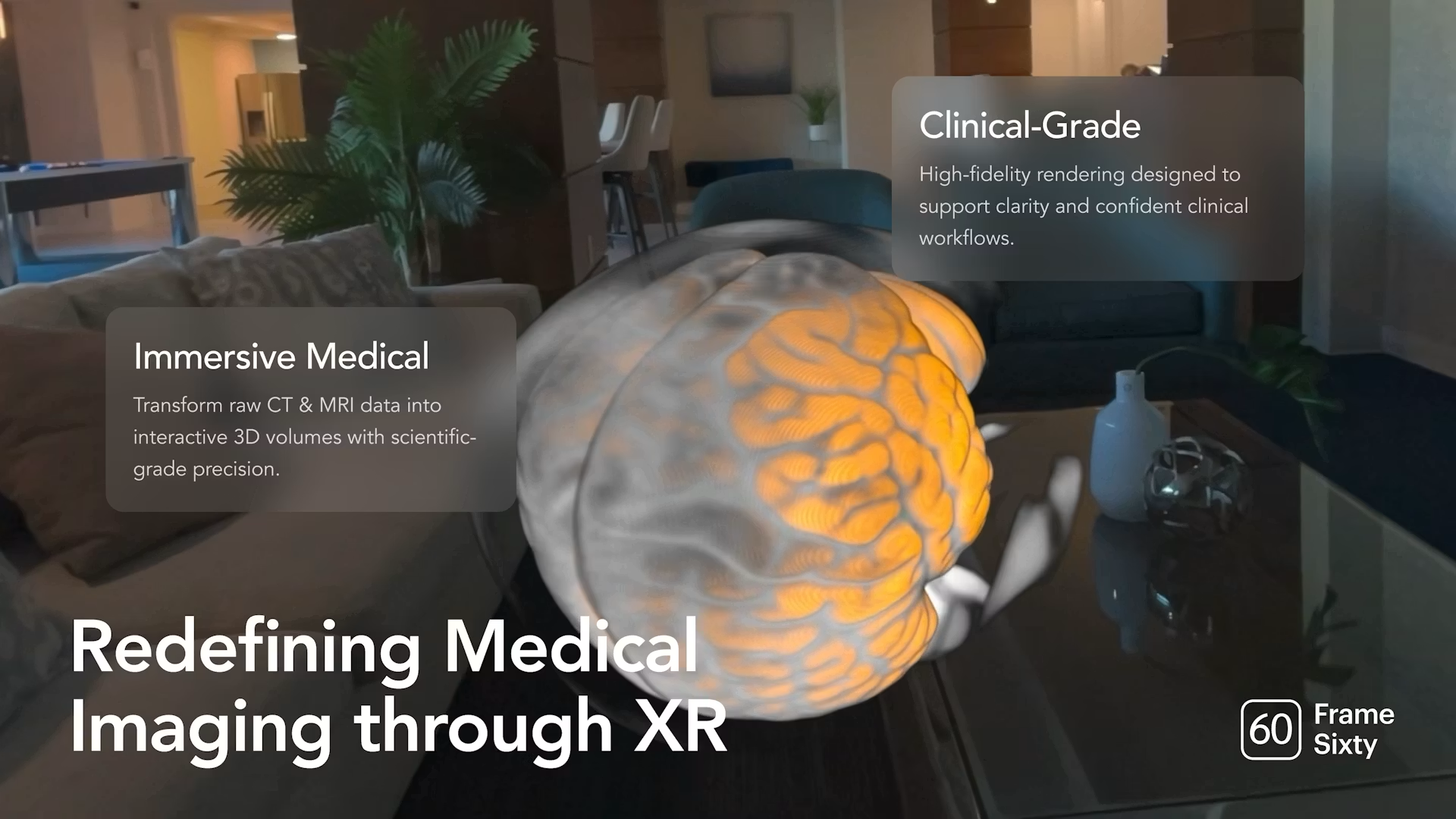
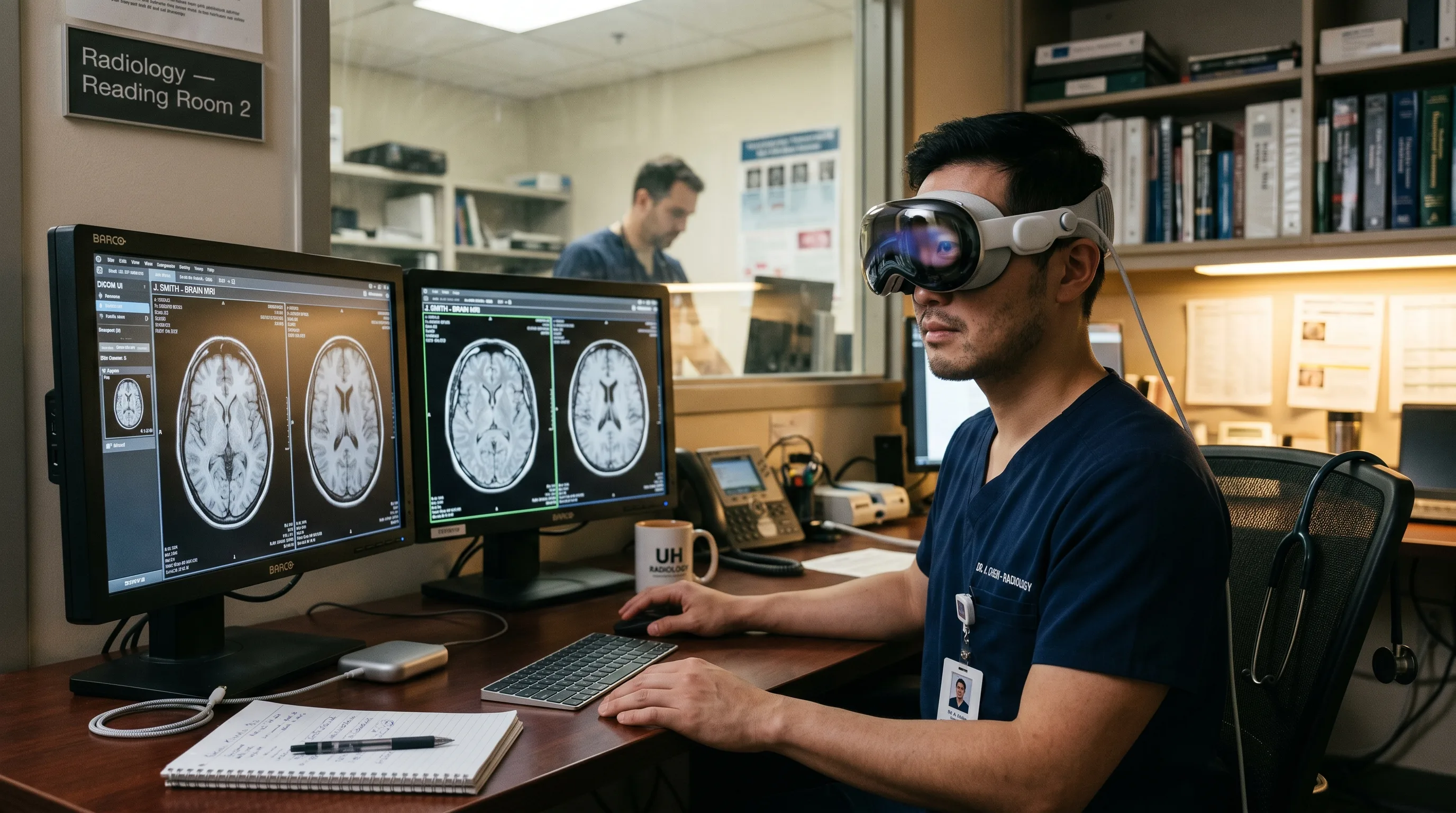
The nominated project, Real-Time 3D MRI & CT Spatial Rendering, transforms traditional 2D medical scans into interactive 3D environments. Clinicians can explore anatomical structures in real time using XR headsets, enhancing diagnostic accuracy and surgical planning.
The project is detailed on Frame Sixty’s official project page, where the team outlines its approach to real-time imaging rendering and integration with existing medical imaging workflows. The system leverages DICOM and HL7 FHIR standards to ensure interoperability with hospital systems, while maintaining compliance with HIPAA and ISO 13485.
Key takeaway: Frame Sixty’s project redefines medical imaging by transforming static scans into dynamic, interactive 3D experiences.
Bridging Medical Imaging Technology and Spatial Computing
By connecting MRI and CT imaging with spatial computing, Frame Sixty bridges the gap between medical data and immersive visualization. This integration allows clinicians to interpret complex anatomical relationships more intuitively.
According to the NIH’s explanation of MRI technology, MRI provides detailed internal images of the body’s soft tissues. However, interpreting these 2D slices can be challenging. Frame Sixty’s system reconstructs them into volumetric 3D models that can be viewed from any perspective, improving understanding and collaboration.
Key takeaway: Spatial computing enhances medical imaging by turning complex data into intuitive, interactive 3D environments.
Alignment with AWE XR Community’s Vision for Immersive Healthcare
The AWE XR Community emphasizes using immersive technology to improve healthcare accessibility and precision. Frame Sixty’s project aligns perfectly with this vision, demonstrating how XR can support both clinicians and patients.
By integrating AI-augmented reality and agentic spatial computing, Frame Sixty enables real-time collaboration among healthcare professionals. These innovations reflect the company’s broader commitment to advancing XR through its research and development efforts.
Key takeaway: Frame Sixty’s nomination exemplifies the AWE XR Community’s vision of using immersive technology to enhance healthcare outcomes.
How Real-Time 3D MRI & CT Spatial Rendering Transforms Medical Imaging
Frame Sixty’s Real-Time 3D MRI & CT Spatial Rendering revolutionizes how clinicians visualize and interpret medical data, bridging the gap between imaging and decision-making.
From 2D Slices to Immersive 3D Visualization
Traditional MRI and CT scans produce sequential 2D images that require mental reconstruction. Frame Sixty’s platform automates this process by converting imaging data into immersive 3D models.
This evolution mirrors how 3D model design services like Frame Sixty’s modeling solutions have transformed industries from manufacturing to medicine. The same principles of precision modeling and real-time rendering now empower clinicians to explore anatomy spatially.
Key takeaway: Frame Sixty transforms static 2D scans into interactive 3D models, improving diagnostic clarity and spatial understanding.
Real-Time Imaging Rendering and Diagnostic Accuracy
Real-time rendering ensures that clinicians can manipulate 3D models without lag, maintaining high frame rates and image fidelity. This responsiveness enhances diagnostic accuracy by allowing immediate inspection of fine anatomical details.
The rendering engine, leverages GPU acceleration and optimized data pipelines to achieve low rendering latency. These technical refinements ensure that even large MRI datasets can be visualized seamlessly in XR.
Key takeaway: Real-time rendering improves diagnostic accuracy by providing smooth, high-fidelity visualization of complex medical data.
Integration with AI-Driven Medical Imaging Workflows
Frame Sixty’s system integrates with AI-driven medical imaging pipelines that segment and label anatomical structures automatically. This reduces the time between image acquisition and clinical interpretation.
By aligning with interoperability standards like HL7 FHIR and DICOM, the platform ensures compatibility with hospital information systems and imaging devices. This integration supports seamless data exchange and compliance with the FDA’s Digital Health Framework.
Key takeaway: AI integration streamlines imaging workflows, enabling faster and more accurate clinical decisions.
Enhancing Clinical Collaboration Through Spatial Computing
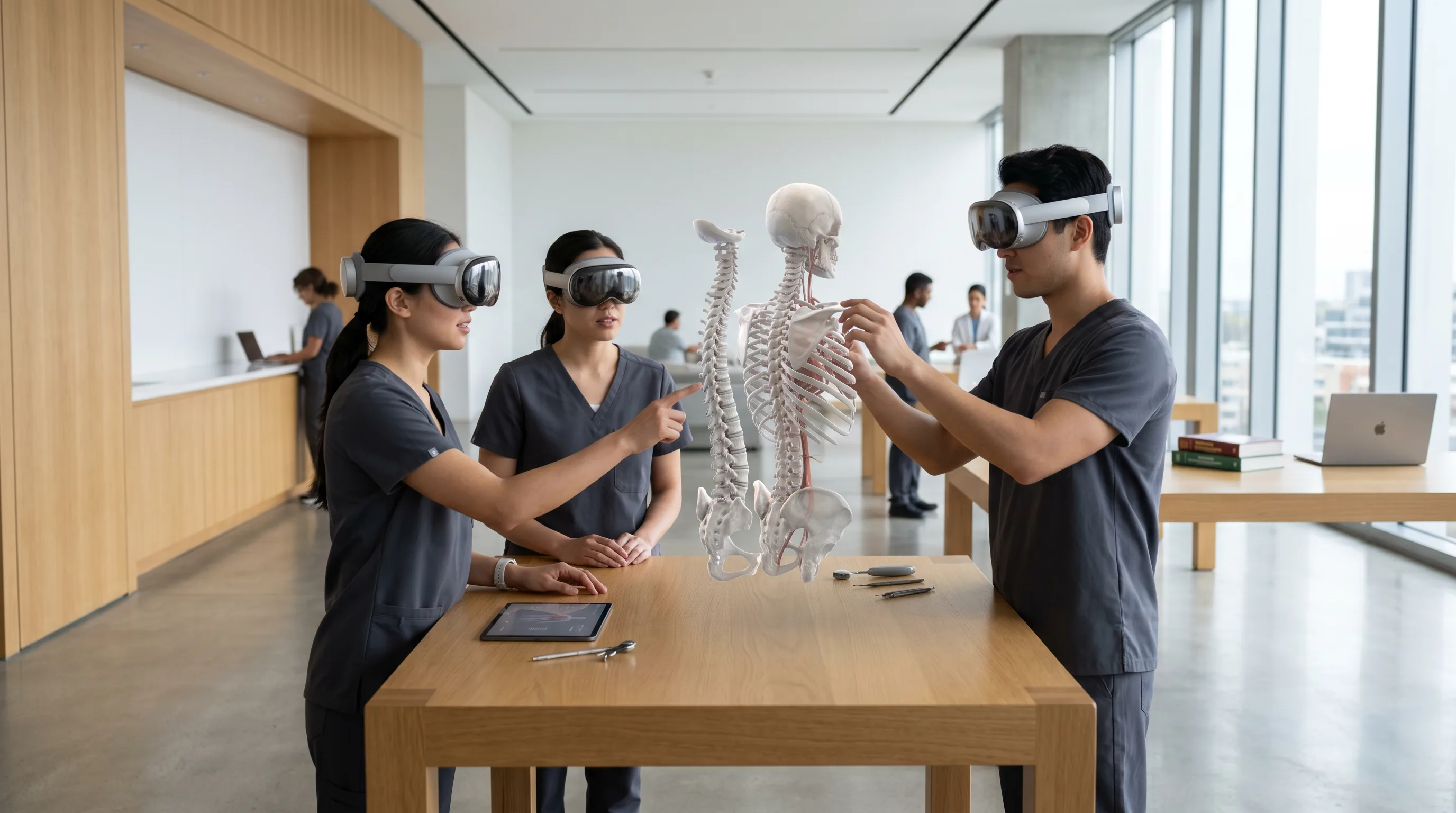
Spatial computing enables multiple clinicians to interact with the same 3D model simultaneously, fostering collaboration in multidisciplinary teams. Surgeons, radiologists, and trainees can annotate and manipulate shared models in real time.
Frame Sixty’s work in agentic spatial computing— illustrates how shared XR environments enhance communication and training. This approach supports both in-person and remote collaboration, bridging geographical gaps in healthcare expertise.
Key takeaway: Shared XR environments enhance collaboration, enabling clinicians to make collective, data-driven decisions.
Technical Foundations Behind Frame Sixty’s XR Healthcare Solution
Frame Sixty’s XR healthcare solution is built on a robust technical foundation combining real-time rendering, open standards, and compliance frameworks.
Rendering Pipeline and Performance Metrics
The rendering pipeline is optimized for low rendering latency, high frame rate, and superior spatial resolution. These metrics are crucial for maintaining immersion and accuracy in medical visualization.
| Metric | Description | Clinical Impact |
|---|---|---|
| Rendering Latency | Time between data input and visual output | Reduces diagnostic delays |
| Frame Rate | Number of frames rendered per second | Ensures smooth visualization |
| Image Fidelity | Visual accuracy of anatomical structures | Improves diagnostic confidence |
| Spatial Resolution | Level of detail in 3D models | Enhances precision in surgical planning |
Frame Sixty’s performance benchmarks demonstrate scalability across devices, from desktop workstations to XR headsets like Varjo XR-4 and Apple Vision Pro.
Key takeaway: Optimized rendering metrics ensure high performance and clinical reliability across XR platforms.
Tools and Platforms Powering the Experience
Frame Sixty’s platform leverages industry-leading tools such as Unity, Unreal Engine, and NVIDIA Omniverse for rendering and simulation. These engines provide the flexibility to integrate with multiple XR devices, including Microsoft HoloLens, Varjo XR-4, and Apple Vision Pro.
Developers can explore Frame Sixty’s insights into Apple’s ecosystem through this developer perspective and recommended apps for Apple Vision Pro. These resources highlight how XR hardware and software convergence is shaping the next generation of healthcare visualization.
Key takeaway: Frame Sixty’s use of leading XR platforms ensures compatibility, scalability, and superior user experience.
Data Standards and Compliance Frameworks
Compliance with medical data standards is essential for clinical adoption. Frame Sixty’s system adheres to:
- DICOM for imaging data formatting
- HL7 FHIR for healthcare interoperability
- OpenXR for cross-platform XR compatibility
- ISO 13485 for medical device quality management
- FDA Digital Health Framework for regulatory compliance
These frameworks ensure that Frame Sixty’s solution meets global standards for safety, interoperability, and data integrity.
Key takeaway: Adherence to international standards ensures regulatory compliance and interoperability across healthcare systems.
Applications Across the Healthcare Spectrum
Frame Sixty’s Real-Time 3D MRI & CT Spatial Rendering has wide-ranging applications across diagnostics, surgery, training, and predictive modeling.
AR/VR in Diagnostics and Surgical Planning
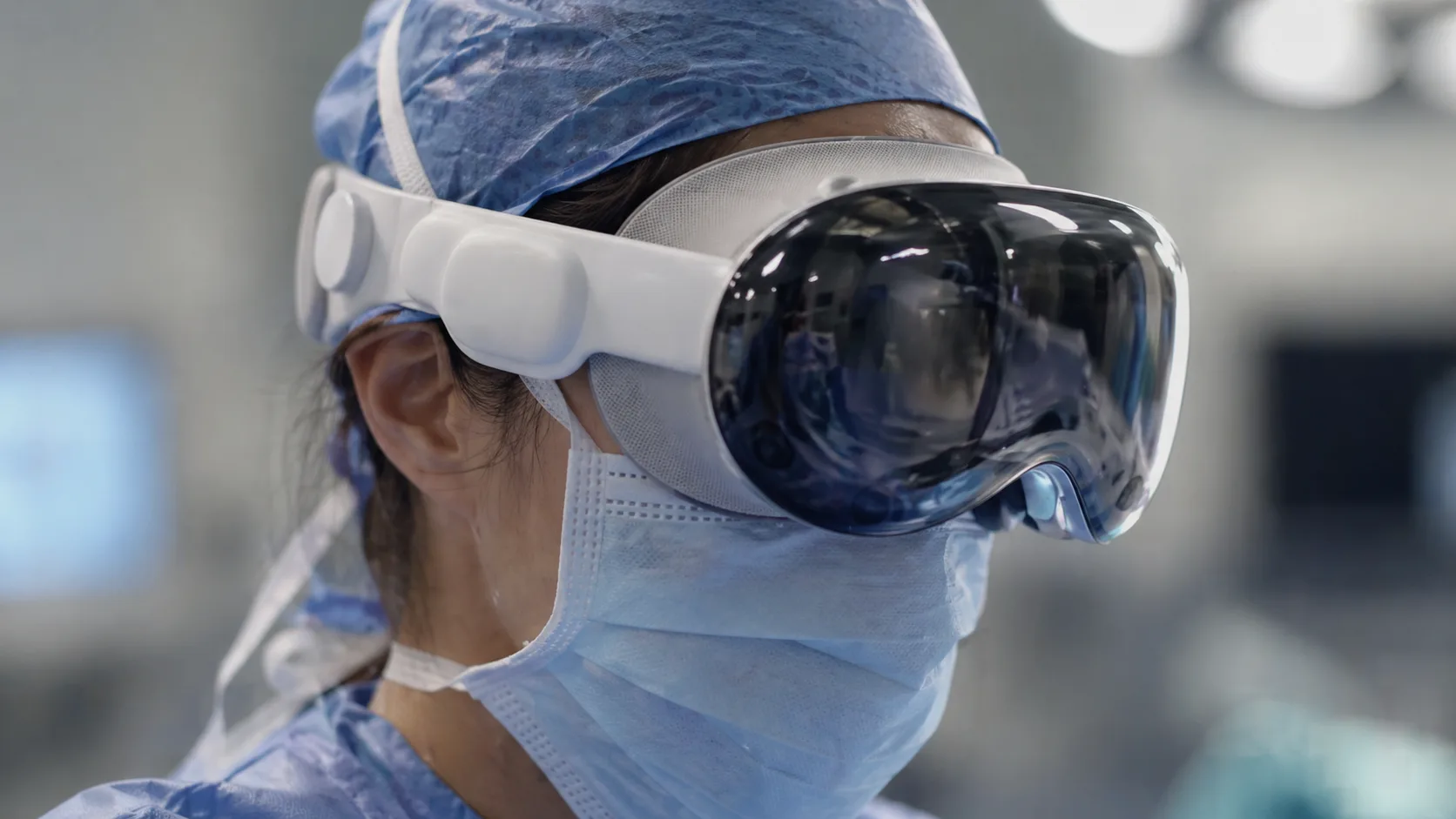
Surgeons and radiologists use Frame Sixty’s XR tools to visualize anatomy before and during procedures. The immersive 3D perspective aids in identifying structures, planning incisions, and minimizing surgical risks.
Integration with Siemens Healthineers imaging systems, as detailed on their official page, ensures compatibility with advanced MRI and CT hardware. Similarly, GE Healthcare’s imaging systems complement Frame Sixty’s rendering capabilities, creating a seamless workflow from image acquisition to visualization.
Key takeaway: XR visualization enhances surgical planning and diagnostic precision through immersive, real-time imaging.
Mixed Reality Medical Training and Simulation
Medical education benefits immensely from mixed reality medical training. Students can interact with realistic 3D models derived from actual patient data, improving comprehension of complex anatomy.
Frame Sixty’s 3D modeling artists ensure that each model maintains anatomical accuracy and visual fidelity. This approach provides hands-on learning experiences without patient risk.
Key takeaway: Mixed reality training improves medical education by providing immersive, risk-free learning environments.
Digital Twin for Healthcare and Predictive Modeling
The concept of a digital twin for healthcare allows clinicians to simulate patient-specific treatments. Frame Sixty’s technology creates dynamic 3D models that mirror real physiological conditions, enabling predictive analysis.
By leveraging AI-augmented reality (explore here), the system can forecast treatment outcomes based on real-time imaging data. This capability supports personalized medicine and proactive care strategies.
Key takeaway: Digital twins powered by XR and AI enable predictive modeling and personalized healthcare.
Integration with Siemens Healthineers and GE Healthcare Imaging Systems
Frame Sixty’s rendering solution seamlessly integrates with imaging systems from Siemens Healthineers and GE Healthcare, two global leaders in medical imaging. This ensures interoperability with existing hospital infrastructure and supports real-time data exchange.
Through adherence to DICOM and HL7 FHIR standards, the platform connects directly to imaging modalities, PACS systems, and diagnostic workstations. This integration minimizes workflow disruption and enhances clinical efficiency.
Key takeaway: Integration with major imaging systems ensures seamless adoption within existing healthcare workflows.
Why Frame Sixty’s Innovation Stands Out Among 2026 Nominees
Frame Sixty’s nomination stands out due to its proven clinical impact, user adoption, and ethical approach to AI and data security.
Clinical Validation and Measurable Outcomes
Clinical validation is central to Frame Sixty’s success. Pilot studies have demonstrated measurable improvements in diagnostic accuracy and surgical planning efficiency.
Hospitals using the system report reduced interpretation times and improved collaboration between radiologists and surgeons. These outcomes reflect Frame Sixty’s commitment to evidence-based innovation, as showcased in its portfolio of XR healthcare projects.
Key takeaway: Clinical validation confirms that Frame Sixty’s XR solution delivers measurable improvements in healthcare outcomes.
User Engagement and Physician Adoption Metrics
Adoption among clinicians continues to grow, driven by the platform’s usability and integration with existing workflows. Frame Sixty’s user engagement metrics show strong retention and positive feedback from physicians who value its intuitive interface.
The company’s expertise in 3D modeling for manufacturing and industrial design (see details) translates into precise, high-performance visualization tools for healthcare. This cross-industry experience ensures that the platform meets both aesthetic and functional demands.
Key takeaway: High user engagement and adoption rates highlight the platform’s practicality and clinical relevance.
Ethical AI and Data Security Compliance in Medical XR
Frame Sixty prioritizes ethical AI and data security compliance, implementing encryption, anonymization, and secure cloud storage. The platform aligns with HIPAA, GDPR, and ISO 13485 standards, ensuring patient data protection.
By following the FDA’s Digital Health Framework, Frame Sixty ensures that its XR solutions meet regulatory expectations for safety and efficacy.
Key takeaway: Frame Sixty’s commitment to ethical AI and data security establishes trust and compliance in medical XR applications.
The Future of Spatial Computing in Medicine
Spatial computing is poised to redefine healthcare in 2026 and beyond, enabling more immersive, data-driven, and collaborative care experiences.
Trends Shaping XR Healthcare Solutions in 2026
Key trends include interoperability, AI-assisted visualization, and real-time collaboration. As hardware improves and standards like OpenXR mature, XR healthcare solutions become more accessible and scalable.
Frame Sixty’s research into agentic spatial computing and AI-augmented reality positions it at the forefront of these trends, driving innovation in both clinical and educational contexts.
Key takeaway: The future of XR healthcare lies in interoperable, AI-enhanced, and collaborative spatial computing solutions.
How AWE USA 2026 is Accelerating the Next Wave of Medical XR
AWE USA 2026 serves as a global hub for XR innovation, uniting developers, healthcare professionals, and researchers. The event accelerates the adoption of medical XR by showcasing real-world applications and fostering collaboration.
Frame Sixty’s nomination at AWE 2026 highlights its role in this transformation, demonstrating how immersive technologies can improve healthcare outcomes and inspire new standards of care.
Key takeaway: AWE USA 2026 catalyzes the next generation of medical XR innovation through collaboration and recognition.
The Role of the AWE XR Community in Setting Global Standards
The AWE XR Community continues to guide the ethical and technical evolution of immersive healthcare. By establishing best practices for safety, interoperability, and accessibility, the community ensures that XR innovation aligns with patient and practitioner needs.
Frame Sixty’s participation in this ecosystem reinforces its commitment to responsible innovation and global collaboration.
Key takeaway: The AWE XR Community sets the standards that ensure XR healthcare innovation remains ethical, safe, and effective.
Conclusion
Frame Sixty’s nomination for the AWE Auggie Awards 2026 in the Best Healthcare and Wellness Solution category marks a pivotal moment for XR healthcare innovation. The company’s Real-Time 3D MRI & CT Spatial Rendering project exemplifies how spatial computing can transform medical imaging, diagnostics, and collaboration.
By integrating AI-driven medical imaging, adhering to international standards like DICOM, HL7 FHIR, and ISO 13485, and ensuring compatibility with systems from Siemens Healthineers and GE Healthcare, Frame Sixty has set a new benchmark for immersive healthcare technology.
As the extended reality ecosystem evolves, Frame Sixty’s work demonstrates that immersive visualization is not just a technological advancement—it’s a clinical necessity. The company’s ongoing research in AI-augmented reality and agentic spatial computing ensures that it remains at the forefront of innovation, shaping the future of medicine.
To learn more about Frame Sixty’s award-nominated projects or to explore how immersive visualization can enhance your healthcare solutions, Get in touch.
AWE Auggie Awards 2026 – Frame Sixty Nomination
This FAQ explores Frame Sixty’s nomination for the AWE Auggie Awards 2026, focusing on its Real-Time 3D MRI & CT Spatial Rendering project and its impact on healthcare innovation through spatial computing.
Frame Sixty was nominated at the AWE Auggie Awards 2026 for its Real-Time 3D MRI & CT Spatial Rendering project in the Best Healthcare and Wellness Solution category. The Auggie Awards recognize global excellence in extended reality, and the nomination reflects spatial computing's growing role in medical imaging and diagnostics.
The project transforms traditional 2D MRI and CT scans into interactive 3D environments that clinicians explore in real time on XR headsets. Instead of mentally reconstructing sequential 2D slices, surgeons and radiologists inspect volumetric anatomy from any perspective, which improves diagnostic clarity and supports surgical planning. Related work appears in the VR Medical Scan Viewer case study.
Frame Sixty uses GPU-accelerated rendering pipelines optimized for low latency, high frame rates, and high image fidelity, so even large MRI datasets can be manipulated in XR without lag. The system scales across devices, from desktop workstations to headsets including Apple Vision Pro and Varjo XR-4.
The system adheres to DICOM for imaging data, HL7 FHIR for healthcare data exchange, and OpenXR for cross-platform XR compatibility. Those standards let it connect directly to hospital information systems, PACS, and imaging hardware from Siemens Healthineers and GE Healthcare with minimal workflow disruption.
Yes - Frame Sixty's platform complies with HIPAA, GDPR, and ISO 13485, using encryption, anonymization, and secure cloud storage to protect patient data. It also aligns with the FDA's Digital Health Framework for safety and regulatory expectations, a requirement for adoption in clinical environments.
Yes - spatial computing lets multiple clinicians interact with the same 3D model simultaneously, whether in the same room or working remotely. Surgeons, radiologists, and trainees can annotate and manipulate shared anatomy in real time, which improves multidisciplinary decision-making and helps bridge geographic gaps in specialist expertise.
Get in touch
We’re interested to see how we can help. Send us a message and we will get back to you within 24 hours.