
Samsung Galaxy XR and the Rise of Android XR: What Developers Need to Know
Nov 26, 2025
15 MIN READ
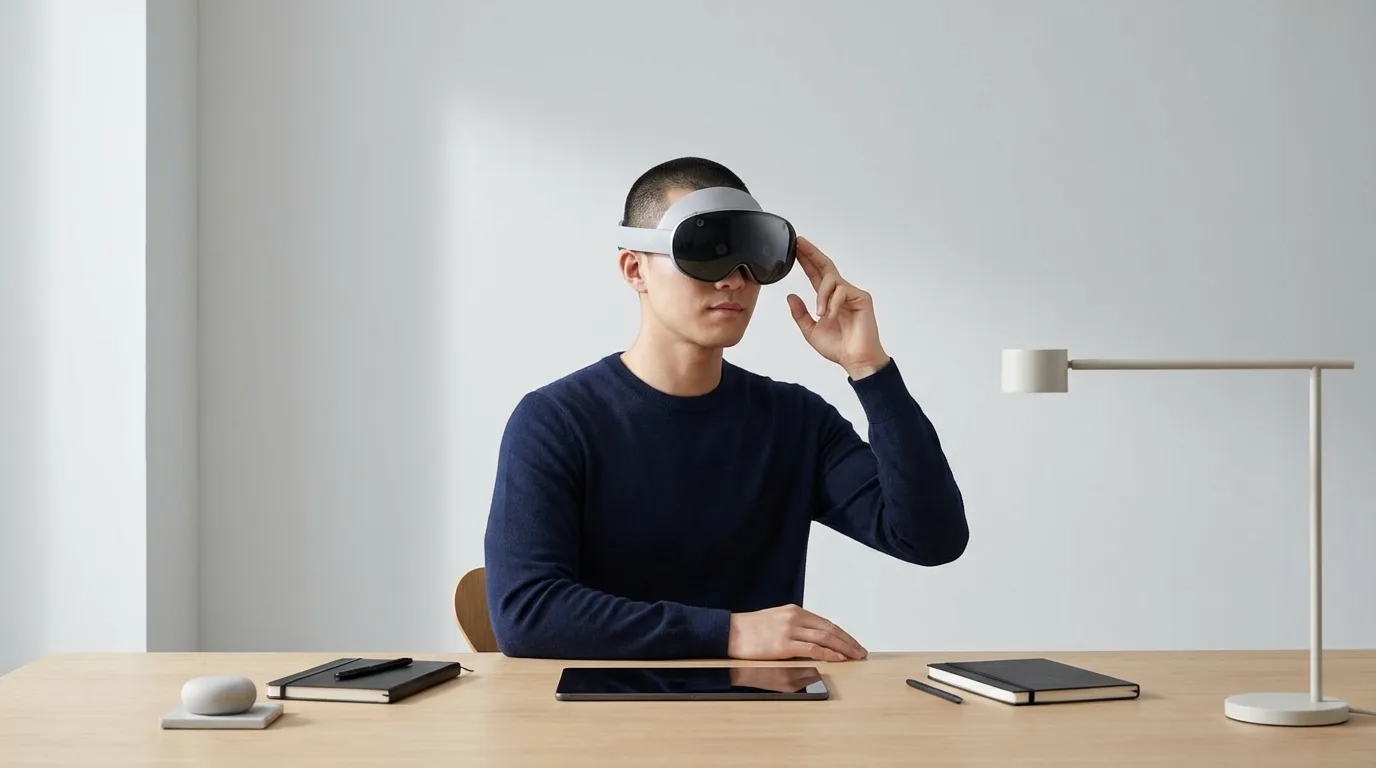
The arrival of Samsung Galaxy XR marks a defining moment in spatial computing. Unlike past standalone devices, Samsung’s new XR platform represents the first true launch of a complete Android-powered spatial ecosystem. With Google, Qualcomm, and Samsung aligned behind Android XR, developers now have an open, scalable, cross-platform foundation that could become the Android equivalent of Apple’s visionOS.
For enterprises, this is a breakthrough: finally, an XR system designed for real deployment, cross-OEM compatibility, and long-term ecosystem growth.
This comprehensive guide breaks down what developers need to know about Samsung Galaxy XR, the role of Android XR, how Snapdragon Spaces empowers development, and why this ecosystem is set to transform spatial computing for both consumers and enterprise organizations.
Introduction: A New Era for Spatial Computing
Until now, the XR landscape has been dominated by walled-garden ecosystems — Vision Pro with visionOS, Meta Quest with its proprietary OS, and other OEM-specific platforms. But the launch of Samsung Galaxy XR signals something entirely new.
For the first time, developers have access to:
-
An open, Android-based spatial OS
-
A hardware ecosystem that will extend beyond Samsung
-
Qualcomm’s industry-leading XR silicon
-
A unified SDK stack through Snapdragon Spaces
-
A cross-device future similar to Android phones
What makes Samsung Galaxy XR special is not just the hardware — it’s the ecosystem surrounding it. Android XR represents an OS designed from the ground up for spatial computing, while Snapdragon Spaces provides the tracking, spatial mapping, hand tracking, and passthrough capabilities needed to build real mixed-reality apps.
Together, these elements form the most important development shift XR has seen in years.
Android XR — Google’s Spatial Computing OS
The first true alternative to visionOS
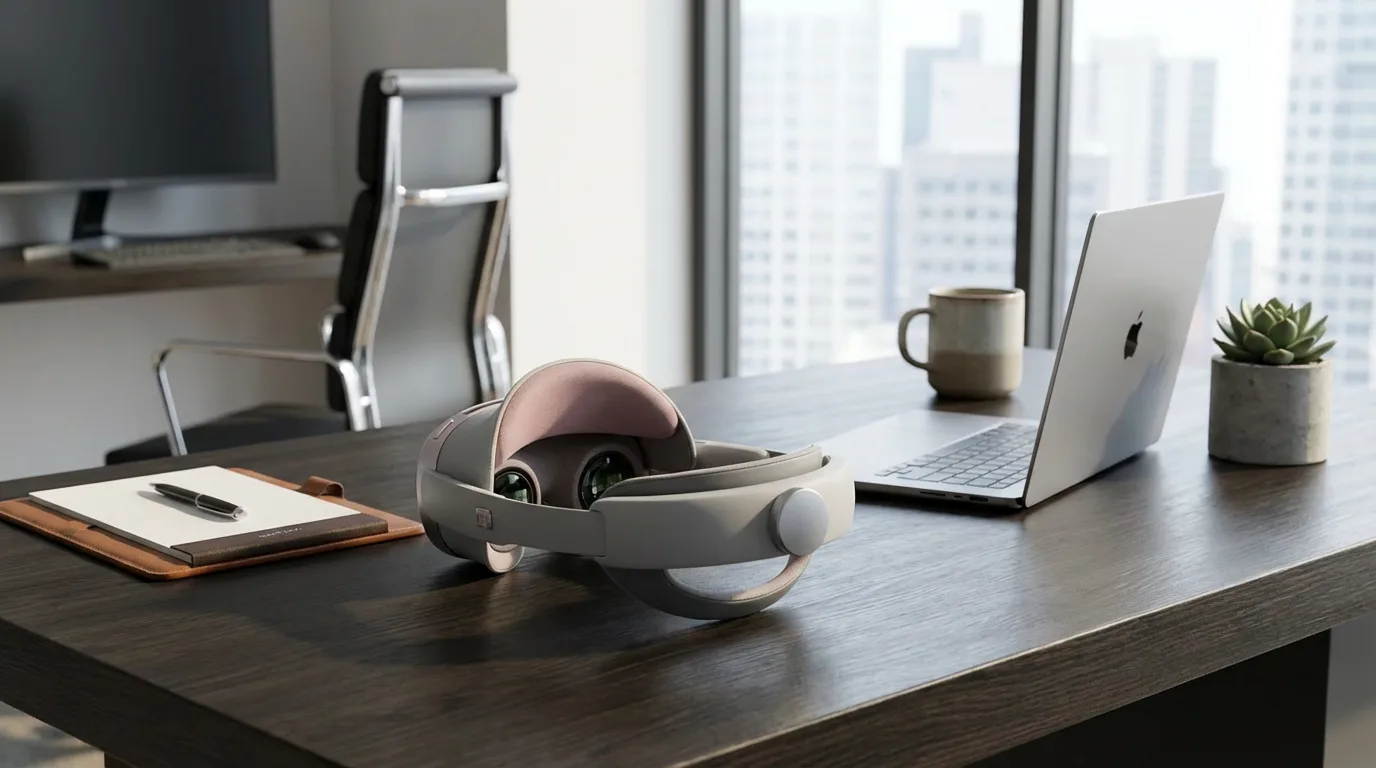
Android XR is Google’s first official spatial computing operating system, built specifically for:
-
Spatial UI
-
Hand and eye tracking
-
XR input layers
-
Passthrough mixed reality
-
Volumetric workflows
-
Spatial anchors and room understanding
This means Samsung Galaxy XR benefits directly from Google’s deep Android infrastructure — an advantage no previous Android-based headset ever enjoyed.
Why Android developers will adopt XR faster
Android XR dramatically reduces the learning curve for developers because:
-
Many familiar APIs remain consistent
-
Android Studio will support XR tools and emulators
-
Existing Android workflows translate into spatial computing
-
Play Store distribution for XR apps is expected in the future
Developers aren’t starting from scratch — they’re upgrading.
Why Android XR wins long-term
As reported by The Verge and Wired, Google is positioning Android XR as a multi-OEM platform, not tied to a single device.
Source: https://www.theverge.com/2024/12/12/24319538/google-android-xr-ar-vr-smart-glasses
This means developers who build for Samsung Galaxy XR today will see their apps scale across future devices.
Samsung + Google + Qualcomm: The XR Alliance
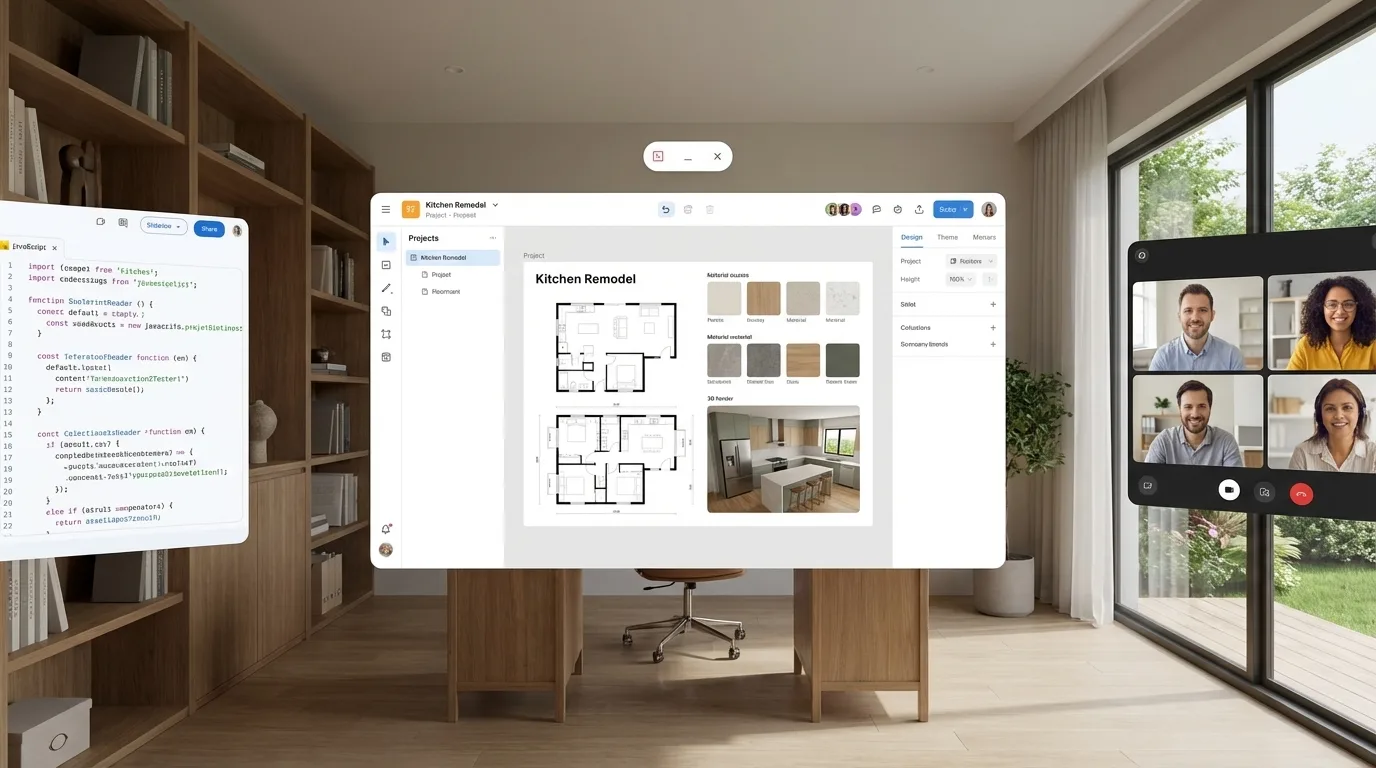
This tri-partnership is the biggest XR strategic alliance to date:
Samsung → Hardware innovation
Google → Android XR operating system
Qualcomm → Snapdragon XR2+ Gen 2 silicon & Spaces SDK
Why this matters:
-
It mirrors the original Android smartphone strategy
-
Ensures long-term ecosystem viability
-
Spreads XR innovation across multiple OEMs, not one
-
Reduces fragmentation in XR development
-
Gives enterprises confidence to invest
For developers, Samsung Galaxy XR becomes the flagship device in a much larger movement — a scalable Android XR ecosystem.

Snapdragon Spaces: The Spatial Engine Behind Galaxy XR
Snapdragon Spaces is the backbone of spatial development on Samsung Galaxy XR. It provides:
✔ Hand tracking
✔ 6DoF inside-out tracking
✔ Spatial anchors
✔ High-quality passthrough
✔ Room understanding
✔ Environment meshing
✔ Optimized Unity & Unreal SDKs
This isn’t just an SDK — it’s a cross-platform spatial layer supported by Lenovo, HTC, Motorola, and future Android XR devices.
Snapdragon Spaces ensures:
-
Developers can build once and deploy across many XR devices
-
Enterprise apps scale far more easily
-
OEM fragmentation becomes a thing of the past
For Samsung Galaxy XR development, Spaces is essential.
Cross-Platform XR Development Finally Becomes Real
One of the biggest problems in XR has always been fragmentation.
Every headset had its own:
-
OS
-
SDK
-
Input system
-
App store
-
UI frameworks
Android XR + Snapdragon Spaces changes everything.
The new model:
Build once → Run across many devices
For developers, this is the closest thing XR has ever had to a unified ecosystem.
Cross-platform opportunities:
-
Unity apps
-
Unreal Engine apps
-
WebXR browser-based experiences
-
Native Android XR apps
-
Shared enterprise deployments
This is why developers see Samsung Galaxy XR as the beginning of a multi-OEM spatial future — not a one-off product.
Developer Tools, SDKs, and Pipelines for Samsung Galaxy XR
1. Android XR SDK
-
Spatial surfaces
-
XR input layers
-
Spatial windowing
2. Snapdragon Spaces SDK
-
Tight integration with Qualcomm hardware
-
Unity and Unreal support
-
Sample scenes, templates, hand tracking APIs
3. Unity XR Plugin
Ideal for:
-
Training simulations
-
Enterprise workflows
-
3D visualization
-
Multi-user collaboration
4. Unreal Engine XR Plugin
Best for:
-
High-end visualization
-
Architecture
-
Automotive
-
Photorealistic environments
5. WebXR
For lightweight, instantly accessible XR experiences:
-
Training
-
Retail demos
-
Product visualization
As an AR/VR agency, Frame Sixty can develop across all these stacks.
Why Samsung Galaxy XR Matters for Enterprise
Samsung is not just targeting consumers — they’re aiming directly at business adoption.
Key enterprise advantages:
✔ Open ecosystem
✔ Android-based development
✔ Easier IT integration
✔ MDM & enterprise deployment features
✔ Lower cost compared to premium headsets
✔ Training, simulation, and collaboration ready
Enterprises can also deploy cross-platform XR apps across:
-
Samsung Galaxy XR
-
Lenovo ThinkReality
-
HTC Vive XR
-
Future Android XR hardware
This reduces costs and increases scalability for businesses.
Need help to get your app project started?
We are here to help!
The Future of Android XR and Spatial Computing
The rise of Samsung Galaxy XR signals massive long-term change:
1. Android XR becomes the dominant open spatial platform
Multiple OEMs will join, just like Android smartphones.
2. Enterprises will adopt XR at scale
Costs decrease, scalability increases.
3. AI + XR convergence will accelerate
Expect generative environments, AI assistants, AI-driven interactions.
4. Cross-platform workflows become standard
One XR app = multiple devices.
5. Samsung Galaxy XR leads the first wave
Its success will determine how quickly the ecosystem expands.
Conclusion
The launch of Samsung Galaxy XR represents far more than another headset — it represents the start of the Android XR era. Google’s spatial OS, combined with Snapdragon Spaces and Samsung’s hardware innovation, forms the strongest XR alliance the industry has ever seen.
For developers, this is the most open, scalable, and future-proof XR platform to build on in 2025.
For enterprises, it finally provides a cross-platform ecosystem built for long-term deployment.
Frame Sixty is ready to help organizations build next-generation XR applications across Android XR, Samsung Galaxy XR, Vision Pro, Meta Quest, and WebXR.
Samsung Galaxy XR FAQs
As interest in Samsung Galaxy XR and Android XR grows, developers and businesses often ask similar questions about capabilities, use cases, and development workflows. Below is an organized breakdown of the most common inquiries.
Samsung Galaxy XR is Samsung's flagship spatial computing headset built on Google's Android XR operating system, designed for mixed reality, passthrough experiences, and enterprise deployment. It is the first device in an open, Android-based XR ecosystem backed jointly by Samsung, Google, and Qualcomm.
Samsung Galaxy XR differs from Vision Pro and Meta Quest because it runs an open, multi-OEM platform rather than a walled garden. Android XR supplies the spatial OS, Qualcomm's Snapdragon XR2+ Gen 2 the silicon, and Snapdragon Spaces the tracking layer, so apps built for Galaxy XR are designed to scale to future Android XR devices from other manufacturers.
Samsung Galaxy XR development uses the Android XR SDK for spatial UI and input, the Snapdragon Spaces SDK for hand tracking, spatial anchors, passthrough, and room understanding, plus Unity or Unreal Engine XR plugins. WebXR is also supported for lightweight browser-based experiences such as training and retail demos.
Some existing Android apps can run on Samsung Galaxy XR with modifications, because Android XR keeps many familiar APIs and Android Studio workflows. True spatial experiences still require Android XR-specific UI and APIs: apps with simple interfaces port fairly easily, while complex apps need a spatial redesign.
Healthcare, manufacturing, education, aerospace, retail, real estate, and field service benefit most from Samsung Galaxy XR. Enterprises can deploy at scale through MDM support and enterprise enrollment, and the same cross-platform apps can run on Lenovo ThinkReality, HTC Vive XR, and future Android XR hardware, which lowers cost per device.
Frame Sixty builds custom XR applications for Samsung Galaxy XR across native Android XR, Unity, Unreal Engine, and WebXR, alongside its Vision Pro and Meta Quest work. See our Samsung Galaxy XR development services for how a project moves from discovery to deployment.
Get in touch
We’re interested to see how we can help. Send us a message and we will get back to you within 24 hours.