
How to Choose the Best Augmented Reality Studio for Your Brand in 2026
Apr 14, 2026
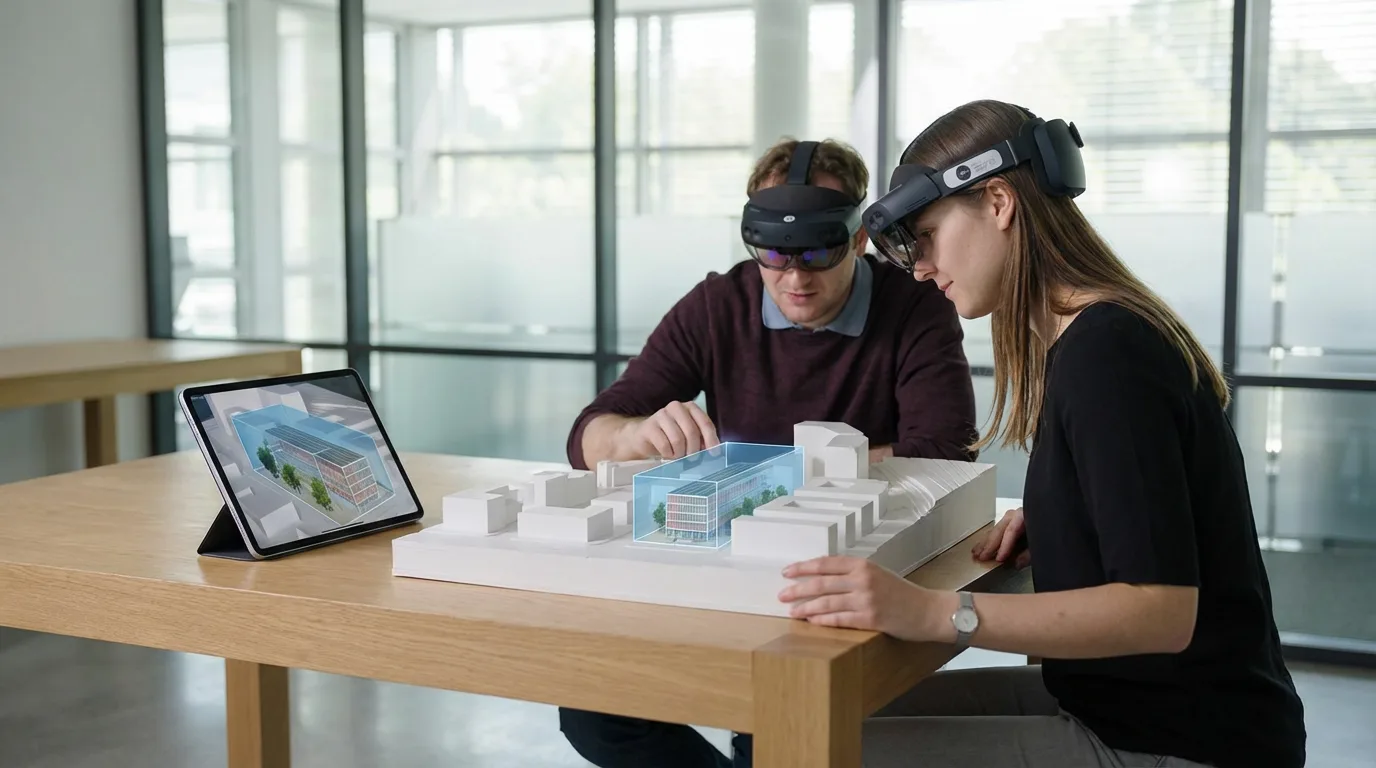

10 MIN READ
An augmented reality studio is a creative and technical partner that designs, develops, and deploys immersive experiences merging digital content with the physical world. In 2026, these studios play a central role in brand engagement through spatial computing, 3D asset creation, and interactive storytelling. The best studios combine artistic vision with engineering precision, using platforms like ARKit, ARCore, and WebXR to deliver cross-platform experiences. Selecting the right studio involves evaluating its portfolio, technical expertise, and ability to align AR strategies with measurable business goals, ensuring immersive content that enhances brand impact and user engagement.
Understanding the Role of an Augmented Reality Studio
An augmented reality studio is a creative and technical partner that designs, develops, and delivers immersive experiences combining digital content with the physical world. In 2026, these studios are central to how brands engage audiences through spatial computing, 3D asset design, and interactive storytelling. Choosing the right studio means aligning your brand’s vision with a team that understands both the creative and technical sides of AR content creation.
What an AR Studio Does for Your Brand
An AR studio turns your brand’s message into an immersive brand experience. This involves designing 3D assets, placing them in real-world contexts, and optimizing them for performance across devices. Studios like Frame Sixty combine 3D model design services with marketing strategy to make each AR experience purposeful and consistent with brand identity.
A professional AR studio typically handles:
- Concept and Storyboarding: Turning brand goals into interactive narratives.
- 3D Asset Creation: Using tools like 3D Model Design Services and 3D Modeling for Manufacturing & Industrial Design to create detailed, optimized models.
- Development and Integration: Building experiences with platforms such as Google ARCore, Apple’s ARKit and Reality Composer, and Unity’s AR/VR solutions.
- Testing and Deployment: Ensuring compatibility across AR-capable devices and browsers using standards like W3C Immersive Web and Khronos OpenXR.
By combining spatial computing and mixed reality marketing, studios create experiences that increase brand recall and strengthen emotional connections. A retail brand might use AR to let customers view products in their homes, while an automotive brand could build a virtual showroom.
Key takeaway: The best AR studios combine creativity and technical precision so every element supports your brand’s story.
Why 2026 Matters for AR
The year 2026 marks a major step in augmented reality adoption. Devices like Apple Vision Pro, Meta Reality Labs’ headsets, and Magic Leap’s enterprise tools are changing how people expect to interact with digital content. As spatial computing becomes common, brands must adapt to a world where immersive experiences are standard.
Enterprise sectors are adopting XR development and digital twin experiences to improve operations, training, and marketing. Retailers use AR mirrors and try-on apps, and real estate firms create virtual walkthroughs. The alignment of WebXR and OpenXR standards makes these experiences accessible across devices, browsers, and operating systems.
In 2026, the AR ecosystem is more unified than before. Developers can build once and deploy across mobile devices and headsets. This flexibility helps brands scale faster and reach wider audiences.
Key takeaway: In 2026, AR moves from experimental to essential, making the choice of studio a key brand decision.
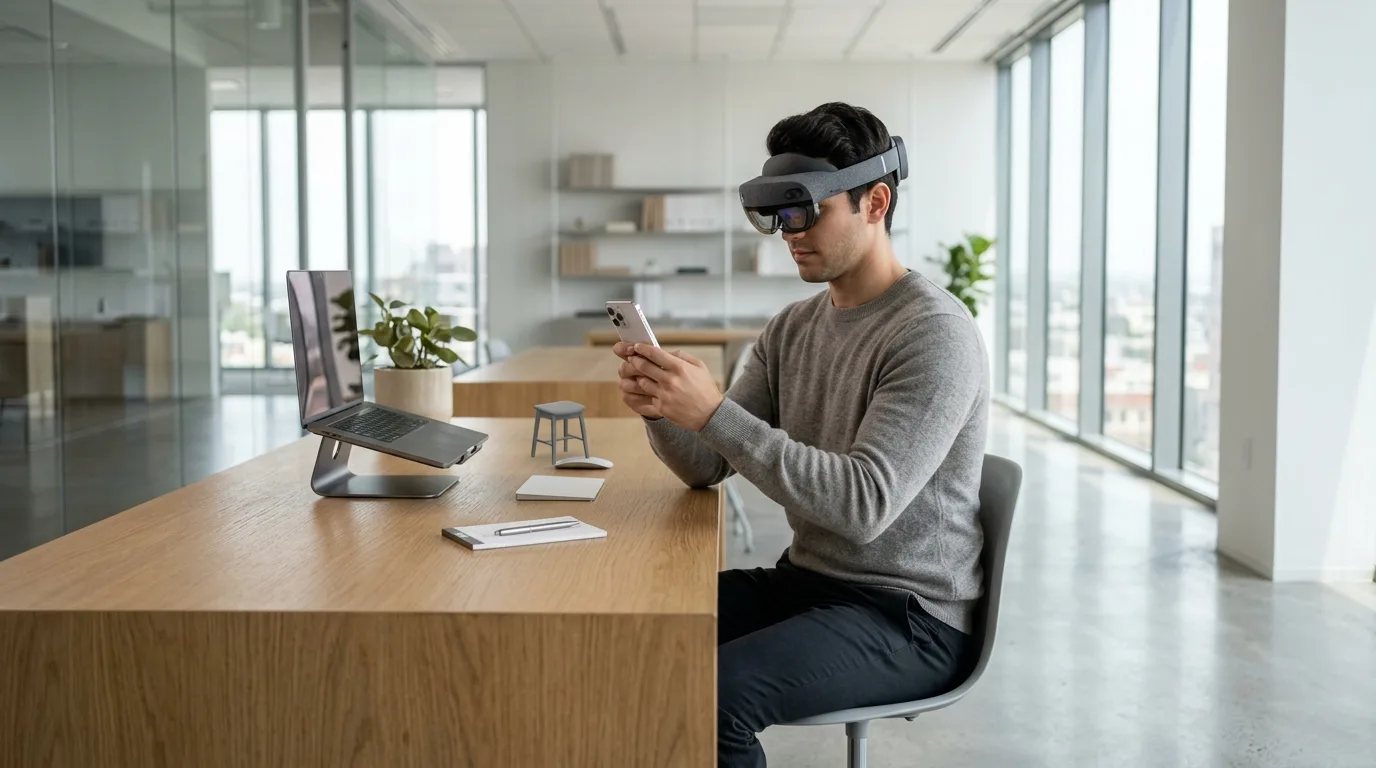
Evaluating an AR Studio’s Portfolio and Expertise
To choose the best augmented reality studio, start by reviewing their creative and technical work. A strong portfolio shows how well a studio can turn brand goals into immersive, interactive experiences that produce measurable engagement.
How to Assess Creative and Technical Capabilities
An AR studio’s portfolio reveals its strengths. Look for variety in projects such as virtual product visualization and interactive storytelling. Review how the studio uses 3D assets, motion design, and real-time rendering.
When evaluating, consider:
- Visual Fidelity: Are the 3D models realistic and consistent with your brand’s look?
- Performance Optimization: Do experiences run smoothly across devices, including mobile and AR headsets?
- Interactivity: Does the AR experience invite users to participate and engage?
Studios skilled in Unity and Unreal Engine often achieve the most advanced results. Unity’s AR/VR solutions enable cross-platform deployment, while Unreal Engine’s AR capabilities deliver cinematic realism.
Also, confirm that the studio follows open standards like USDZ, glTF, and W3C Immersive Web for interoperability. These formats ensure your AR content can adapt as technology evolves.
For instance, Frame Sixty’s AI Developer team uses machine learning to improve object recognition and user interaction, creating more responsive AR experiences. Their AI in Virtual Reality Development approach blends AI-driven personalization with immersive storytelling.
Key takeaway: Assess both creative and technical skill — the best AR studios excel in design and execution.
Key Questions to Ask Before Hiring
Before hiring an AR studio, ask questions that reveal their process, experience, and fit with your goals.
1. How do I evaluate an AR studio’s portfolio? Look for evidence of innovation and measurable results. Request case studies showing how AR improved engagement or conversion rates.
2. What should I look for in an AR development partner? Choose studios familiar with your industry and relevant platforms. For example, a retail brand might prioritize experience with ARKit, ARCore, and WebXR, while an industrial company might focus on digital twin experiences and 3D modeling.
3. How much does an AR campaign cost in 2026? Costs vary by complexity, from about $25,000 for simple WebAR experiences to over $250,000 for enterprise-grade applications. Factors include time to deploy, cost per experience, and the number of supported devices.
Studios like Frame Sixty emphasize transparency and scalability, helping brands plan AR investments effectively.
Key takeaway: The right AR studio is a strategic partner that aligns technology, creativity, and business goals.
Before you shortlist a studio, it helps to know exactly which competence you are buying — our guide to augmented reality experts breaks down the eight AR specialisms, what each one costs, and the vetting questions that separate shipped practitioners from a polished demo reel.
Need help with AR studio selection?
Frame Sixty is a full-service digital innovation studio specialising in AR/VR, mobile, and web development.
Comparing Leading AR Platforms and Ecosystems
The AR field in 2026 includes many platforms serving different needs, from mobile marketing to enterprise training. Understanding these ecosystems helps you choose a studio skilled in the right tools for your brand.
Top AR Platforms for Marketing and Brand Engagement
Leading AR platforms help brands deliver immersive experiences that increase engagement and sales. Here’s an overview of the main players:
| Platform | Strengths | Ideal Use Case |
|---|---|---|
| Snap AR / Lens Studio (Snap Inc. Newsroom) | Social AR filters, face tracking, and broad reach | Consumer engagement and social campaigns |
| Niantic (Niantic Labs Blog) | Location-based AR and multiplayer experiences | Outdoor activations and gamified marketing |
| PTC Vuforia (Vuforia Official Site) | Enterprise AR, digital twins, and industrial training | Manufacturing, maintenance, and product demos |
| Google ARCore (ARCore Docs) | Mobile AR SDK for Android | App-based AR experiences |
| Apple ARKit / Reality Composer (Apple AR Resources) | High-quality AR for iOS and Vision Pro | Premium mobile and headset AR |
| Magic Leap (Magic Leap News) | Spatial computing and enterprise collaboration | Healthcare, architecture, and design visualization |
Studios that master these platforms can deliver cross-platform AR experiences that feel consistent. For example, Frame Sixty’s 8 Apps for Apple Vision Pro shows how ARKit and Reality Composer can build strong brand experiences in Apple’s ecosystem.
Key takeaway: Choose a studio fluent in several AR ecosystems to keep your brand’s immersive strategy adaptable.
Choosing Between Web-Based and App-Based AR
When planning your AR strategy, decide whether to focus on WebAR or app-based AR.
WebAR uses browser technologies like WebXR to deliver instant experiences without downloads. Platforms such as 8th Wall and Blippar make it easy to launch campaigns quickly, reducing friction and increasing accessibility.
App-based AR, powered by ARCore and ARKit, offers deeper integration, better performance, and access to device sensors. It suits complex interactions or persistent AR environments.
| Approach | Advantages | Limitations |
|---|---|---|
| WebAR (WebXR) | Fast deployment, no app install, broad reach | Limited performance and hardware access |
| App-Based AR (ARCore/ARKit) | High fidelity, persistent tracking, advanced features | Requires download, longer development cycle |
For brands targeting both Android and iOS users, OpenXR ensures cross-platform consistency. The Khronos OpenXR standard lets studios build once and deploy across many devices.
Key takeaway: Balance reach and depth — use WebAR for accessibility and app-based AR for richer experiences.
Aligning AR Strategy with Brand Goals
An effective AR strategy connects creative innovation with measurable business goals. The best augmented reality studio will tailor its approach to your industry, audience, and objectives.
Matching AR Capabilities to Industry Needs
Different industries use AR in distinct ways. Knowing your sector’s opportunities helps you find a studio with relevant experience.
Retail: AR try-ons, product previews, and in-store navigation improve shopping experiences. For instance, virtual fitting rooms powered by ARKit can raise conversion rates and customer satisfaction scores.
Automotive: Brands use AR for virtual product visualization, letting customers explore vehicles in 3D. Integration with digital twin experiences supports real-time configuration and training.
Real Estate: AR walkthroughs and spatial visualizations help buyers explore properties remotely. Studios like Frame Sixty’s Agentic Spatial Computing show how spatial computing enhances architectural storytelling.
Industrial Design: AR aids prototyping, maintenance, and training. 3D Modeling for Manufacturing & Industrial Design services deliver realistic simulations and collaboration.
eCommerce: Adding AR to online stores increases engagement and reduces returns. Through Android App Development Agency expertise, brands can embed AR previews directly into mobile shopping apps.
Key takeaway: Match your AR partner’s technical strengths to your industry’s specific needs.
Measuring Success and ROI
To justify AR investment, brands need clear ROI metrics. The best studios use analytics tools to track user behavior and engagement.
Key metrics include:
- Engagement Rate: Frequency of user interaction with AR elements.
- Conversion Rate: Percentage of users who complete desired actions.
- Session Duration: Average time spent in the experience.
- Interaction Heatmaps: Visual data showing which elements attract attention.
- Customer Satisfaction Score (CSAT): Feedback on usability and enjoyment.
By analyzing these metrics, studios can refine experiences for stronger results. For example, Frame Sixty’s AI in Virtual Reality Development uses machine learning to personalize content based on user behavior, improving user retention and brand engagement.
Key takeaway: Data-driven optimization ensures your AR investment produces measurable value.

Future Trends Shaping AR Studios in 2026
The AR industry is evolving quickly with advances in hardware, software, and creative tools. Understanding these trends helps brands prepare for what’s next.
Emerging Technologies and Creative Directions
In 2026, Unity Technologies and Unreal Engine continue to lead AR innovation. Unity’s real-time rendering and cloud collaboration tools support scalable brand experiences. Unreal Engine’s photorealism enables cinematic storytelling for luxury and entertainment brands.
New standards like MPEG-I and ISO/IEC 23090 are enabling richer 3D environments and better interoperability. These frameworks ensure AR content remains compatible across devices.
Studios are also exploring AI-driven spatial computing, where intelligent systems adapt AR experiences in real time. Frame Sixty’s AI Developer team is advancing this approach, combining artificial intelligence with immersive design to create responsive, context-aware experiences.
The rise of Apple Vision Pro and Magic Leap devices is pushing studios to design for mixed reality environments that merge digital and physical spaces. Articles like A Developer’s Perspective on the Apple Vision Pro show how these devices are changing AR storytelling.
Key takeaway: The future of AR is intelligent, adaptive, and cross-platform, evolving with user context.
Preparing Your Brand for the Next Wave of Immersive Marketing
To stay competitive, brands should form long-term partnerships with forward-thinking AR studios. These collaborations focus on scalable ecosystems of immersive content rather than single campaigns.
Steps to prepare your brand:
- Adopt Open Standards: Ensure your AR assets follow OpenXR, USDZ, and glTF for compatibility.
- Invest in Cross-Platform Development: Work with studios skilled in both WebXR and native app ecosystems.
- Use Spatial Computing: Create persistent brand environments that evolve over time.
- Integrate AI and Analytics: Combine immersive storytelling with data-based personalization.
Reports like McKinsey’s analysis on the metaverse and the future of marketing show that immersive marketing will soon be a core part of brand strategy. Brands that act now will lead the next era of digital engagement.
Key takeaway: Brands that succeed in 2026 will treat AR as a long-term strategic capability, not a one-time project.

Conclusion
Choosing the right augmented reality studio in 2026 means finding a partner that brings together creativity, technology, and strategy. The best studios know how to turn your brand’s vision into immersive experiences that engage and inform.
As AR becomes central to marketing, retail, and enterprise communication, studios like Frame Sixty are helping brands manage this shift. From 3D model design to AI-driven spatial computing, the possibilities continue to grow.
If you’re ready to explore how AR can strengthen your brand, get in touch with the team at Frame Sixty. Whether you’re planning a mobile AR campaign, an enterprise training tool, or an immersive product showcase, their experts can help you bring your vision to life.
Final takeaway: In 2026, AR is a storytelling medium. Work with an experienced studio to ensure your brand leads the next stage of immersive innovation.
Choosing the Best Augmented Reality Studio for Your Brand in 2026
As augmented reality becomes a core part of brand storytelling in 2026, choosing the right studio is crucial. These FAQs address the most common questions about selecting, evaluating, and working with an augmented reality studio to ensure your brand thrives in the immersive era.
An augmented reality studio designs, develops, and deploys immersive experiences that merge digital content with the physical world. A full-service AR studio typically handles concept and storyboarding, 3D asset creation, development on platforms like ARKit, ARCore, and WebXR, and testing across AR-capable devices and browsers so every element supports the brand's story.
A strong AR studio portfolio shows variety, from virtual product visualization to interactive storytelling, backed by three technical markers: visual fidelity, smooth performance across mobile devices and headsets, and genuine interactivity. Ask for case studies that connect an AR experience to measurable results such as engagement or conversion improvements.
An AR studio fits your brand goals when it is fluent in the platforms your audience uses: ARKit for iOS, ARCore for Android, and WebXR for browser-based experiences. Confirm the studio also follows open standards like OpenXR, USDZ, and glTF, which keep your AR content portable as devices and ecosystems evolve.
AR projects in 2026 range from about $25,000 for a simple WebAR experience to over $250,000 for enterprise-grade applications with advanced 3D modeling and AI integration. The main cost drivers are complexity, time to deploy, and how many platforms and devices the experience must support.
WebAR reaches the widest audience because it runs instantly in the browser through WebXR with no download, while app-based AR built on ARKit or ARCore delivers higher fidelity, persistent tracking, and deeper access to device sensors. Many brands use both: WebAR for quick campaigns and an app for richer, ongoing experiences.
Measure an AR campaign with engagement rate, conversion rate, session duration, interaction heatmaps, and customer satisfaction scores, then refine the experience based on what the data shows. An experienced augmented reality agency like Frame Sixty defines these metrics with you before development starts.
Get in touch
We’re interested to see how we can help. Send us a message and we will get back to you within 24 hours.