
VR Museums: The Future of Cultural Exploration and Digital Heritage in 2026
May 19, 2026
11 MIN READ
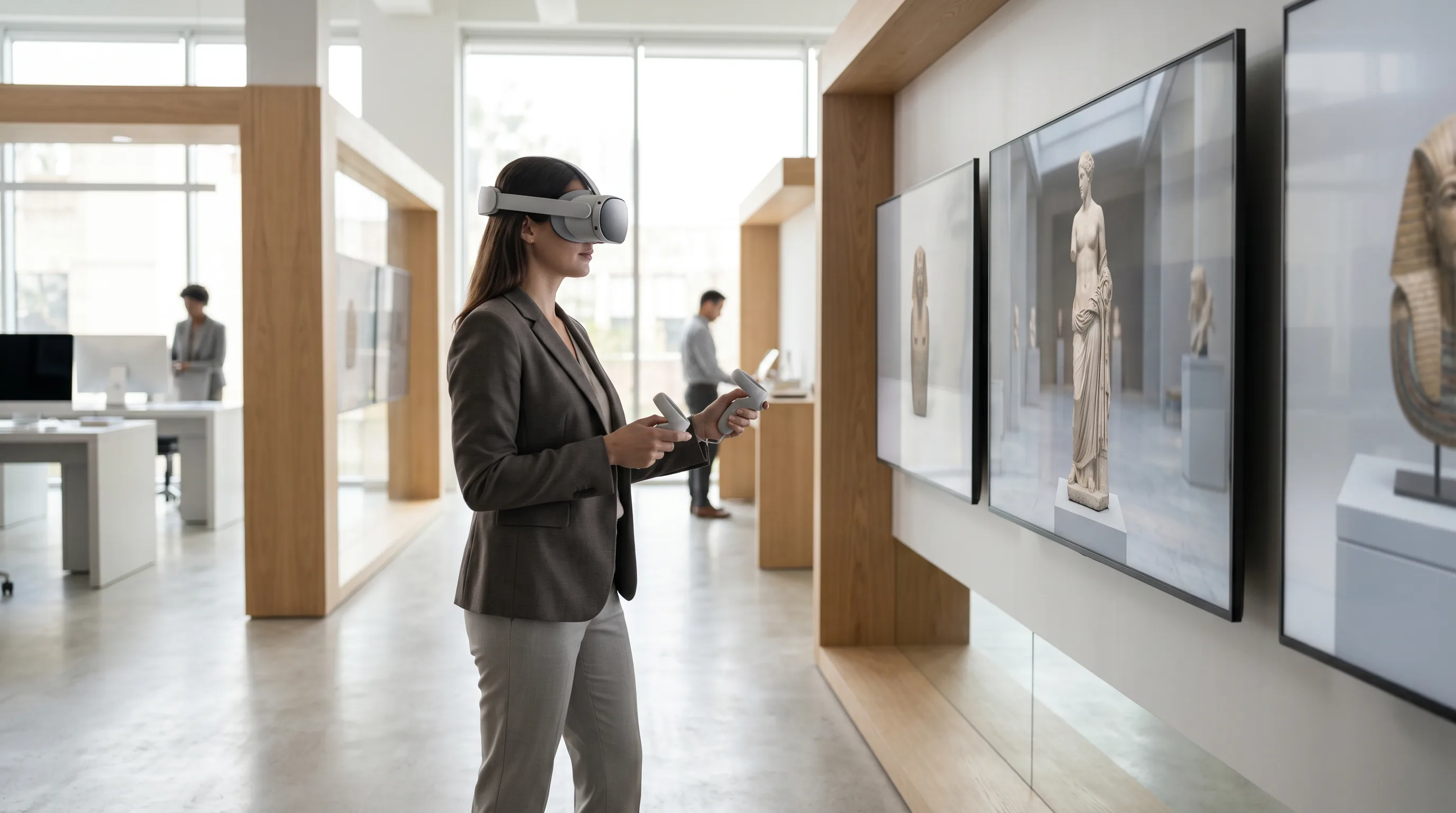
VR museums are immersive digital environments that use virtual reality to recreate or reinterpret physical museum spaces, enabling global audiences to explore art, history, and science interactively. They combine technologies such as real-time 3D rendering, spatial computing, and AI to enhance realism, personalization, and accessibility across devices. By democratizing cultural access, VR museums expand educational opportunities, preserve digital heritage, and foster cross-cultural understanding. Institutions like the Louvre, British Museum, and Smithsonian have demonstrated their potential to sustain engagement and cultural continuity. As open standards and metaverse integration advance, VR museums are becoming essential platforms for global cultural exchange and learning.
The Rise of VR Museums and Virtual Cultural Access
VR museums are immersive digital environments that replicate or reinterpret physical museum spaces, allowing users to explore collections through virtual reality headsets or web-based interfaces. They matter because they democratize access to global culture, enabling anyone with an internet connection to experience world-class exhibitions.
The Evolution from Virtual Tours to Immersive Worlds
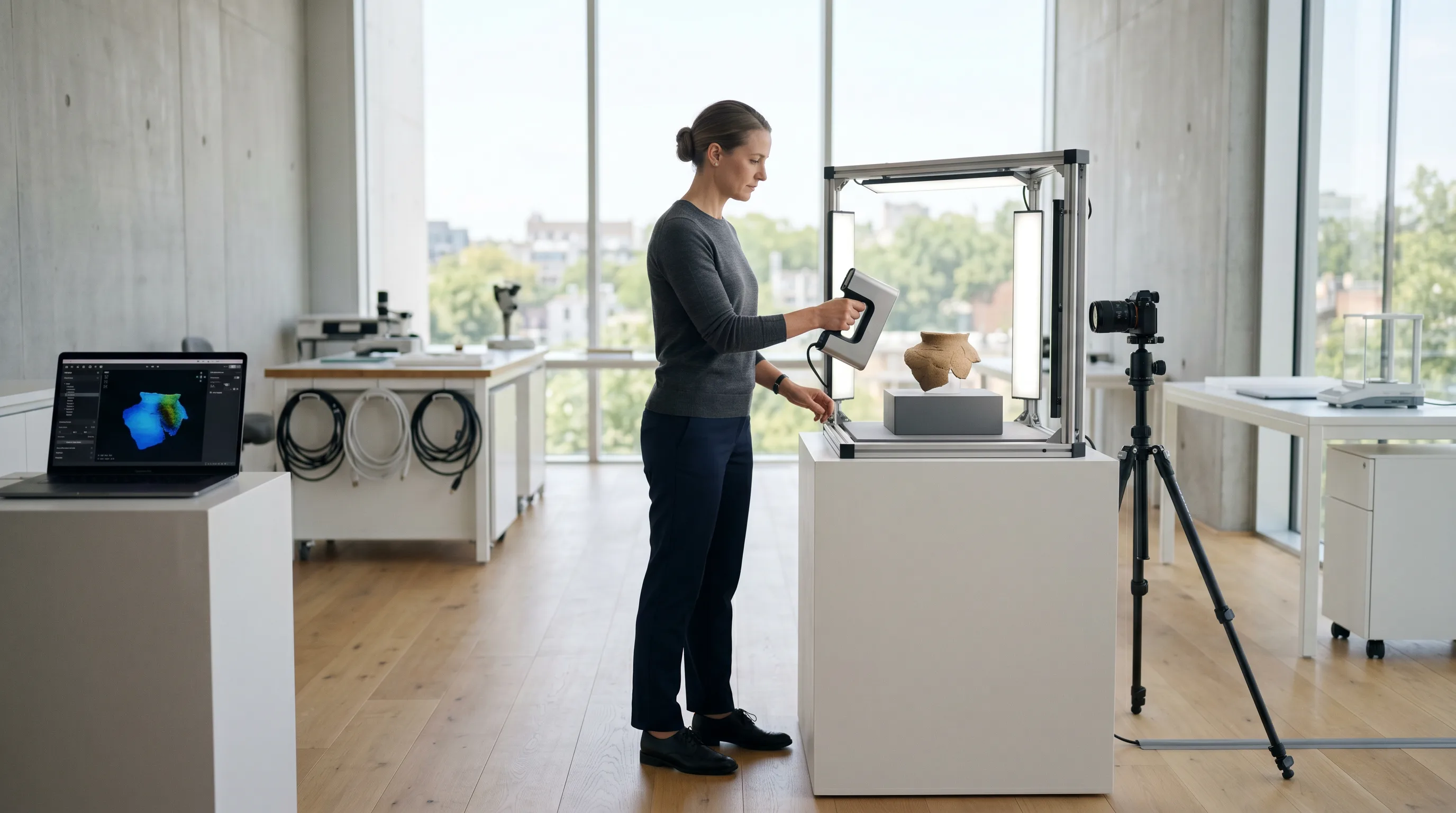
In the early 2010s, virtual museum tours were primarily 360° photo walkthroughs. Today, they have evolved into fully interactive 3D environments powered by real-time rendering engines such as Unreal Engine and Unity. These platforms allow curators to reconstruct entire galleries with photogrammetry and 3D scanning, creating immersive art experiences that rival physical visits.
Platforms like Google Arts & Culture pioneered this shift by digitizing thousands of artifacts and exhibitions. Users can now navigate detailed renderings of historic sites, zoom into high-resolution artworks, and even experience time-based reconstructions of ancient civilizations. This evolution marks a fundamental change in how museums engage audiences—transforming passive viewing into active exploration.
How Pandemic-Era Innovations Shaped Virtual Museum Growth
The global pandemic accelerated the adoption of virtual museum technologies. With physical closures, institutions turned to VR to maintain engagement. The Louvre, the British Museum, and the Smithsonian all expanded their digital offerings, ensuring cultural continuity during lockdowns. According to Smithsonian Magazine, the Smithsonian Digitization Program scanned millions of artifacts, creating a foundation for future VR integration.
This period also normalized remote museum access, fostering a new generation of digital visitors. Museums realized that virtual exhibitions not only sustain engagement during crises but also expand audiences globally. As a result, VR museums are now integral to long-term digital strategies.
Key Platforms Powering Accessibility: Google Arts & Culture, Viveport, and Meta Quest Store
Accessibility is driven by platform diversity. Viveport and the Meta Quest Store provide distribution channels for immersive museum apps, while web-based experiences ensure compatibility across devices. Google Arts & Culture remains a leader in browser-based access, offering seamless exploration without requiring a headset.
Together, these ecosystems support the democratization of culture, ensuring that VR museums reach classrooms, homes, and research institutions worldwide. Key takeaway: The rise of VR museums reflects a global commitment to cultural accessibility through immersive technology.
Need help with VR museum design?
We are here to help!
How VR Museums Enhance Visitor Engagement and Learning
VR museums enhance engagement by increasing presence, interaction depth, and learning retention. They transform passive observation into active participation, making cultural education more memorable and measurable.
The Psychology of Immersion and Presence in Virtual Spaces
Immersion is the psychological state of “being there” in a virtual environment. Research from the ACM Digital Library shows that high levels of presence correlate with improved emotional connection and memory retention. In VR museums, this means visitors form deeper bonds with exhibits, fostering empathy and curiosity.
Spatial audio, realistic lighting, and interactive storytelling amplify immersion. For instance, standing virtually inside an ancient temple reconstructed in 3D creates a multisensory learning experience that static images cannot replicate. This presence effect is a cornerstone of VR museum design.
Measuring Impact: User Engagement Rate, Session Duration, and Visitor Retention
Museums now use digital analytics to measure success. Metrics such as user engagement rate, session duration, and visitor retention provide insight into how visitors interact with exhibits. For example:
| Metric | Definition | Typical VR Museum Benchmark |
|---|---|---|
| User Engagement Rate | Percentage of visitors interacting with 3D elements | 65–80% |
| Session Duration | Average time spent per visit | 12–20 minutes |
| Visitor Retention | Percentage of returning users | 30–45% |
These metrics help curators refine content, adjust difficulty levels, and personalize experiences. Predictive analytics tools, powered by AI, further optimize these metrics by adapting exhibit flow in real time.
Educational Applications: Virtual Reality Education and Interactive Exhibitions
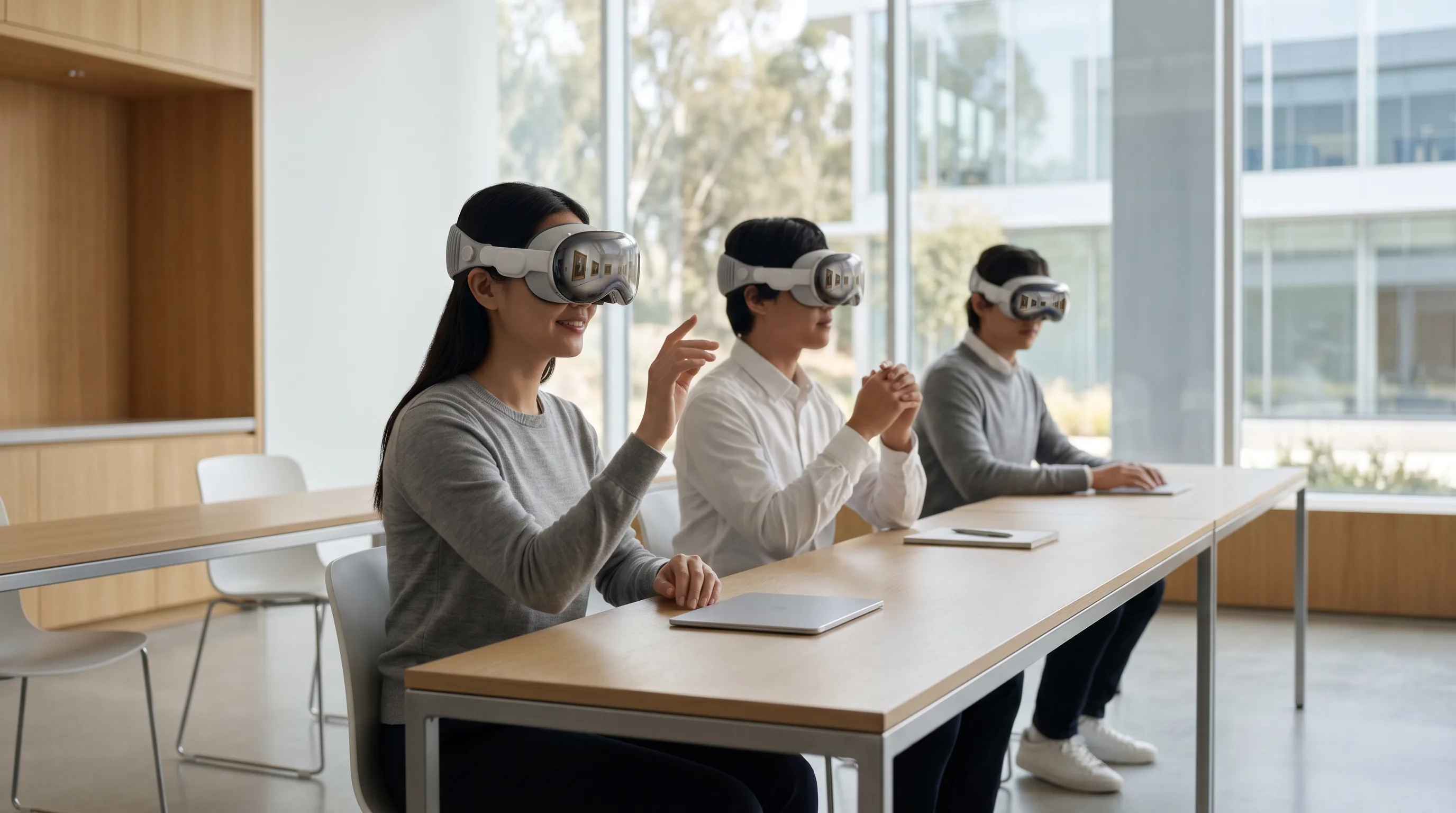
VR museums are powerful tools for virtual reality education. Teachers use them to complement curricula in history, art, and science. Students can explore the Museum of Natural History VR or the National Gallery Virtual Tour to study artifacts in context rather than through textbooks.
Interactive exhibitions allow users to manipulate 3D models, conduct virtual experiments, or follow guided narratives. This aligns with experiential learning theories, which emphasize active engagement for deeper understanding. Key takeaway: VR museums enhance learning outcomes by merging interactivity, immersion, and analytics-driven personalization.
Technology Behind the Virtual Museum Revolution
The VR museum revolution is powered by a robust technological ecosystem combining 3D modeling, real-time rendering, and open standards for interoperability.
Core Development Tools: Unity, Unreal Engine, and Blender
Developers use Unity and Unreal Engine to build interactive museum environments. Unity’s cross-platform support makes it ideal for web and mobile VR experiences, while Unreal Engine offers photorealistic rendering for high-end installations. Open-source tools like Blender enable artists to model artifacts and environments efficiently.
Studios like Frame Sixty specialize in creating these immersive spaces, leveraging their 3D model design services to produce accurate digital replicas. Their expertise in 3D modeling for manufacturing and industrial design also translates seamlessly into cultural heritage applications.
3D Cultural Exhibit Creation Using Sketchfab, Matterport, and Autodesk Maya
Platforms such as Sketchfab and Matterport simplify 3D content publishing. Matterport’s spatial scanning technology allows museums to capture entire galleries, while Autodesk Maya supports detailed animation and lighting workflows. These tools collectively enable curators to create 3D cultural exhibits that balance realism with artistic interpretation.
Standards Enabling Cross-Platform Access: WebXR, OpenXR, and glTF
Interoperability is critical for accessibility. OpenXR provides a unified framework for VR and AR devices, ensuring consistency across Meta Quest, HTC Vive, and Oculus Rift. The WebXR API enables browser-based VR experiences, while the glTF format optimizes 3D asset delivery for performance and compatibility.
These standards ensure that virtual museums remain device-agnostic, scalable, and future-proof. Key takeaway: Open standards and advanced 3D tools form the backbone of the VR museum ecosystem.

Iconic Examples of VR Museum Experiences
Several institutions have set benchmarks for virtual cultural engagement through innovative VR projects.
The Louvre VR Experience and the Future of Digital Art Curation
The Louvre VR Experience exemplifies how traditional museums embrace digital transformation. By digitizing masterpieces like the Mona Lisa, the Louvre enables global audiences to experience its galleries in fully navigable 3D environments. The VR version integrates storytelling, spatial sound, and guided narration to replicate the emotional resonance of an in-person visit.
The British Museum and Smithsonian Digitization Program in Virtual Reality
The British Museum’s digital collection provides open access to millions of artifacts, many of which are now available in 3D. Similarly, the Smithsonian Magazine highlights the institution’s ongoing digitization efforts, which include 3D scanning and VR integration for educational outreach.
These initiatives not only preserve cultural heritage but also democratize it, aligning with UNESCO’s digital heritage mission to safeguard cultural assets for future generations.
National Gallery Virtual Tour and Museum of Natural History VR Highlights
The National Gallery Virtual Tour and Museum of Natural History VR experiences showcase how storytelling and interactive design can elevate learning. Visitors can explore high-resolution art collections, interact with fossils, and even witness historical reconstructions. Key takeaway: Iconic VR museums demonstrate how immersive technology amplifies cultural access and preservation.
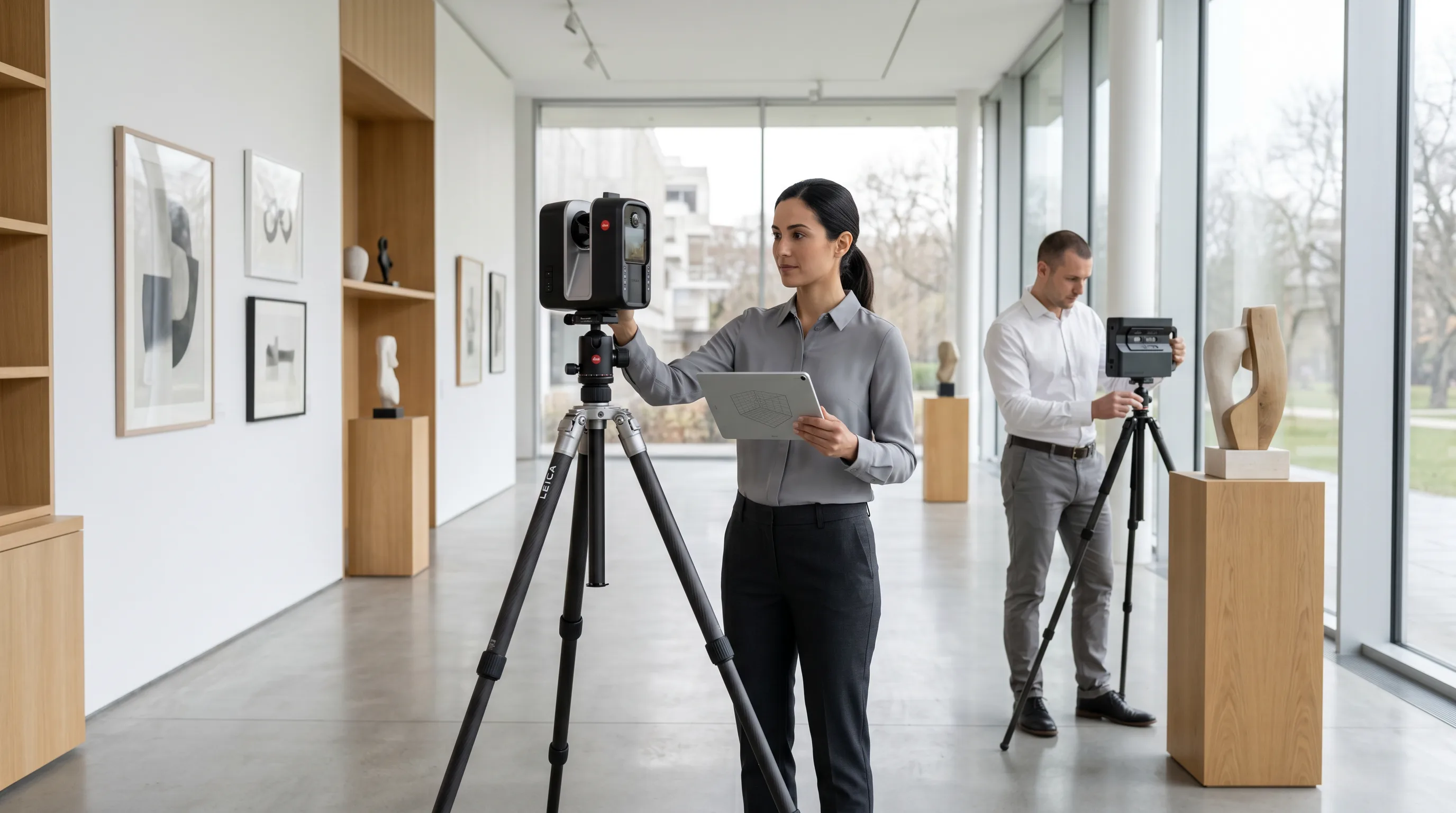
Designing Immersive Art Experiences for Global Audiences
Designing VR museums requires balancing authenticity, interactivity, and accessibility. The goal is to create experiences that are both emotionally engaging and technically seamless.
Balancing Authenticity and Interactivity in 3D Cultural Exhibits
Authenticity ensures that digital exhibits maintain historical and artistic integrity. Curators collaborate with 3D artists to ensure accurate scale, texture, and lighting. However, interactivity adds educational value—allowing users to rotate artifacts, trigger contextual information, or explore behind-the-scenes stories.
Studios like Frame Sixty excel at this balance, combining artistic precision with technical innovation to deliver credible yet engaging cultural experiences.
Accessibility and Device Compatibility Across Meta Quest, HTC Vive, and Oculus Rift
Device compatibility remains a key challenge. Museums must ensure smooth performance across headsets like Meta Quest, HTC Vive, and Oculus Rift. Using standards such as OpenXR and optimizing for various accessibility scores ensures inclusive design.
The developer.oculus.com documentation provides essential guidelines for optimizing performance and input systems across devices. This ensures that VR museums remain accessible to users regardless of hardware limitations.
Enhancing Engagement Through Storytelling, Audio Design, and Spatial Navigation
Storytelling transforms static exhibitions into emotional journeys. Spatial audio and intuitive navigation guide visitors naturally through digital spaces. Integrating AI-augmented reality principles from Frame Sixty’s AI AR insights further enhances immersion by adapting narratives dynamically based on user behavior. Key takeaway: Effective VR museum design harmonizes authenticity, accessibility, and storytelling to maximize user engagement.

The Role of AI and Data in Virtual Museum Design
AI is revolutionizing virtual museum design by personalizing experiences, optimizing engagement, and preserving digital heritage.
How AI Curates Personalized Exhibit Journeys
AI algorithms analyze visitor behavior to create tailored exhibit paths. For instance, an AI-driven curator might recommend artworks based on previous interactions or highlight related artifacts. Frame Sixty’s AI developer insights emphasize how machine learning models can enhance personalization by predicting user preferences in real time.
Predictive Analytics for Visitor Retention and Interaction Depth
Predictive analytics tools use behavioral data to forecast visitor retention and interaction depth. Museums can identify which exhibits drive the longest time-on-exhibit or highest conversion rates. Integrating these insights with AI-powered dashboards helps curators refine content strategies and improve engagement metrics.
Integrating Machine Learning with Digital Heritage Preservation
AI also supports digital heritage preservation by automating artifact restoration and metadata tagging. Frame Sixty’s AI in virtual reality development explores how neural networks reconstruct damaged textures or simulate missing details in ancient relics. This aligns with UNESCO’s mission to preserve cultural identity through technology. Key takeaway: AI transforms VR museums into adaptive, data-driven ecosystems that personalize learning and preserve history.
Economic and Cultural Impacts of Virtual Museums
VR museums generate both economic and cultural value by expanding global reach and redefining museum economics.
Expanding Reach Through Virtual Tourism and Remote Museum Access
Virtual museums enable virtual tourism, allowing users to explore cultural landmarks without travel. This reduces environmental impact while promoting inclusivity. Institutions can attract international audiences who might never visit physically, extending their educational and cultural influence.
Revenue Models: Subscription, Donation, and Hybrid Access Systems
Monetization models vary across institutions:
- Subscription access: Users pay monthly for unlimited virtual tours.
- Donation-based access: Free entry with optional contributions.
- Hybrid systems: Free basic access with premium interactive features.
These models create sustainable revenue streams while maintaining accessibility for educational institutions and public users.
The Role of VR Museums in Global Cultural Diplomacy
VR museums foster cultural diplomacy by showcasing national heritage to global audiences. Collaborative exhibitions between countries strengthen cross-cultural understanding and academic exchange. Key takeaway: VR museums are not only educational tools but also engines of cultural and economic growth.
Future Trends in VR and Metaverse Art Galleries
The future of VR museums lies at the intersection of augmented reality, metaverse ecosystems, and emerging interoperability standards.
The Convergence of Augmented Reality Museums and Metaverse Platforms
Augmented reality (AR) and VR are converging into unified metaverse art galleries. Visitors can transition seamlessly between physical and virtual exhibits using spatial computing. Frame Sixty’s agentic spatial computing insights highlight how context-aware systems enhance interactivity across mixed-reality environments.
Emerging Standards: W3C Immersive Web and IEEE VR Standards
The IEEE and W3C are developing frameworks for immersive web interoperability. These IEEE VR Standards ensure consistent performance, safety, and accessibility across devices. As the immersive web matures, museums can deploy experiences that run natively in browsers without specialized hardware.
What’s Next: Holographic Exhibits, AI Curators, and Real-Time Collaboration
Future VR museums will integrate holographic displays, AI-driven curators, and real-time collaborative features. Visitors may soon co-explore exhibits with friends or scholars worldwide, guided by intelligent avatars. Frame Sixty’s developer perspective on Apple Vision Pro and 8 apps for Apple Vision Pro demonstrate how spatial computing hardware is paving the way for these next-generation experiences. Key takeaway: The next frontier of VR museums merges AI, AR, and metaverse technologies into seamless, collaborative cultural ecosystems.
Conclusion
VR museums are redefining how humanity preserves, experiences, and shares culture. They combine cutting-edge technologies like AI, spatial computing, and open standards to make art and history accessible to everyone, anywhere. From the Louvre VR Experience to the Smithsonian’s digitization initiatives, these platforms represent a global movement toward inclusive cultural engagement.
For cultural institutions, the strategic takeaway is clear: investing in VR and AI-driven museum design is no longer optional—it’s essential for relevance and reach. The integration of analytics, storytelling, and interoperability ensures that virtual museums remain both educational and sustainable.
As the metaverse expands, VR museums will become central hubs for learning, collaboration, and cultural diplomacy. Institutions that embrace these technologies now will lead the next era of digital heritage preservation and global engagement.
If your organization is ready to create immersive cultural experiences that inspire and educate, Get in touch with Frame Sixty to explore how advanced 3D modeling, AI integration, and spatial computing can bring your museum into the future.
Understanding VR Museums in 2026
This FAQ explores how VR museums operate, their technology, and how institutions and users can benefit from immersive cultural experiences in 2026.
A VR museum is an immersive 3D environment that replicates or reimagines real museum spaces, letting visitors explore exhibits interactively through virtual reality. Unlike basic 360-degree photo walkthroughs, VR museums use real-time rendering and spatial computing to create lifelike, navigable worlds where users can move through galleries and manipulate artifacts.
Yes - many VR museums are accessible through web-based platforms built on the WebXR standard, so visitors can explore exhibits on a standard computer or phone without specialized hardware. Browser-based leaders like Google Arts & Culture offer full exploration without a headset, while apps on Viveport and the Meta Quest Store serve headset owners.
VR museums are built in real-time engines such as Unreal Engine and Unity, with photogrammetry and 3D scanning capturing real artifacts and architecture for accuracy. Matterport scans entire galleries and Blender handles detailed modeling. Studios such as Frame Sixty apply 3D modeling services to produce accurate digital replicas of artifacts and gallery spaces.
OpenXR and WebXR are the key standards that make VR museum experiences compatible across headsets such as Meta Quest and HTC Vive, while WebXR also enables browser-based visits with no headset at all. The glTF format optimizes 3D assets for efficient delivery, keeping exhibits device-agnostic, scalable, and future-proof.
Museums measure VR engagement through metrics like user engagement rate, session duration, and visitor retention. Typical VR museum benchmarks run 65-80% of visitors interacting with 3D elements, 12-20 minute sessions, and 30-45% returning users. These analytics show curators which exhibits hold attention, and AI-driven predictive tools can adapt exhibit flow in real time.
Schools can integrate VR museums into curricula to deliver immersive lessons in art, history, and science, letting students interact with cultural artifacts in realistic virtual settings instead of studying them from textbooks. Because experiences can be replayed and self-paced, learners revisit exhibits until concepts stick, which aligns with experiential learning theory on active engagement.
Get in touch
We’re interested to see how we can help. Send us a message and we will get back to you within 24 hours.