
The Future of Virtual Museum Tours: Immersive Art, Education, and Technology in 2026
May 19, 2026
11 MIN READ
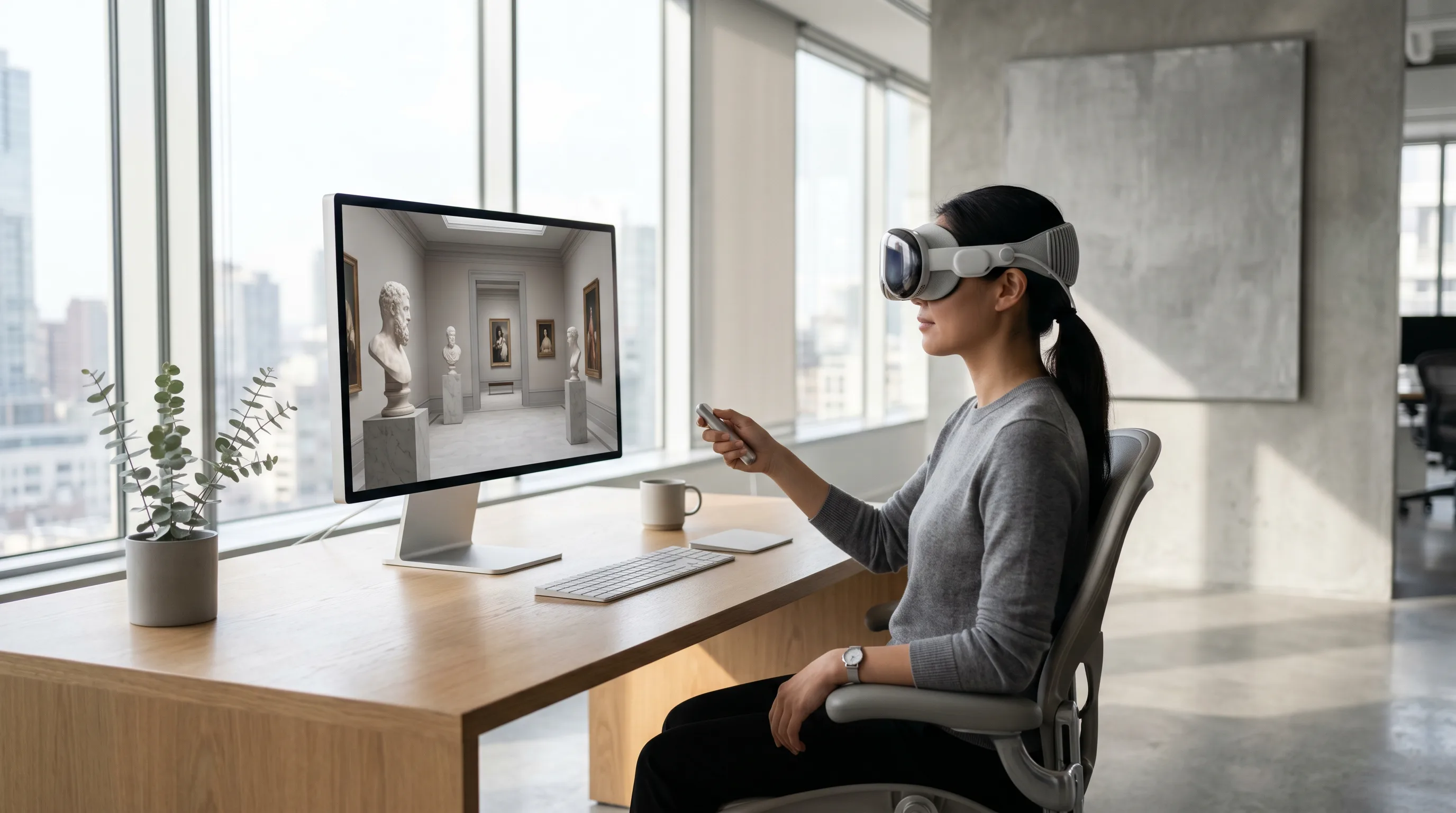
Virtual museum tours are interactive digital experiences that allow users to explore art, history, and culture through immersive 3D environments accessible via web browsers or VR headsets. They use technologies such as WebXR, OpenVR, and photogrammetry to recreate galleries and artifacts with high realism while adhering to accessibility standards like the W3C guidelines. Institutions including the Louvre, Smithsonian, and British Museum employ these tours to expand global access and preserve cultural heritage. By integrating AI-driven personalization, real-time collaboration, and metaverse connectivity, virtual museum tours are transforming education and cultural engagement worldwide.
The Rise of Virtual Museum Tours in the Digital Age
Virtual museum tours are online experiences that allow users to explore galleries, artifacts, and exhibitions through interactive 3D environments. They matter because they democratize access to global culture, enabling anyone with an internet connection to engage with masterpieces and historical treasures once limited to physical visitors.
From Static Websites to Immersive 3D Experiences
In the early 2000s, museums began posting static images of their collections online. While these digital archives were revolutionary, they lacked interactivity. The rise of 3D visualization, WebGL, and 360° photography changed that. Platforms like Matterport and Sketchfab allowed curators to build photorealistic walkthroughs, giving users the sense of walking through real galleries.
Today, virtual museum tours integrate WebXR and OpenVR technologies, enabling seamless transitions between desktop, mobile, and VR headsets. Museums now use HTML5 and glTF standards to ensure compatibility across devices. This shift from static to immersive experiences mirrors the broader digital transformation across industries, where interactivity drives engagement and learning.
How Cultural Institutions Embraced Digital Transformation
Cultural institutions such as the Smithsonian Institution (si.edu) and The Louvre (louvre.fr/en/online-tours) were early adopters of digital transformation. They recognized that virtual tours could expand their reach beyond physical boundaries. The British Museum and Vatican Museums followed suit, creating online collections that attract millions of virtual visitors annually.
These initiatives also align with global cultural preservation goals supported by UNESCO’s digital heritage programs (unesco.org/en/digital-heritage). By digitizing artifacts, institutions ensure long-term access to fragile or endangered cultural materials. This digital shift has also created new opportunities for collaboration between museums, developers, and educational organizations.
The Role of Google Arts & Culture in Global Accessibility
One of the most influential platforms in this transformation is Google Arts & Culture (artsandculture.google.com). Partnering with over 2,000 museums worldwide, Google has made art and history accessible to millions. Through high-resolution imagery, 3D scans, and immersive storytelling, users can explore the Tate Modern, MoMA, and National Gallery of Art from anywhere in the world.
Google’s use of Street View technology and AI-driven curation provides personalized recommendations, making virtual museum tours not only accessible but also deeply engaging. This democratization of culture has set a new standard for inclusivity and education in the digital age.
Key takeaway: Virtual museum tours have evolved from static web pages into immersive, interactive experiences that expand global access to art and culture.

Need help with virtual museum tours?
We are here to help!
How Virtual Museum Tours Work: Technology Behind the Experience
Virtual museum tours operate through a combination of 3D modeling, photogrammetry, and immersive web technologies. These tools recreate physical spaces digitally, enabling users to explore them interactively.
Core Technologies Powering Online Exhibitions
The backbone of modern virtual museum tours lies in technologies such as WebXR, OpenVR, HTML5, and WebGL (developer.mozilla.org/en-US/docs/Web/API/WebXR_Device_API). These frameworks allow developers to create immersive environments that can run directly in web browsers without additional software.
Platforms like Matterport and Sketchfab provide the infrastructure for 3D scanning and hosting, while Unreal Engine (unrealengine.com/en-US/) powers hyper-realistic rendering and lighting effects. Together, they enable museums to build digital twins of their galleries, complete with interactive hotspots, guided narration, and educational overlays.
The Evolution of 3D Museum Walkthroughs and Interactive Art Tours
The transition from panoramic photography to 3D museum walkthroughs has enhanced emotional engagement. Visitors can now zoom into brushstrokes, rotate sculptures, or listen to curatorial commentary. The Metropolitan Museum of Art’s Met 360 Project (metmuseum.org/art/online-features/met-360-project) exemplifies this evolution, offering breathtaking spherical views of iconic spaces.
Interactive art tours also integrate gamified learning—encouraging users to solve puzzles or complete quests related to exhibits. This interactivity increases session duration and return visits, key metrics for measuring engagement.
Accessibility and Inclusivity Through W3C Accessibility Guidelines
Accessibility is central to the success of virtual museum tours. The W3C Accessibility Guidelines (w3.org/WAI/standards-guidelines/wcag/) ensure that digital exhibitions are inclusive for users with disabilities. Features such as text-to-speech, high-contrast modes, and keyboard navigation make virtual tours accessible to all.
Museums also use AI-driven captioning and multilingual narration to reach global audiences. These enhancements align with the mission of inclusive cultural access and broaden the educational impact of digital heritage.
Key takeaway: Advanced web technologies and accessibility standards make virtual museum tours immersive, inclusive, and universally accessible.
Leading Examples of Virtual Museum Tours Worldwide
Virtual museum tours have become a global phenomenon, with leading institutions setting benchmarks for digital engagement and educational impact.
Iconic Institutions Offering Immersive Digital Exhibitions
| Museum | Platform | Notable Feature |
|---|---|---|
| The Louvre | louvre.fr/en/online-tours | 3D walkthroughs of the Egyptian Antiquities Wing |
| Smithsonian Institution | si.edu | Interactive science and history exhibits |
| The Getty | getty.edu/research/digital/ | Digital preservation and open-access archives |
| Metropolitan Museum of Art | metmuseum.org | 360° immersive tours |
| Tate Modern | Google Arts & Culture | Virtual modern art galleries |
| MoMA | Google Arts & Culture | Curated digital exhibits |
| National Gallery of Art | Google Arts & Culture | Interactive art collections |
| Vatican Museums | Official site | Virtual Sistine Chapel experience |
| British Museum | Google Arts & Culture | Global artifact exploration |
These institutions demonstrate how virtual tours can preserve history while engaging modern audiences through interactivity and storytelling.
Comparing Visitor Engagement Across Platforms
Museums track performance through metrics such as visitor engagement rate, session duration, and user satisfaction score. For example:
- The Louvre’s online tours average a 12-minute session duration.
- The Smithsonian’s digital exhibits report a 70% return visit rate.
- The Getty’s open-access archives have increased educational downloads by 40%.
These metrics highlight that immersive, interactive experiences foster deeper engagement and repeat visitation.
Key takeaway: Leading museums use virtual tours to expand reach, enhance engagement, and preserve cultural heritage for future generations.
Educational Impact: How Schools and Learners Use Virtual Museum Tours
Virtual museum tours are powerful educational tools that enrich learning through visual storytelling and interactive exploration.
Enhancing Remote Art Education and Cultural Literacy
During the remote learning boom, educators turned to virtual museum tours to teach art, history, and science. Students can explore the British Museum’s Rosetta Stone, the Louvre’s Mona Lisa, or the Smithsonian’s space exhibits without leaving the classroom. These experiences enhance cultural literacy and foster curiosity.
Integrating Virtual Tours into Classroom Curricula
Teachers now integrate virtual tours into lesson plans through platforms like Zoom and YouTube 360. They can host live discussions while navigating digital galleries, encouraging critical thinking and cross-disciplinary learning. Many museums offer educator toolkits, quizzes, and 3D printable models for hands-on engagement.
Benefits for Students with Accessibility Needs
Students with physical or cognitive disabilities benefit immensely from virtual tours. Features guided by W3C Accessibility Guidelines ensure equal participation. Multisensory elements—such as audio guides and haptic feedback in VR—enhance understanding for diverse learners.
Key takeaway: Virtual museum tours empower educators to deliver inclusive, engaging, and globally connected learning experiences.
Creating a Virtual Museum Experience: Tools, Platforms, and Best Practices
Creating a virtual museum tour involves selecting the right platform, designing for engagement, and measuring performance through actionable metrics.
Choosing the Right Platform: Artsteps, Kunstmatrix, VeeR VR, YouTube 360, Zoom
Each platform offers unique capabilities:
| Platform | Strength | Ideal Use Case |
|---|---|---|
| Artsteps | Easy drag-and-drop interface | Educational exhibitions |
| Kunstmatrix | Professional curation tools | Fine art galleries |
| VeeR VR | VR headset compatibility | Immersive storytelling |
| YouTube 360 | Broad accessibility | Public outreach |
| Zoom | Real-time guided tours | Classroom instruction |
Museums often combine these tools with Unreal Engine or Unity for advanced rendering and interactivity.
Designing for Engagement and Interactivity
Effective virtual tours use 3D model design services like Frame Sixty’s to create realistic environments. Interactive hotspots, narrative audio, and gamified challenges increase scroll depth and social shares. The goal is to make the visitor feel like an active participant rather than a passive observer.
Measuring Success: conversion rate, scroll depth, and social shares
Museums analyze data such as conversion rate (from visitor to donor), scroll depth, and social shares to assess performance. A high visitor engagement rate indicates that audiences find the experience compelling enough to explore multiple exhibits.
Key takeaway: Strategic design and data-driven optimization are essential for creating engaging, measurable virtual museum experiences.
Virtual Reality and Augmented Reality in Museum Storytelling
Virtual and augmented reality technologies have revolutionized museum storytelling by merging physical and digital worlds.
Immersive Art Experiences with ARCore and ARKit
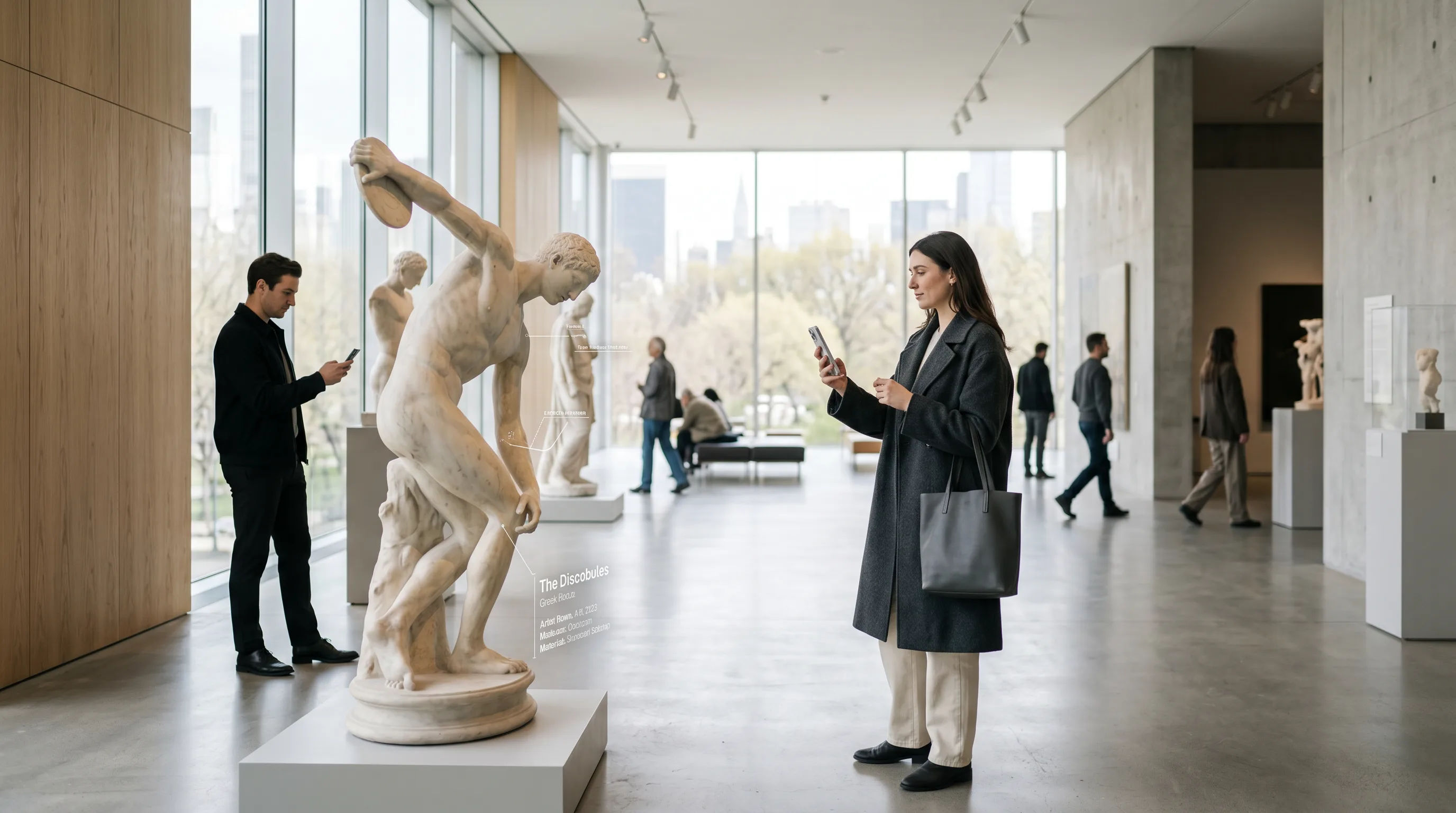
Using ARCore and ARKit, developers can overlay digital content onto real-world environments. This allows visitors to view historical reconstructions or 3D artifacts through their smartphones. For example, a visitor could see an ancient sculpture restored to its original colors through AR visualization.
Blending Physical and Digital Worlds Through Augmented Reality Exhibits
Museums now integrate AR into physical spaces, creating hybrid experiences. The Frame Sixty team explores this frontier through projects like AI-Augmented Reality, blending artificial intelligence with spatial computing for interactive storytelling. These experiences deepen emotional connections and make learning more memorable.
How 3D Museum Walkthroughs Enhance Emotional Connection
3D walkthroughs, powered by Frame Sixty’s modeling expertise, allow users to explore artifacts from multiple perspectives. This spatial immersion enhances empathy and understanding—key goals of museum education.
Key takeaway: AR and VR technologies transform museum storytelling into an emotionally resonant, interactive experience.
Cultural Heritage Digitization and Preservation
Cultural heritage digitization ensures that art, artifacts, and historical records are preserved for future generations.
The Role of High-Resolution Scanning and IIIF Standards
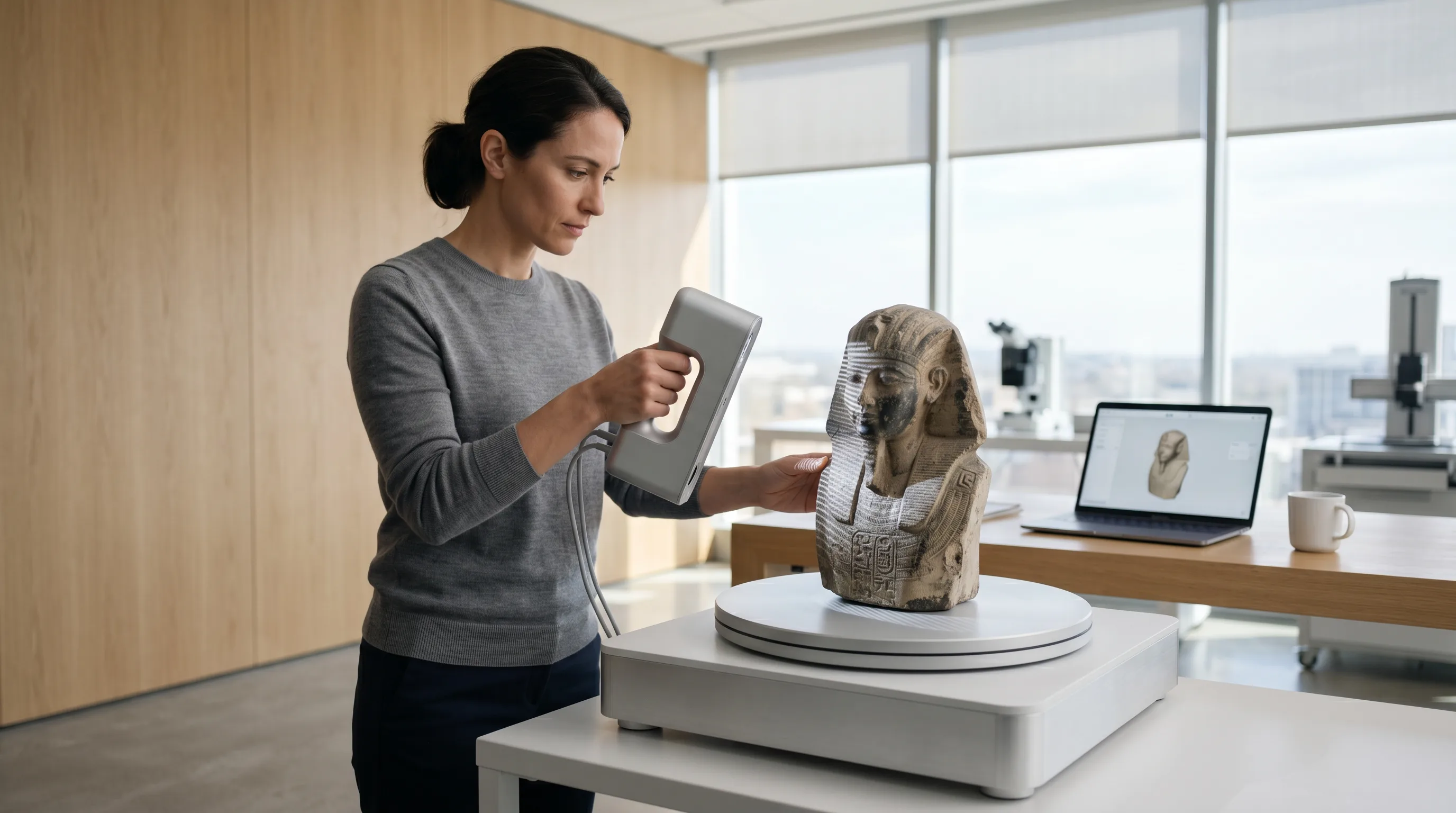
The International Image Interoperability Framework (IIIF) (iiif.io) standardizes how high-resolution images are shared and displayed. Museums use IIIF to provide scholars and the public with detailed, zoomable views of artworks. This open standard promotes collaboration and accessibility across institutions.
Long-Term Benefits for Global Cultural Preservation
Digitization protects fragile artifacts from environmental damage and conflict. Initiatives supported by The Getty (getty.edu/research/digital/) and UNESCO ensure that cultural treasures remain accessible even if physical sites are compromised. These efforts contribute to global cultural resilience.
Case Studies in Digital Archiving and Open Access
Projects like Google Arts & Culture’s Open Access and The Smithsonian’s 3D Digitization Program demonstrate the power of digital archiving. By sharing collections openly, institutions foster research, innovation, and education worldwide.
Key takeaway: Digitization and open-access initiatives safeguard humanity’s cultural heritage while expanding global access to knowledge.
Our Contribution: Expanding Virtual Museum Tours Through Immersive Worlds
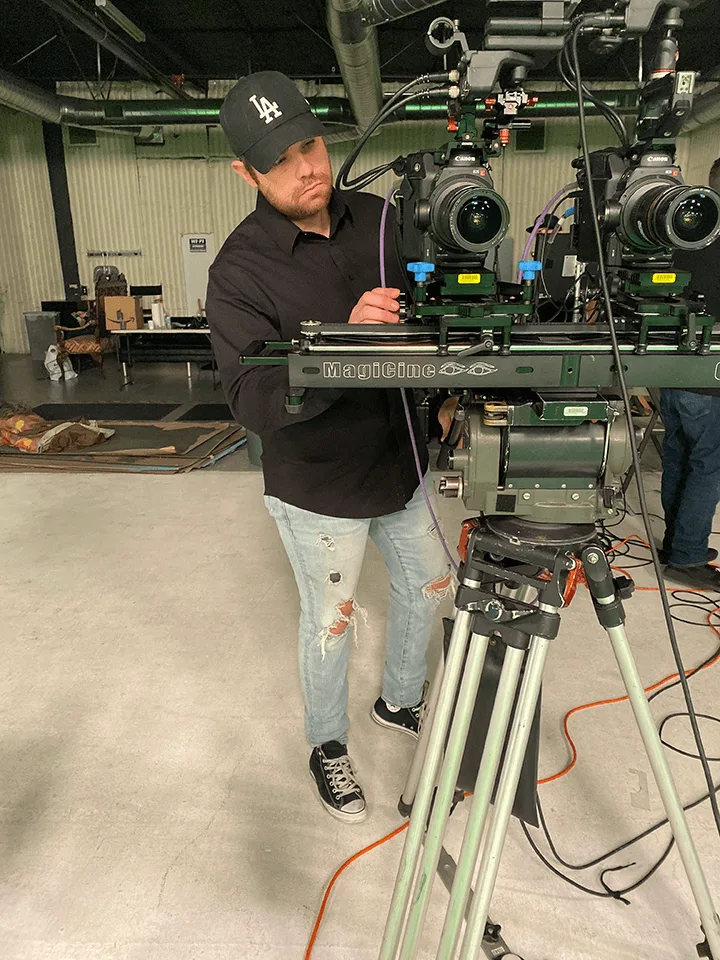
At Frame Sixty, we specialize in creating immersive digital experiences that redefine how audiences engage with culture and education.
How Aquarium Adventures and Dinosaur Land Redefine Educational VR
Our projects, such as Aquarium Adventures and Dinosaur Land, combine storytelling, interactivity, and educational design. These virtual worlds allow learners to explore ecosystems and prehistoric life through gamified experiences that align with school curricula.
Integrating with Apple Vision Pro and Meta Quest for Next-Gen Experiences
By integrating with Apple Vision Pro (8 Apps for Apple Vision Pro) and Meta Quest, we push the boundaries of immersive education. Our developer insights highlight how spatial computing enhances realism and engagement.
Driving Engagement Through Gamified Learning and Interactive Exploration
Using Agentic Spatial Computing and AI-driven personalization, we create adaptive learning environments. Our AI Developer team integrates intelligent agents that guide users through exhibits, adjusting content based on interest and performance.
Key takeaway: Frame Sixty’s immersive projects demonstrate how virtual museum tours can merge education, entertainment, and technology into transformative experiences.
The Future of Virtual Museum Tours: Trends Shaping 2026 and Beyond
The future of virtual museum tours lies in personalization, collaboration, and integration with the broader metaverse.
AI-Powered Personalization and Guided Experiences
Artificial intelligence tailors virtual tours to individual interests. Systems analyze user behavior to recommend exhibits, similar to how streaming platforms suggest content. This personalization increases user satisfaction scores and encourages longer engagement.
Real-Time Collaboration in Virtual Art Spaces
Emerging platforms enable multiple users to explore exhibits simultaneously. Teachers, students, and curators can meet in shared virtual spaces, discuss artworks, and annotate exhibits in real time. This social dimension transforms virtual museums into collaborative learning environments.
The Convergence of Museums, Metaverse, and Education Platforms
As the metaverse matures, museums will integrate their collections into shared digital ecosystems. Partnerships between cultural institutions and technology companies will create persistent, interconnected worlds where art, history, and science coexist interactively.
Key takeaway: The next generation of virtual museum tours will blend AI, collaboration, and metaverse integration to create deeply personalized, shared cultural experiences.
Conclusion
Virtual museum tours have evolved into a cornerstone of digital culture, combining art, education, and technology to make global heritage accessible to all. From The Louvre’s online galleries to Frame Sixty’s immersive worlds, these experiences redefine how we explore and learn.
As technologies like WebXR, IIIF, and AI-driven personalization advance, virtual museum tours will continue to expand their reach and impact. They will serve not only as digital archives but as living, interactive classrooms that inspire curiosity and creativity.
For museums, educators, and cultural organizations, the opportunity lies in embracing innovation while preserving authenticity. The future belongs to those who can merge storytelling, interactivity, and accessibility into cohesive digital experiences.
To learn how your institution can create immersive, educational, and accessible virtual museum tours, get in touch with the experts at Frame Sixty today.
Virtual Museum Tours: Insights, Technology, and Future Trends
This FAQ explores common questions about virtual museum tours—how they work, what technologies power them, and how institutions and educators can maximize their impact in 2026 and beyond.
A virtual museum tour is an online experience that lets users explore galleries and artifacts through interactive 3D or 360-degree environments. Unlike a physical visit, it offers global access from any device, often with added features like narration, zoomable artworks, and educational overlays.
Virtual museum tours complement rather than replace physical visits. They provide accessibility and convenience - anyone with an internet connection can explore the Louvre or Smithsonian collections - while physical museums still offer sensory and spatial experiences that digital environments cannot fully replicate.
Virtual museum tours rely on 3D modeling and photogrammetry to create realistic digital replicas of physical spaces and artifacts. These techniques capture detailed textures and dimensions, enabling lifelike navigation through galleries, zoomable artworks, and rotatable sculptures hosted on platforms like Matterport and Sketchfab.
Standards like WebXR, HTML5, WebGL, and glTF let virtual museum tours run in a browser across desktops, smartphones, and VR headsets without extra software. For hyper-realistic rendering, institutions layer in engines such as Unreal or Unity, while the IIIF standard handles zoomable high-resolution imagery.
Virtual museum tour costs vary with complexity, platform, and level of interactivity. Basic 360-degree tours built on platforms like Artsteps or YouTube 360 can be relatively affordable, while fully immersive 3D or VR experiences using engines like Unreal or Unity require higher investment and specialized 3D expertise.
Frame Sixty builds immersive virtual tours and educational VR worlds - projects like Aquarium Adventures and Dinosaur Land combine 3D environments, storytelling, and gamified learning for Apple Vision Pro and Meta Quest. Its 3D modeling services team creates the realistic environments and interactive hotspots that effective virtual museum tours depend on.
Get in touch
We’re interested to see how we can help. Send us a message and we will get back to you within 24 hours.