

Matias Gelos
CTO
15 MIN READ
The Rise of Android XR Glasses
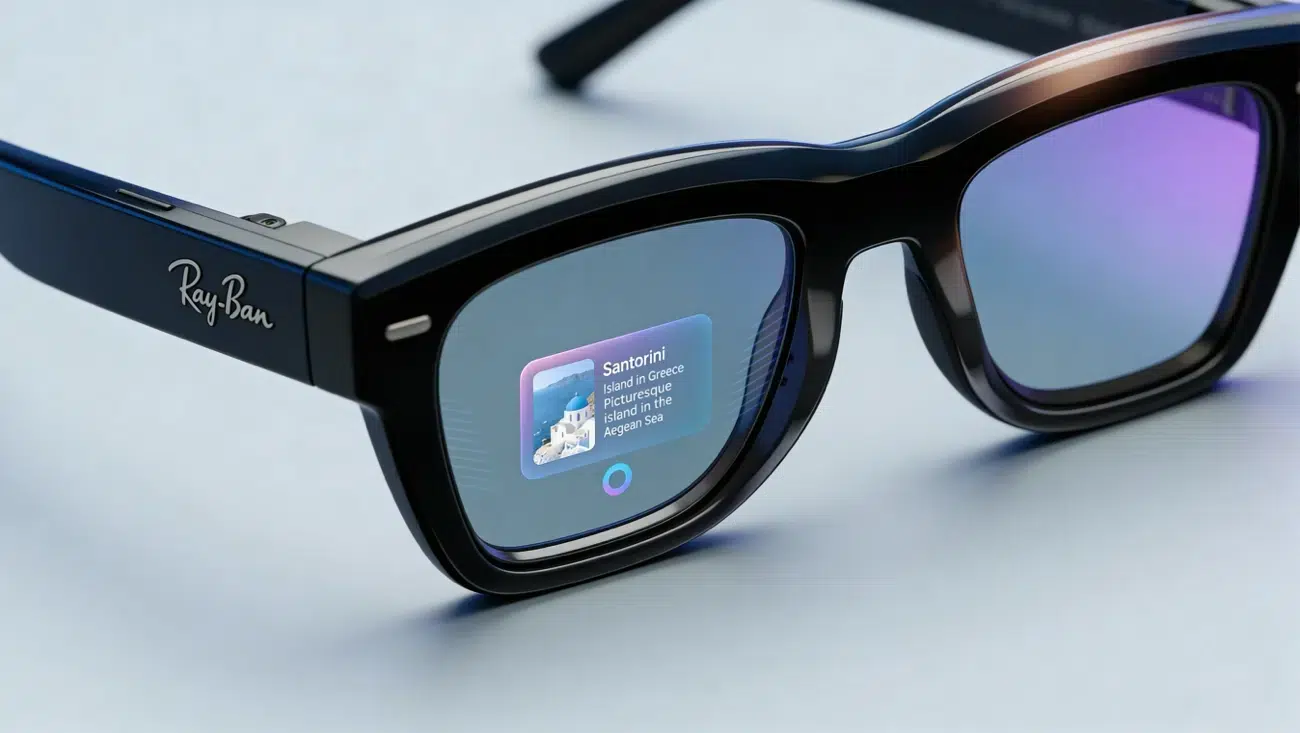
Smart glasses have been “almost here” for a decade. But with the rise of Android XR — Google’s new spatial computing platform — the landscape is finally shifting from prototypes and concept videos to real, consumer-ready and enterprise-ready wearable devices. And unlike previous attempts at AR eyewear, this next wave is backed by a unified operating system, multiple hardware manufacturers, and Google’s Gemini AI engine at its core.
The result? Android XR glasses that feel less like futuristic gadgets and more like natural extensions of everyday work and life.
As we move into 2026, the momentum behind Android XR is accelerating. Samsung, XREAL, Google partners, and major eyewear brands are building devices designed to bring spatial interfaces into offices, hospitals, retail stores, and factory floors. For companies watching the XR space, this is a critical moment — the moment lightweight AR hardware becomes actually usable, scalable, and affordable.
Android XR glasses are lightweight smart glasses powered by Google’s Android XR OS, enabling spatial apps, AI-powered overlays, and contextual digital content displayed directly in your field of view. They bridge the gap between two extremes: the immersive power of headsets like Samsung Galaxy XR or Vision Pro, and the portability of everyday eyewear.
What sets this new category apart is the combination of:
- A unified Android-based spatial OS
- An AI foundation (Gemini) built into the device
- A growing hardware ecosystem, not a single OEM
- The ability to run Android apps, spatial apps, and AI assistants
Instead of relying on one company’s vision for AR, Android XR glasses create an open ecosystem where multiple brands compete, innovate, and push the industry forward. This is why so many companies — especially those exploring long-term XR strategies — are watching this space closely.
Upcoming Devices: What We Know Today
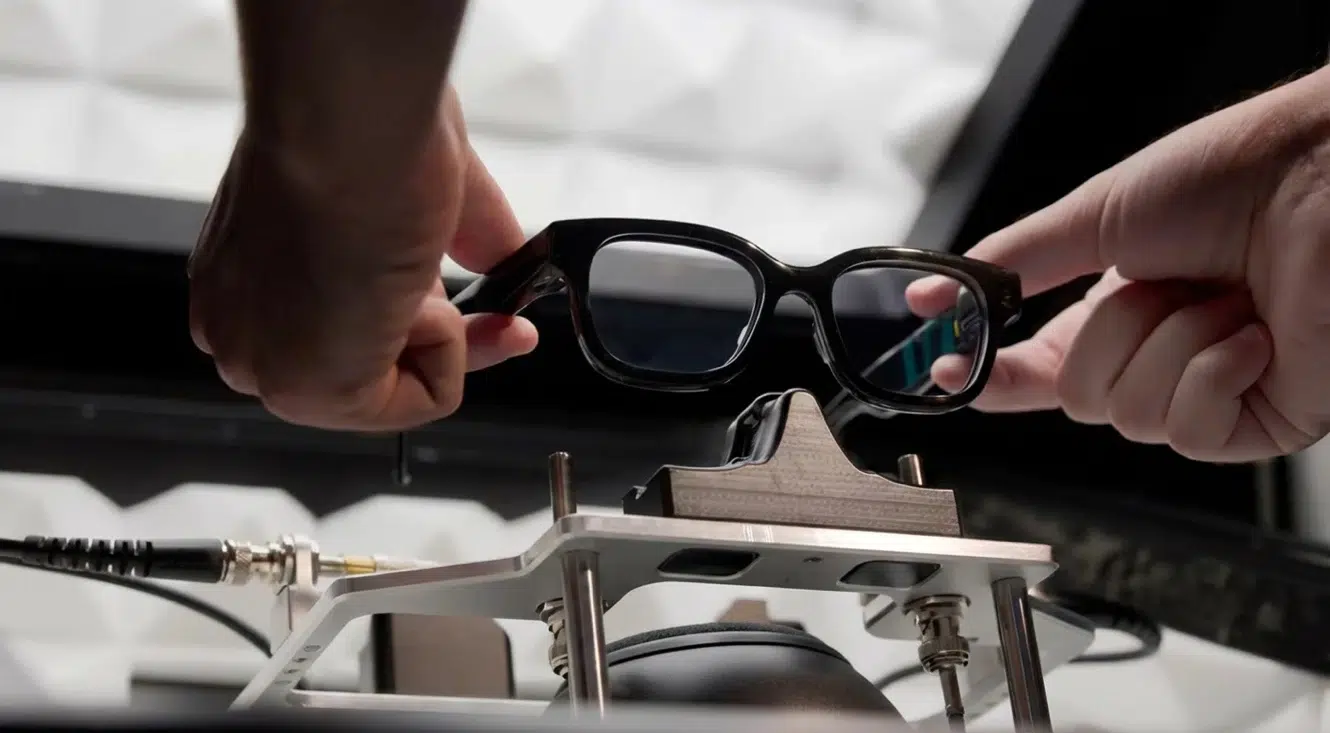
2026 is shaping up to be the first meaningful year for Android XR glasses, as several manufacturers prepare their first Android XR-powered eyewear. While release details vary, the trend is clear: the biggest names in consumer tech and fashion eyewear are all entering the spatial wearable market.
Samsung’s XR Glasses (Expected 2026)
Following the launch of the Galaxy XR headset, Samsung is developing a lighter eyewear model — often called Samsung XR Glasses — expected sometime in 2026. Early reports point to a design that blends eyewear aesthetics with practical AR functionality, including onboard sensors, AI overlays, and seamless connectivity with Galaxy phones.
Samsung’s entry is significant: when Samsung joins a hardware category, the market tends to follow.
XREAL’s "Project Aura"
XREAL, already a leader in consumer AR glasses, is developing an Android XR version of its popular eyewear. Project Aura is rumored to include built-in processing, spatial UI support, and a slimmer design aimed at all-day use. Given XREAL’s traction with early adopters, this may become one of the most widely available Android XR glasses at launch.
Google x Magic Leap Prototype
At Google I/O, Google demonstrated a reference design created with Magic Leap — lightweight glasses using microLED displays and waveguide optics. While not a retail product (yet), it clearly points to Google’s long-term eyewear ambitions and provides a blueprint for future Android XR glasses.
Warby Parker & Gentle Monster
Two fashion-driven eyewear giants — Warby Parker and Gentle Monster — are also working with Google. Their early models may function more like AI glasses with light AR features at first (notifications, translation, voice assistant), but with Android XR foundations that allow more advanced capabilities over time.
This fashion-first approach matters for adoption: people want smart glasses that actually look good.
What Android XR Enables on Smart Glasses
The hardware is interesting, but the OS is the real story. Android XR is designed to support spatial computing across both headsets and lightweight eyewear, which means Android XR glasses gain a powerful foundation from day one.
AI in Your Field of View
Google Gemini isn’t a bolt-on assistant — it’s embedded into Android XR. This allows glasses to:
- Translate speech instantly
- Recognize objects and surfaces
- Provide contextual information
- Understand your environment in real time
- Offer hands-free assistance
Imagine looking at medical equipment and asking, “Show me the steps to calibrate this,” or walking through a warehouse and instantly seeing product information. This is where Android XR glasses go beyond previous smart glasses: they understand what you’re seeing.
Hands-Free Interaction
Instead of controllers, Android XR glasses rely on:
- Voice
- Gaze
- Subtle gestures
This is especially useful in environments where workers need their hands free — healthcare, manufacturing, field service, retail, etc. And when precision input is needed, device makers can offer optional controllers without requiring them for everyday tasks.
Anchored Digital Content
Android XR includes advanced spatial mapping, bringing stability and realism to lightweight AR:
- Content stays fixed in place
- AR labels follow real objects
- Navigation arrows appear on real surfaces
- Workflows sit in your environment, not floating arbitrarily
This enables glasses that do more than notifications — they become practical work tools.
A Familiar App Ecosystem
Because Android XR extends Android, glasses inherit many benefits:
- Existing Android apps can be adapted
- Developers use known tools (Unity, Unreal, ARCore)
- Companies can expand current mobile apps into XR
- The Google Play ecosystem is already in motion
This dramatically reduces the development barrier for businesses.
Why Android XR Glasses Matter for Enterprise
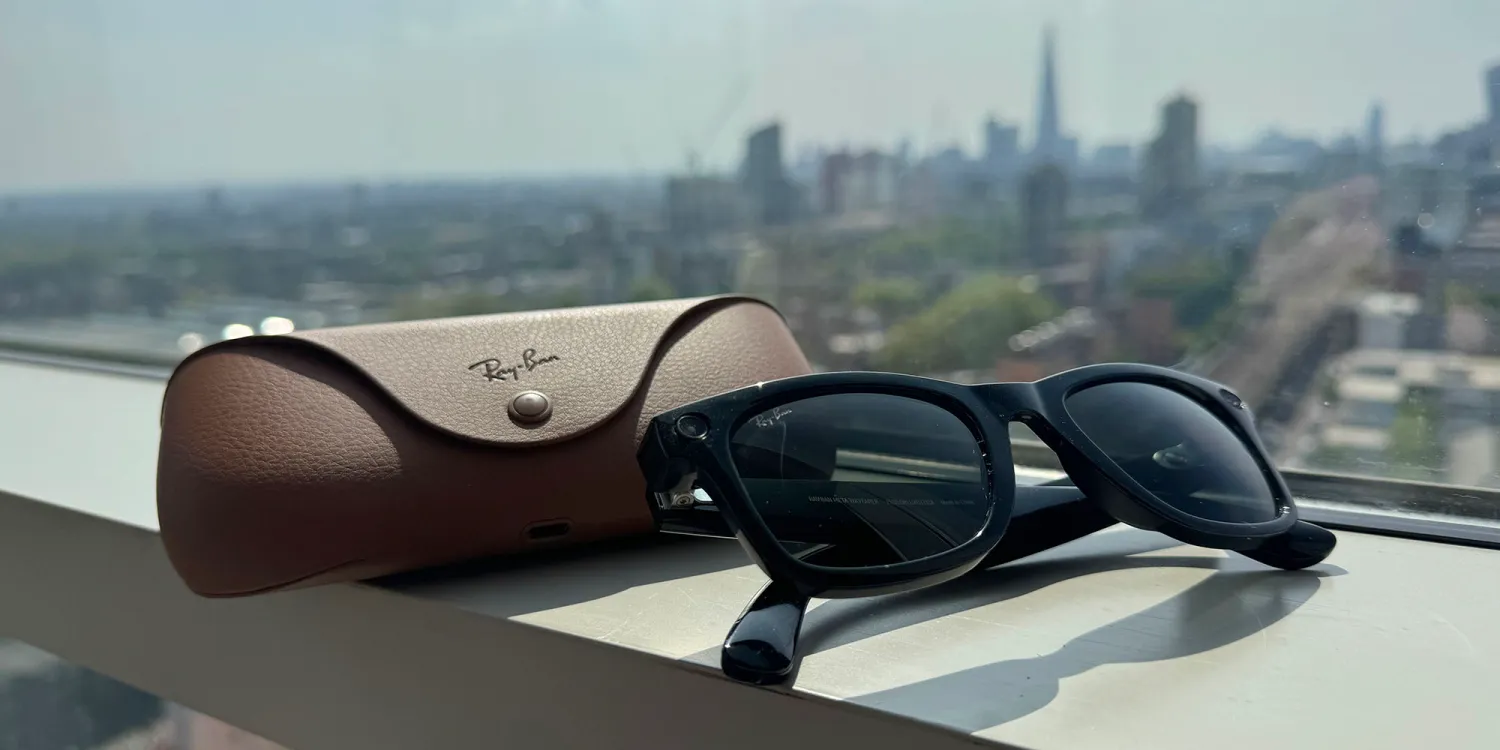
While consumers may buy these glasses for convenience or personal productivity, enterprise adoption is where Android XR glasses could have the biggest impact first.
Healthcare
Android XR glasses can deliver:
- Patient data overlays
- Guided procedures
- Real-time translations
- Remote specialist support
- Hands-free charting
Glasses solve many of the challenges that bulky headsets introduce in medical environments: comfort, sterility, mobility.
Manufacturing & Field Service
Smart glasses are becoming central to digital transformation strategies. With Android XR glasses, workers can see:
- Step-by-step instructions anchored to real equipment
- IoT dashboards
- Inspection checklists
- Remote expert annotations
This accelerates onboarding and reduces operational errors.
Training & Education
Companies can deliver immersive, contextual training without isolating the learner from their environment. Android XR glasses allow new employees to learn by doing, guided by AR overlays that appear exactly where they’re needed.
Retail & On-Site Customer Experience
Glasses enable:
- Real-time product information
- In-store navigation
- AI-driven clienteling
- Inventory visualization
Sales associates can access information quickly without breaking communication with customers.

How Android XR Glasses Compare to Other XR Devices
Android XR glasses don’t compete with headsets — they complement them.
Compared to Vision Pro
Apple Vision Pro is immersive and premium, but:
- Too heavy for long on-site work
- Too expensive for wide deployment
- Focused on high-end computing, not quick utility
Android XR glasses aim for mobility, scale, and comfort.
Compared to Meta Quest
Quest devices are excellent for VR and mixed reality indoors. Android XR glasses, however:
- Are far more portable
- Fit front-line workflows
- Allow all-day use
- Support cross-OEM deployment
Quest is great for training. Android XR glasses are great for everything that comes after training.
Frame Sixty & the Future of Android XR

At Frame Sixty, we are preparing for this multi-device future by ensuring the apps we build today will run on:
- Headsets (Vision Pro, Samsung Galaxy XR, Quest)
- Smart glasses (upcoming Android XR glasses)
- Mobile and web platforms
Our XR engineering team is already developing spatial workflows and prototypes aligned with the upcoming Android XR glasses ecosystem. This ensures our clients can scale across new form factors effortlessly.
If your organization is exploring XR strategy or evaluating how glasses might fit your workflows, we’d be happy to guide you.
FAQs
As interest in Android XR glasses grows, developers and businesses often ask similar questions about capabilities, use cases, and development workflows. Below is an organized breakdown of the most common inquiries.
Q2: How are Android XR glasses different from traditional AR glasses?
They run a unified spatial operating system, support advanced AI through Gemini, and integrate with a multi-manufacturer ecosystem — making them more capable, scalable, and practical for real-world use.
Q3: Who is making Android XR glasses?
Samsung, XREAL, Google partners (such as Magic Leap), Warby Parker, and Gentle Monster are all developing Android XR–powered eyewear for release across 2026 and beyond.
Q4: Can Android XR glasses replace VR headsets?
No. These glasses complement headsets by offering lightweight, all-day wearable functionality rather than immersive VR. They are designed for real-world workflows, not isolation.
Q5: Are Android XR glasses meant for consumers or businesses?
Both — but early adoption will be driven by enterprise use cases such as healthcare, field service, training, and retail.
Q2: Can existing Android apps run on Android XR glasses?
Yes. Traditional Android apps can be adapted, and many can run in 2D windows before being upgraded to spatial interfaces.
Q3: Does Android XR require special hardware APIs?
Developers can access spatial mapping, passthrough, hand tracking, and AI services through Android XR’s system APIs and Google Gemini integrations.
Q4: How do I test Android XR apps before glasses are released?
Developers can use the Android XR Emulator and Galaxy XR headsets, which share the same OS foundation.
Q5: Can we use hand, gaze, and voice inputs in apps?
Yes. Android XR provides multimodal input frameworks, allowing developers to build hands-free workflows.
Q2: Why are Android XR glasses better for frontline work than headsets?
They are lighter, more comfortable, less intrusive, and suitable for all-day use — making them ideal for on-site operations where mobility is essential.
Q3: Can businesses deploy Android XR glasses at scale?
Yes. Android XR supports enterprise device management, secure app distribution, and cross-OEM deployment.
Q4: How does AI improve enterprise workflows?
Gemini enables real-time translations, object recognition, contextual guidance, and instant assistance — reducing errors and speeding up tasks.
Q5: How does Frame Sixty help companies adopt Android XR?
Frame Sixty builds multi-device XR applications that run on Vision Pro, Quest, Galaxy XR, and upcoming Android XR glasses — helping enterprises scale across platforms and avoid vendor lock-in.