
Augmented Reality Agency
- Apple Vision Pro
- Meta Quest
- iOS
- Android
- WebXR
As the industry’s premier augmented reality agency, we’ve crafted AR solutions across all platforms, hardware, metaverse, and AR engines. Our expertise is underscored by four patents in the XR and AR domains.
Augmented Reality Platforms
There’s a plethora of platforms, SDKs, and game engines available for developing augmented reality apps. Making the right choice is pivotal to crafting an optimal AR experience for your audience.

Unity
Unity is one of the most popular cross-platform game development engines that also excels in creating AR experiences. Its major advantage lies in its vast ecosystem, which includes a large community of developers, an extensive asset store, and powerful tools for AR development such as the AR Foundation framework. Unity is particularly advantageous for developers aiming to deploy their AR applications across multiple platforms (iOS, Android, Windows) while maintaining a consistent user experience. It’s ideal for complex interactive applications, such as games or simulations, that require detailed environments and high levels of user engagement.
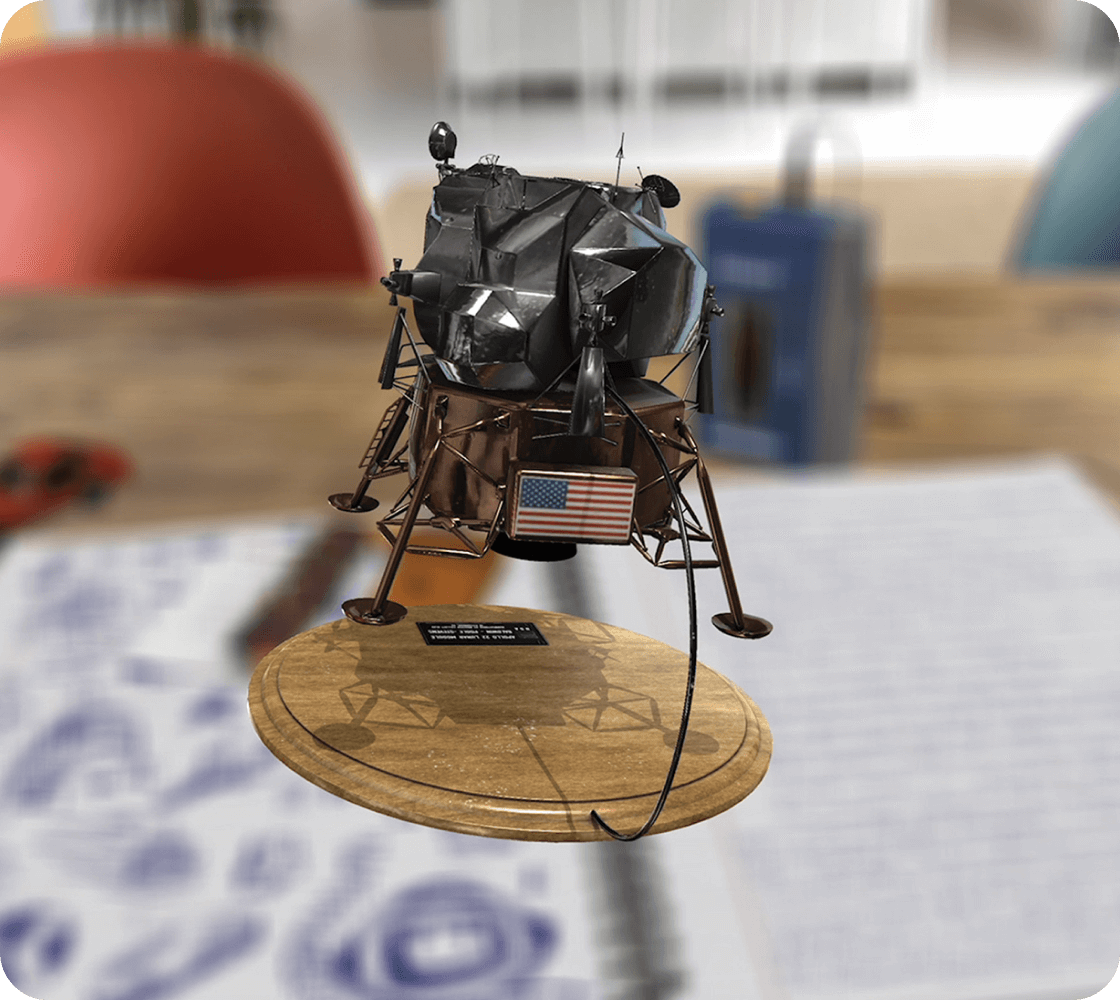

ARKit
Apple’s launch of ARKit marked a pivotal moment for augmented reality (AR), thrusting a previously niche technology into the limelight. Even though AR had been in existence for years, it was ARKit that solidified its mainstream status. ARKit facilitates the creation of diverse AR experiences, from casual apps to robust business applications. Compatible with iOS, natively attuned to Vision OS, and integrable with the Unity Game engine, ARKit, especially within VisionOS, has a profound grasp of one’s environment, empowering apps to interact with spaces in innovative ways. As an augmented reality agency, we consider ARKit as the premier SDK for AR development.


Unreal engine
Unreal and Unity are comparable giants in game development, both boasting outstanding graphics. However, when it comes to the pinnacle of graphic quality and intricate environmental details, Unreal Engine holds the edge. It offers swifter rendering than Unity, streamlining post-processing and overall game creation. With its comprehensive AR framework, Unreal delivers a cohesive platform for augmented reality app development. At Frame Sixty, as an augmented reality agency, our choice leans towards Unreal for AR apps when unparalleled graphic fidelity is paramount.
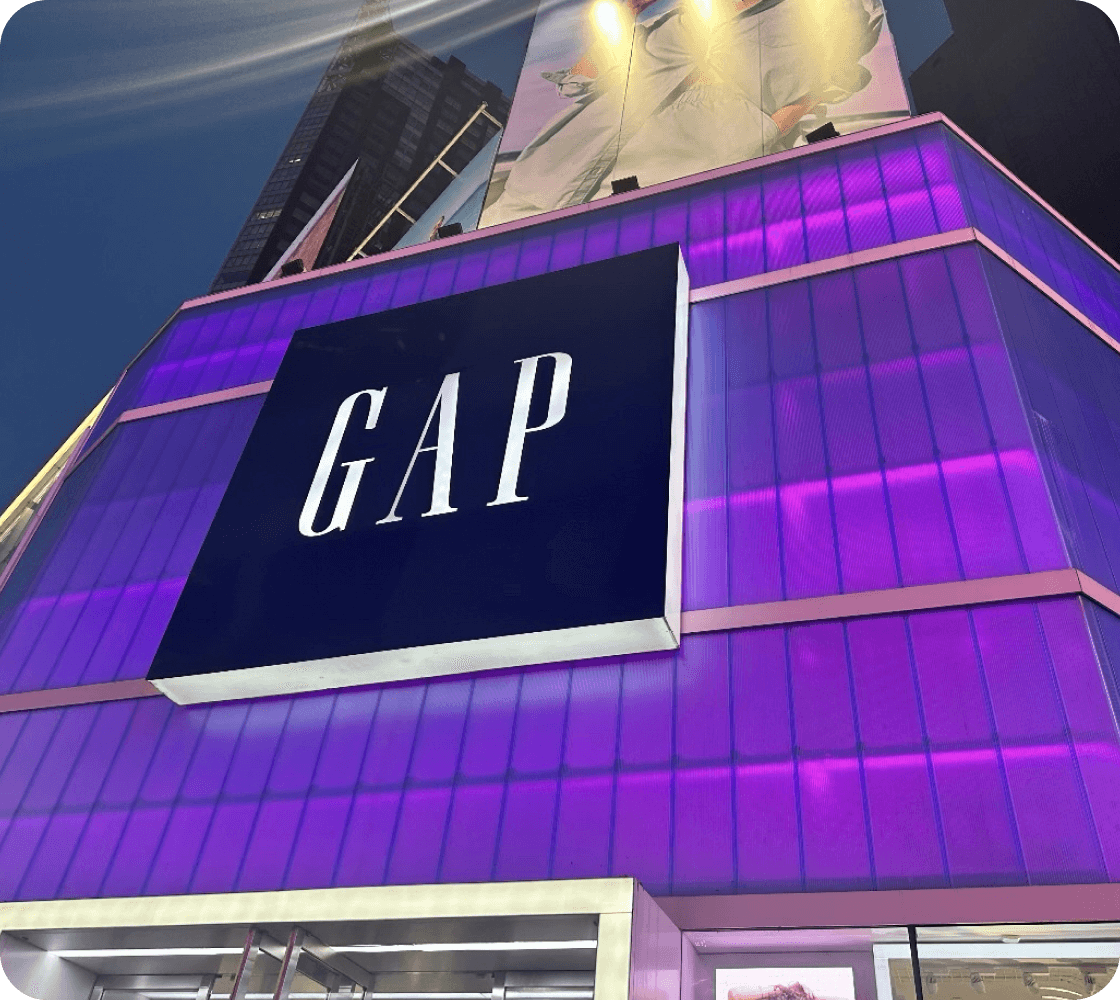

ARCore
ARCore, developed by Google, is instrumental in bridging the virtual and real worlds. At Frame Sixty, as an augmented reality agency, we believe its value lies in offering immersive AR experiences on Android devices. From shopping apps that allow users to visualize furniture in their living space before purchasing, to educational tools that bring historical figures to classrooms, its use cases are vast. Gamers experience more engaging environments, while businesses can offer interactive training modules. Moreover, tourism can be enhanced with AR city tours, and interior designers can make informed decisions using AR previews. ARCore’s versatility truly revolutionizes multiple sectors.
Hardware
Apple Vision Pro
Meta Oculus Quest
iPhone

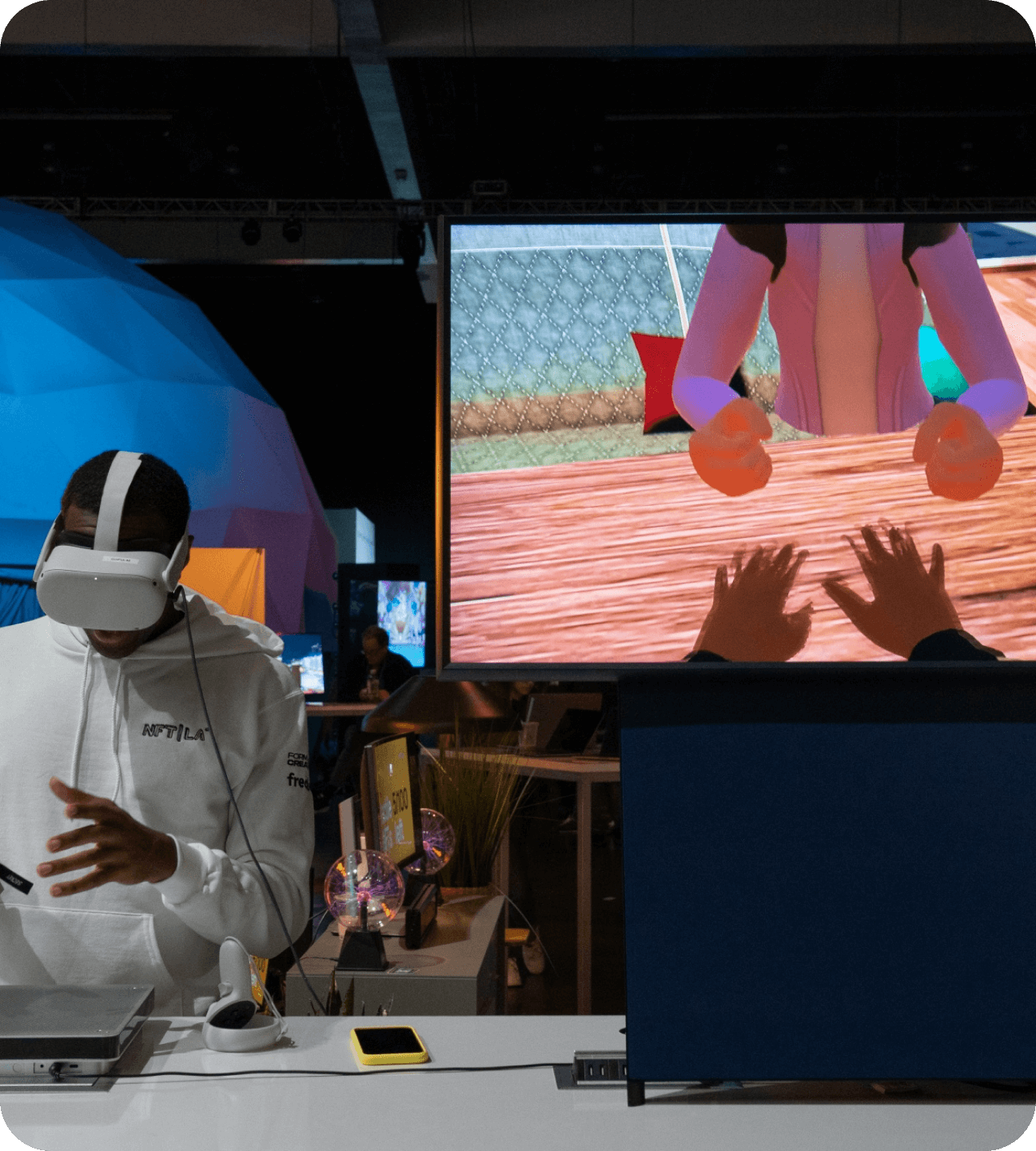
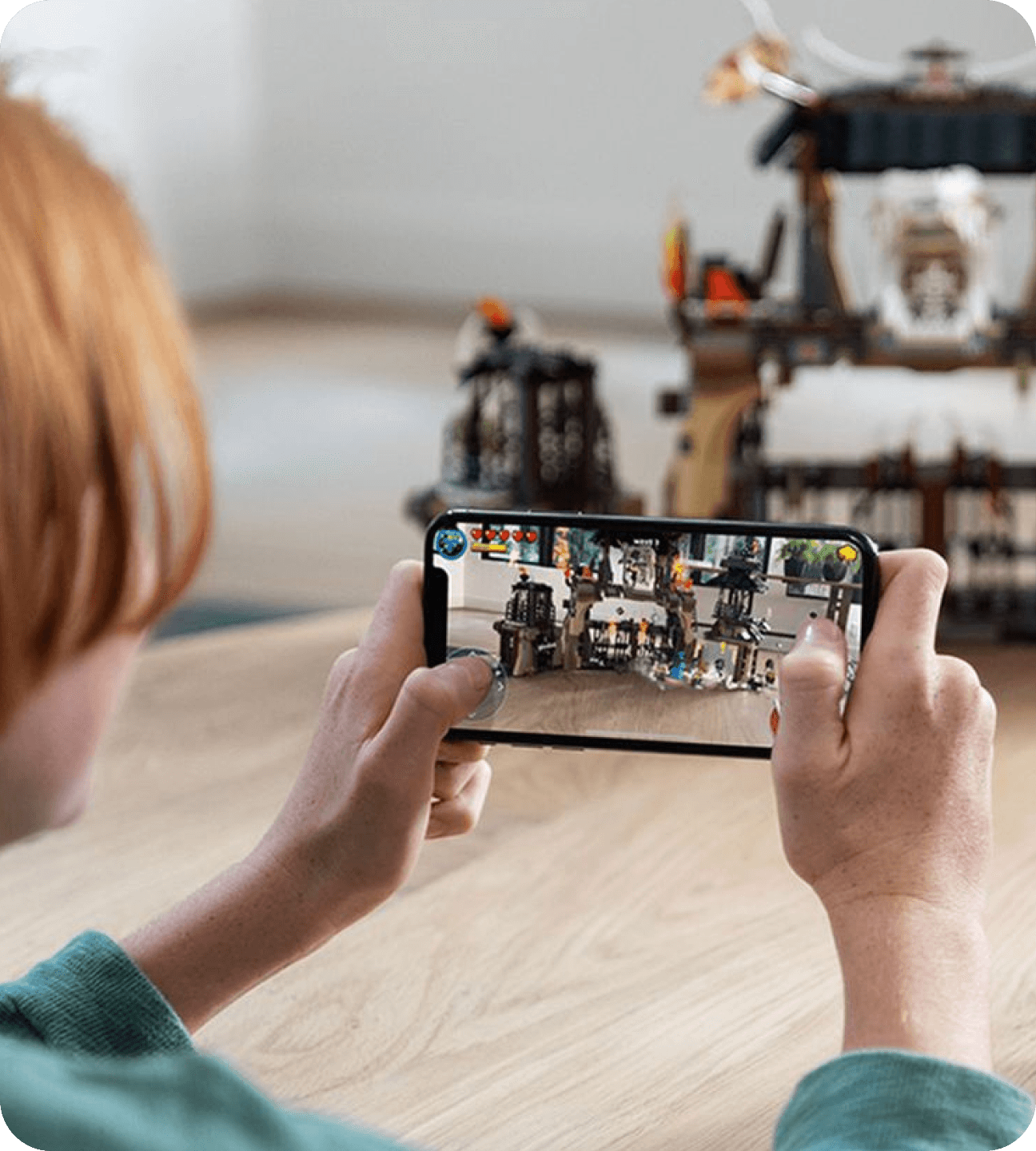
AR Hardware
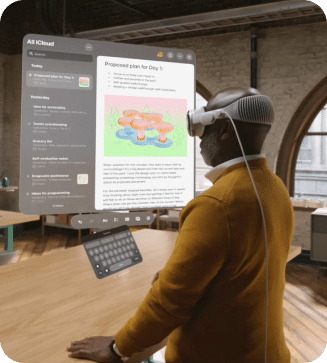
AR Real world use cases
[testimonial_view id=”5″]
FAQs About App Development
Crafting and bringing a mobile app to life can often feel like a daunting endeavor. However, with our wealth of knowledge and seasoned expertise, we’re equipped to address all your questions and navigate you through the app creation journey with unparalleled smoothness and simplicity.
Can you help me create a prototype or MVP for Vision Pro?
Yes. We regularly build proof-of-concept apps and MVPs to help clients validate ideas, secure funding, or pitch to internal stakeholders.
Do you support 3D medical visualization or healthcare apps on Vision Pro?
Absolutely. We've built medical-grade prototypes, including brain scan visualization tools, and can tailor AR/VR development for healthcare use cases.
Do I need special hardware to test Vision Pro apps?
For initial development, we use Apple’s visionOS simulator. However, full testing requires access to the Vision Pro device, which we support internally.
Can you port an existing Unity app to Vision Pro?
Yes. We can migrate existing Unity projects to visionOS using Unity PolySpatial and Apple's APIs, while optimizing for performance and UI/UX standards.
Will my Vision Pro app work with other Apple devices?
Some components can extend to iPad or iPhone, but immersive spatial features are exclusive to Vision Pro. We can advise on cross-device strategy as part of your AR/VR development roadmap.
Do you support mixed reality and passthrough experiences?
Yes. Our AR/VR development team specializes in Quest’s MR capabilities using color passthrough, depth APIs, and environment blending.
Can you build multiplayer or networked Quest experiences?
Absolutely. We can integrate Photon, Normcore, or custom networking stacks to enable social, collaborative, or multiplayer AR/VR apps.
What’s the difference between Quest 2, 3, and Quest Pro for development?
While all support core features, Quest 3 and Pro offer better passthrough, depth sensing, and hand tracking. We help tailor AR/VR development to the hardware's strengths.
Do you support hand tracking or controller-free interactions on Meta Quest?
Yes, we implement Quest’s hand tracking APIs for natural gesture-based input, ideal for immersive experiences and accessibility.
Can you build a Unity or Unreal project for Quest?
Yes. We primarily use Unity for Meta Quest apps but can also develop in Unreal depending on the visual or technical requirements.
Can you build both AR and VR experiences?
Yes. Our team handles the full spectrum—from mobile AR on iOS/Android to fully immersive VR for headsets like Quest and Vision Pro.
Do you create custom shaders, effects, or interaction systems?
Yes. We frequently develop custom graphics pipelines, shaders, and input systems to create high-fidelity AR/VR experiences.
Can you help with ideation and product strategy for AR/VR?
Definitely. Many of our clients engage us early to help shape the product vision, build prototypes, and outline a go-to-market plan.
Do you provide post-launch support or feature updates?
Yes. We offer ongoing support, feature expansions, and performance optimizations after your AR/VR app is live.
Can you integrate AI, machine learning, or computer vision into AR/VR apps?
Yes. We’ve integrated AI-based assistants, object tracking, and spatial awareness features into AR/VR projects for smarter interactions.