
Unlocking the Future of Spatial Video Content with Blackmagic’s New Camera and Apple Vision Pro
Jun 28, 2024
Updated
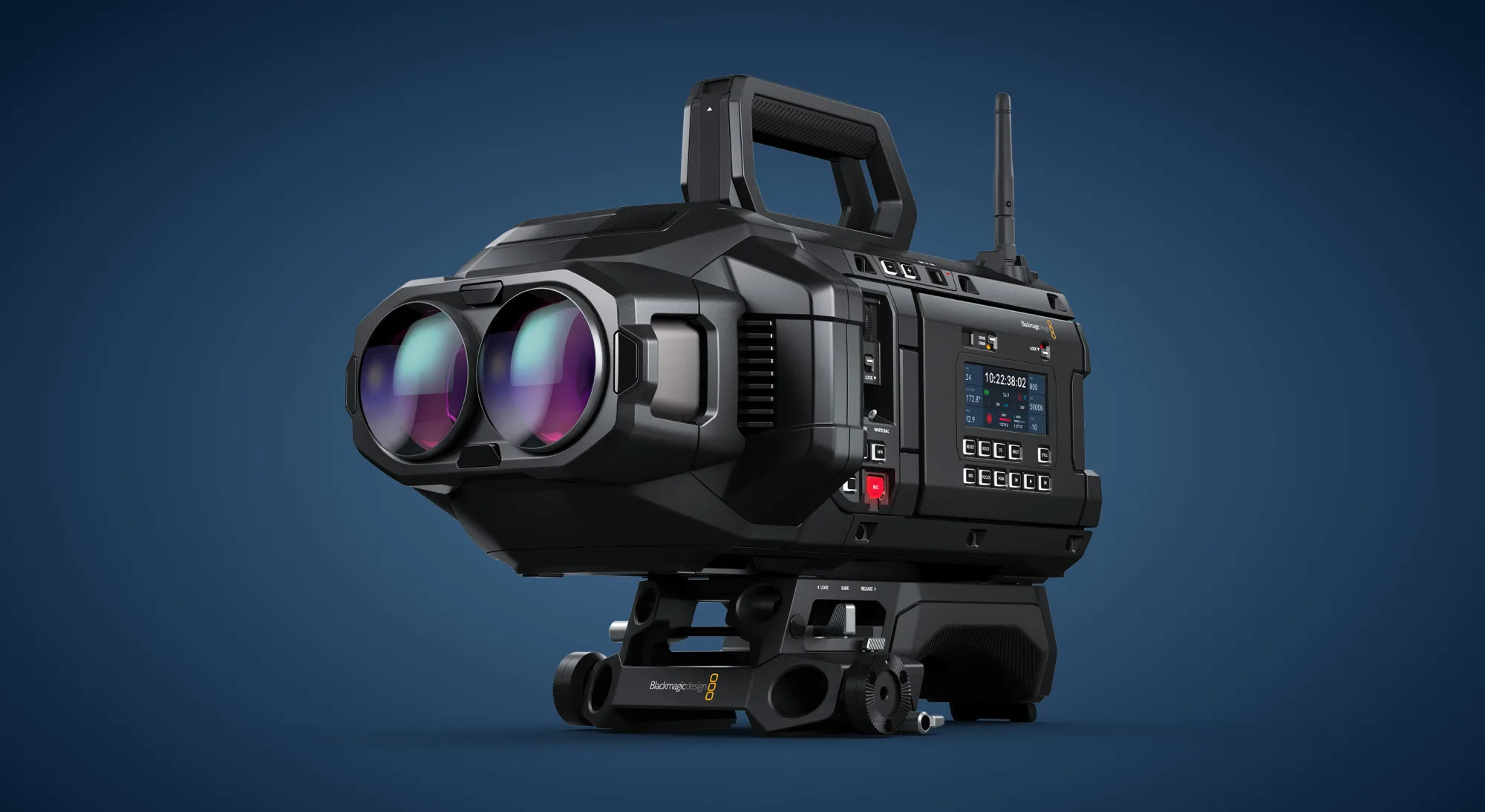
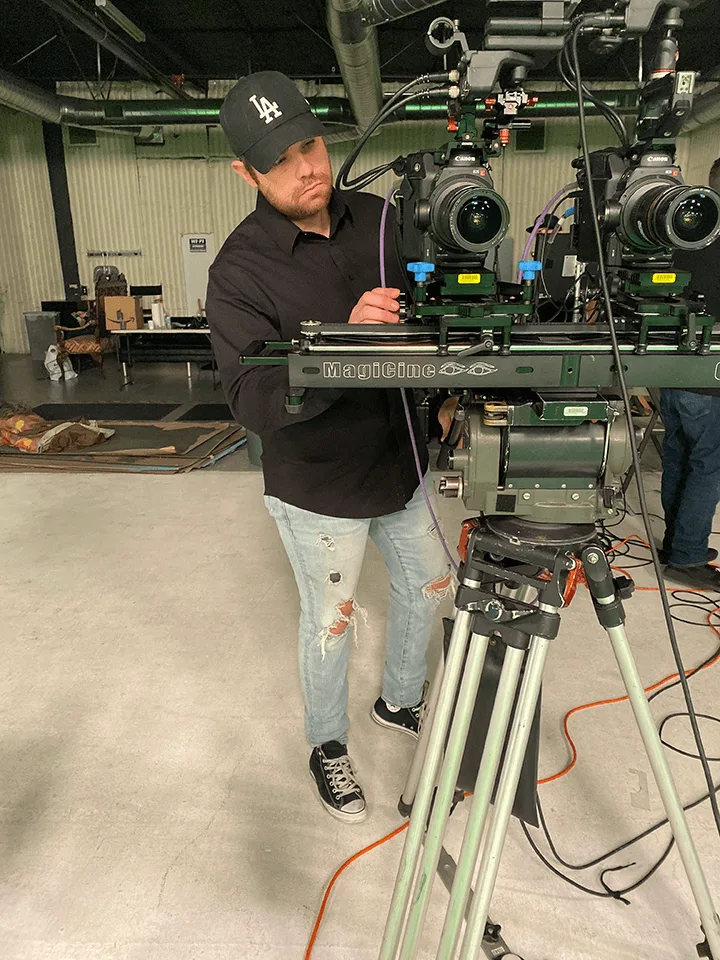
Blackmagic Design has taken a bold step forward in the realm of augmented reality (AR) and virtual reality (VR) content creation with the introduction of its new camera system, designed specifically for the Apple Vision Pro. This marks a significant leap in the industry, promising an end-to-end workflow for filming and editing Apple Immersive Video.
The Apple Vision Pro is equipped to play back footage created using the Apple Immersive Video standard, which boasts 8K 3D video, a 180-degree field of view, and Spatial Audio support. To meet these demanding specifications, Blackmagic Design has launched what it claims to be the world’s first commercial camera system and editing software compatible with Apple Immersive Video.
Harnessing the Power of Spatial Video
Spatial video is the future of content creation, enabling an unparalleled immersive experience. The new Blackmagic camera excels in capturing high-quality spatial video, perfectly suited for Apple Vision Pro’s capabilities. This means richer, more engaging content that pushes the boundaries of traditional media.
Seamless Integration with VisionOS
Apple Vision Pro, powered by visionOS, is designed to handle complex spatial video content. Developers can utilize Swift and Unity to create applications that take full advantage of the new camera’s features. The combination of these tools allows for a streamlined development process, ensuring that content is both innovative and accessible.
Technical Highlights
- High-Performance Storage: Recording to 8TB of network storage, the URSA Cine Immersive camera connects to the Blackmagic Media Module, synced with Blackmagic Cloud, allowing remote access to footage.
- Real-Time Editing: Blackmagic’s updated DaVinci Resolve processes Blackmagic RAW files, enabling direct editing from the camera and immersive video viewing on 2D monitors.
- Availability: Both the camera and the updated software will be available later in 2024 through Blackmagic Design resellers.
Why It Matters
- Enhanced User Experience: Spatial video provides a more natural and intuitive way for users to interact with digital content. This is crucial for the success of augmented reality (AR) and mixed reality (MR) applications.
- Creative Freedom: Filmmakers and developers can explore new creative possibilities, from immersive storytelling to interactive educational tools, making the most of the Vision Pro’s capabilities.
- Future-Proof Technology: As AR and MR continue to grow, having a robust and versatile tool like Blackmagic’s new camera ensures that creators stay ahead of the curve, producing content that meets future standards.
Practical Applications
- Entertainment: Imagine movies and series where viewers can explore scenes in 3D, making storytelling more engaging.
- Education: Create interactive learning modules where students can dive into 3D models and environments.
- Gaming: Develop immersive games that leverage spatial video to create captivating experiences.
Conclusion
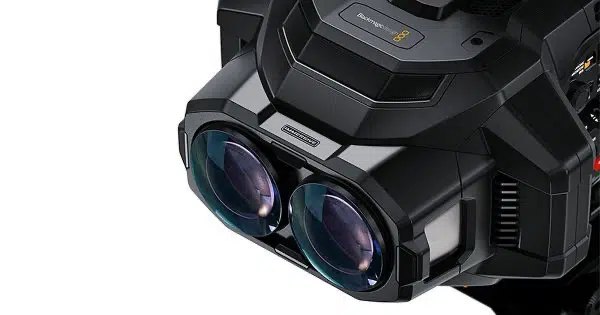
Blackmagic Design’s new camera is more than just a piece of hardware; it’s a gateway to the future of spatial video content creation. For developers and filmmakers working with Apple Vision Pro, this camera provides the tools needed to create the next generation of immersive experiences. Embrace the future of content creation and let your imagination soar with spatial video. For more information about building your own spatial video experience for apple vision pro, please check our Apple Vision Pro page for more information or reach out to us directly at contact@framesixty.com.
For more details, you can read the full releases on Blackmagic Design, MacRumors, and Editors Keys.
Need help to get your app project started?
We are here to help!
Spatial Video and Apple Immersive Video FAQs
Questions about Blackmagic's immersive camera, the Apple Immersive Video format, and spatial video for Apple Vision Pro.
The Blackmagic URSA Cine Immersive is billed as the world's first commercial camera system and editing software compatible with Apple Immersive Video, the spatial format played back on Apple Vision Pro. It gives filmmakers an end-to-end workflow for shooting and editing immersive content, recording to 8TB of network storage via the Blackmagic Media Module synced with Blackmagic Cloud.
Apple Immersive Video is the spatial video standard the Apple Vision Pro is equipped to play back. It combines 8K 3D video, a 180-degree field of view, and Spatial Audio support, producing footage that surrounds the viewer rather than sitting on a flat screen. Blackmagic's camera system was designed specifically to meet these specifications.
Spatial video for Apple Vision Pro is edited in Blackmagic's updated DaVinci Resolve, which processes Blackmagic RAW files directly from the camera. Editors can work in real time, view immersive footage on standard 2D monitors, and access footage remotely through Blackmagic Cloud.
Spatial video on Apple Vision Pro suits entertainment, education, and gaming. Filmmakers can produce movies and series where viewers explore scenes in 3D, educators can build interactive learning modules around 3D models and environments, and game developers can use spatial video to create more engaging immersive experiences.
Frame Sixty builds spatial video experiences and visionOS apps for Apple Vision Pro using Swift and Unity. If you want to bring Apple Immersive Video content into an app of your own, our Apple Vision Pro developers can help, or reach us at contact@framesixty.com.
Get in touch
We’re interested to see how we can help. Send us a message and we will get back to you within 24 hours.