
Instagram’s Augmented Reality Platform for Brands
Sep 18, 2020
Updated
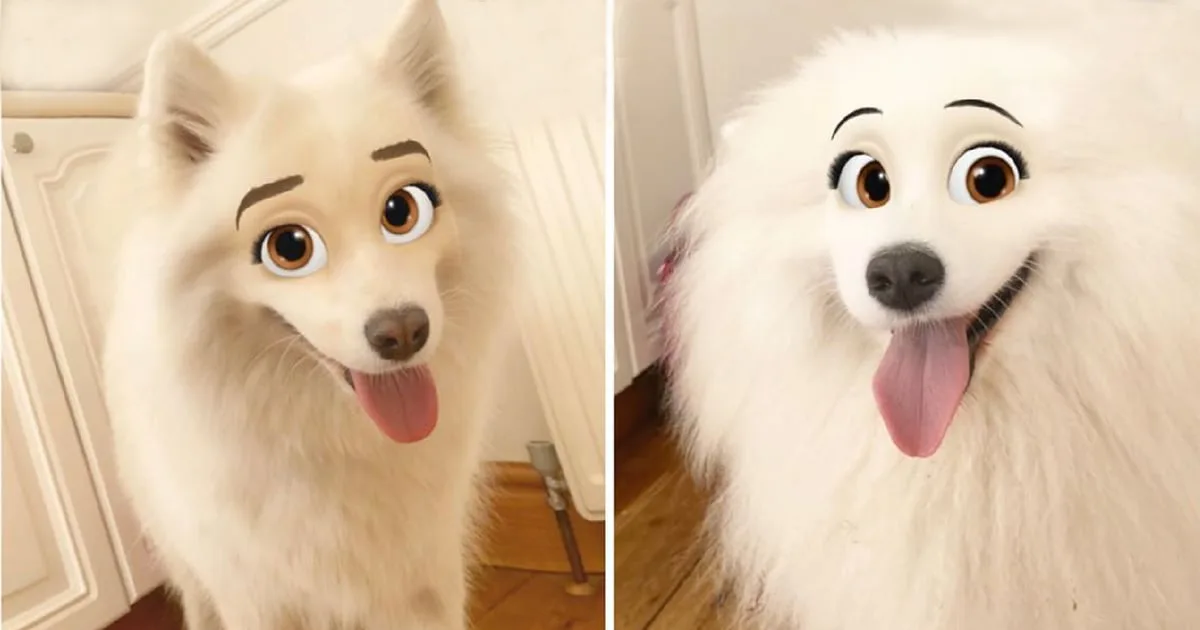
Augmented Reality
Spark AR is powerful augmented reality software that allows Facebook and Instagram users to create different types of augmented reality effects.
It’s fair to say that the tool has been developed with AR artists and developers in mind.
With Spark AR Studio, you’ll be able to create and share augmented reality experiences that can be used by the apps and devices of the Facebook family. It’s worth noting that program comes with many great features and creates endless opportunities for augmented reality developers.
Spark AR has gained a huge popularity among brands, companies as well as influencers. They prefer to use augmented reality filters to create highly impressive virtual content for their marketing strategies.
Content plays an important role in a brand promotion strategy. The reality is, AR filters make it possible for companies to promote their branded content in an efficient way.
The software comes with the augmented reality filters that can be used for creating the engaging content for Facebook and Instagram.
The Role Augmented Reality Plays in Social Media Promotion
According to the statistics, more than 43.7 million of Americans use augmented reality on social networks at least once per month.
The statistics also shows that about 20.8% of social network users take advantage of augmented reality.
Augmented reality has gained a huge popularity on many social media platforms. AR effects play a very important role in the success of a social media marketing strategy. Social media users have a free access to AR filters. Spark AR Studio provides AR developers with plenty of room for creativity.
It’s worth noting that the popular social platforms have rolled out new augmented reality features. We all know that Facebook has recently introduced augmented reality advertising. Instagram has rolled out the so called try-on features.
It’s also important to note that the apps of some social media platforms come with try-on feature. Online shoppers prefer to use the try-on feature when buying products like sunglasses, makeup, shoes and other types of products.
It’s expected that the new AR features will be available on other social platforms in the future as well. More and more businesses and marketers choose to invest in AR. That’s why number of companies that use the Spark AR program is constantly growing.
Different Types of AR Studio Effects
The Spark AR program provides all the necessary tools that AR developer needs to create, publish, manage and test the performance of augmented reality effects on Facebook and Instagram.
Face tracking effects. You can take advantage of Spark AR Studio when it’s necessary to make changes to the shape on people’s faces. The software also allows users to add head turning effect as well as retouching effect to faces.
Sync effects with movement. This effect is used when it’s necessary to add body movements and hand movements to a subject.
World effects. Initially, the scene is made. At the next step, a scene can be taken to another place. Virtual objects can be added to the scene. After that, the subjects can be transported to new environments together.
Connect effects. The effect involves using objects as well as places. The effect is created when the plane tracker is used to place an object in a fixed position in the environment.
Effects of taking people to new places. This effect involves using different backgrounds for a person. Backgrounds are constantly replaced with new ones. It looks like a person is separated from a background and transported to a new place.
Key Features of Spark AR Studio
Developers find it easy to create any type of AR project with Spark AR program.
The software comes with a large collection of augmented reality assets. These include:
- 3D objects
- Audio file
- Patch assets
- Textures
- Blocks
- Script packages
AR developers can make use of these features to add animation as well as logic to their objects. There are also plenty of materials that can be used for creating the object’s scene.
3D objects come in a vast variety of shapes. So, you’ll get the access to a large selection of 3D models. You can pick one of these 3D models and then use it for creating various AR effects in the Spark AR studio. яндекс
Developers can use different types of music and sounds in their AR effects. Audio files fall into 3 different categories:
- Music
- Sound effects
- Ambient sounds
Different types of music can be added to AR effects. These include: music loops, musical stingers as well as instrument elements. Ambient sounds as well as sound effects are also worth considering.
Explore all of your options carefully and select the audio files which are more to your liking.
Spark AR also comes with a collection of environment textures. Keep in mind that you can take advantage of these textures if you would like to add image-based lighting to your objects.
Let’s say that you frequently use the certain part of a project. In this case, you can save it as a block. After that, you will be able to export blocks to other your projects.
You’ll find it easy to expand your code’s functionality with script packages.
Different types of ready-made patch graphs are available for AR projects, including animation, shades as well as utilities. Use these types of patch assets when it’s necessary to add animation, visual effects and various functions to your AR projects.
A library provides augmented developers with everything they need to create AR effects. So, you’ll find it easy to turn your augmented reality ideas into reality. It’s also important to note that Spark AR studio constantly expands its library of AR assets.
Testing Spark AR Studio Effects
Oftentimes, augmented reality effects created by the Spark AR program look differently on Facebook and Instagram. That’s why it’s so important to test AR effects before downloading them to social media platforms.
The program comes with the so called Test on Device feature. Such a feature provides creators with an opportunity to test their augmented reality effects on Facebook cameras and on Instagram cameras. As a result, AR developer can see how effects will look like.
Frame Sixty Specializes in Spark AR Filters
It’s important to know that creating Instagram and Facebook AR filters with Spark AR studio is no easy task.
Obviously, this type of work requires the certain knowledge, skills as well as experience. So, it would be better to leave the creation of Spark AR filters to real professionals.
At Frame Sixty, we have huge experience in developing Spark AR filters that can be used to create various augmented reality effects for Facebook and Instagram.
For many years, our engineers have been developing augmented reality filters for companies that choose to use the Spark AR program.
With these AR filters, you will be able to do many different things with Spark AR. Among the things that you can do with our AR filters are: example 3D world interactions, hand tracking, face tracking for face filters and more.
Check out our recent work here:
Our augmented reality company is always looking forward to helping you with any of augmented reality needs. Contact us for a FREE consultation with AR developer today!
Spark AR and Instagram Filters for Brands: FAQs
Spark AR Studio was the augmented reality authoring tool for Facebook and Instagram that let creators, brands, and developers build, publish, and test AR effects across the Facebook family of apps. It shipped with a large and steadily expanding library of assets and gave AR artists room to create everything from simple face filters to full 3D scenes. Meta has since discontinued the Spark platform, so the tool belongs to social AR history rather than to a brand's current options.
Spark AR supported five main effect types: face tracking effects that reshape or retouch faces, movement-sync effects tied to body and hand motion, world effects that place virtual objects into a scene, connect effects that use a plane tracker to fix an object in the environment, and background-replacement effects that appear to transport a person to a new place. Brands combined these to build engaging, shareable filters for Instagram and Facebook campaigns.
AR filters gave brands a free-to-access, highly shareable content format at a time when social AR usage was surging: reporting cited more than 43.7 million Americans using augmented reality on social networks at least once per month, and about 20.8% of social network users engaging with AR. Instagram's try-on features also let shoppers preview products like sunglasses, makeup, and shoes, making filters a practical marketing tool as well as an entertainment one.
Spark AR Studio included a library of 3D objects, audio files spanning music, sound effects, and ambient sounds, environment textures for image-based lighting, reusable blocks that could be exported between projects, script packages for extending code functionality, and ready-made patch assets for animation, shaders, and utilities. Together these let AR developers add animation, logic, and visual effects without building every element from scratch.
Spark AR effects were tested with the program's Test on Device feature, which let creators preview an effect directly in the Facebook and Instagram cameras before publishing. This step mattered because the same effect could look different on Facebook than on Instagram, so previewing on a real device showed exactly how a filter would render for end users on each platform and let developers fix discrepancies early.
Yes. Frame Sixty's engineers developed Spark AR filters for brands over many years, covering 3D world interactions, hand tracking, and face tracking for face filters on Instagram and Facebook. Although Meta later retired the Spark platform, the same skills carry over to current platforms: Frame Sixty continues to build social AR experiences and operates as a full-service augmented reality agency.
Get in touch
We’re interested to see how we can help. Send us a message and we will get back to you within 24 hours.